Getting the timing right for switching your nose ring is crucial for ensuring proper healing and avoiding complications. Generally, you can switch your nose ring around 2 to 3 months after the initial piercing. However, this can vary based on individual healing processes, the type of piercing you have, and your aftercare practices. In this article, we’ll explore the factors that influence when it’s safe to make the switch and provide guidance on the process.
Understanding Nose Piercing Healing Times

The healing time for a nose piercing can vary significantly depending on the type of piercing you have—whether it’s a nostril, septum, or bridge piercing. Typically, a nostril piercing takes about 2 to 4 months to heal, while a septum piercing might take around 6 to 8 weeks. In some cases, healing can extend from 2 to 6 months based on individual factors.
Individual factors such as skin type, lifestyle, and aftercare practices can also impact healing duration. For instance, individuals with sensitive skin might experience longer healing times, while others who consistently follow aftercare guidelines may heal more quickly. It’s essential to be patient and attentive to your body’s signals during this period, as rushing the process can lead to complications such as infections or prolonged discomfort.
Signs Your Nose Piercing is Healed

Before switching your nose ring, it’s vital to ensure that your piercing has fully healed. Key indicators that your nose piercing is ready for a change include reduced swelling and tenderness around the piercing site. If you no longer experience pain or sensitivity when touching the area, this is a positive sign of healing.
Additionally, a healed piercing will show no discharge or crusting—meaning the area around it looks clean and clear. You should also be able to move the jewelry freely without discomfort. If you notice any of the aforementioned signs, it’s a good indication that you can plan for switching your nose ring safely.
Aftercare Tips for Pierced Noses
Proper aftercare is essential for a successful healing process and can significantly reduce the risk of complications. Cleaning the area regularly with a saline solution or a gentle, non-alcoholic cleanser is advisable. This helps to prevent bacteria buildup and keeps the area free from irritants.It’s also important to avoid touching or twisting the ring unnecessarily, as this can lead to irritation or even inflammation. Additionally, steer clear of swimming pools and saunas during the initial healing stages, as these environments can introduce harmful bacteria. Following these aftercare tips not only promotes healing but also prepares your piercing for a smooth transition when you decide to switch your jewelry.
Choosing the Right Jewelry to Switch To
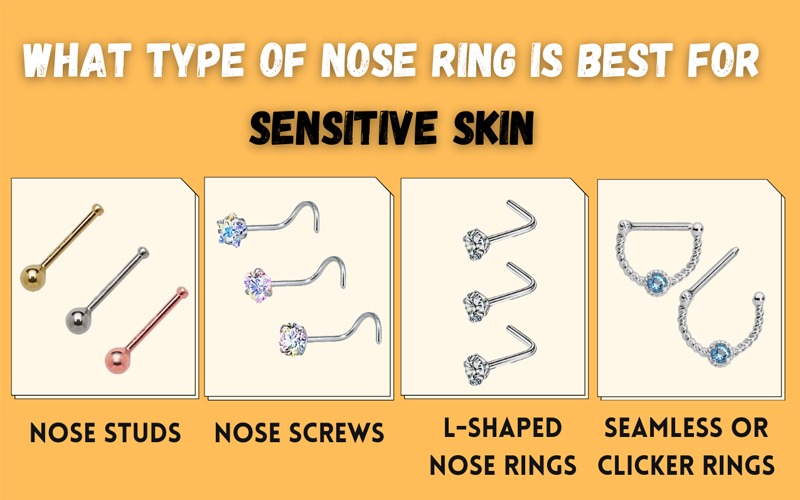
When it comes time to switch your nose ring, selecting the right jewelry is paramount. Opt for hypoallergenic materials such as titanium, surgical steel, or niobium, as these are less likely to cause allergic reactions or irritation. Avoid materials like nickel, which are common allergens and can lead to issues.
Consider the size and style of the jewelry you wish to switch to. Ensure that the new piece complements your aesthetics while being appropriate for your healed piercing. For example, if you initially had a stud, you might choose to transition to a hoop, but ensure that it is of the right gauge to avoid any discomfort.
How to Properly Change Your Nose Ring
When you feel confident your piercing is ready for a change, follow a systematic approach to switch your nose ring safely. Start by washing your hands thoroughly to prevent introducing bacteria into the piercing.
Using a mirror and good lighting, carefully remove the old ring. Gently twist or press the ends together to open the ring if necessary, being cautious not to apply too much pressure. Once the old jewelry is out, take your new piece and insert it into the piercing, ensuring it fits securely. This may require some gentle twisting or maneuvering. If you experience any pain during this process, stop immediately and consult a professional piercer.
What to Do If You Experience Issues
Even with diligent aftercare and precautions, issues can arise post-piercing. Be vigilant for signs of infection, which may include excessive redness, swelling, or pus. If you notice any of these symptoms, it’s important to address them promptly.
Consulting a professional piercer or a healthcare provider is recommended if problems persist. Avoid the temptation to change the jewelry if you experience complications, as this can worsen the situation. Instead, focus on treatment and recovery, ensuring that your health is prioritized above aesthetic choices.
In summary, you can typically switch your nose ring around 2 to 3 months after getting it pierced, but always listen to your body and look for signs of healing. Careful aftercare and choosing the right jewelry are essential for a smooth transition. If you’re unsure, consult with a professional piercer for personalized advice. Happy piercing!
Frequently Asked Questions
When can I switch my nose ring after getting it pierced?
You can typically switch your nose ring about 2 to 3 months after the initial piercing, assuming your piercing has healed properly. However, healing times can vary based on individual factors and aftercare practices, so it’s crucial to consult with your piercer. Signs of healing include reduced swelling, no pain, and the absence of discharge.
How do I know if my nose piercing is healed enough to change jewelry?
To determine if your nose piercing is healed enough for a jewelry change, look for signs such as minimal redness, no swelling, and no discomfort when touching the area. Additionally, if you can gently rotate the jewelry without pain, it is likely healed. Always perform a gentle cleaning routine before switching to minimize the risk of infection.
Why is it important to wait before changing my nose ring?
Waiting to change your nose ring is crucial to allow the piercing to fully heal, which can help prevent complications like infections, irritation, or scarring. Changing jewelry too early can disrupt the healing process and lead to issues such as migration or rejection of the piercing, resulting in an undesirable outcome.
What type of jewelry is best to switch to after my nose piercing has healed?
Once your nose piercing has fully healed, the best types of jewelry to switch to are those made from hypoallergenic materials like titanium, surgical stainless steel, or 14-karat gold. These materials are less likely to cause allergic reactions or irritation and provide comfort while enhancing your style. Look for jewelry designed specifically for nostril piercings to ensure the best fit.
Which aftercare tips should I follow to ensure my nose piercing heals properly?
To ensure your nose piercing heals properly, it’s essential to follow a consistent aftercare routine. Clean the area with saline solution or a gentle saline spray at least twice a day and avoid touching or changing the jewelry until it’s fully healed. Additionally, steer clear of swimming pools, hot tubs, or any environments where bacteria may thrive during the healing period.
References
- https://www.wisewell.com/blogs/wellness/nose-piercing-care-guide
- https://www.healthline.com/health/nose-piercing-healing-time
- https://www.webmd.com/beauty/what-to-know-about-nose-piercings
- https://www.mayoclinic.org/healthy-lifestyle/adult-health/in-depth/piercings/art-20045367
- https://www.medicalnewstoday.com/articles/what-to-know-about-nose-piercings
- Are Artificial Sweeteners Bad for You?