Bull nose rings can be seen as cruel by many, as they subject bulls to discomfort and can lead to negative behavioral changes. The use of these devices has sparked significant debate regarding animal welfare, prompting many to question their necessity in modern livestock management. In this article, we will explore the reasons behind their usage, the welfare concerns they raise, and the alternatives that exist, providing a comprehensive overview of the ongoing controversy surrounding bull nose rings.
The Purpose of Bull Nose Rings
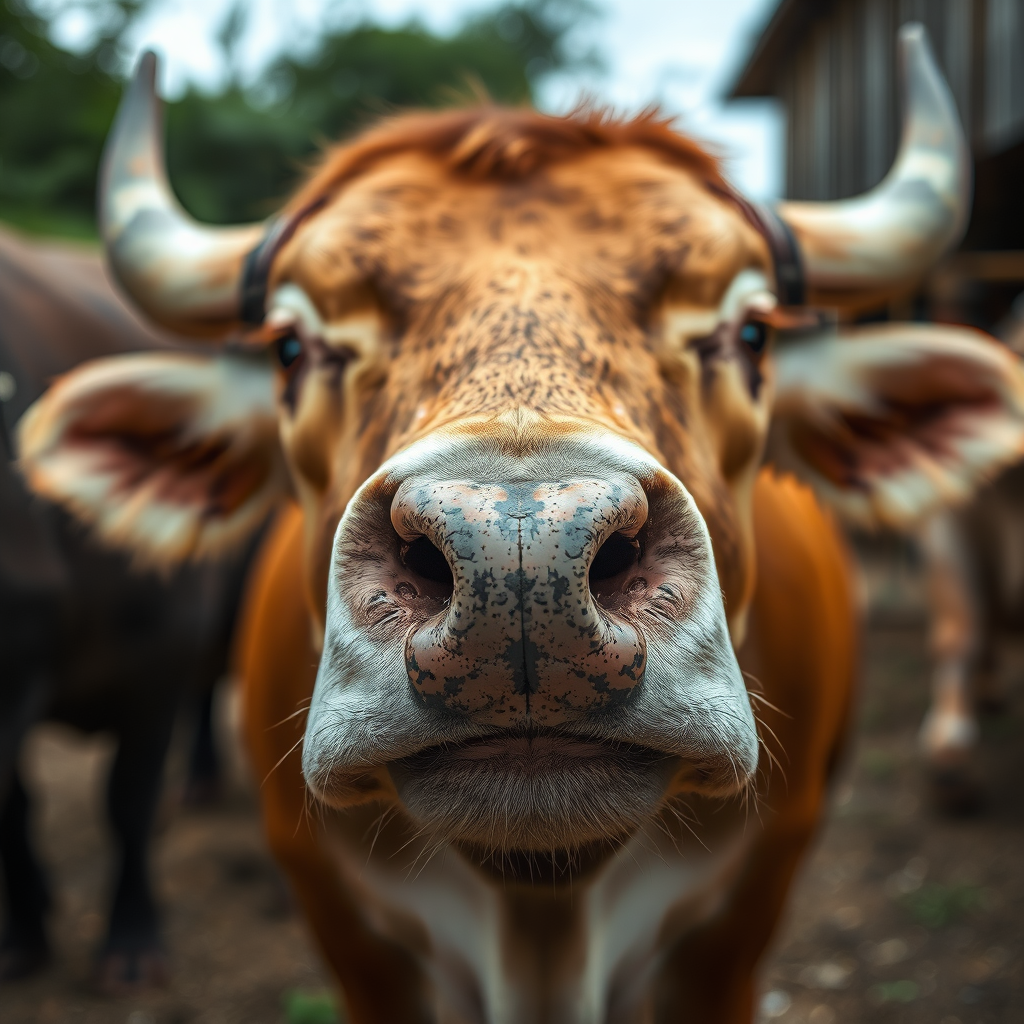
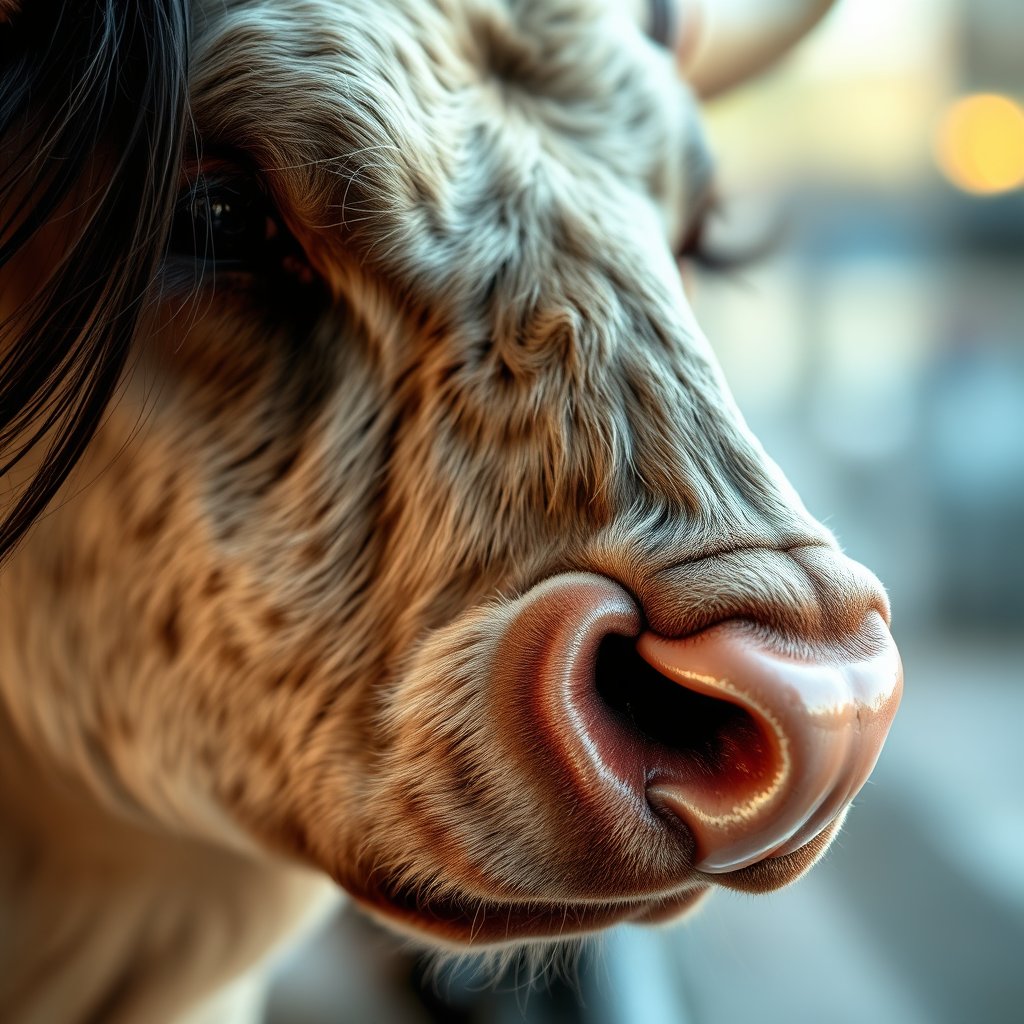
Bull nose rings have been utilized for centuries in agricultural practices primarily to control bulls, especially during handling and transportation. The traditional purpose of these rings is to facilitate the management of bulls that can exhibit aggressive behavior, particularly during breeding or competitive events. By inserting a ring through the septum of the bull’s nose, handlers can exert physical control, making it easier to lead or restrain the animal.
For instance, in competitive rodeo events or breeding farms, the use of nose rings can help ensure the safety of both the bulls and the handlers involved. However, while the intended purpose of these rings is to improve safety and manageability, the implications for the animal’s well-being must also be critically examined.
Animal Welfare Concerns
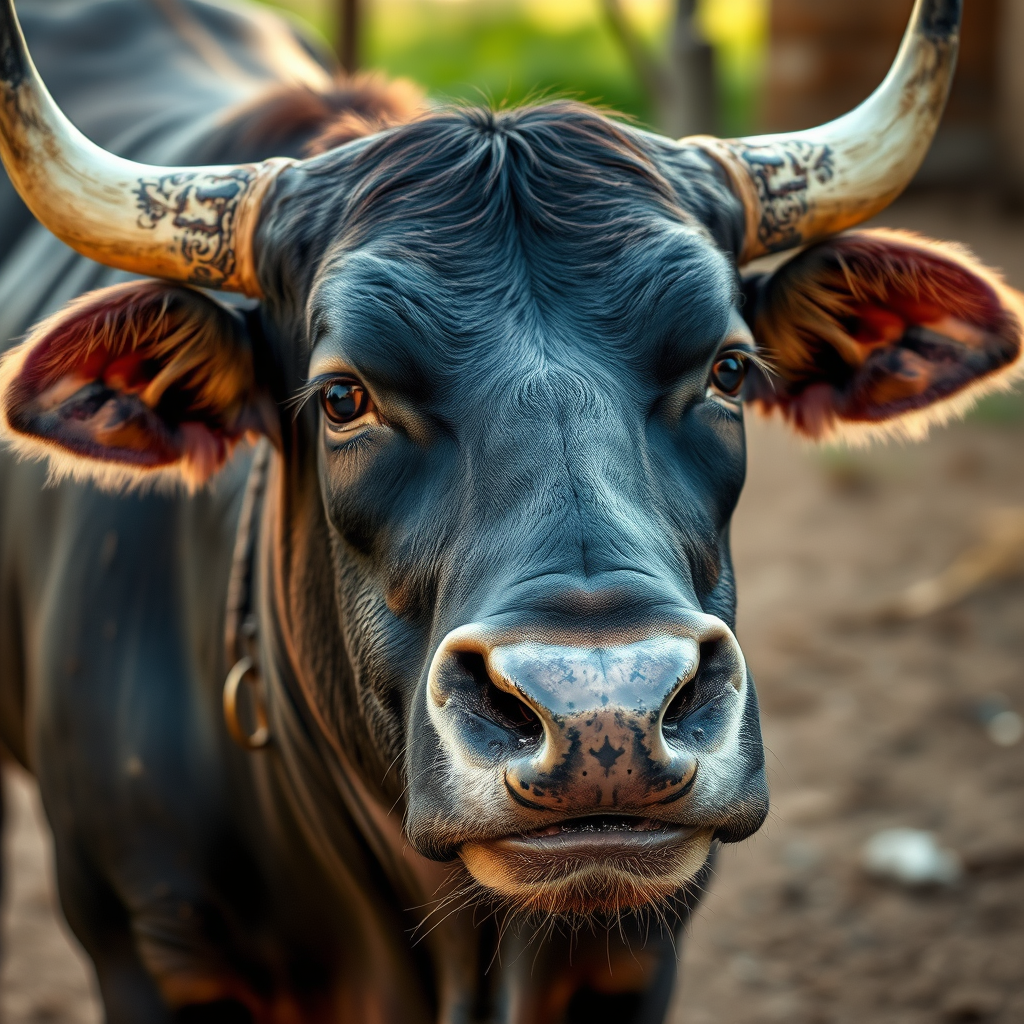
The primary animal welfare concerns associated with bull nose rings include the potential pain and distress caused by the initial piercing of the nose, which can be a traumatic experience for the animal. Research indicates that piercing a bull’s nose can result in acute pain that may linger long after the initial insertion. This pain can lead to undesirable behavioral changes, such as increased aggression or heightened stress levels, which can complicate handling efforts rather than simplify them.
Moreover, the rings can pose a risk of injury if they are improperly maintained or if the animal engages in behaviors that could result in entanglement or tearing. Infections can also arise from the wound created by the piercing, complicating the health and welfare of the animal further. Observations from veterinarians often indicate that the long-term consequences of using nose rings can outweigh their intended benefits, necessitating a reevaluation of their role in livestock management.
The Role of Cultural Practices
Cultural significance plays a substantial role in the ongoing use of bull nose rings in various farming communities worldwide. In many regions, the tradition of using nose rings is deeply ingrained, often passed down through generations. Farmers may adhere to these practices due to a sense of cultural identity or because they have been deemed effective methods for managing bulls.However, these practices can vary significantly across the globe. For example, in certain parts of Europe, the use of bull nose rings is becoming less common, as more farmers adopt innovative management techniques that align with modern animal welfare standards. The tension between maintaining cultural heritage and advancing ethical treatment of animals presents a complex challenge for agricultural communities, urging a dialogue about the future of traditional practices.
Alternatives to Nose Rings
In light of the welfare concerns associated with bull nose rings, modern handling techniques are emerging that reduce reliance on physical restraints. Behavioral training, for example, has proven to be an effective alternative, as it promotes trust and cooperation between the handler and the bull. Methods such as positive reinforcement can encourage desirable behaviors without causing distress to the animal.
Additionally, improved facilities for bull management, such as larger pens and more engaging environments, can help mitigate aggressive behaviors. These advancements not only promote animal welfare but also enhance the overall safety and efficiency of livestock handling. By investing in better management practices and facilities, farmers can ensure the well-being of their animals while still maintaining control.
Perspectives from Veterinarians and Animal Rights Activists
Veterinarians and animal rights activists are increasingly vocal about the health impacts and ethical implications of using bull nose rings. Veterinarians often emphasize the importance of prioritizing animal welfare in agricultural practices, citing studies that link the pain and stress associated with nose rings to long-term health issues. They advocate for a shift towards more humane handling options that do not compromise the animal’s well-being.
Animal rights organizations, on the other hand, argue for a complete ban on bull nose rings, viewing them as an unnecessary form of control that reflects outdated practices. These groups often engage in campaigns to raise awareness about the cruelty associated with nose rings, pushing for legislation that protects animals from such practices. Their efforts have spurred discussions on how society views animal welfare and the responsibilities of farmers in ensuring ethical treatment.
Legal and Ethical Implications
The legal landscape surrounding the use of bull nose rings varies significantly across different countries. In some regions, regulations exist that either restrict or completely ban the use of nose rings, reflecting a growing recognition of animal welfare issues. For instance, certain European countries have implemented stricter animal welfare laws that encourage alternative methods of handling livestock.
Ethical considerations further complicate the discussion, as public sentiment increasingly favors the humane treatment of animals. As consumers become more aware of animal welfare issues, many are advocating for practices that align with their values, influencing market trends and agricultural policies. This shift in public perception places pressure on farmers to adapt their practices to meet ethical standards, ultimately leading to a reevaluation of traditional methods like bull nose rings.
Moving Toward Better Practices
As the discourse surrounding bull nose rings continues to evolve, it is crucial for farmers to consider alternative methods for bull management. Strategies such as investing in behavioral training, enhancing facilities, and adopting modern handling techniques can significantly improve animal welfare.
Moreover, advocacy plays a vital role in promoting animal welfare in livestock handling. Farmers can engage with organizations that support humane practices, participate in training programs, and stay informed about the latest research on animal behavior and welfare. By actively seeking to improve their practices, farmers can contribute to a more ethical and sustainable agricultural industry.
In summary, while bull nose rings serve specific purposes in traditional livestock management, their use raises significant ethical and welfare concerns. The growing awareness around animal rights and welfare urges the agricultural sector to adapt and evolve, seeking humane alternatives that prioritize the well-being of the animals. As practices shift towards more compassionate methods, the future of livestock management can be both effective and ethical, benefiting farmers, animals, and society as a whole.
Frequently Asked Questions
Are bull nose rings considered cruel to animals?
The perception of bull nose rings as cruel largely depends on the context in which they are used. These rings are often employed in livestock management to prevent bulls from engaging in aggressive behaviors, which can protect both the animals and handlers. However, critics argue that the procedure can be painful and may lead to long-term discomfort. It’s important to consider humane practices and alternatives that prioritize animal welfare.
What are the potential health risks associated with bull nose rings?
Bull nose rings can pose several health risks, including infection at the piercing site, excessive bleeding if improperly placed, and potential damage to the nasal passages. Additionally, if the ring is too tight or not appropriately sized, it can cause chronic irritation or discomfort. Regular monitoring and proper care are essential to minimize these risks and ensure the well-being of the animal.
How can I choose a humane alternative to bull nose rings for managing cattle behavior?
To manage cattle behavior humanely, consider alternatives such as behavioral training, using physical barriers, or implementing handling techniques that do not involve painful procedures. Some farmers also opt for using halters or other restraint systems that do not inflict pain. Consulting with a veterinarian or animal behaviorist can provide tailored solutions that prioritize animal welfare while ensuring safety.
Why do some farmers continue to use bull nose rings despite concerns about cruelty?
Many farmers continue to use bull nose rings because they believe it is a practical method for controlling aggressive behavior in bulls. In some cases, it may be viewed as a traditional practice that has been passed down through generations. However, as awareness of animal welfare increases, many are seeking alternatives that address these concerns while maintaining effective management practices.
Which regulations exist regarding the use of bull nose rings in livestock management?
Regulations surrounding the use of bull nose rings vary significantly by region and country. Many areas have animal welfare laws that dictate how and when such procedures can be performed, often requiring that they be done by qualified professionals to minimize suffering. It’s crucial for farmers to stay informed about local regulations and best practices to ensure compliance and promote humane treatment of their livestock.
References
- https://en.wikipedia.org/wiki/Bullring
- https://www.humanesociety.org/resources/piglets-and-pig-farming
- https://www.rspca.org.uk/adviceandwelfare/farm/animalwelfare/bullfighting
- https://www.theguardian.com/environment/2020/mar/05/animal-welfare-campaigners-call-for-ban-on-bullfighting-in-spain
- https://www.humanesociety.org/resources/animal-welfare-facts
- https://www.ncbi.nlm.nih.gov/pmc/articles/PMC7344187/