Putting in a hook nose ring can be a straightforward process if you approach it with the right techniques and preparations. By following a few simple steps outlined in this guide, you can comfortably and safely insert your hook nose ring. We will cover the necessary tools, the insertion technique, and aftercare to ensure your new piercing remains healthy and stylish.
Understanding Hook Nose Rings

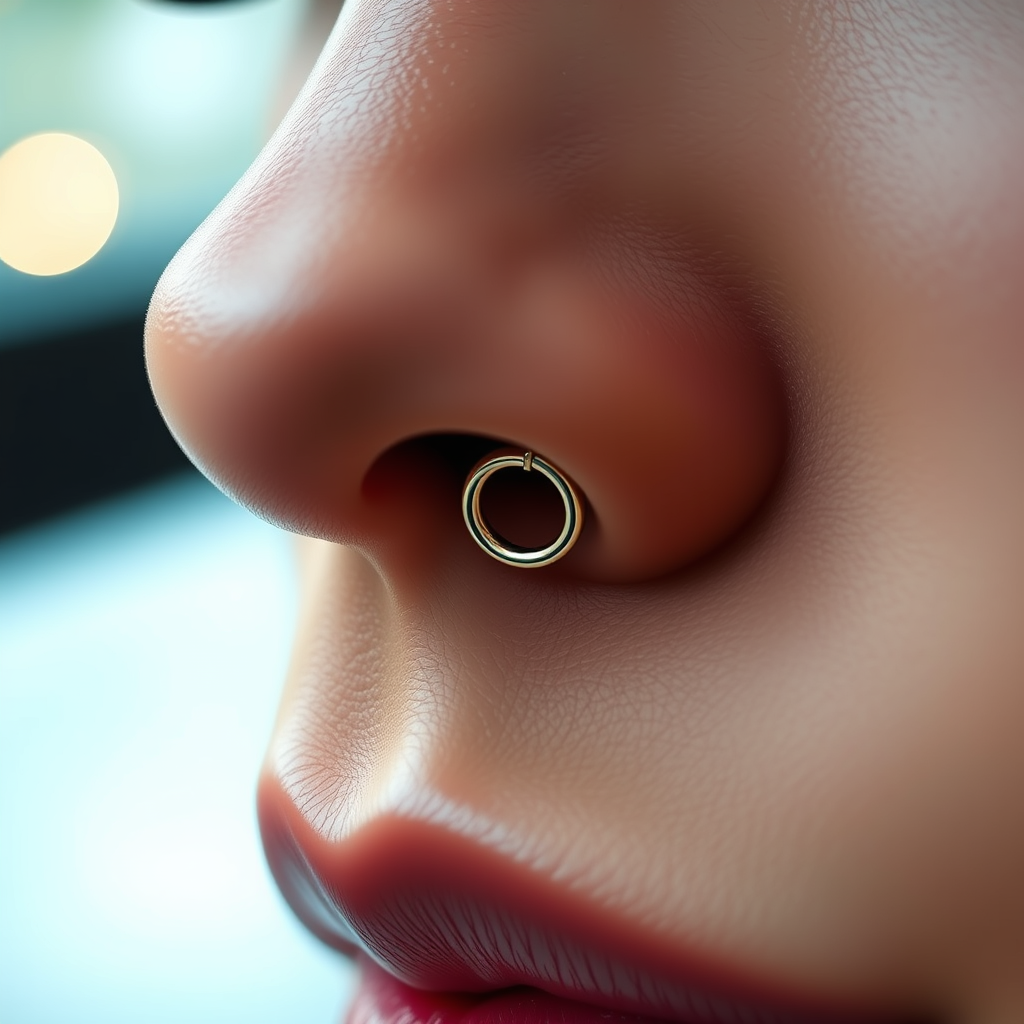
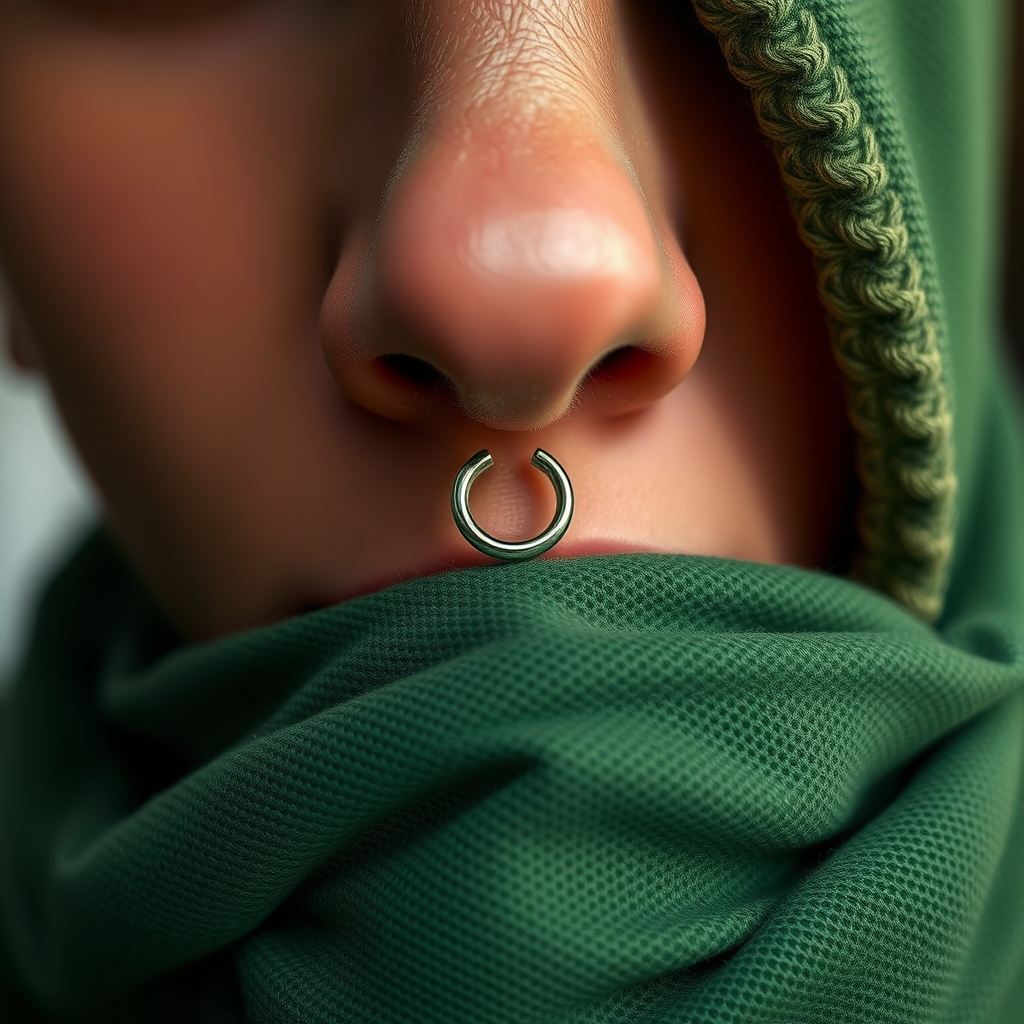
– Definition: A hook nose ring is a unique type of jewelry specifically designed for nose piercings. Its distinguishing feature is the hooked end, which allows for easy insertion and a secure fit while minimizing the risk of it slipping out. This design not only serves a functional purpose but also adds an elegant aesthetic to the piercing, making it a popular choice among enthusiasts.
– Types: Hook nose rings come in various styles, including simple metal hooks, embellished designs with gemstones or charms, and different materials such as surgical steel, titanium, or gold. The choice of style can affect the insertion process; for instance, a heavier design may require more careful handling to prevent discomfort during insertion. Additionally, the gauge or thickness of the ring can impact how easy it is to insert, especially if you’re new to wearing nose jewelry.
Preparing to Insert Your Hook Nose Ring
– Gather Tools: Before you begin the insertion process, it’s essential to gather all necessary tools. You will need sanitizing wipes or an antiseptic solution, the hook nose ring itself, and a mirror that allows you to see your nose clearly. Having all these items at hand will streamline the process and minimize disruptions.
– Cleanliness: Maintaining a clean environment is crucial to prevent infections. Start by thoroughly washing your hands with soap and water before handling your nose ring or touching your piercing. Clean the area around your nose with alcohol wipes or an antiseptic solution to eliminate any bacteria. This step is fundamental in ensuring a safe and hygienic insertion process.
Inserting the Hook Nose Ring
– Technique: To insert your hook nose ring, begin by holding the ring between your thumb and forefinger. Position the hook end towards your piercing, angling it slightly upward for easier entry. Gently slide the hooked end through the piercing. It’s essential to be patient and avoid forcing the ring. If you encounter resistance, pause and adjust your angle or the position of the ring rather than pushing too hard.
– Angle Matters: The angle at which you hold the ring can significantly affect the ease of insertion. Aim for a slight upward angle, as this aligns more naturally with the direction of your nostril piercing. If you find that the insertion is challenging, try rotating the ring slightly as you push it through the piercing. This motion can help guide the hook into place without causing discomfort.
Securing the Hook Nose Ring
– Ensuring Fit: Once the hook is successfully inserted through the piercing, check to ensure that the ring is properly secured. The hook should sit comfortably inside your nostril without pinching or causing irritation. It’s essential that the ring is not too loose, as this can lead to it falling out, nor too tight, which may cause discomfort.
– Adjustments: If you find that the ring feels loose or tight after insertion, make the necessary adjustments. Gently manipulate the ring by either pushing it further into the piercing or pulling it slightly out to achieve a comfortable fit. If it remains problematic, consider consulting a professional piercer for assistance.
Aftercare for Your Nose Piercing
– Cleaning Routine: Establishing a cleaning routine is vital for the health of your new piercing. Clean the area around your nose at least twice a day with a saline solution or an antiseptic solution recommended by your piercer. Avoid using harsh chemicals or alcohol-based products, as these can irritate the piercing. Keep the area free from excessive touching to minimize the risk of transferring bacteria.
– Signs of Infection: Be aware of potential signs of infection, which can include redness, swelling, increased warmth around the piercing, or discharge that may be yellow or green in color. If you experience these symptoms, it’s crucial to address them promptly, possibly seeking professional medical advice. Early intervention can prevent complications and ensure your piercing heals correctly.
Troubleshooting Common Issues
– Insertion Difficulties: If you encounter difficulties when trying to insert the hook nose ring, consider a few strategies. First, ensure that your hands and the ring are clean. Second, apply a small amount of lubricant, such as a water-based gel, to the hook to facilitate easier entry. If you still face issues, take a break and try again later to avoid causing damage to your piercing.
– Pain Management: It’s not uncommon to experience slight discomfort during the insertion of a hook nose ring, especially if you are new to nose piercings. If you feel pain, breathe deeply and relax your face to minimize tension. Additionally, consider applying a numbing cream before insertion, following the guidance of a professional piercer. If pain persists after insertion, consult with a healthcare professional.
Putting in a hook nose ring can be a simple and enjoyable process when approached with care and attention to detail. By following the outlined steps for preparation, insertion, securing the ring, and aftercare, you can ensure a smooth experience and maintain the health of your piercing. Remember that patience and cleanliness are key to a successful nose piercing journey. If you’re ready to enhance your look with a stylish hook ring, gather your supplies and confidently follow this comprehensive guide!
Frequently Asked Questions
How do I properly insert a hook nose ring?
To properly insert a hook nose ring, start by gently cleaning your nose and the jewelry with saline solution or rubbing alcohol to minimize the risk of infection. Hold the hook side of the ring and insert the pointed end into the nostril, angling it slightly upward. Once the pointed end is through, gently pull the ring so the hook catches on the inside of your nose, securing it in place. Ensure the ring is snug but not too tight to avoid irritation.
What should I do if my hook nose ring is stuck?
If your hook nose ring is stuck, remain calm and avoid pulling hard, as this can cause injury. Begin by applying a warm compress to the area to help relax the tissue, then try gently twisting the ring back and forth to loosen it. If it still won’t move, consider using a lubricant like vitamin E oil around the piercing to ease insertion or removal. If you’re unable to remove it yourself, seek help from a professional piercer to avoid complications.
Why does my hook nose ring hurt after insertion?
Pain after inserting a hook nose ring can be attributed to several factors, including improper placement, an allergic reaction to the metal, or irritation from sleeping or touching the piercing. It’s essential to ensure the jewelry is made from hypoallergenic materials, such as titanium or surgical steel, to minimize irritation. If the pain persists or worsens, consult a healthcare provider or professional piercer to assess the situation and determine if the jewelry needs to be changed.
What is the best type of hook nose ring for beginners?
For beginners, the best type of hook nose ring is one made from hypoallergenic materials, such as titanium or surgical stainless steel, which are less likely to cause allergic reactions or irritate the skin. A simple, lightweight design without too many embellishments can also make insertion easier. Consider starting with a ring that has a slight bend, as it allows for easier manipulation during insertion while still providing security once in place.
Which aftercare steps should I follow after inserting a hook nose ring?
After inserting a hook nose ring, proper aftercare is crucial to prevent infection. Clean the area with a saline solution or a mild antiseptic twice a day, and avoid touching or twisting the ring unnecessarily. Additionally, refrain from swimming in pools or hot tubs and avoid using makeup near the piercing for at least 4-6 weeks. Monitoring the piercing for signs of infection, such as excessive redness or swelling, will help ensure a smooth healing process.
References
- Nose piercing
- https://www.healthline.com/health/nose-piercing-guide
- https://www.webmd.com/skin-problems-and-treatments/nose-piercings
- https://www.ncbi.nlm.nih.gov/pmc/articles/PMC7312792/
- https://www.verywellhealth.com/nose-piercing-care-5089117