Changing your nose ring typically can be done about 2 to 3 months after the initial piercing, but it’s crucial to ensure that your piercing has fully healed before making any changes. The healing process is not merely a waiting game; it involves careful observation and aftercare to prevent complications. In this article, we’ll explore the healing timeline, signs of readiness, and best practices for changing your nose ring safely.
Understanding the Healing Process
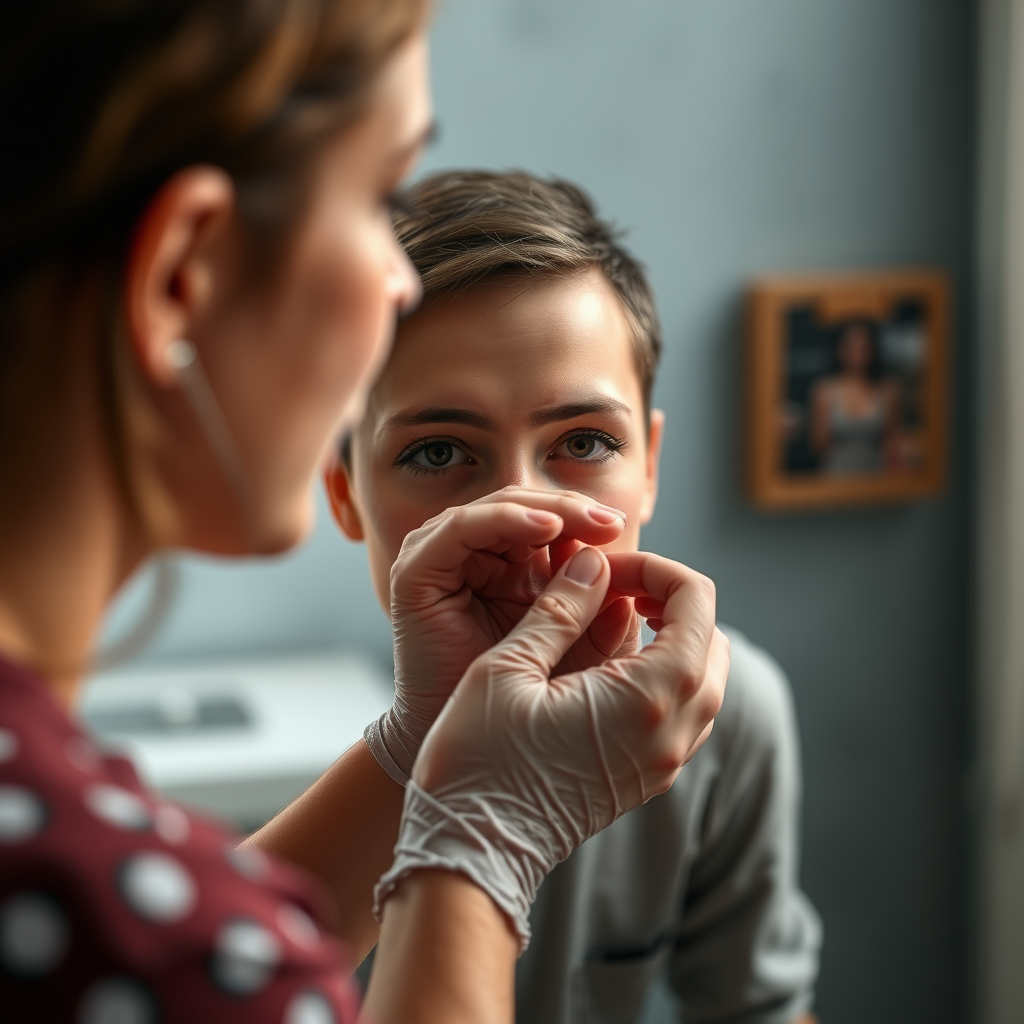
The average healing time for a nose piercing is 2 to 4 months, but this can vary significantly based on several individual factors. Each person’s body responds differently to piercings due to variations in skin type, immune response, and overall health. Additionally, the aftercare regimen followed post-piercing plays a pivotal role in the healing process. For instance, individuals with existing skin conditions or allergies may find their healing time extends beyond the typical range. The piercing technique employed—such as the type of needle used and the skill of the piercer—can also influence healing.
For example, a professional piercer will typically use a hollow needle, which tends to cause less trauma to the tissue compared to a piercing gun. This can lead to a quicker healing time and a lower chance of complications. Keeping these factors in mind can help you gauge an appropriate timeline for changing your nose ring.
Signs Your Nose Piercing is Healed
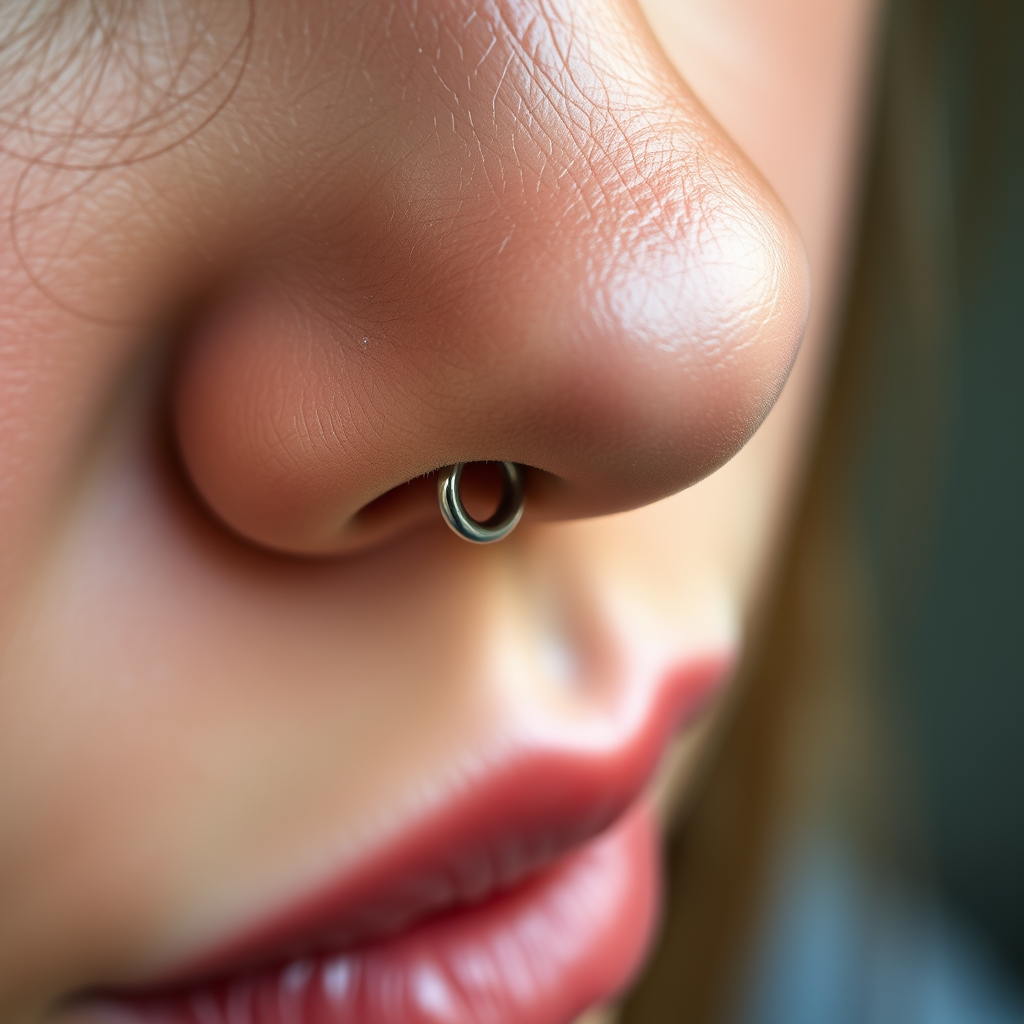
Identifying when your nose piercing is fully healed is essential before making any changes to your jewelry. Key signs of a healed piercing include the absence of pain or tenderness around the piercing site. If you experience slight discomfort during the healing phase, it is typically a normal response; however, once discomfort ceases, this can indicate that healing is progressing well.
Additionally, a completely healed piercing will exhibit no swelling or redness. A healthy piercing should look normal, with skin color returning to that of the surrounding area. If you notice any unusual symptoms, such as discoloration or persistent irritation, it may be wise to wait a little longer before attempting to change your nose ring.
Aftercare Tips for Faster Healing
Proper aftercare can significantly shorten the healing time for your nose piercing. Cleaning your piercing regularly with a saline solution or a gentle antiseptic is crucial. Saline solutions can be easily prepared at home by mixing a quarter teaspoon of non-iodized sea salt with a cup of warm distilled water. Use a clean cotton ball or swab to apply the solution gently on the area.Avoid touching or changing the jewelry until the piercing is fully healed to prevent irritation and potential infection. Even with proper cleaning, introducing new jewelry too early can disrupt the healing process. It’s also advisable to avoid swimming in pools, lakes, or oceans during the healing period, as these environments can introduce bacteria that may lead to infections.
Choosing the Right Jewelry for Your New Nose Ring
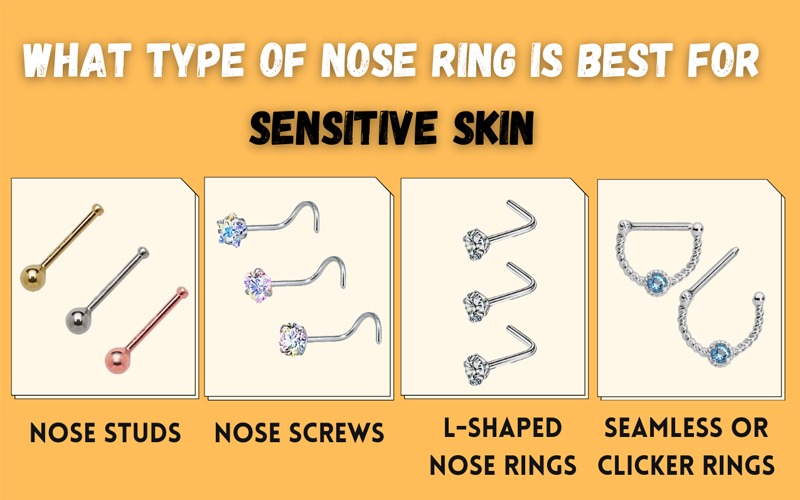
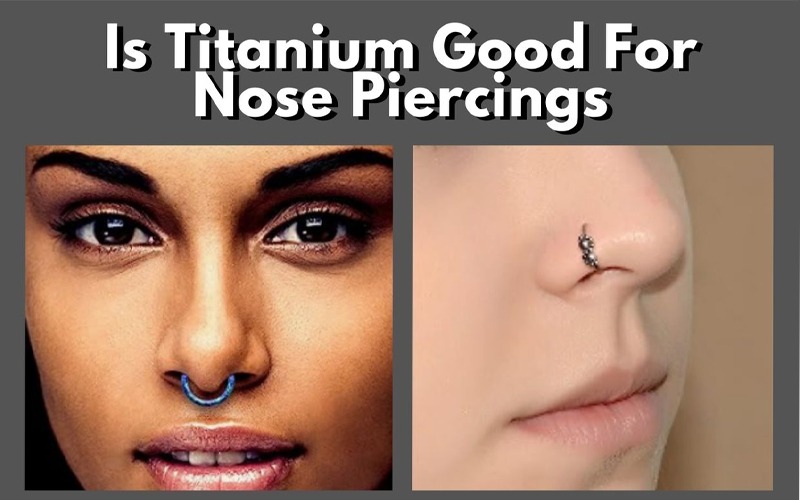
When the time comes to change your nose ring, selecting the right jewelry is paramount for both comfort and safety. Opt for hypoallergenic materials such as titanium or surgical steel, which are less likely to cause allergic reactions. These materials are designed for sensitive skin and can minimize the risk of irritation.
Moreover, it’s essential to ensure that the new jewelry is the appropriate gauge size for your piercing. Changing to a piece that is too small or too large can lead to complications such as tearing or stretching of the piercing. A professional piercer can assist you in determining the best gauge size for your new jewelry and can help you select styles that complement your personal aesthetic while ensuring safety.
What to Do if Your Nose Piercing is Not Healing Properly
If your nose piercing is not healing properly, it is vital to recognize the signs and take appropriate action. Common indicators of infection include persistent swelling, redness, or the appearance of pus. If you experience any of these symptoms, it is crucial to consult a professional piercer or a healthcare provider for guidance. Early intervention is key to preventing further complications.
Avoid changing jewelry too soon if you notice any signs of infection or irritation, as this can exacerbate the issue. Instead, focus on cleaning the area and allowing your body the time it needs to heal. In some cases, using a topical antibiotic ointment may be recommended, but always consult a professional before applying any substances to your piercing.
When to Consult a Professional
Consulting a professional is essential if you experience excessive discomfort or signs of infection. A licensed piercer or healthcare provider can offer valuable advice tailored to your specific situation. They can assess your healing progress and determine whether it is safe to change your jewelry or if further treatment is necessary.
Additionally, professional piercers can provide guidance on the best time to change your jewelry based on their experience and expertise. They can also recommend suitable jewelry options that will minimize the risk of complications and enhance the aesthetic appeal of your piercing.
In summary, expect to wait about 2 to 3 months before changing your nose ring, ensuring that it is fully healed to avoid complications. Monitoring the healing process, recognizing signs of readiness, and adhering to proper aftercare are essential steps in this journey. When you’re ready to make a change, selecting the right jewelry and consulting professionals can help ensure a smooth transition. Start your journey to a new look by ensuring your piercing is healthy and ready!
Frequently Asked Questions
How long should you wait before changing your nose ring after getting it pierced?
Typically, you should wait at least 2 to 3 months before changing your nose ring after getting it pierced. This waiting period allows sufficient time for the piercing to heal, which can vary based on individual healing rates and aftercare practices. Always consult with your piercer for personalized advice, as they can assess your healing progress.
What signs indicate that it’s safe to change your nose ring?
Signs that it’s safe to change your nose ring include minimal swelling, reduced redness, no discharge, and a lack of pain or sensitivity around the piercing site. If your piercing feels comfortable and healthy after the initial healing period, it is likely a good time to consider a change. However, if you notice any unusual symptoms, it’s best to consult a professional piercer or healthcare provider.
Why is it important not to change your nose ring too early?
Changing your nose ring too early can lead to complications such as irritation, infection, or scarring. During the healing process, your body forms a protective barrier around the piercing; prematurely removing or replacing the jewelry can disrupt this healing and increase the risk of adverse effects. Patience is key to ensuring a healthy and successful healing process.
What type of nose ring is best for initial piercings?
The best type of nose ring for initial piercings is typically made of hypoallergenic materials such as surgical stainless steel, titanium, or gold (14k or higher). These materials minimize the risk of allergic reactions and irritation during the healing process. It’s essential to select jewelry that is specifically designed for initial piercings to promote optimal healing.
Which aftercare practices should I follow to ensure my nose piercing heals properly before changing the ring?
To ensure your nose piercing heals properly, follow these aftercare practices: clean the area with saline solution or an approved piercing aftercare spray, avoid touching or twisting the jewelry, and refrain from swimming in pools or hot tubs during the healing period. Additionally, maintaining good hygiene and avoiding makeup near the piercing can help reduce the risk of infection and support a smooth healing process.
References
- https://www.healthline.com/health/piercing
- https://www.medicalnewstoday.com/articles/nose-piercing
- https://www.ncbi.nlm.nih.gov/pmc/articles/PMC6071255/
- https://www.hopkinsmedicine.org/health/conditions-and-diseases/nose-piercings-and-health-risks
- https://www.mayoclinic.org/healthy-lifestyle/adult-health/in-depth/piercings/art-20046098