While nose rings can leave some form of mark on the skin, the degree of scarring largely depends on various factors such as the individual’s skin type, healing process, and aftercare. Understanding how these elements interplay is crucial for anyone considering a nose piercing. This article delves into the potential for scarring from nose piercings, the factors influencing this risk, and effective strategies to ensure a smooth healing process.
Understanding Scarring from Nose Piercings

Scarring occurs when the skin heals after a piercing, leading to raised or discolored areas around the site. This is a natural response of the body as it works to repair itself. The primary type of scar that can form is a hypertrophic scar, which is raised but remains within the boundaries of the original wound. Some individuals may also develop keloids, which extend beyond the original area, particularly in those with predisposed skin conditions. Factors such as the technique used during the piercing, the depth of the needle, and the type of jewelry can significantly influence the likelihood and severity of scarring. A well-executed piercing by a professional reduces the chances of complications that could lead to noticeable scars.
Factors Influencing Scarring

Several individual characteristics play a crucial role in determining whether a person will develop scars from a nose piercing. One of the most significant factors is the individual’s skin type. Those with darker skin tones are often more prone to keloid formation, while others may experience hypertrophic scars. Additionally, the healing conditions surrounding the piercing can also influence scarring. For example, improper aftercare, such as neglecting to clean the area or exposing it to irritants, can lead to infections that exacerbate scarring. Furthermore, genetic factors and personal health history, including conditions like diabetes that affect healing, can dictate how the skin responds post-piercing.
Proper Aftercare Practices
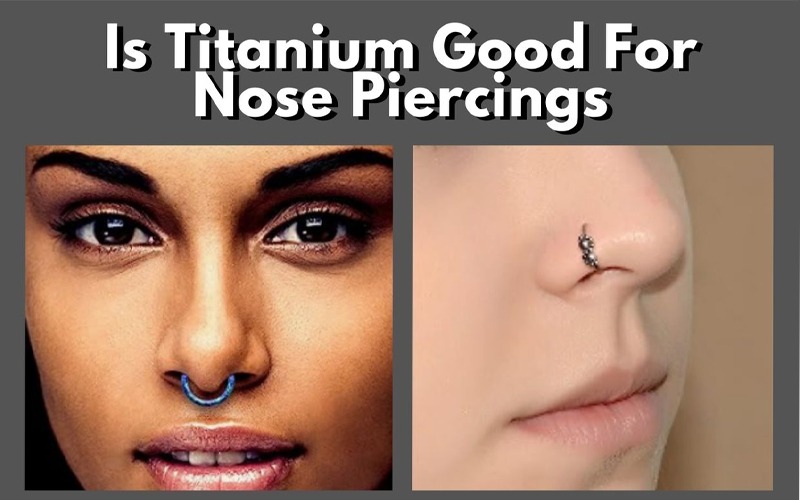
Effective aftercare is essential for minimizing scarring and ensuring a healthy healing process. First and foremost, it is important to clean the piercing regularly with a saline solution or a gentle antiseptic recommended by a professional piercer. This routine helps prevent infections, which can cause inflammation and contribute to scarring. Avoiding direct contact with the piercing, particularly with unwashed hands, is vital, as it reduces the risk of introducing bacteria. Additionally, refraining from changing the jewelry too soon is critical; typically, this means waiting a minimum of six to eight weeks before considering a change. Ensuring that the jewelry is made from non-irritating materials, such as titanium or surgical steel, can also aid in the healing process.
Signs of Scarring to Watch For
Monitoring the healing process is crucial for early detection of scarring. Changes in color or texture around the piercing site can indicate the onset of scarring. A normal healing process usually involves some redness and tenderness, but if these symptoms persist or worsen, it may signal a problem. Signs such as increased pain, swelling, or excessive redness warrant immediate consultation with a professional. Early intervention can mitigate the development of persistent scars. Furthermore, individuals should also be aware of any discharge from the piercing site, as this could indicate an infection that requires prompt treatment.
Minimizing the Risk of Scarring
To minimize the risk of scarring from a nose piercing, it is imperative to choose a professional piercer who employs sterile techniques. Researching the piercer’s qualifications and experience can make a significant difference in the outcome of the piercing. High-quality jewelry made from hypoallergenic materials can significantly reduce irritation and promote a smoother healing process. Additionally, it is wise to avoid changing the jewelry until the piercing is fully healed and to stay clear of excessive movement or twisting of the jewelry. Maintaining a healthy lifestyle, including proper hydration and nutrition, can also support skin health and improve the healing process.
Treatment Options for Scars
For those who experience scarring after a nose piercing, several treatment options exist to help reduce the appearance of scars. Over-the-counter creams containing ingredients such as silicone can be effective in flattening raised scars and improving their texture. Silicone sheets, in particular, are a popular choice for their ease of use and effectiveness. In more severe cases, individuals may consider laser therapy, which can resurface the skin and promote collagen production, thereby reducing the visibility of scars. Consulting with a dermatologist for personalized treatment options is advisable, especially for those with a history of problematic scarring.
When to Seek Professional Help
Recognizing when to seek professional help is crucial in managing the aftercare of a nose piercing. If you notice persistent discomfort, significant changes in the piercing area, or if you’re concerned about scarring, it’s essential to consult a healthcare provider. They can assess the situation accurately, provide guidance on appropriate treatments, or determine if an infection is present. Early intervention can prevent further complications and ensure that any scarring is managed effectively.
Taking care of a nose piercing is crucial to minimize the risk of scarring. By following proper aftercare and being aware of your skin’s healing process, you can enjoy your piercing without worrying about lasting marks. If you’re considering a nose ring or already have one, ensure you stay informed about how to care for it effectively. Understanding the nuances of scarring and healing can empower you to make informed decisions that enhance your piercing experience.
Frequently Asked Questions
Does getting a nose ring leave a scar?
Yes, getting a nose ring can potentially leave a scar, especially if the piercing is not properly cared for during the healing process. Scarring can occur due to infection, irritation, or if the jewelry is removed prematurely. It’s essential to follow aftercare guidelines and consult with a professional piercer to minimize scar formation.
How can I prevent scarring from my nose ring?
To prevent scarring from a nose ring, it’s crucial to maintain proper hygiene and follow aftercare instructions diligently. Keep the area clean with saline solution, avoid touching the piercing with dirty hands, and refrain from changing the jewelry too soon. If you notice any signs of infection, such as redness, swelling, or pus, consult a healthcare professional immediately.
Why do some people develop scars from nose piercings while others do not?
Scarring from nose piercings can vary based on individual skin types, the healing process, and how well a person takes care of the piercing. Factors such as genetics, skin sensitivity, and whether the piercing was done by a professional can also play a significant role. People with keloid-prone skin may be more susceptible to scarring than those with normal skin.
What should I do if I notice a scar after removing my nose ring?
If you notice a scar after removing your nose ring, consider consulting a dermatologist for treatment options. They may recommend topical treatments like silicone gel or steroid creams to help reduce the appearance of the scar. In some cases, professional treatments like laser therapy or microdermabrasion might be suggested for more significant scarring.
Which type of nose jewelry is best to avoid scarring?
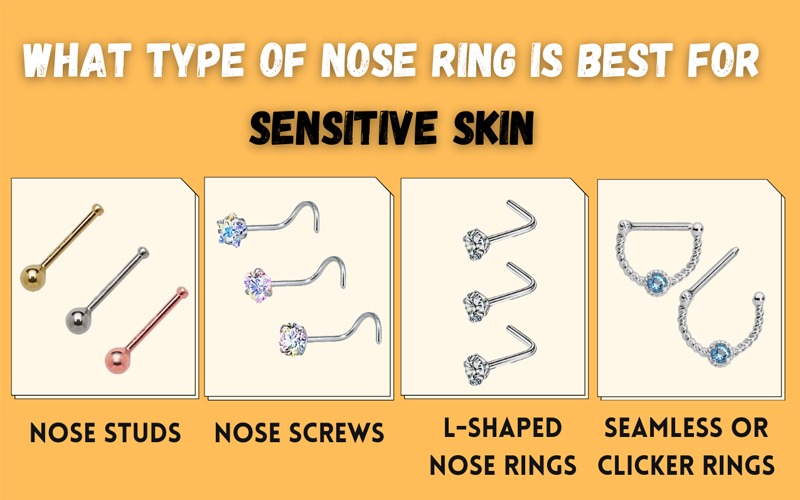
To minimize the risk of scarring from a nose piercing, opt for high-quality, hypoallergenic materials such as titanium, surgical stainless steel, or gold that are less likely to cause irritation. Additionally, choose jewelry with a smooth finish and avoid heavy or large pieces that could cause trauma to the piercing site. Always consult with a professional piercer to ensure you’re making the best choice for your skin type and lifestyle.
References
- https://en.wikipedia.org/wiki/Piercing
- https://www.ncbi.nlm.nih.gov/pmc/articles/PMC5335683/
- https://www.healthline.com/health/nose-piercing-scar
- https://www.webmd.com/beauty/what-to-know-about-nose-piercings
- https://www.dermnetnz.org/topics/piercing-scar
- Car seat safety: Avoid 9 common mistakes – Mayo Clinic