Getting a nose ring typically involves some level of discomfort, but the pain is often described as manageable and temporary. Most people report that the initial pinch is quick, lasting only a few seconds, and any lingering pain is usually mild. In this article, we will explore the pain associated with nose piercings, including factors that influence the level of discomfort and tips for minimizing pain. Understanding the nuances of pain perception in nose piercings can help you prepare for the experience and make informed decisions.
Factors Influencing Pain Level

Individual pain tolerance varies significantly from person to person, making it difficult to predict the exact level of discomfort one might feel during a nose piercing. Factors such as stress, anxiety, and even mood can all impact one’s pain perception. For instance, someone who is anxious about the procedure may experience heightened sensitivity to pain compared to someone who approaches the experience with calm and confidence.
Additionally, the specific location of the piercing can impact the sensation. Nostril piercings, which are more common, tend to be less painful because they pass through the softer tissue of the nostril. In contrast, septum piercings, which go through the cartilage in the middle of the nose, can be more painful due to the density and sensitivity of the cartilage. Understanding these factors can help individuals gauge what to expect and prepare mentally for the procedure.
Types of Nose Piercings
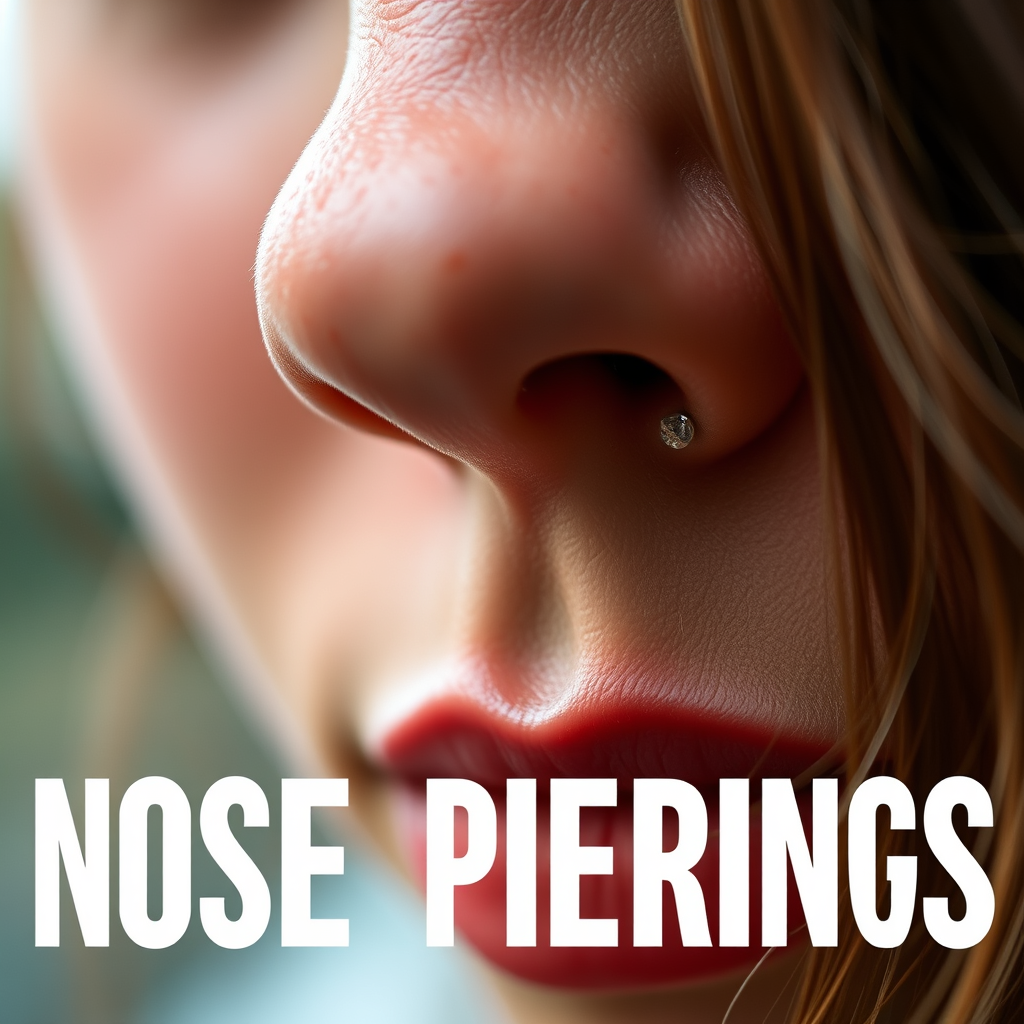
Nostril piercings are the most common type of nose piercing and are generally perceived as less painful. The procedure typically involves a single quick puncture through the soft tissue of the nostril, which many describe as a sharp but brief sensation. Many individuals choose this option for its versatility and the wide variety of jewelry available, ranging from simple studs to decorative hoops.
On the other hand, septum piercings can evoke a more intense pain experience. This is primarily due to the sensitive cartilage that is pierced, which can cause a more pronounced, lingering discomfort. Some individuals report a sensation akin to pressure or a dull ache following the piercing, which can last longer than the initial pain. It is crucial for those considering a septum piercing to be aware of this potential discomfort and to weigh their options accordingly.
Pain Comparison with Other Piercings
When comparing the pain levels associated with nose piercings to other types of piercings, it is often noted that nose piercings are generally less painful than cartilage piercings in the ear. For example, ear cartilage piercings can elicit a sharp pain during the procedure and may result in soreness afterward, similar to the experience of a septum piercing.
Body piercings, such as belly button or eyebrow piercings, can also vary in pain levels but are often cited as more intense than nose piercings. The pain associated with these piercings can be influenced by the thickness of the tissue being pierced and the specific technique used by the piercer. Ultimately, each individual’s pain threshold will play a significant role in their experience, but it is beneficial to understand these comparisons for context.
Aftercare and Pain Management
Proper aftercare can play a crucial role in reducing pain and preventing infection after getting a nose ring. It is essential to follow the aftercare instructions provided by your professional piercer, as these guidelines are designed to promote healing and minimize discomfort. One effective method of aftercare is the use of a saline solution to cleanse the piercing. This gentle approach helps to keep the area clean and can alleviate any irritation or soreness.Additionally, it is advisable to avoid applying makeup or skincare products near the piercing site until it has fully healed. These products can introduce bacteria and potentially lead to infection, complicating the healing process and increasing discomfort. Keeping hair away from the face can also help prevent unnecessary irritation during the healing period. By adhering to these aftercare practices, individuals can enhance their comfort and promote a smooth healing journey.
Common Misconceptions About Nose Piercing Pain
There are several misconceptions regarding the pain associated with nose piercings. One prevalent belief is that all piercings are equally painful, which is not the case. Pain experiences can differ widely based on the individual’s physiological and psychological factors, as well as the specific type of piercing chosen. While some may find a nostril piercing to be a minor inconvenience, others may perceive it as more painful depending on their pain tolerance.
Another common myth is that a larger gauge (thicker) ring equals more pain. In reality, the pain experienced during the piercing is more closely related to the technique and skill of the piercer than the size of the jewelry. A skilled piercer can create a less painful experience, even when using larger gauge jewelry. Understanding these misconceptions can help individuals manage their expectations and approach the piercing process with greater confidence.
Personal Experiences and Testimonials
Personal experiences and testimonials from individuals who have undergone nose piercings can provide valuable insights into the pain factor. Many people report a range of sensations, from a quick pinch to mild discomfort that subsides rapidly. For instance, one individual described their nostril piercing as “a quick sting followed by a slight pressure,” emphasizing that the initial pain was fleeting and followed by minimal soreness.
Conversely, some individuals who opted for septum piercings shared that the experience was more intense, likening the sensation to “a solid pinch” that lingered for a few moments. However, these accounts vary widely, and it is important to recognize that pain perception is subjective. By compiling diverse testimonials, individuals can gain a fuller understanding of what to expect, which can help to ease anxiety and prepare them for the experience.
When to Seek Professional Help
It is crucial to know when to consult a professional if pain persists or worsens after getting a nose ring. While some discomfort is normal during the healing process, signs of infection or abnormal swelling should not be ignored. Symptoms such as increased redness, warmth, or discharge that has an unpleasant odor are indicators that professional medical advice is necessary. Additionally, if the piercing shows signs of rejection or if the pain escalates beyond the typical discomfort, seeking the guidance of a qualified professional is essential for ensuring proper treatment.
Early intervention can prevent further complications and facilitate a smoother healing process. It is always better to err on the side of caution, especially in cases that may involve infection or other adverse reactions.
Summarizing the pain associated with nose rings, most people find it to be a tolerable experience, especially with proper care and understanding of what to expect. If you’re considering getting a nose ring, weigh your options and prepare adequately to ensure a smooth and less painful experience. By gathering information and embracing a proactive approach to aftercare, you can enhance your comfort and satisfaction with your new piercing. For further insights or to share your own experience, consider reaching out to piercing professionals or online communities.
Frequently Asked Questions
How much does a nose ring hurt during the piercing process?
The pain level associated with getting a nose ring varies from person to person, but most individuals report it feeling like a quick pinch or sting. The piercing itself typically lasts only a few seconds, and while some may experience discomfort, it is generally considered manageable. Factors such as your pain tolerance and the skill of the piercer can also influence the overall sensation.
How long does the pain last after getting a nose ring?
After the initial piercing pain, you may experience tenderness and slight discomfort for a few days. Most people find that any lingering pain subsides within 48 hours, transitioning into mild soreness as the area begins to heal. Proper aftercare can significantly reduce discomfort and promote healing, making the overall experience more pleasant.
Why does getting a nose ring hurt more for some people?
The level of pain experienced during a nose ring piercing can be influenced by several factors, including individual pain tolerance, anxiety levels, and the specific anatomy of the nose. For instance, if a person has a thicker septum or more sensitive skin, they may feel more discomfort. Additionally, nervousness can amplify pain perception, making it feel more intense than it actually is.
What is the best way to minimize pain when getting a nose ring?
To minimize pain during a nose ring piercing, consider choosing a professional piercer with a good reputation who uses a needle rather than a gun, as this method tends to be less traumatic. You can also apply a topical numbing cream beforehand, although it may not completely eliminate sensation. Relaxation techniques, such as deep breathing, can help ease anxiety and make the process feel more manageable.
Which type of nose ring is the least painful for initial piercings?
For initial piercings, a stud-style nose ring is generally considered the least painful option. This type of jewelry is typically easier to insert and causes less friction during the healing process. Additionally, materials like titanium or surgical steel are recommended for their biocompatibility, reducing the risk of irritation and discomfort during healing.
References
- Nose piercing
- https://www.webmd.com/beauty/piercing-nose#1
- https://www.healthline.com/health/nose-piercing-pain
- https://www.mayoclinic.org/healthy-lifestyle/adult-health/in-depth/piercings/art-20046088
- https://www.medicalnewstoday.com/articles/nose-piercing-pain