To effectively cure a nose ring infection, it’s essential to clean the area thoroughly, avoid irritating substances, and apply appropriate remedies. This article will guide you through the best practices for treating a nose ring infection, including tips for prevention and aftercare, ensuring your piercing heals properly and reduces the risk of future issues.
Understanding Nose Ring Infections

Nose ring infections can occur due to a variety of factors, including bacterial contamination, poor hygiene practices, or an allergic reaction to the metal of the jewelry. When a nose piercing becomes infected, the body responds with inflammation, leading to symptoms such as redness, swelling, and sometimes pus-like discharge around the piercing site. These signs indicate that the body is trying to fight off an infection, and addressing the issue promptly is critical for healing.
Many individuals may not recognize the early signs of infection, which can lead to more severe problems if left untreated. Understanding how infections occur and recognizing the symptoms can help you take immediate action to alleviate the situation.
Immediate Steps to Take

If you suspect that your nose ring is infected, take immediate action to minimize damage and promote healing. First and foremost, assess the severity of the situation. If the infection is severe, or if you experience significant pain, it may be advisable to remove the nose ring. Removing the jewelry can prevent further irritation and allow for easier cleaning of the area.
Once the jewelry is removed, clean the area gently with a saline solution or a mild soap. Saline solutions can be made by mixing 1/4 teaspoon of non-iodized sea salt with 8 ounces of distilled water. This mixture helps to reduce bacteria and cleanse the area without causing additional irritation. Additionally, avoid using alcohol or hydrogen peroxide, as these can be too harsh and can exacerbate the infection.
Home Remedies for Treatment
Incorporating home remedies can be an effective way to alleviate symptoms and promote healing. One of the most recommended treatments is the application of a warm compress. Soaking a clean cloth in warm water and applying it to the infected area for 10-15 minutes can help reduce pain and encourage blood flow, which is essential for healing.
Natural antiseptics such as tea tree oil or aloe vera are also beneficial. Tea tree oil has potent antibacterial and anti-inflammatory properties that can help combat infection. Dilute a few drops in a carrier oil, such as coconut oil, and gently apply it to the affected area. Aloe vera is well-known for its soothing properties and can provide relief from irritation while promoting skin healing. Apply pure aloe vera gel directly to the piercing for best results.
When to Seek Professional Help
While many nose ring infections can be treated at home, it is essential to know when to seek professional help. If you experience severe symptoms, such as a high fever, extreme pain, or if the infection does not improve within a few days, consult a healthcare professional. A dermatologist or a qualified piercer who specializes in body piercings can provide expert advice and treatment options.
In some cases, an oral antibiotic may be necessary to eliminate the infection. Additionally, if you notice any systemic symptoms, such as chills or fatigue, it could indicate that the infection is spreading, warranting immediate medical attention.
Prevention Tips for Future Piercings
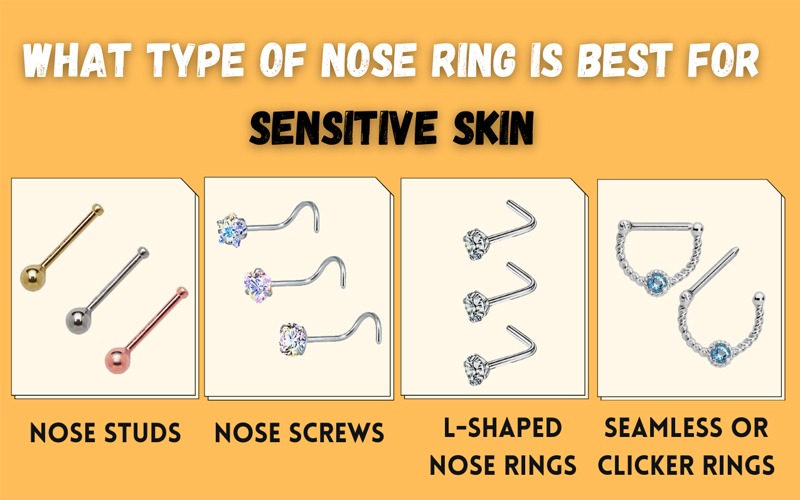
Preventing nose ring infections starts with choosing a professional and sterile environment for your piercing. Ensure that the piercer follows strict hygiene protocols, including using sterile equipment and gloves. Inquire about the type of jewelry being used; hypoallergenic materials, such as titanium or surgical steel, are less likely to cause allergic reactions.
Aftercare is crucial in minimizing the risk of infection. Follow the aftercare instructions provided by your piercer diligently. This typically includes cleaning the area twice a day with a saline solution and avoiding touching the piercing with unwashed hands. Refrain from swimming in pools or hot tubs during the healing process, as bacteria in these environments can pose a risk.
Aftercare for Healing
Maintaining cleanliness is paramount to ensure proper healing of your nose ring. Gently clean the area daily with saline solution or a mild soap, and be sure to rinse thoroughly with clean water to remove any residue. It’s important to avoid using harsh products that may irritate the skin, such as alcohol-based solutions or strong fragrances.
Additionally, be cautious not to touch or twist the piercing with dirty hands. This can introduce bacteria into the area, increasing the risk of infection. If you find yourself needing to adjust the jewelry for comfort, ensure that your hands are thoroughly washed beforehand.
In summary, understanding how to cure a nose ring infection involves keeping the area clean, applying suitable home remedies, and recognizing when to seek professional assistance. By taking preventive measures and adhering to aftercare guidelines, you can ensure that your piercing heals correctly and reduces the likelihood of future infections. If you found this information helpful, consider sharing it with others or consulting a professional for personalized advice. Taking proactive steps in your aftercare will significantly enhance your overall piercing experience.
Frequently Asked Questions
What are the signs of a nose ring infection?
Signs of a nose ring infection may include redness, swelling, warmth around the piercing site, pain or tenderness, and the presence of pus or discharge. You might also notice an increase in sensitivity and a change in the jewelry’s fit. If you experience any of these symptoms, it’s essential to address the issue promptly to prevent further complications.
How can I effectively treat a nose ring infection at home?
To treat a nose ring infection at home, start by cleaning the area gently with saline solution or a mild saltwater mixture. Avoid removing the nose ring, as this can trap bacteria inside the piercing. Applying a topical antibiotic ointment, such as Neosporin, can also help; however, consult a healthcare professional if symptoms persist or worsen.
Why does a nose ring become infected, and how can I prevent it?
A nose ring can become infected due to improper aftercare, touching the piercing with dirty hands, using non-sterile jewelry, or exposing it to irritants like makeup or hair products. To prevent infection, ensure you follow proper aftercare instructions, keep the area clean, avoid unnecessary handling, and choose high-quality materials for your jewelry, like titanium or surgical stainless steel.
What should I do if my nose ring infection doesn’t improve?
If your nose ring infection doesn’t improve after a few days of home treatment, or if you experience increased pain, fever, or spreading redness, it’s crucial to seek medical attention. A healthcare professional may prescribe antibiotics or provide additional treatment options to help resolve the infection safely and effectively.
Which home remedies are effective for a nose ring infection?
Effective home remedies for a nose ring infection include warm saline compresses, which can help reduce swelling and promote drainage, and applying tea tree oil diluted with a carrier oil for its antibacterial properties. Additionally, chamomile tea bags can be used as compresses due to their soothing effects. However, always consult a healthcare provider before trying new remedies to ensure they are safe for you.
References
- https://www.ncbi.nlm.nih.gov/pmc/articles/PMC5508449/
- https://www.healthline.com/health/nose-piercing-infection
- https://www.aafp.org/pubs/afp/issues/2015/0715/p95.html
- Nighttime panic attacks: What causes them? – Mayo Clinic
- https://www.webmd.com/skin-problems-and-treatments/piercings-and-infections
- https://www.cdc.gov/niosh/topics/healthcare/skin-infections.html