Cleaning an infected nose ring requires careful attention to avoid further irritation and promote healing. The best approach involves using saline solution, maintaining hygiene, and seeking professional help if necessary. In this article, you’ll learn effective methods to clean your nose ring while ensuring your piercing recovers properly.
Understanding Nose Ring Infections
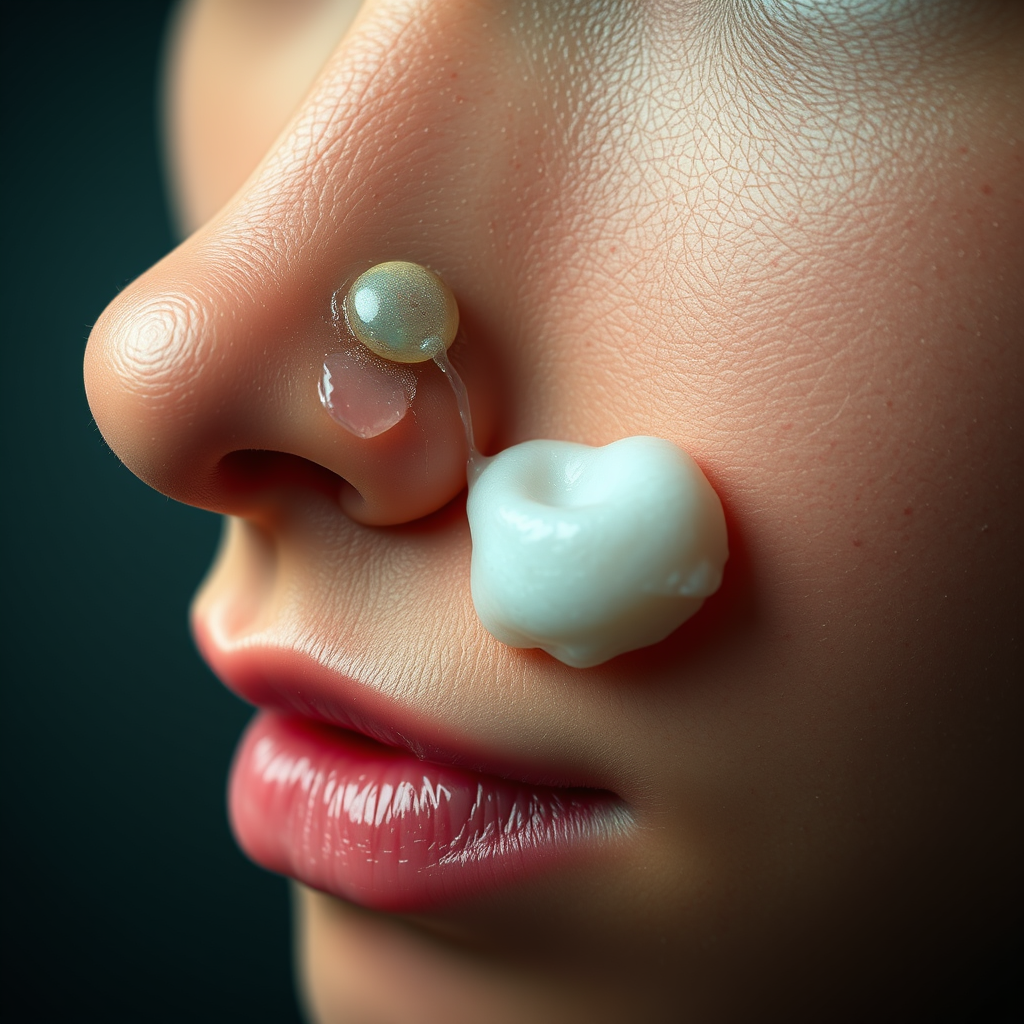
An infected nose ring can be distressing, and recognizing the signs early is essential for effective treatment. Symptoms of an infection include redness around the piercing site, noticeable swelling, and a discharge that may vary in color and consistency. Infections can occur for several reasons, including improper cleaning techniques, irritation caused by poor-quality jewelry, or even the simple act of touching the area with unwashed hands. The delicate skin surrounding a nose ring is prone to irritation; thus, understanding these signs can help you take prompt action to mitigate the infection before it worsens.
Essential Cleaning Supplies
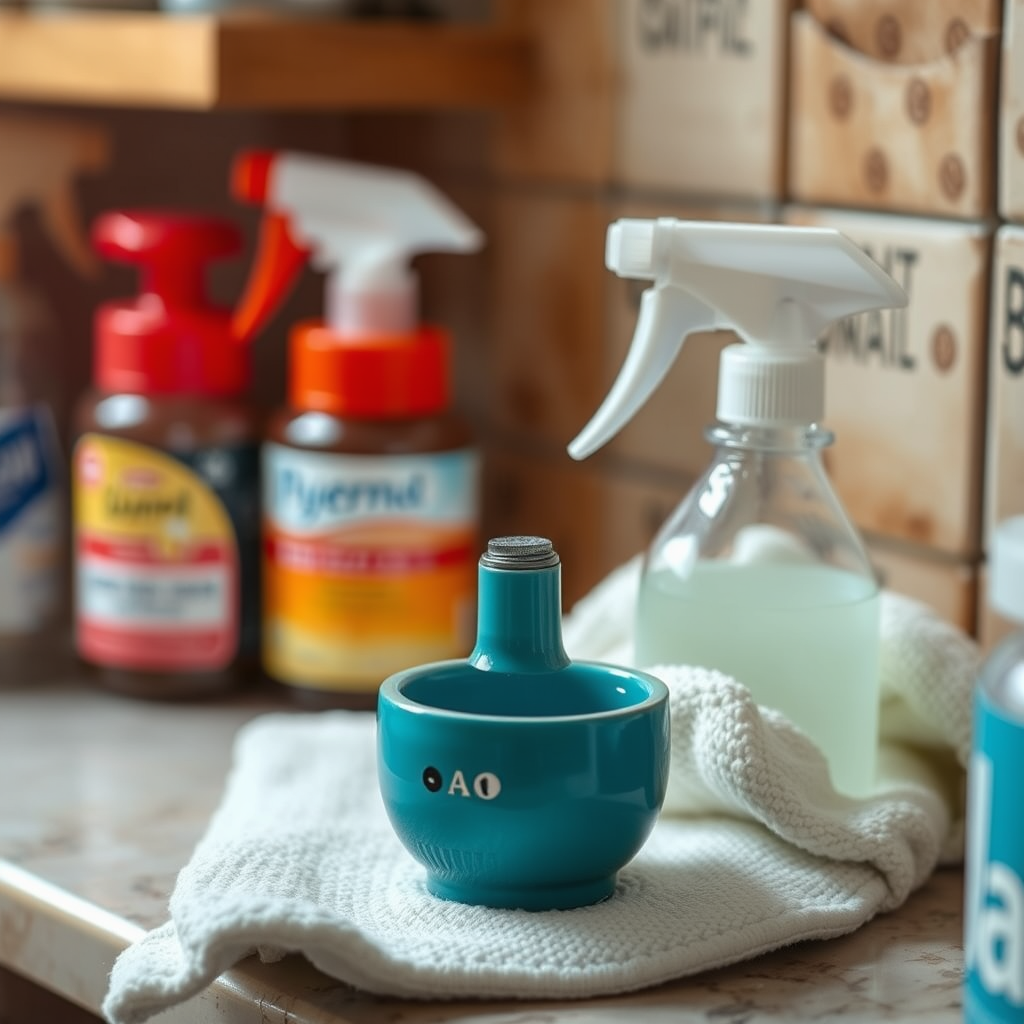
To effectively clean an infected nose ring, gathering the appropriate supplies is critical. A saline solution is commonly recommended for its gentle antiseptic properties, making it ideal for cleaning wounds and piercings. You can either purchase a pre-made saline wound wash from a pharmacy or create a homemade solution by dissolving 1/4 teaspoon of non-iodized sea salt in 8 ounces of distilled water. Additionally, cotton swabs or gauze pads are essential for applying the saline solution, as they allow you to clean the area without introducing additional bacteria. Always ensure that any materials used are sterile to prevent further complications.
Step-by-Step Cleaning Process
The cleaning process begins with proper hand hygiene. Wash your hands thoroughly with soap and water for at least 20 seconds to reduce the risk of introducing bacteria into the piercing. Once your hands are clean, take a cotton swab and dip it into the saline solution. Gently clean around the nose ring, ensuring that you do not apply excessive pressure that could aggravate the infection or push bacteria deeper into the skin. It’s beneficial to clean the area twice a day, ideally in the morning and before bed. After cleaning, avoid touching the area with your hands or any non-sterile items, as this can introduce new bacteria and hinder the healing process.
Tips for Preventing Further Infection
Prevention is key when dealing with an infected nose ring. One of the most important tips is to avoid changing the jewelry until the infection has fully healed. Introducing new jewelry can irritate the piercing and may lead to further complications. Additionally, keep the area clean by washing your face regularly and avoiding touching the piercing unnecessarily. If you wear makeup, be cautious not to apply products directly on or near the nose ring. Furthermore, consider avoiding environments that may expose your piercing to dirt and bacteria, such as swimming pools or hot tubs, until the infection has resolved.
When to Seek Professional Help
If you notice that the infection is worsening or not showing signs of improvement within a few days of initiating care, it is crucial to consult a healthcare professional. Signs that require immediate attention include the development of fever, spreading redness beyond the initial site, or experiencing severe pain that disrupts daily activities. A healthcare provider can assess the situation and may prescribe antibiotics or recommend additional treatments to ensure the infection is managed effectively. Ignoring these symptoms can lead to more severe complications, including abscess formation or systemic infections.
Aftercare for Healing Piercings
Once the infection begins to resolve, maintaining a diligent aftercare routine is essential for proper healing. Continue to clean the area daily with saline solution until it is fully healed, which can take several weeks. After cleaning, consider applying a fragrance-free moisturizer to keep the skin hydrated; this can reduce irritation and promote healing. Avoid any harsh cleansing agents or alcohol-based products, as these can dry out the skin and prolong the healing process. Additionally, be mindful of any activities that could irritate the piercing, such as excessive facial movements or wearing tight clothing that may rub against the area.
Alternative Remedies and Treatments
While saline solution is the most commonly recommended treatment for an infected nose ring, some individuals explore alternative remedies. Tea tree oil, known for its antimicrobial properties, is often suggested; however, it is crucial to perform a patch test before use, as some people may have allergic reactions. Diluting tea tree oil with a carrier oil, such as coconut or olive oil, can reduce the risk of irritation. It’s imperative to discuss any alternative treatments with your healthcare provider to ensure they are safe and appropriate for your specific situation, particularly if you have sensitive skin or a history of allergies.
To ensure your nose ring heals correctly and to prevent complications, consistently follow the cleaning and care guidelines outlined above. If you experience persistent issues, don’t hesitate to reach out to a professional for assistance. Prioritizing your health and safety is paramount as you navigate your nose piercing care. Remember, a well-cared-for piercing can not only enhance your appearance but also contribute to your overall well-being.
Frequently Asked Questions
What are the signs that my nose ring is infected?
Common signs of an infected nose ring include redness, swelling, warmth around the piercing site, pus or other discharge, and increased pain or tenderness. You may also notice a foul odor emanating from the piercing. If you experience any of these symptoms, it’s essential to take action promptly to prevent the infection from worsening.
How should I clean an infected nose ring?
To clean an infected nose ring, start by washing your hands thoroughly. Use a saline solution or a mixture of sea salt and warm water to gently cleanse the area around the piercing. Soak a clean cotton ball or gauze pad in the solution, then apply it to the infected site for about 5-10 minutes. Avoid using alcohol or hydrogen peroxide, as these can irritate the skin and delay healing.
Why does my nose ring keep getting infected?
Infections can occur due to several factors, including improper aftercare, using non-sterile jewelry, or touching the piercing with unwashed hands. Additionally, wearing makeup or skincare products near the piercing can introduce bacteria. Maintaining good hygiene and avoiding irritants is crucial for preventing infections.
What is the best jewelry material for avoiding nose ring infections?
The best jewelry materials for preventing nose ring infections are surgical-grade stainless steel, titanium, and 14k or 18k gold. These materials are hypoallergenic and less likely to cause irritation or allergic reactions. It’s advisable to avoid nickel and other alloys that can trigger sensitivities and lead to infections.
Which aftercare products are effective for treating an infected nose ring?
Effective aftercare products for treating an infected nose ring include saline solution, witch hazel, and tea tree oil diluted with a carrier oil. Saline helps reduce inflammation, witch hazel has antibacterial properties, and tea tree oil is known for its antiseptic qualities. Always consult a healthcare provider before using new products, especially on an infected site.
References
- https://www.ncbi.nlm.nih.gov/pmc/articles/PMC6313442/
- https://www.healthline.com/health/nose-piercing-infection
- https://www.mayoclinic.org/diseases-conditions/piercing-infection/symptoms-causes/syc-20302881
- https://www.webmd.com/skin-problems-and-treatments/what-to-know-about-piercing-infections
- https://www.cdc.gov/infectioncontrol/guidelines/disinfection/index.html
- https://www.verywellhealth.com/how-to-clean-an-infected-piercing-5080730