If you have a nose ring infection, the first step is to clean the area with a saline solution and avoid removing the jewelry to prevent further irritation. Infections can occur due to various factors, and prompt action is crucial for effective treatment. In this article, you will learn practical tips for treating the infection, recognizing symptoms, and preventing future issues, ensuring your nose piercing remains healthy and complication-free.
Understanding Nose Ring Infections

Nose ring infections can arise from several common causes, primarily involving bacteria, poor hygiene practices, or allergic reactions to the metal in the jewelry. When a nose piercing is not properly cared for, bacteria can enter the wound, leading to an infection. Additionally, if the jewelry is made from materials that irritate the skin, such as nickel, it can trigger allergic reactions, exacerbating the infection.
Symptoms of a nose ring infection can vary but typically include noticeable redness around the piercing, swelling of the surrounding tissue, pain or tenderness when touched, and discharge that may be clear, yellow, or greenish. In some cases, the area may feel warm to the touch, and you might experience itching or a burning sensation. Recognizing these symptoms early on is essential for prompt treatment and recovery.
Initial Treatment Steps
When dealing with a nose ring infection, the first line of defense is to clean the infected area thoroughly. A saline solution, which can be easily made by mixing one teaspoon of salt in a cup of warm distilled water, is effective for this purpose. Using a clean cotton ball or gauze pad, gently dab the solution onto the infected area, allowing it to sit for a few moments before rinsing with cool water. This process helps to flush out any bacteria and debris that may be contributing to the infection.
It’s crucial to avoid touching or twisting the nose ring during this initial treatment phase. Manipulating the jewelry can further irritate the piercing and potentially push bacteria deeper into the skin. Instead, focus on keeping the area as still as possible while it heals. You may also want to avoid swimming in pools or hot tubs until the infection has completely resolved, as these environments can introduce more bacteria into the wound.
When to Seek Professional Help
While many nose ring infections can be managed at home, certain signs indicate that medical attention may be necessary. If you notice excessive swelling, particularly if it causes the piercing to become misshapen, or if you develop a fever, it is crucial to consult a healthcare professional. These symptoms could signify a more severe infection that may require medical intervention.
In some cases, a doctor may prescribe antibiotics to combat the infection or recommend drainage if there is an abscess. It’s essential not to ignore worsening symptoms, as untreated infections can lead to more significant health issues, including scarring or, in rare cases, systemic infections.
Home Remedies for Relief
In addition to the saline solution, several home remedies can provide relief and promote healing during a nose ring infection. One effective method is to apply warm compresses to the affected area. Soak a clean cloth in warm water, wring it out, and gently press it against the piercing for 10-15 minutes, several times a day. This practice can help reduce swelling and encourage blood flow to the area, which aids the healing process.
Furthermore, over-the-counter topical antibiotics, such as Neosporin, can be applied sparingly to the infected site after cleaning. These medications can help prevent the infection from worsening by creating a barrier against bacteria and facilitating faster healing. Always follow the package instructions and consult a healthcare professional if unsure about using such products.
Proper Aftercare Practices
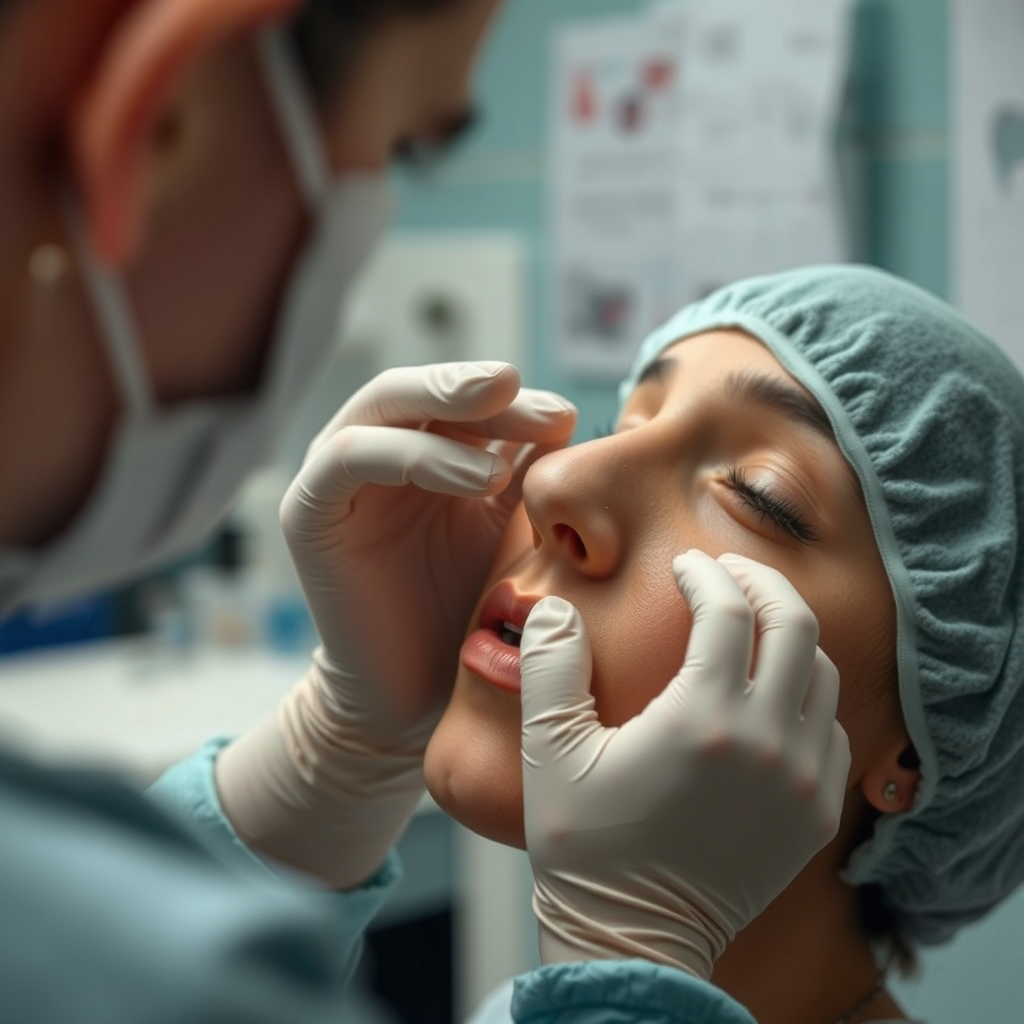
Proper aftercare is essential to ensure that a nose piercing heals correctly and to minimize the risk of future infections. Maintaining good hygiene is vital; clean the area around the piercing with saline solution at least once or twice daily. Additionally, be cautious about the products you apply to your face. Avoid heavy makeup or skin care products near the piercing until it has healed completely, as these can irritate the area and trap bacteria.
It’s also advisable to avoid changing the jewelry until the infection has fully resolved. If the jewelry must be changed for any reason, consult a professional piercer who can assist you safely while minimizing further irritation.
Preventing Future Infections
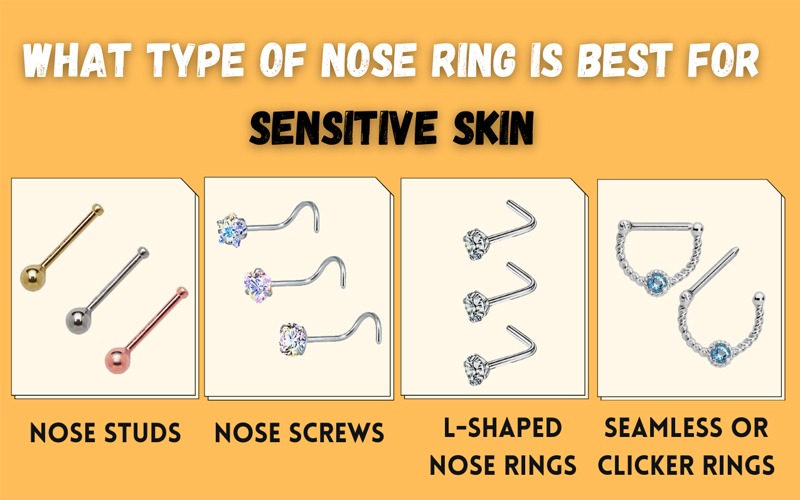
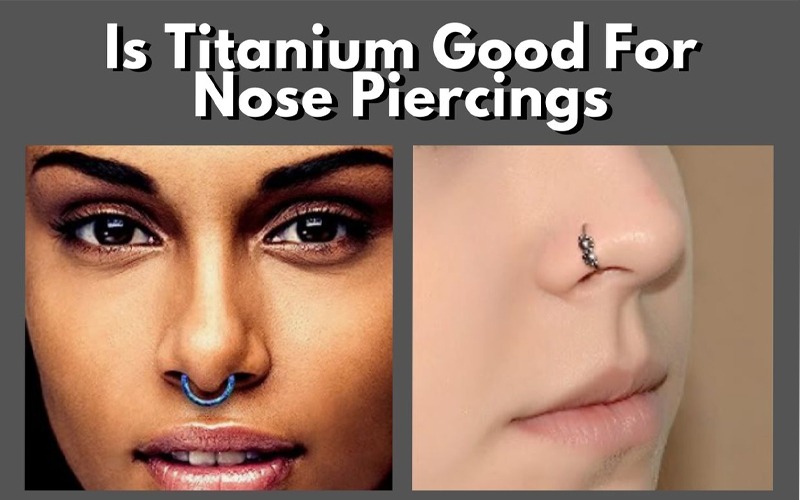
Preventing future nose ring infections begins with the choice of jewelry. Opt for high-quality materials, such as surgical stainless steel or titanium, which are less likely to cause allergic reactions and are more resistant to corrosion. Additionally, make sure the jewelry is properly sized and fitted to minimize movement and irritation.
Following proper aftercare practices during the healing process is equally important. This includes avoiding touching the piercing with dirty hands, regularly cleaning the area, and steering clear of potentially harmful environments like swimming pools or saunas during the initial healing phase. Educate yourself on how to care for your piercing, and consider consulting with a professional piercer for personalized advice tailored to your specific needs.
Nose ring infections can be uncomfortable, but with timely care and proper hygiene, they can be effectively treated. Key steps include cleaning the area with saline, recognizing when to seek help, and adhering to aftercare practices. Remember, if symptoms persist or worsen, don’t hesitate to consult a healthcare professional. Always prioritize cleanliness and aftercare to prevent future infections, ensuring that your nose piercing remains a source of personal expression and style without complications.
Frequently Asked Questions
What are the signs of a nose ring infection?
Signs of a nose ring infection typically include redness, swelling, increased warmth around the piercing, pus or discharge, and tenderness at the site. You may also experience pain or a throbbing sensation. If you notice any of these symptoms, it’s crucial to assess the situation early to avoid complications.
How can I treat a nose ring infection at home?
To treat a nose ring infection at home, start by cleaning the area gently with saline solution or a mixture of warm water and mild soap. Avoid removing the jewelry, as this can cause the hole to close and trap the infection. Applying a warm compress for about 10-15 minutes can help reduce swelling and pain, while over-the-counter pain relievers may alleviate discomfort.
Why did my nose ring get infected in the first place?
Nose ring infections can occur due to several reasons, including improper aftercare, wearing non-hypoallergenic jewelry, or touching the piercing with dirty hands. Additionally, if the piercing was done in unsanitary conditions or if the jewelry is too tight, it can lead to irritation and infection. Understanding these factors can help you prevent future infections.
What is the best way to prevent a nose ring infection?
The best way to prevent a nose ring infection is to maintain proper hygiene by cleaning the piercing regularly with saline solution or a mild antiseptic. Avoid touching the piercing without washing your hands first, and choose high-quality jewelry made from materials like titanium or surgical steel. Also, follow professional aftercare instructions and avoid changing the jewelry too soon.
When should I see a doctor for a nose ring infection?
You should see a doctor for a nose ring infection if symptoms worsen or do not improve after a few days of home treatment, or if you experience fever, severe pain, or swelling that spreads. A healthcare professional can provide appropriate treatment, such as prescription antibiotics, and ensure that there are no underlying issues causing the infection.
References
- https://www.ncbi.nlm.nih.gov/pmc/articles/PMC6587630/
- https://www.healthline.com/health/nose-piercing-infection
- https://www.mayoclinic.org/diseases-conditions/piercing-infections/symptoms-causes/syc-20367997
- https://www.cdc.gov/infectionsafety/guidelines/healthcare-personnel/infection-control.html
- https://www.aaaai.org/conditions-and-treatments/nose-piercings-infections
- https://www.verywellhealth.com/what-to-do-if-your-nose-piercing-is-infected-5196713