If your nose ring is infected, you may notice signs such as increased redness, swelling, or discharge around the piercing. Recognizing these symptoms early is crucial to prevent further complications, including the potential for chronic infections and scarring. In this article, we will explore the key indicators of an infection, treatment options, and how to care for your nose piercing effectively to ensure it remains healthy and beautiful.
Common Symptoms of Nose Ring Infections
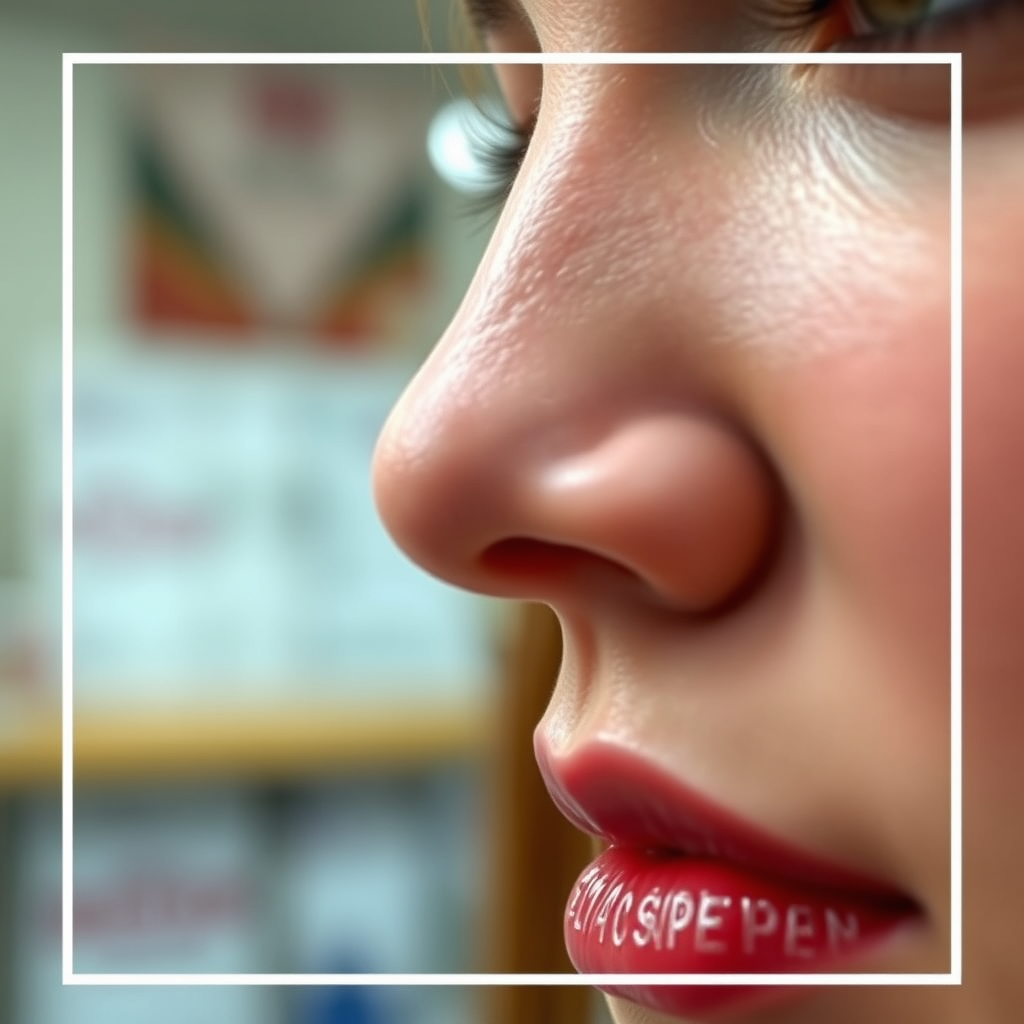
– Redness and Swelling: One of the first signs of an infection is persistent redness and swelling around the piercing site. While some redness and swelling can be expected shortly after getting a nose piercing, these symptoms should gradually subside. If you notice that the area remains consistently red or swollen after a few days, or if these symptoms worsen, it is likely a sign of infection. The body’s inflammatory response can cause blood vessels to dilate, leading to increased blood flow to the area, which often manifests as redness and swelling.
– Pain or Tenderness: Increased pain or tenderness, especially when touching the area, can also signal an infection. A healthy nose piercing may feel slightly sensitive, but if you experience sharp, throbbing pain or discomfort that intensifies, it may indicate that an infection is developing. Pain is your body’s way of alerting you to potential problems, and it should not be ignored.
Discharge and Odor
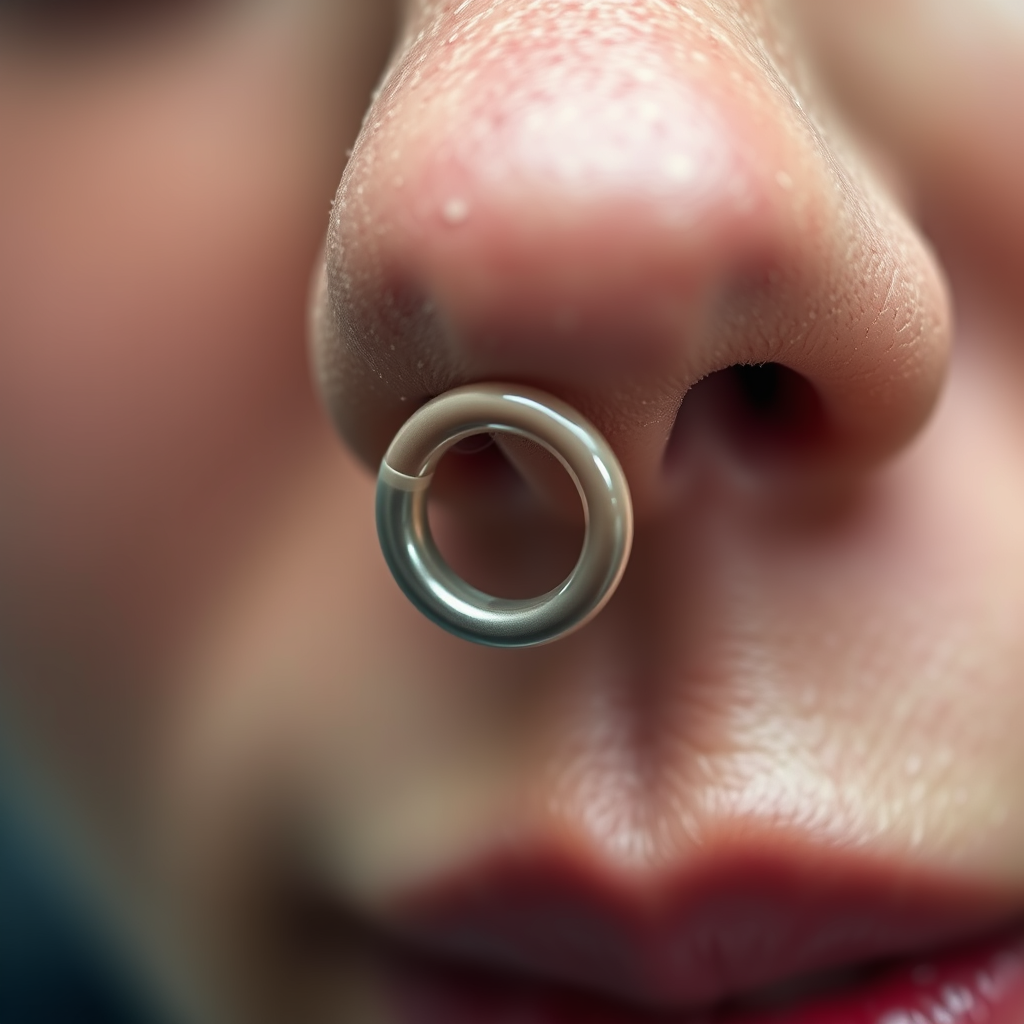
– Pus or Discharge: The presence of yellow or green discharge is a strong indicator of infection. If the discharge is accompanied by a foul smell, it can confirm that bacteria are present. While a small amount of clear or whitish discharge can be normal during the healing process, any change in color or consistency, particularly towards yellow or green, warrants immediate attention. The presence of pus indicates that your body is actively fighting an infection, and proper care is essential to prevent it from worsening.
– Unpleasant Odor: An unpleasant odor coming from the piercing site is another warning sign. Infections can produce foul-smelling discharge due to the breakdown of tissue and the presence of bacteria. If you notice any unusual odor emanating from your nostril or the jewelry, it is advisable to take action promptly, as this may indicate a need for medical evaluation.
Fever and Systemic Symptoms
– Fever: If you develop a fever, it may indicate that the infection has spread beyond the localized area. A rise in body temperature can be a response to systemic infection, where the body is actively fighting off pathogens. If you experience a fever along with other symptoms, it is crucial to seek medical advice immediately to prevent potential complications.
– Fatigue and Malaise: Feeling unusually tired or unwell, known as malaise, can accompany localized infections. Your body expends energy to fight off infection, leading to feelings of fatigue. If you find yourself feeling more fatigued than usual, particularly alongside other symptoms like redness or discharge, it may be time to consult with a healthcare professional.
What to Do If You Suspect an Infection
– Clean the Area: If you suspect an infection, the first step is to clean the area thoroughly. Use a saline solution, which can be made from mixing 1/4 teaspoon of sea salt in 8 ounces of distilled water, to gently clean the piercing twice a day. Avoid using alcohol or hydrogen peroxide, as these can irritate the skin and delay healing.
– Avoid Removing the Jewelry: It may be tempting to remove the jewelry if you suspect an infection, but doing so can cause the hole to close and trap the infection inside. Instead, keep the jewelry in place to allow for drainage and proper treatment. Removing the jewelry can also lead to more significant complications, including abscess formation.
When to Seek Medical Attention
– Persistent Symptoms: If symptoms do not improve within a few days despite proper care, it’s time to consult a healthcare professional. A doctor can evaluate the area and may prescribe antibiotics if necessary. Ignoring persistent symptoms can lead to more severe infections that could require more intensive treatment.
– Severe Pain or Fever: Seek immediate medical attention if you experience severe pain, fever, or spreading redness. These are signs that the infection may be escalating and could potentially lead to serious health complications if not addressed quickly. Early intervention is key to preventing further issues.
Prevention Tips for Nose Piercing Care
– Proper Cleaning Routine: Establishing a daily cleaning routine is essential for maintaining a healthy nose piercing. Use saline solution or saline sprays designed for piercings, and avoid using harsh soaps or antiseptics that can irritate the skin. Cleaning the area twice a day can help prevent infection and promote healing.
– Avoid Touching: Keeping your hands away from the piercing is crucial to prevent introducing bacteria. Always wash your hands before touching your face or jewelry. Additionally, avoid sleeping on the side of the piercing until it has fully healed to minimize irritation and potential infection.
Understanding Healing Times and Expectations
– Average Healing Duration: Nose piercings typically take 4 to 6 months to heal fully. However, it can vary from person to person based on individual healing rates and aftercare practices. Understanding this timeframe can help set realistic expectations and reduce anxiety about the healing process.
– Know Your Body: Everyone’s healing process varies; be patient and attentive to your body’s signals. If you notice signs of infection or prolonged discomfort, do not hesitate to reach out for professional guidance. Listening to your body is crucial in ensuring a complication-free healing experience.
Monitoring your nose piercing regularly for signs of infection and adhering to a consistent care routine is vital for its health. If you notice any concerning symptoms, don’t hesitate to seek professional advice. Taking these steps will help you maintain a beautiful and healthy nose ring, allowing you to enjoy your piercing without complications.
Frequently Asked Questions
How can I tell if my nose ring is infected?
Signs of an infected nose ring include redness, swelling, warmth around the piercing, and the presence of pus or other discharge. You may also experience increased pain or tenderness at the site, as well as a fever in more severe cases. If you notice these symptoms, it is important to monitor them closely and consult a healthcare professional if they worsen or do not improve.
What should I do if I suspect my nose ring is infected?
If you suspect an infection, the first step is to clean the area gently with a saline solution or an antibacterial soap. Avoid removing the nose ring, as this can trap bacteria inside the piercing. If symptoms persist after a few days of at-home care or if they worsen, consult a healthcare provider for appropriate treatment, which may include antibiotics.
Why does my nose ring look red and swollen?
Redness and swelling around a nose ring can be due to a variety of factors, including irritation from the jewelry, an allergic reaction to the metal, or an infection. New piercings often exhibit some degree of redness as part of the healing process, but if the symptoms are severe or accompanied by pain or discharge, it may indicate an infection that requires medical attention.
What is the best way to prevent an infection in my nose ring?
To prevent an infection, ensure that you keep the piercing clean by washing it with saline or a gentle antibacterial solution daily. Avoid touching the area with dirty hands, and refrain from changing the jewelry too soon after getting the piercing. Additionally, opt for high-quality jewelry made from materials like titanium or surgical steel to reduce the risk of allergic reactions.
Which symptoms indicate that I need to see a doctor for my nose ring?
You should seek medical attention if you experience severe pain, excessive swelling, or pus that has a foul odor coming from your nose ring. Additionally, if you develop a fever or if the redness spreads beyond the piercing site, these are urgent signs that an infection could be worsening, and prompt treatment is necessary to prevent complications.
References
- https://www.webmd.com/skin-problems-and-treatments/ss/slideshow-piercing-infection
- https://www.healthline.com/health/piercing-infection
- https://www.mayoclinic.org/diseases-conditions/piercing-infection/symptoms-causes/syc-20306557
- https://www.aafp.org/pubs/afp/issues/2007/0615/p1715.html
- https://www.ncbi.nlm.nih.gov/pmc/articles/PMC3782366/
- https://www.thepiercingwiki.com/wiki/Piercing_infection
- https://www.cdc.gov/niosh/topics/bloodborne/bbp.html
- https://www.americanacademyofdermatology.org/skin-conditions/dermatology-glossary/piercing-infection