Getting a nose ring can be exciting, but knowing the right gauge is crucial for comfort and style. The smallest gauge for a nose ring is typically 20 gauge (0.8 mm), which is a popular choice for those looking to start with a delicate look. Selecting the appropriate gauge not only influences the aesthetics of your piercing but also plays a significant role in the healing process and overall comfort. In this article, you will learn about the different gauges available, their implications for healing and aesthetics, and how to choose the right one for you.
Understanding Nose Ring Gauges
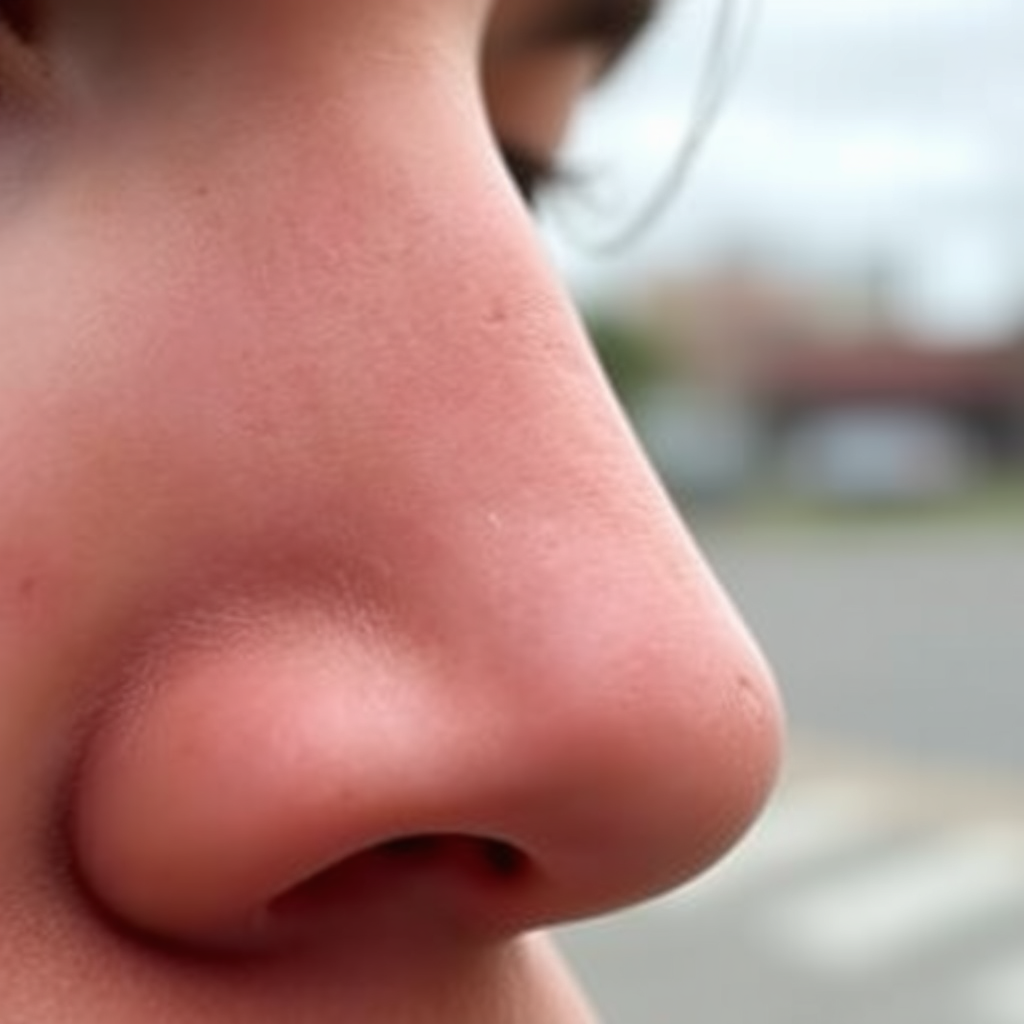
20 gauge is commonly used for initial piercings because it strikes a balance between being delicate and practical. It allows for a variety of styles while providing enough material to prevent bending or breaking during the healing period. On the other hand, lower gauges (like 18 or 16) offer more options for jewelry styles, including hoops, studs, and decorative pieces that may be more visually striking. Understanding these differences helps you make informed decisions based on your personal style preferences and comfort levels.
Importance of Choosing the Right Gauge

Choosing the right gauge is crucial for ensuring a comfortable fit and reducing the risk of irritation or infection. A properly sized nose ring will sit securely in the piercing without excessive movement, which can lead to irritation of the surrounding tissue. If the gauge is too small, it may lead to migration, where the piercing shifts from its original placement, potentially causing complications. Conversely, if the gauge is too large, it can create discomfort, especially during the healing process.
In addition to physical comfort, the right gauge can affect the overall aesthetics of the piercing. A well-fitted nose ring enhances your facial features and complements your style, contributing to a polished look. Therefore, understanding your options and considering your personal comfort level when selecting a gauge is essential for a successful piercing experience.
Comparison of Common Nose Ring Gauges
– 20 Gauge (0.8 mm): Ideal for initial piercings, a 20 gauge nose ring provides a delicate yet sturdy option. It is widely recommended for new piercings because it allows adequate room for swelling while minimizing the risk of irritation.
– 18 Gauge (1.0 mm): This slightly thicker gauge opens up a wider range of jewelry options, including more intricate designs. It is a popular choice for those who have healed piercings and are looking to experiment with different styles.
– 16 Gauge (1.2 mm): Common for healed piercings, the 16 gauge offers versatility and allows for larger jewelry pieces, such as decorative studs and hoops. Although it can be visually appealing, it may not be the best option for initial piercings due to its thickness.
Selecting the right gauge involves weighing the benefits of aesthetics against the healing requirements of your piercing. Each gauge has its advantages, and your choice should reflect both your personal style and your comfort during the healing process.
Healing Time and Gauge Size
Healing time can vary based on gauge size, as smaller gauges may heal faster but may also be more prone to irritation. Generally, a 20 gauge nose ring will take about 4-6 weeks to heal properly, assuming proper aftercare is followed. This healing time can be influenced by factors such as the individual’s body, overall health, and how well they adhere to aftercare protocols.
Larger gauges, such as 18 or 16, may take longer to heal, often extending the healing process by a few weeks. This is partly due to the increased tissue trauma caused by thicker jewelry, which can result in more significant swelling and irritation. Understanding the healing dynamics associated with different gauges is crucial for managing expectations and ensuring a smooth recovery.
Jewelry Material Considerations
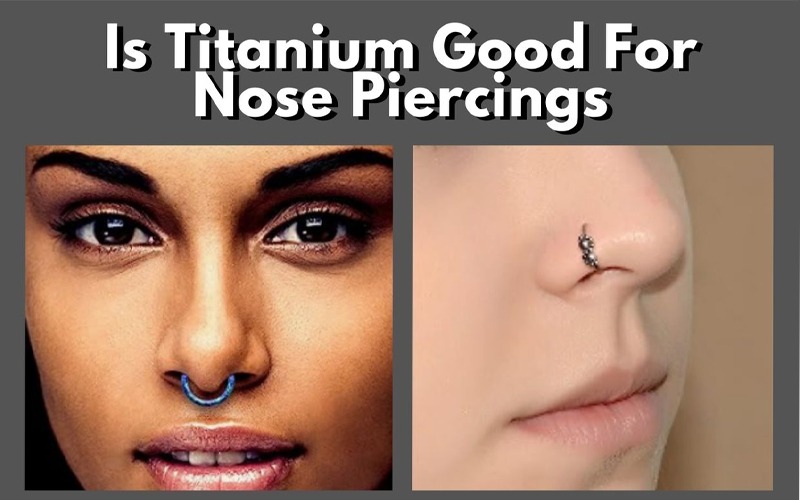
The material of your nose ring plays a significant role in both comfort and healing. Materials like titanium, surgical steel, and gold are highly recommended for initial piercings due to their hypoallergenic properties. Titanium is especially favored for its lightweight nature and resistance to corrosion, making it an excellent choice for sensitive skin. Surgical steel, while generally safe, can sometimes cause allergies in individuals with nickel sensitivities, so it’s essential to confirm the metal content before purchasing.
Choosing hypoallergenic materials can significantly reduce allergic reactions and promote faster healing. Additionally, it is advisable to avoid jewelry made from non-sterling silver or costume jewelry for initial piercings, as these can irritate the skin and lead to complications.
Transitioning to Smaller Gauges
If you wish to switch to a smaller gauge over time, it’s essential to consult with a professional piercer. Transitioning to a smaller gauge should be done gradually to avoid complications such as tearing or migration. A professional piercer can help assess the condition of your piercing and recommend a timeline for downsizing.
When considering downsizing, take into account that each piercing is unique. Gradually reducing the gauge size will help ensure that your piercing remains healthy and that you can comfortably switch to more delicate jewelry without causing trauma to the area.
Aftercare Tips for Nose Piercings
Proper aftercare is critical to ensure a safe and successful healing process for your nose piercing. One of the best practices is to clean the area regularly with a saline solution to prevent infection. This can be done by either purchasing a sterile saline solution or making one at home using distilled water and non-iodized salt.
It is also crucial to avoid changing the jewelry too soon, as this can disrupt the healing process. Most professionals recommend waiting at least 6-8 weeks before considering a change, allowing adequate time for the piercing to heal fully. Additionally, avoiding touching or playing with the jewelry during the healing period can reduce the risk of irritation and complications.
By understanding the significance of gauge sizes and their impact on comfort and healing, you can make informed decisions about your nose ring. Always consult with a professional piercer to ensure you’re selecting the best options for your personal style and health needs. Remember, a well-informed approach to your piercing journey can lead to a beautiful and comfortable accessory that enhances your overall appearance.
Frequently Asked Questions
What is the smallest gauge for a nose ring?
The smallest gauge for a nose ring typically starts at 20 gauge (0.8 mm) and can go down to 22 gauge (0.6 mm) for more delicate piercings. Most professional piercers recommend starting with a 20 gauge as it provides a balance between comfort and durability. However, if you’re looking for a more subtle look, 22 gauge may be an option, but it can be more prone to bending or damage.
How do I choose the right gauge for my nose ring?
Choosing the right gauge for your nose ring depends on your personal style, the thickness of the jewelry, and your healing process. If you’re new to nose piercings, starting with a 20 gauge is advisable as it offers a good balance of comfort and security. Consult with your piercer about your options, especially if you have existing piercings or specific sensitivities to certain materials.
Why is the gauge size important for a nose ring?
The gauge size is crucial for a nose ring as it affects both comfort and healing. A smaller gauge means thicker jewelry, which can be less likely to bend or get lost, while a larger gauge is thinner and may feel less intrusive. Choosing the correct gauge can prevent complications such as irritation, infections, and jewelry migration during the healing process.
What type of material should I look for in a small gauge nose ring?
When selecting a small gauge nose ring, opt for materials that are hypoallergenic and body-friendly, such as titanium, surgical stainless steel, or gold that is at least 14 karats. These materials reduce the risk of allergic reactions and facilitate a smoother healing process. Avoid using nickel or non-medical grade materials, especially if you have sensitive skin.
Which size is better for a healing nose piercing: 20 gauge or 22 gauge?
For a healing nose piercing, 20 gauge is generally better than 22 gauge. The thicker 20 gauge jewelry offers more stability and decreases the likelihood of bending or migrating during the healing process. Although 22 gauge may seem less noticeable, it can be more fragile, which could lead to complications if it gets caught or pulled during daily activities.
References
- Nose piercing
- https://www.ncbi.nlm.nih.gov/pmc/articles/PMC6131900/
- https://www.ncbi.nlm.nih.gov/pmc/articles/PMC6064559/
- https://www.ncbi.nlm.nih.gov/pmc/articles/PMC4760648/
- Fallopian tubes: Is pregnancy possible with only one? – Mayo Clinic