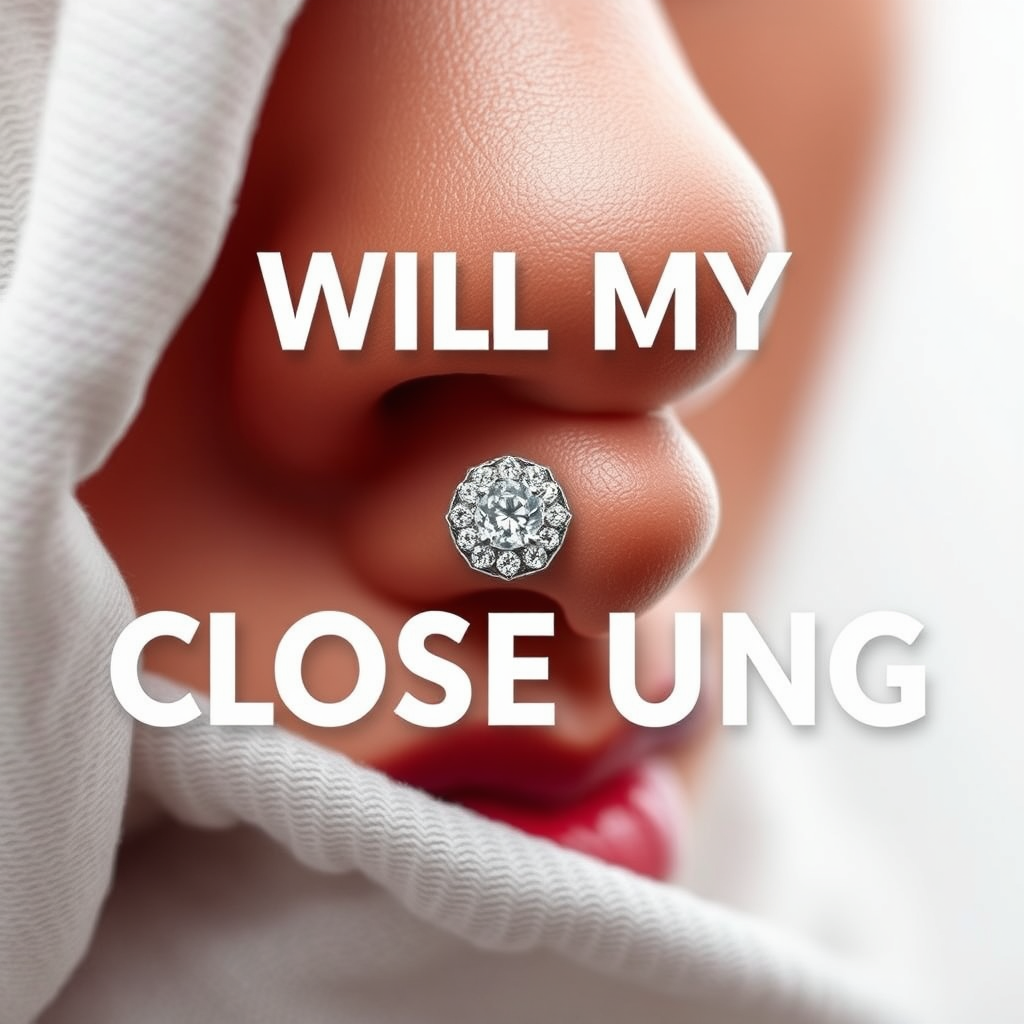
If your nose ring is removed, it can close up relatively quickly, often within a few hours to a few days, depending on how long you’ve had the piercing. Understanding the factors influencing this closure, along with proper care tips, is essential for maintaining your piercing. In this article, you’ll discover the nuances of healing times, the physiological factors at play, and how to manage your piercing to prevent unwanted closure.
Understanding Nose Piercing Healing Times

Nose piercings are generally considered to be relatively quick to heal, yet they also vary significantly from person to person. Newly pierced noses are more susceptible to closure, particularly within the initial weeks after the procedure. The average healing time for a nose piercing is about 2 to 4 months, but it can take longer for some individuals, especially those with different skin types or health conditions.
During the healing process, the body works diligently to repair the skin around the piercing. Initially, the area may feel tender and sore, and you might notice some swelling or redness. These symptoms are part of the natural healing response. After about 6 to 8 weeks, many people find that their piercings have healed sufficiently to allow for jewelry changes without discomfort. However, patience is key; rushing the healing process can lead to complications.
Factors Influencing Closure Speed
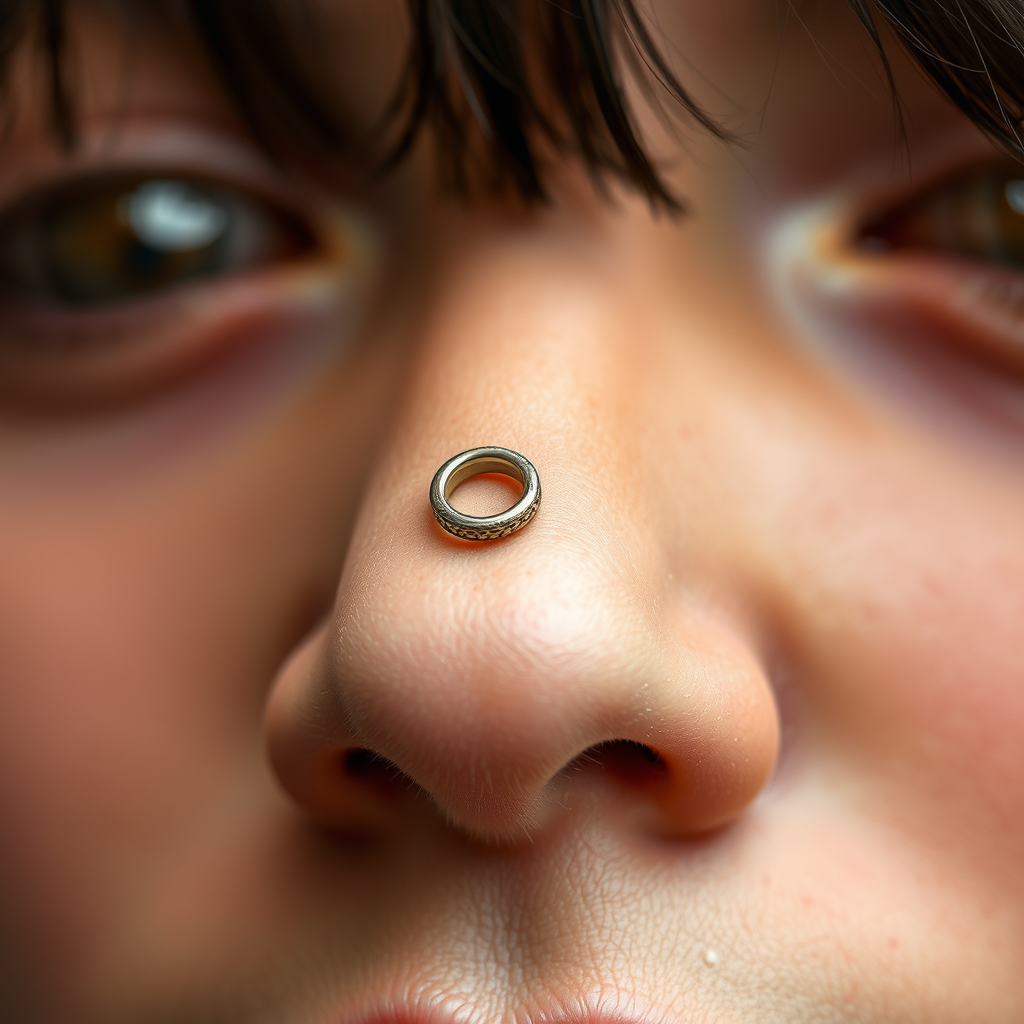
Several factors can significantly influence how quickly a nose piercing may close up after removal.
– Duration: One of the primary factors is the length of time the piercing has been in place. Generally, the longer a piercing has been established, the less likely it is to close up quickly. For instance, a piercing that has been in for over a year is less prone to closure than one that has only been in place for a few weeks.
– Individual Physiology: Each person’s body has a unique healing process. Factors such as skin type, age, and overall health can affect healing rates. For example, younger individuals tend to heal more rapidly, while those with underlying health issues may experience slower healing times.
– Type of Jewelry: The material and design of the jewelry can also influence healing. Hypoallergenic materials like titanium or surgical stainless steel tend to promote better healing compared to cheaper materials that may cause irritation.
What Happens After Removal?
When a nose ring is removed, the body immediately begins to heal the hole, leading to potential closure. This process can be quite rapid, with noticeable changes occurring within hours. Initially, the body focuses on sealing the wound, which can cause the surrounding skin to swell and the hole to constrict.
During the first few hours post-removal, you may not notice any significant change, but as time progresses, the healing process intensifies. Within a few days, the likelihood of the hole closing increases dramatically. If you are considering removing your nose ring for an extended period, be mindful that the healing process may begin almost immediately.
Tips to Maintain Your Piercing
If you plan to remove your nose ring but want to maintain the piercing, there are several strategies you can employ to prevent closure.
– Keep Jewelry in Place: If at all possible, aim to keep a piece of jewelry in your nose for as long as you can. This will help prevent the hole from closing and maintain the shape of the piercing.
– Use a Retainer: Consider using a retainer or clear jewelry, which can help maintain the aesthetic while allowing for healing. Retainers are often made from materials that are less likely to irritate the piercing, making them a comfortable option for temporary use.
– Limit Removal Frequency: If you find yourself frequently removing the jewelry, this can contribute to the risk of closure. Try to limit the frequency and duration of removal, especially within the first few months of healing.
When to Seek Professional Help
Monitoring your nose piercing for signs of infection or unusual inflammation is crucial. If you notice excessive redness, swelling, or discharge that appears yellow or green, it’s time to consult a professional piercer or a healthcare provider.
In cases where the hole begins to close but you wish to keep it open, a professional piercer can guide you on the best practices for re-piercing or suggest alternative methods to maintain the piercing. Remember, while self-care is important, seeking professional advice is invaluable, especially if complications arise.
Signs That Your Piercing is Closing
Being vigilant about the status of your piercing is essential. Look for these key indicators that your piercing may be closing:
– Reduced Visibility: One of the first signs is the reduced visibility of the hole. If you notice that the hole appears smaller or the skin begins to grow over it, the closure process may be underway.
– Pain or Discomfort: If you experience noticeable pain or discomfort around the piercing area, it may indicate that the hole is closing. This discomfort can arise from irritation or inflammation and should not be ignored.
Being aware of these signs can help you take appropriate action before the piercing closes completely.
While a nose ring can close up quickly, understanding the healing process and taking proactive measures can help maintain your piercing. If you have any concerns about your nose ring or its healing process, do not hesitate to reach out to a professional piercer for personalized advice. Ultimately, being informed and attentive to your body can lead to a successful and long-lasting nose piercing experience.
Frequently Asked Questions
Will my nose ring close up if I take it out?
Yes, if you remove your nose ring, especially within the first few months of getting it pierced, there is a high chance that the hole will begin to close up. The healing process for a nose piercing typically takes about 4 to 6 months, and during this time, the fistula (the tunnel formed by the piercing) is not fully formed. If you must remove your nose ring, consider leaving it in for as long as possible or using a retainer to keep the hole open.
How long does it take for a nose piercing to close up?
The time it takes for a nose piercing to close up can vary based on several factors, including how long you’ve had the piercing and your individual healing process. Generally, a nose piercing can start to close within a few hours to days if it is newly done, while a fully healed piercing may take weeks to months to close completely, depending on how long it has been since you last wore jewelry. For those with years-old piercings, the hole might remain open for a long time, but shrinking may occur.
Why does my nose ring feel tight after removing it?
If your nose ring feels tight after removing it, it may be due to swelling or irritation of the piercing site, which is common, especially if the piercing is new or has been disturbed. The tissue around the hole may become inflamed, leading to a sensation of tightness. To alleviate this, ensure that the area is clean, avoid any irritation, and consider consulting a professional piercer if the discomfort persists.
What should I do if my nose ring closes up?
If your nose ring has closed up and you want to re-pierce it, it’s best to consult a professional piercer for advice. They can assess the area and determine the best course of action, which may include re-piercing in the same spot or suggesting a different location if there is scar tissue. In most cases, it’s important to wait until the tissue has fully healed before attempting to re-pierce to avoid complications.
Which type of nose ring is best for preventing closure?
The best type of nose ring for preventing closure is a stud or hoop made from hypoallergenic materials like titanium or surgical stainless steel, which are less likely to irritate the piercing. Additionally, keeping the jewelry in for an extended period, especially during the healing phase, helps maintain the integrity of the hole. If you need to switch out your jewelry, using a small, lightweight retainer can also help keep the piercing open and minimize the risk of closure.
References
- Nose piercing
- https://www.ncbi.nlm.nih.gov/pmc/articles/PMC4972133/
- https://www.healthline.com/health/nose-piercing-care
- https://www.mayoclinic.org/healthy-lifestyle/adult-health/in-depth/piercings/art-20046048
- https://www.webmd.com/beauty/nose-piercing-care
- https://www.verywellhealth.com/nose-piercing-5181076