Stainless steel nose rings are generally safe for most people, especially when made from high-quality surgical-grade materials. This safety is largely attributed to their corrosion resistance and low likelihood of causing allergic reactions. However, it’s essential to understand the different types of stainless steel, the potential for allergic responses, and best practices for care to ensure a safe and enjoyable piercing experience.
Understanding Stainless Steel Types

When discussing stainless steel, especially in the context of body jewelry, it is crucial to differentiate between various grades and their suitability for piercing.
– Surgical-Grade Stainless Steel: The most commonly recommended type for body jewelry is surgical-grade stainless steel, particularly 316L and 316LVM. These grades contain low levels of nickel and have been treated to resist corrosion, making them ideal for long-term wear. Their smooth finish also minimizes the risk of irritation at the piercing site.
– Nickel Content: Although surgical-grade stainless steel is generally safe, some individuals may still experience allergic reactions due to nickel content. It’s important to note that while 316L stainless steel has a lower nickel percentage compared to other metals, those with known nickel allergies should proceed with caution.
Understanding these distinctions can help consumers make informed decisions about their body jewelry, ensuring they choose options that are safe and comfortable.
Benefits of Stainless Steel Nose Rings

Stainless steel nose rings offer numerous advantages, making them a popular choice for those looking to adorn their piercings.
– Durability: One of the primary benefits of stainless steel is its remarkable durability. Unlike other materials that may bend or break, high-quality stainless steel is strong and resilient, providing a long-lasting option for everyday wear. This durability is particularly beneficial for active individuals who want to ensure their jewelry withstands the rigors of daily life.
– Hypoallergenic Options: Many manufacturers produce hypoallergenic stainless steel nose rings designed specifically for sensitive skin. These options are often nickel-free or contain minimal nickel, significantly reducing the risk of skin irritation or allergic reactions. This feature makes stainless steel an appealing choice for a wide range of users, including those who may have had negative experiences with other materials.
These benefits contribute to the growing popularity of stainless steel nose rings, as they combine aesthetic appeal with practicality.
Potential Risks and Allergies
Despite their many advantages, there are potential risks associated with stainless steel nose rings that consumers should be aware of.
– Nickel Allergies: As previously mentioned, individuals who are allergic to nickel may experience adverse reactions when wearing stainless steel jewelry that contains this metal. Symptoms can range from mild irritation to severe discomfort, leading to complications such as infections or delayed healing. For those with known sensitivities, alternatives like titanium or niobium should be considered to avoid these issues.
– Infection Risks: Another significant risk associated with nose rings, regardless of the material, is the potential for infection. Using non-sterile jewelry can introduce bacteria into the piercing, leading to complications. To mitigate this risk, it is essential to choose high-quality stainless steel that has been properly sterilized and to follow aftercare guidelines to maintain cleanliness.
By being aware of these risks and taking appropriate precautions, individuals can enjoy their body jewelry without compromising their health.
Proper Care for Stainless Steel Nose Rings
To ensure the longevity and safety of stainless steel nose rings, proper care is paramount.
– Cleaning Routine: Regular cleaning is essential to prevent the buildup of bacteria and other irritants that can lead to infection. A simple routine involves using mild soap and water to gently clean the jewelry, followed by thorough rinsing and drying. Avoid harsh chemicals or alcohol-based solutions, as these may cause irritation or damage the jewelry.
– Avoiding Irritation: It is important to be cautious with cosmetics and skincare products around the piercing area. Ingredients in makeup or creams can irritate the skin or lead to allergic reactions, particularly if they come into direct contact with the piercing. As a precaution, individuals should wait until the piercing is fully healed before applying products in that vicinity.
Establishing a solid care routine can significantly enhance the safety and comfort of wearing stainless steel nose rings, ensuring that the piercing remains healthy and irritation-free.
When to Seek Medical Advice
Even with proper care and high-quality materials, there may still be instances where medical advice is necessary.
– Signs of Infection: Common signs of infection include increased redness, swelling, warmth around the piercing, or pus-like discharge. If any of these symptoms occur, it is crucial to seek medical attention promptly to prevent further complications. Early intervention can often lead to more effective treatment and a quicker resolution.
– Persistent Allergic Reactions: If you experience ongoing itching, rash, or other allergic symptoms around the piercing site, it may be time to consult a healthcare professional. They can provide guidance on whether the stainless steel is the appropriate material for you and suggest alternative options if needed.
Being proactive about your health and well-being is essential when it comes to body piercings, ensuring that you can enjoy your jewelry without negative consequences.
Alternatives to Stainless Steel
For those who may be concerned about the potential risks associated with stainless steel, there are several viable alternatives.
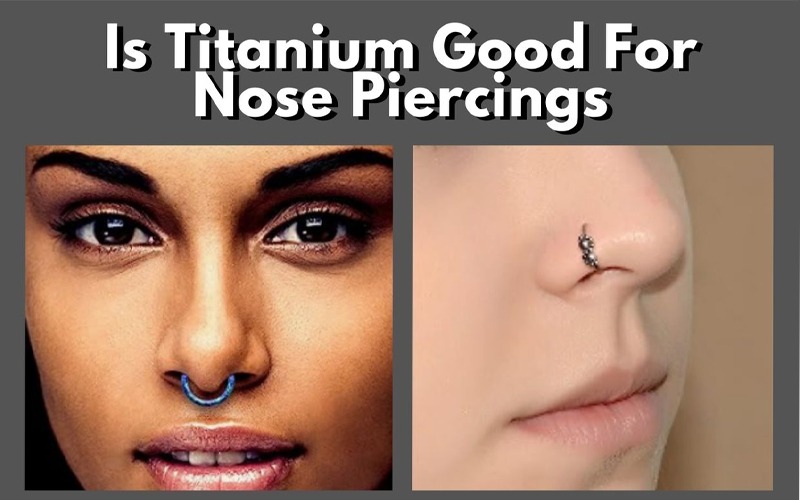
– Titanium: Titanium is often hailed as one of the best hypoallergenic materials available for body jewelry. It is lightweight, highly durable, and completely free of nickel, making it an excellent choice for individuals with sensitive skin. Additionally, titanium nose rings come in various colors and finishes, providing ample style options.
– Niobium: Another safe alternative is niobium, which is also hypoallergenic and resistant to corrosion. Like titanium, niobium is available in a variety of colors and styles, allowing wearers to express their individuality while ensuring their jewelry is safe for their skin.
These alternatives offer peace of mind for those who may be hesitant to wear stainless steel due to allergies or sensitivities.
Stainless steel nose rings can be safe if you choose high-quality options and maintain proper care. By understanding the different types of stainless steel, recognizing potential risks, and following recommended care practices, individuals can enjoy their body jewelry with confidence. If you have specific allergies or concerns, consulting with a professional piercer or healthcare provider can help you find the best options for your needs. With alternatives like titanium and niobium available, there are plenty of stylish and safe choices to consider.
Frequently Asked Questions
Are stainless steel nose rings safe for sensitive skin?
Yes, stainless steel nose rings are generally safe for individuals with sensitive skin, especially if they are made of surgical-grade stainless steel. This type of stainless steel contains a high nickel content, which can cause allergic reactions in some people, but the risk is lower with high-quality options. Always check for a nickel-free label if you have known allergies, and consider consulting with a piercer or dermatologist.
How can I tell if my stainless steel nose ring is of good quality?
To determine the quality of your stainless steel nose ring, look for rings made from surgical-grade stainless steel, such as 316L or 316LVM. These materials are specifically designed for body jewelry, offering resistance to rust, corrosion, and tarnishing. Additionally, check for smooth edges and a polished finish, as these features indicate better craftsmanship and comfort during wear.
Why do some people experience allergic reactions to stainless steel nose rings?
Some individuals may experience allergic reactions to stainless steel nose rings due to the presence of nickel in the alloy. While surgical-grade stainless steel contains a lower percentage of nickel compared to regular stainless steel, it can still trigger sensitivities in individuals who are highly allergic. If you notice redness, swelling, or irritation, it’s advisable to switch to hypoallergenic options, such as titanium or niobium.
What are the best types of stainless steel for nose rings?
The best types of stainless steel for nose rings are 316L and 316LVM, both of which are considered medical-grade. These materials are highly resistant to corrosion and maintain their appearance over time, making them ideal for body jewelry. Additionally, they are less likely to cause allergic reactions compared to lower-quality stainless steel options, making them a safe choice for most wearers.
How should I care for my stainless steel nose ring to ensure safety and longevity?
To care for your stainless steel nose ring, regularly clean it with mild soap and warm water to prevent buildup of dirt and bacteria. Avoid using harsh chemicals or abrasive materials, as they can damage the surface. Additionally, be sure to dry the ring thoroughly before reinserting it to prevent moisture-related issues. Proper care not only keeps your nose ring looking great but also minimizes the risk of infection and irritation.
References
- https://www.ncbi.nlm.nih.gov/pmc/articles/PMC5782283/
- https://www.aaaai.org/conditions-and-treatments/allergies/nickel-allergy
- https://www.ncbi.nlm.nih.gov/pmc/articles/PMC5560631/
- https://www.americanacademyofdermatology.org/
- https://www.aafp.org/pubs/afp/issues/2019/0801/p152.html