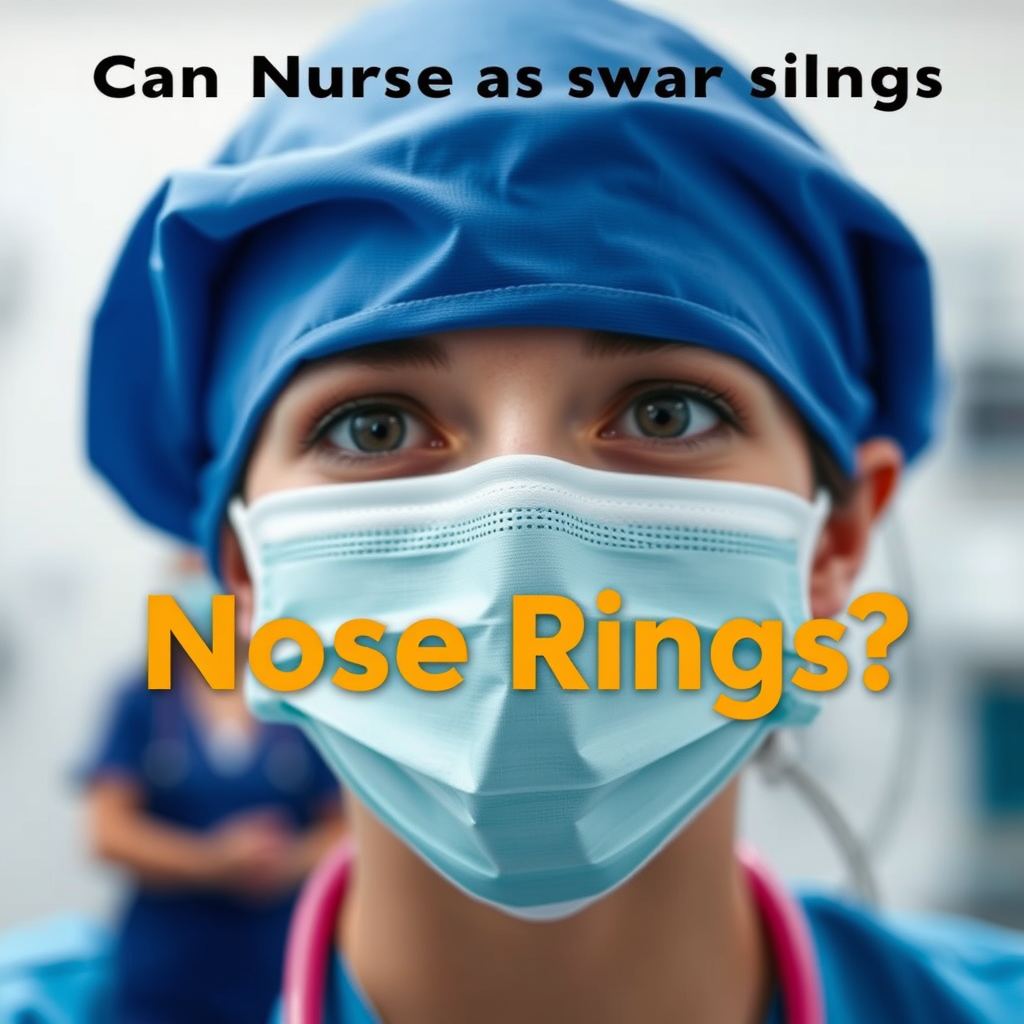
Nurses often wonder if they can wear nose rings while on duty, and the answer largely depends on their workplace policies. While some healthcare facilities may allow it as a form of personal expression, others may have strict guidelines against visible piercings. Understanding these varying policies is crucial for nurses as they navigate their professional appearance and adhere to the standards set by their employers. In this article, we will explore the various factors influencing the policies surrounding nose rings and body piercings in nursing, providing insights that help nurses make informed decisions about their personal adornments.
Workplace Dress Codes

Many healthcare facilities implement dress codes that outline acceptable attire and accessories, and these dress codes often include specific regulations regarding body piercings. Hospitals, clinics, and specialty care centers may have differing standards based on their operational needs, patient demographics, and institutional culture. For instance, a large metropolitan hospital may adopt a more relaxed dress code, allowing nurses to express their individuality through piercings, while a smaller community clinic may enforce stricter guidelines to maintain a uniform professional appearance.
It’s essential for nurses to familiarize themselves with their specific workplace dress code, which can often be found in the employee handbook or through their HR department. Some organizations may have policies that allow only subtle, non-distracting jewelry, while others may explicitly prohibit any visible piercings. Understanding these nuances can help nurses navigate their choices effectively and avoid potential conflicts with management.
Professional Image and Patient Perception

The presence of visible piercings, such as nose rings, can significantly influence how patients perceive their healthcare providers. Research has shown that patients often form initial impressions based on appearance, which can impact their level of trust and comfort. In nursing, where building rapport with patients is paramount, maintaining a professional image is emphasized to foster a healing environment.
For example, in certain clinical settings, especially those involving pediatrics or geriatrics, patients may gravitate towards healthcare professionals who present a conventional image. Conversely, in more progressive healthcare facilities, a diverse workforce that embraces personal expression may enhance patient relationships by promoting inclusivity. Nurses should consider how their appearance, including body piercings, aligns with the expectations of their patient population and the overall ethos of their workplace.
Cultural Considerations
Cultural dynamics play a significant role in how body piercings, including nose rings, are perceived within healthcare settings. In many cultures, body piercings are celebrated as forms of self-expression, identity, and tradition. For instance, in some Indigenous cultures, piercings may have deep-rooted significance and may be viewed positively in personal and professional settings.
Understanding the cultural context of the workplace is crucial for nurses. Facilities that serve diverse populations may adopt more flexible policies regarding piercings to reflect the community’s values and beliefs. Conversely, settings that prioritize traditional professional standards may enforce stricter guidelines. Nurses should consider their facility’s cultural competency initiatives and the demographics of their patient population when making decisions about visible piercings.
Infection Control and Safety Concerns
Nose rings and other piercings can pose hygiene risks, especially in clinical settings where infection control is paramount. Healthcare professionals must adhere to rigorous standards to minimize the risk of transmitting infections, which has led many employers to restrict visible piercings. Nose rings can harbor bacteria and may inadvertently become snagged on equipment or clothing, posing safety concerns.
For example, in surgical settings or during procedures involving sterile environments, even the smallest adornments can compromise the integrity of infection control protocols. To mitigate these risks, some healthcare facilities may require that any visible piercings be removed or covered. Nurses should be aware of their specific roles and the associated risks to ensure compliance with safety regulations while considering their personal expression.
Personal Expression vs. Professional Standards
Balancing personal style with adherence to professional standards is a common challenge for nurses. Many healthcare professionals value the ability to express their individuality through body art and adornments. However, facilities often impose limitations to maintain a cohesive and professional appearance.
Some organizations may allow alternative expressions, such as clear or removable jewelry, which can provide a compromise between personal style and professional standards. For instance, a nurse might opt for a clear stud instead of a traditional nose ring, allowing them to maintain their sense of identity while adhering to workplace policies. Engaging in discussions with management about acceptable forms of personal expression can lead to a more inclusive environment that respects individuality without compromising professionalism.
Seeking Clarification and Guidance
Nurses are encouraged to consult their human resources department or supervisor for clarity on specific policies regarding body piercings. Open communication can often lead to compromises that respect both personal expression and professional guidelines. In many cases, HR departments can provide insights into the rationale behind certain policies, helping nurses understand the importance of maintaining professional standards while still exploring their individual style.
If uncertain about the policies or their implications, nurses should not hesitate to ask for clarification. Engaging in dialogue about dress codes and appearance expectations can foster a culture of understanding and respect, ultimately benefiting both staff and patients.
In summary, the ability of nurses to wear nose rings while on duty is influenced by a combination of workplace policies, professional standards, and patient perceptions. By familiarizing themselves with their facility’s dress code, considering cultural dynamics, and engaging in open dialogue with management, nurses can effectively navigate this issue. Ultimately, maintaining a balance between personal expression and professional expectations is key to fostering a positive work environment that promotes both individuality and patient trust.
Frequently Asked Questions
Can nurses wear nose rings in a hospital setting?
Whether nurses can wear nose rings in a hospital setting largely depends on the specific dress code policies of the healthcare facility. Many hospitals have strict guidelines regarding personal appearance, including jewelry, to maintain a professional image and ensure hygiene. It’s essential for nurses to check with their employer’s policy to see if nose rings are permitted and under what circumstances.
Why do some healthcare facilities prohibit nose rings for nurses?
Healthcare facilities may prohibit nose rings for nurses primarily for reasons related to patient safety, hygiene, and professionalism. Nose rings can pose a risk for contamination and may interfere with the use of personal protective equipment, such as masks. Moreover, maintaining a uniform appearance can help foster trust and professionalism in a clinical environment, which is critical for patient care.
What types of facial jewelry are acceptable for nurses?
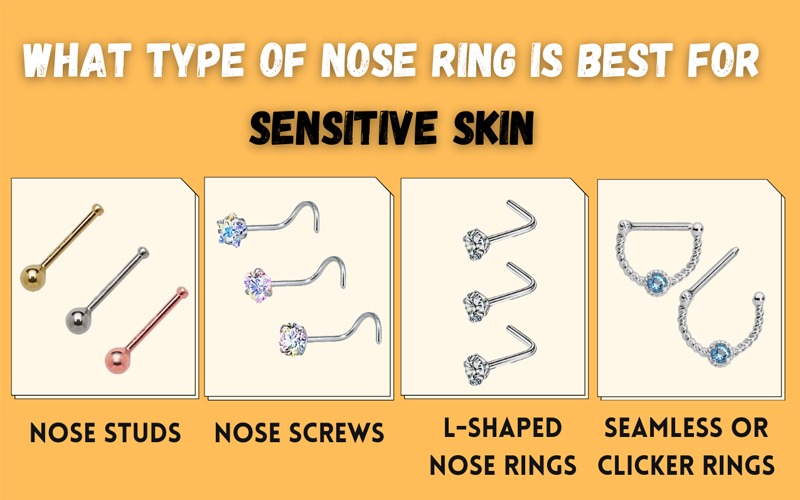
Acceptable types of facial jewelry for nurses usually include minimal and understated pieces, such as small stud earrings or simple nose studs, as long as they comply with the healthcare facility’s dress code. It’s advisable for nurses to choose jewelry that is discreet and non-intrusive, as this aligns better with the professional standards expected in patient care settings. Always refer to your facility’s guidelines for specific recommendations.
How should nurses approach their employer about wearing a nose ring?
Nurses should approach their employer about wearing a nose ring by first familiarizing themselves with the facility’s dress code policy. If the policy is unclear or seems restrictive, a nurse can request a meeting with their supervisor or HR department to discuss their desire to wear a nose ring. Presenting a well-thought-out rationale, such as the desire for self-expression while maintaining professionalism, can help in negotiating policy exceptions.
Which alternatives to nose rings can nurses consider for personal expression?
Nurses looking for alternatives to nose rings for personal expression can consider options such as small, non-distracting stud earrings, wrist bracelets, or discreet necklaces. Temporary solutions, like adhesive body jewelry or skin-safe tattoos, allow for self-expression without violating dress codes. Ultimately, the goal is to maintain a professional appearance while still showcasing personal style, so opting for subtle accessories is often the best route.
References
- https://www.ncbi.nlm.nih.gov/pmc/articles/PMC6313452/
- https://www.ama-assn.org/delivering-care/public-health/nurses-give-opinions-body-piercing
- https://www.healthcareers.nhs.uk/explore-roles/nursing/roles-nursing/nurse
- 404 | RN.com
- Welcome to MyAACN
- Shaving hair: Does shaved hair grow back thicker? – Mayo Clinic