To make a nose ring bump go away, it’s essential to maintain proper hygiene and consider using warm compresses or topical treatments. Nose ring bumps can be a common issue for individuals with new or irritated piercings. Understanding the underlying causes and implementing effective solutions can significantly aid in reducing inflammation and promoting healing. This article will guide you through several effective methods to address this issue and help you regain confidence in your piercing.
Understanding Nose Ring Bumps
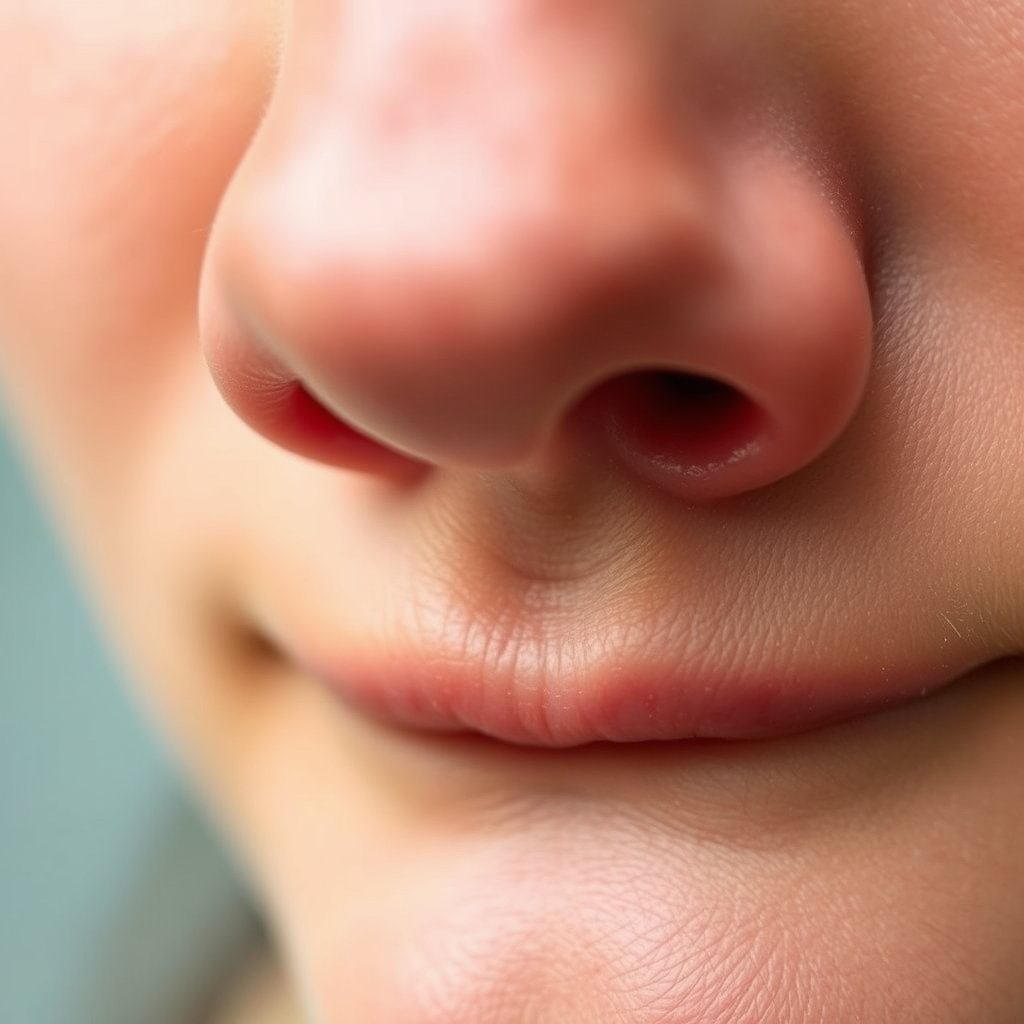
Nose ring bumps are often a result of irritation, infection, or allergic reactions to the jewelry material. When a piercing is newly acquired, the body may react to the trauma of the piercing itself, leading to swelling and inflammation. Additionally, factors such as poor hygiene, friction from clothing or facial products, or an allergic reaction to non-hypoallergenic metals can exacerbate the problem. Identifying the specific cause of the bump is crucial for effective treatment, as each cause may require a different approach to resolve the issue effectively.
Proper Cleaning Techniques

Maintaining proper hygiene is paramount in preventing and treating nose ring bumps. Clean your nose piercing twice daily using a saline solution or saline wipes, both of which are gentle and effective in promoting healing. Saline solution can easily be made at home by mixing 1/4 teaspoon of non-iodized sea salt with 8 ounces of distilled water. Alternatively, pre-packaged saline wipes are widely available and provide a convenient option. It is essential to avoid harsh cleaning agents such as alcohol or hydrogen peroxide, as these can dry out the skin and lead to further irritation. When cleaning, use a clean cotton swab or pad to gently wipe around the piercing, ensuring to remove any crust or discharge without causing damage.
Warm Compress Application
Applying a warm compress can be an effective method for reducing swelling and discomfort associated with a nose ring bump. To do this, soak a clean cloth in warm water, wring it out, and then apply it to the affected area for 10-15 minutes. This process can be repeated several times a day. The warmth helps to increase blood circulation to the area, promoting healing and reducing inflammation. It is crucial to ensure that the compress remains clean to avoid introducing bacteria into the piercing, which could exacerbate the issue.
Topical Treatments
In addition to proper cleaning and warm compresses, topical treatments can further aid in reducing inflammation and promoting healing. Over-the-counter antiseptic ointments, such as Neosporin, can be applied sparingly to help prevent infection. Tea tree oil is another popular natural remedy, known for its antimicrobial properties. Dilute a few drops of tea tree oil in a carrier oil, like coconut oil, and apply it to the bump with a cotton swab. Aloe vera gel is also beneficial due to its soothing and anti-inflammatory properties. Applying a small amount of pure aloe vera gel to the bump can help calm irritated skin and promote healing.
Avoiding Irritants
One of the best preventative measures to reduce the likelihood of developing a nose ring bump is to avoid irritants. Consider switching to hypoallergenic jewelry made from materials like titanium or surgical steel, which are less likely to cause allergic reactions. Additionally, minimize touching your nose ring, as transferring bacteria from your hands can lead to infection. Refrain from changing your jewelry frequently, especially during the initial healing period, as this can further irritate the piercing.
When to Seek Professional Help
If the bump persists or worsens despite your attempts to treat it, it may be time to consult a professional piercer or dermatologist. Signs of infection, such as increased redness, pus, or severe pain, should not be overlooked. A professional can assess the situation, provide personalized advice, and, if necessary, recommend appropriate treatments to address the issue effectively. Early intervention can help prevent complications and ensure proper healing.
Preventative Measures for the Future
To avoid future issues with nose ring bumps, it is crucial to follow aftercare instructions carefully after getting a new piercing. This includes avoiding swimming in pools or hot tubs, refraining from wearing heavy makeup around the piercing, and steering clear of facial products that may contain irritants. Ensuring that your pillowcase and towels are clean can also reduce the risk of transferring bacteria to the piercing. Educating yourself about proper aftercare and being mindful of potential irritants can significantly contribute to the longevity and health of your nose piercing.
By incorporating these strategies, you can effectively address and reduce the appearance of a nose ring bump. Remember to be patient, as healing can take time, and each individual’s body reacts differently. If symptoms persist despite your efforts, don’t hesitate to consult a professional for personalized advice and treatment options. Taking proactive steps in hygiene and care can help you enjoy your nose piercing without the unwelcome presence of bumps.
Frequently Asked Questions
What causes a nose ring bump to form?
A nose ring bump can form due to various reasons, including irritation from the jewelry, an allergic reaction to the metal, or improper healing of the piercing. Other factors like trauma to the area, excessive touching, or poor aftercare can also contribute to the development of these bumps. Understanding the underlying cause is essential for effective treatment and prevention.
How can I treat a nose ring bump at home?
To treat a nose ring bump at home, you can start by cleaning the area with a saline solution made of salt and warm water, which helps reduce inflammation and promotes healing. Additionally, applying a warm compress for 10-15 minutes daily can improve blood circulation to the area and alleviate discomfort. Over-the-counter topical treatments like tea tree oil or aloe vera gel may also help soothe the bump.
Why does my nose ring bump keep coming back?
If your nose ring bump keeps returning, it may be due to ongoing irritation, improper aftercare, or a sensitivity to the material of your jewelry. Switching to hypoallergenic materials, such as titanium or surgical steel, can help minimize allergic reactions. Consistent cleaning and avoiding unnecessary touching of the piercing are essential to prevent recurrence.
What is the best jewelry material to prevent nose ring bumps?
The best jewelry materials to prevent nose ring bumps are hypoallergenic options such as surgical stainless steel, titanium, or niobium. These materials are less likely to cause allergic reactions and irritation, making them ideal for sensitive skin. It’s advisable to avoid jewelry made from nickel or brass, as these can exacerbate bumps and lead to discomfort.
Which professional treatments are effective for getting rid of nose ring bumps?
Professional treatments for nose ring bumps may include cortisone injections, which can reduce inflammation and help flatten the bump. Some dermatologists may also recommend laser therapy or cryotherapy to treat persistent bumps effectively. It’s important to consult with a professional piercer or dermatologist to determine the best course of action tailored to your specific situation.
References
- Nose Piercing Bump: How to Get Rid of It
- https://www.medicalnewstoday.com/articles/nose-piercing-bump
- https://www.ncbi.nlm.nih.gov/pmc/articles/PMC6462736/
- https://www.mayoclinic.org/healthy-lifestyle/adult-health/expert-answers/nose-piercing/faq-20058007
- https://www.webmd.com/beauty/what-to-know-nose-piercing-bumps
- https://www.verywellhealth.com/nose-piercing-bump-5182785