Putting in an L nose ring is a straightforward process that you can do at home with the right tools and techniques. This guide will walk you through the steps needed to safely and effectively insert your L-shaped nose ring, ensuring a comfortable fit and minimal irritation. With careful preparation and attention to detail, you can enjoy your new piercing without unnecessary complications.
Understanding the L Nose Ring

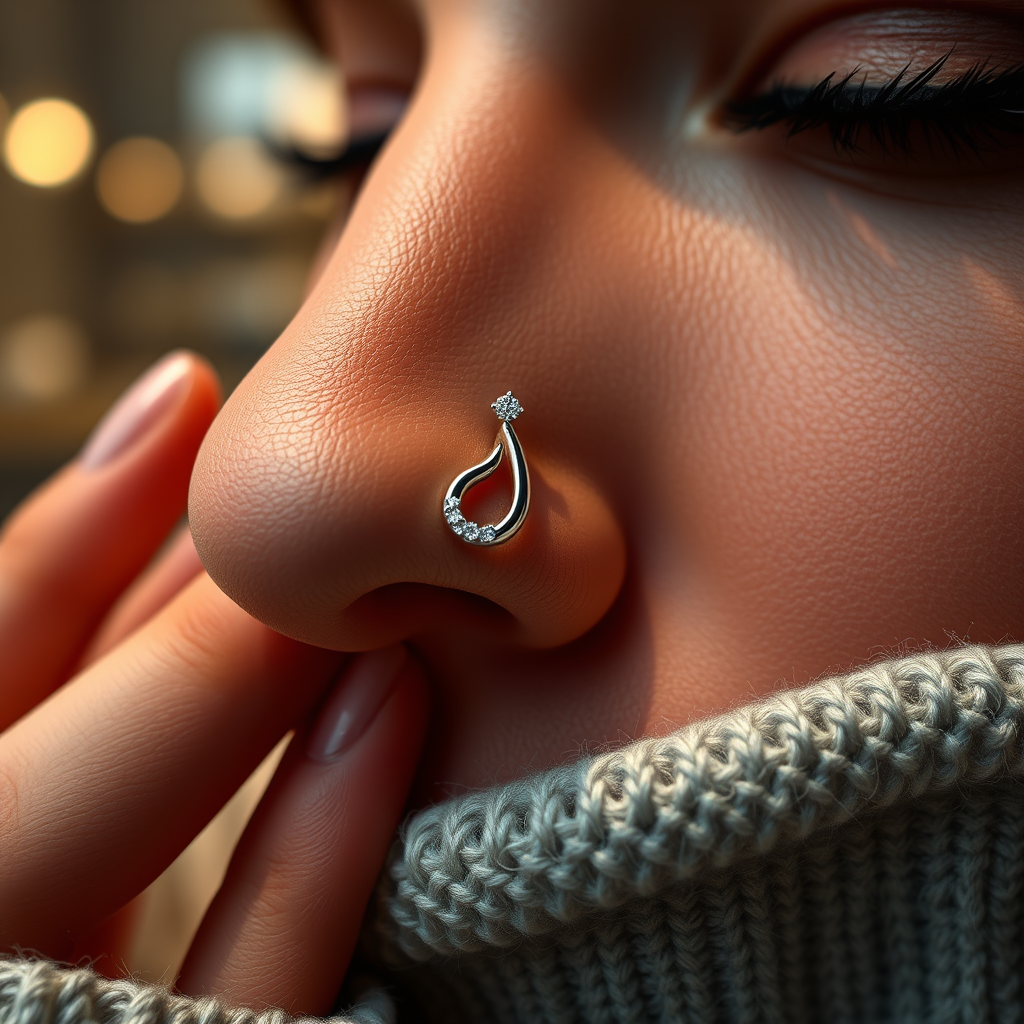
An L nose ring features a unique shape designed to keep it securely in place, making it an excellent choice for those who lead active lifestyles or prefer a stable option compared to traditional hoops or studs. The L shape consists of a short end that sits inside the nostril and a longer end that rests against the outside, which helps prevent the jewelry from migrating out of the piercing. This design not only enhances comfort but also reduces the likelihood of losing your jewelry. Additionally, many individuals find that L nose rings offer a more discreet look while still providing a distinct style, making them suitable for both casual and formal settings.
Preparing for Insertion

Before inserting your L nose ring, it is crucial to ensure that both your hands and the jewelry are clean to minimize the risk of infection. Start by washing your hands thoroughly with soap and water for at least 20 seconds. After drying your hands, take the L nose ring and sterilize it using rubbing alcohol or a saline solution. Simply soak a cotton ball in the solution and wipe down the entire surface of the ring. This step is essential, as it helps eliminate any bacteria that could enter the piercing during insertion. Preparing your environment is also important; find a clean, flat surface and consider laying down a clean towel to catch any small items that may fall during the process.
Positioning Your Nose
Once you have prepared your hands and the L nose ring, the next step is to position yourself comfortably for the insertion. Locate a well-lit area, preferably near a mirror that allows you to see your nostril clearly. Position yourself so that you have a direct view of your nose, ensuring that you can see both the outside and inside of the nostril. This visibility is crucial for guiding the ring into place accurately. Take a deep breath to relax your body, as tension can make the process more difficult. You might also want to use a handheld mirror to give you a better angle if needed.
Inserting the L Nose Ring
With your nose positioned correctly and the ring in hand, it’s time to insert the L nose ring. Hold the L shape so that the longer end is facing towards you; this will make insertion easier and more intuitive. Gently grasp the shorter end of the ring and slowly insert it into your nostril, following the natural curve of your nasal anatomy. It’s important to be gentle during this step, as forceful insertion can cause pain or injury to the delicate skin inside your nose. If you encounter resistance, do not force the ring; instead, take a moment to adjust your angle or ensure that there are no obstructions in the way.
Securing the Nose Ring
Once the shorter end of the L nose ring is successfully inserted into your nostril, you need to secure it properly. Make sure that the shorter end is snug against the inside of your nostril without causing discomfort. You can gently push the longer end against the outside of your nostril to ensure a secure fit. If you feel any pain or excessive pressure, remove the ring and try reinserting it more gently. It’s essential that the ring fits comfortably; a tight fit can lead to irritation and complications during the healing process. After securing the ring, take a moment to check your reflection to ensure that everything looks even and aligned.
Aftercare Tips
Proper aftercare is critical in promoting healing and preventing infection after inserting your L nose ring. Clean the area around your piercing daily using a saline solution or a specialized saline wound wash. This not only keeps the area clean but also helps to soothe any irritation that may arise during the healing process. Avoid touching or twisting the ring unnecessarily, as this can introduce bacteria and cause irritation. Additionally, refrain from swimming in pools, hot tubs, or bodies of water until your piercing has fully healed, as these environments can harbor harmful bacteria. It’s advisable to follow the aftercare routine for at least six to eight weeks, or until the piercing is completely healed.Troubleshooting Common Issues
Even with careful preparation and insertion, you may encounter some common issues after putting in your L nose ring. If you experience discomfort, the first step is to check whether the ring is inserted correctly. Ensure that it is not too tight or positioned improperly within the nostril. If the discomfort persists, it might be wise to consult with a professional piercer who can assess the situation and provide guidance. Signs of infection, such as excessive redness, swelling, or discharge, should be taken seriously. In such cases, seeking professional help is crucial to avoid complications.
In summary, inserting an L nose ring can be a simple and rewarding process when approached with care and attention. By following the outlined steps and prioritizing hygiene, you can ensure a comfortable and successful piercing experience. Remember, if you have any doubts or run into complications, reaching out to a professional piercer for assistance is always a wise choice. Enjoy your new look and embrace the individuality that your L nose ring brings!
Frequently Asked Questions
How do I properly insert an L-shaped nose ring?
To insert an L-shaped nose ring, first ensure your hands are clean to minimize the risk of infection. Hold the L-shaped end of the ring and gently insert the straight part into the piercing hole at a slight angle. Once the straight part is through, rotate the ring so that the L-shaped end sits securely against the inside of your nostril. Make sure it feels comfortable and is not too tight, allowing for slight movement.
What should I do if my L-shaped nose ring won’t go in?
If your L-shaped nose ring won’t go in, it may be due to swelling or irritation in the piercing. First, try applying a saline solution to the area to help reduce swelling. If it still doesn’t go in, consider using a smaller gauge ring or consult a professional piercer who can assist you. Avoid forcing the jewelry as this may cause further irritation or damage to your piercing.
Why is my L-shaped nose ring so difficult to insert?
Difficulty in inserting an L-shaped nose ring can be attributed to several factors, including swelling from a recent piercing, using the wrong gauge size, or the piercing not being fully healed. Additionally, if the jewelry is too thick or made from unsuitable materials, it may not fit properly. It’s essential to ensure the jewelry is the appropriate size and that your piercing is adequately healed before attempting to insert it.
What type of metal is best for an L-shaped nose ring?
The best metals for an L-shaped nose ring include surgical stainless steel, titanium, and gold, particularly 14k or higher. Surgical stainless steel and titanium are hypoallergenic and less likely to irritate sensitive skin, making them ideal for new piercings. Gold is also a popular choice for its aesthetic appeal, but ensure it is solid gold rather than plated to avoid reactions over time.
Which size L-shaped nose ring should I get for my piercing?
The size of the L-shaped nose ring you should get typically depends on the gauge of your piercing, which is usually 20 gauge (0.8mm) for most nose piercings. However, it’s essential to measure the diameter of the ring and ensure it fits comfortably without being too tight or loose. If you’re unsure, consult with your piercer for the best recommendations based on your specific piercing needs.
References
- Nose piercing
- https://www.ncbi.nlm.nih.gov/pmc/articles/PMC4311285/
- https://www.healthline.com/health/nose-piercing-care
- https://www.mayoclinic.org/healthy-lifestyle/adult-health/in-depth/body-piercing/art-20045456
- https://www.verywellhealth.com/nose-piercing-5114116
- https://www.apa.org/topics/piercings