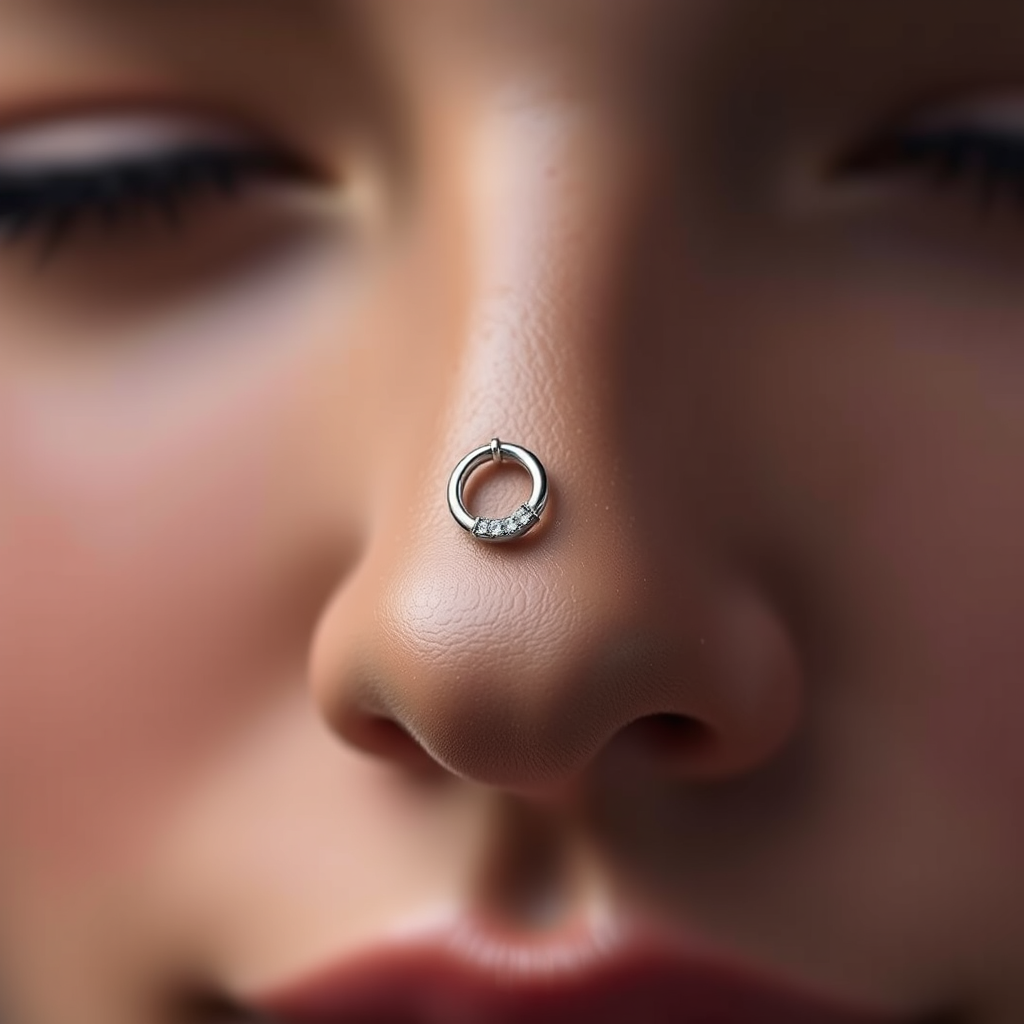
Removing your nose ring can be a straightforward process if you adhere to a few essential steps. To begin, ensure your hands are clean and gather necessary tools, including a mirror and possibly a pair of gloves. This guide will detail the best practices for safely removing your nose ring without causing irritation or injury, allowing you to navigate the process with confidence and care.
Understanding Your Nose Ring Type
Different types of nose rings, such as studs, hoops, and screw-on designs, require different removal techniques. Studs typically feature a decorative end that may unscrew, while hoops may have a clasp or require gentle twisting to remove. Knowing the specific jewelry you have is crucial for a smooth removal process. For instance, if you own a captive bead ring, you’ll need to locate the bead and gently squeeze the ends to release the ring. Familiarizing yourself with your jewelry type not only streamlines the removal process but also minimizes the risk of damage to your piercing.
Gather Necessary Tools

Before you start, prepare a clean mirror to ensure you have good visibility during the process. A well-lit area will help you see what you are doing, which is vital for avoiding any accidental pulling or twisting that could harm your piercing. Additionally, consider using gloves to maintain hygiene and prevent infection. Gloves can create a barrier against bacteria that may be present on your hands, and using them demonstrates a proactive approach to health and safety. If you don’t have gloves, make sure your hands are thoroughly washed and dried.
Cleaning Your Hands and Area
Prior to handling your nose ring, wash your hands thoroughly with soap and water for at least 20 seconds. This step is crucial to avoid introducing bacteria into your piercing, which could lead to infections or complications. Additionally, clean the area around your nose with an appropriate antiseptic. Options include saline solution or alcohol wipes, which can help eliminate any surface bacteria. Ensuring that both your hands and the surrounding area are clean provides a hygienic environment for the removal process, significantly reducing the risk of infection.
Removing the Nose Ring
When it comes to the actual removal of your nose ring, approach the task with patience and care.
– For studs: Gently hold the decorative end with two fingers and unscrew it clockwise or counterclockwise, depending on the design. If the stud is not a screw type, gently pull the post out of the piercing, ensuring not to tug too hard, which could cause irritation.
– For hoops: Open the clasp or gently twist to remove the ring from your nostril. Be mindful of the hinge or clasp mechanism, as some designs may require a slight push or pull to disengage. If the hoop is stuck, do not force it; instead, gently twist to see if it loosens.
In both cases, it’s important to breathe steadily and remain calm. If you encounter resistance, stop and reassess your technique rather than forcing the jewelry out.
Aftercare Post-Removal
Once you have successfully removed your nose ring, it is essential to care for the site to ensure it remains healthy. Clean the area with a saline solution or an antiseptic to prevent infection. Saline solution can be made by mixing 1/4 teaspoon of non-iodized sea salt in 8 ounces of distilled water. Apply this solution gently around the piercing with a cotton ball or a clean cloth. After cleaning, avoid touching the area with dirty hands and refrain from using makeup or skincare products near the site for a few days.
Monitor the piercing for any signs of irritation or infection over the next few days. This includes redness, swelling, or discharge. If you notice these symptoms, consult a healthcare professional for further advice.
Troubleshooting Common Issues
If you encounter difficulties during the removal process, such as the nose ring feeling stuck, avoid forceful pulling, as this can lead to pain or injury. Instead, try to gently twist the ring or adjust its position to see if it loosens. If you are unable to remove the jewelry after trying these gentle techniques, it may be best to seek professional help. A qualified piercer will have the experience and tools necessary to assist with stubborn jewelry safely. Regular check-ups with your piercer can also help ensure that your piercing remains healthy and free of complications.
When to Seek Professional Help
There are specific situations where seeking professional help is advisable. If you experience severe pain, excessive bleeding, or difficulty removing the jewelry, consult a piercer or healthcare professional immediately. Additionally, if you notice signs of infection or persistent discomfort, professional evaluation is key. Regular check-ups can help maintain the health of your piercing, ensuring that it remains free from complications.
Summarizing the key steps will help you feel more confident about removing your nose ring. Always prioritize hygiene and care during this process. By understanding your nose ring type, gathering necessary tools, cleaning thoroughly, and following proper removal techniques, you can ensure a safe and uncomplicated experience. If you found this guide helpful, make sure to share it with others who may need it or consult a professional if you’re ever in doubt.
Frequently Asked Questions
How do I safely remove my nose ring without causing pain?
To safely remove your nose ring, first ensure that your hands are clean to prevent infection. Gently grasp the jewelry with your fingers and wiggle it slightly to loosen it. If it feels stuck, apply a drop of saline solution or a few drops of olive oil to help ease the process. Always be gentle and patient to avoid any discomfort or damage to your piercing.
What should I do if my nose ring is stuck?
If your nose ring is stuck, do not force it out as this can cause irritation or injury. Start by applying a saline solution or a few drops of a gentle oil around the piercing to help reduce friction. After a few minutes, try to gently twist and pull the ring again. If you’re still unable to remove it, consider seeking help from a professional piercer.
When is the best time to remove my nose ring?
The best time to remove your nose ring is when your piercing has fully healed, which can take anywhere from 2 to 6 months depending on your body and aftercare. If you’re planning to change your jewelry for a special occasion or event, ensure that your piercing is completely healed to avoid irritation or infection. Always check for any signs of redness or discomfort before attempting to remove it.
Why does my nose ring feel tight when I try to take it out?
A tight feeling when trying to remove your nose ring can be due to swelling, irritation, or the formation of scar tissue around the piercing. This is especially common if the piercing is new or if you’ve recently bumped it. To ease the tightness, ensure the area is clean, apply a warm compress, and try to remove the ring gently after the swelling has subsided.
Which type of nose ring is easiest to remove?
The easiest type of nose ring to remove is typically a stud with a simple push-pin or screw-back mechanism, as they can be easily unscrewed or pulled out. Hoop rings can be more challenging due to their closure mechanisms. If you’re new to nose piercings or plan to change your jewelry often, consider opting for a stud that is user-friendly for easy removal and replacement.
References
- Nose piercing
- https://www.ncbi.nlm.nih.gov/pmc/articles/PMC6830200/
- https://www.healthline.com/health/nose-piercing-care
- https://www.medicalnewstoday.com/articles/320085
- https://www.mayoclinic.org/healthy-lifestyle/adult-health/in-depth/piercings/art-20044834