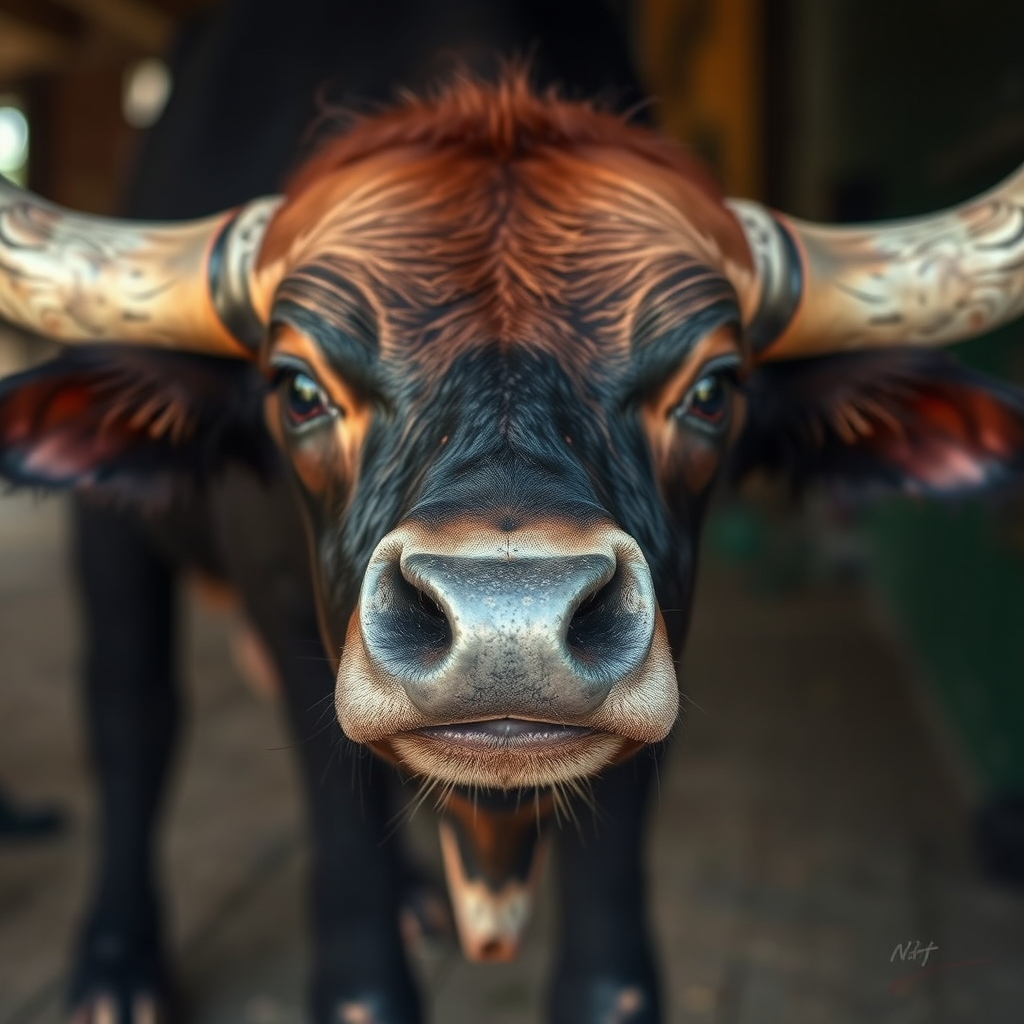
Bull nose rings are commonly referred to as “bull rings.” These rings are essential tools in livestock management, specifically designed to enhance the handling and control of bulls. By providing a means to guide and restrain these powerful animals, bull rings play a crucial role in ensuring safety for both handlers and livestock. In this article, you will learn more about bull rings, their purpose, and the various types available, as well as considerations for installation and alternatives.
The Purpose of Bull Rings
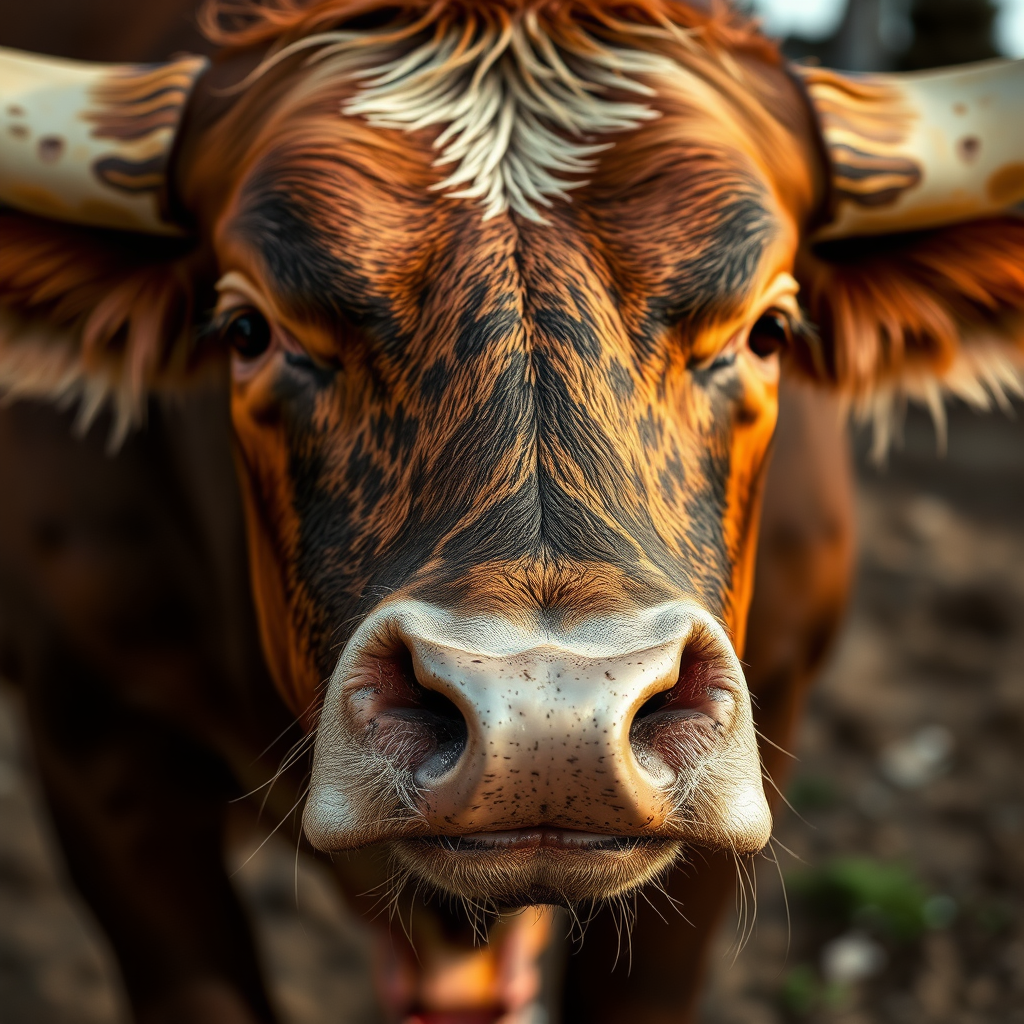
Bull rings serve multiple purposes in livestock management, primarily aiding in the control and handling of bulls. When a bull is fitted with a ring, it becomes significantly easier to lead and manage the animal during routine veterinary procedures, transport, and general handling. This is particularly important given the size and strength of bulls, which can pose safety risks to both handlers and other animals if not properly controlled.
Additionally, bull rings are instrumental during breeding practices, where bulls need to be led to specific areas or confined for mating purposes. By providing a clear point of control, bull rings help ensure that these processes occur smoothly and safely. They also reduce the stress on the animal by providing a familiar and manageable method for movement and restraint, which is beneficial for both the handler and the animal’s welfare.
Types of Bull Nose Rings
There are several types of bull nose rings, each designed for specific applications and preferences:
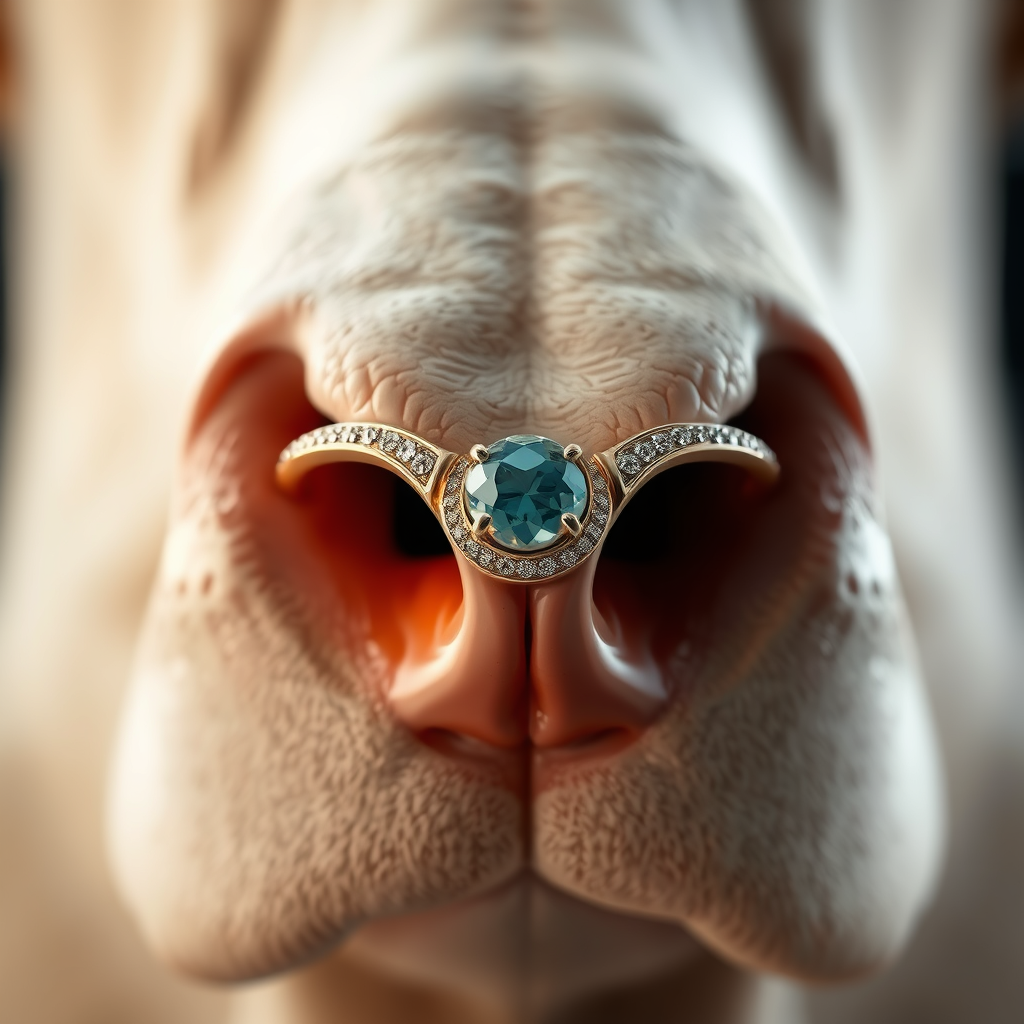
– Traditional Bull Rings: These are circular metal rings that are inserted into the bull’s nose, usually through a piercing. They are typically made of durable materials like stainless steel and are designed for long-term use. Traditional bull rings provide a secure attachment point for lead ropes and other control devices, making them a popular choice among livestock handlers.
– Bull Clips: An alternative to traditional rings, bull clips are designed for ease of attachment and removal. These clips often have a spring mechanism that allows for quick access, making them ideal for situations where frequent handling is necessary. While they may not provide the same level of long-term control as traditional rings, their convenience can be advantageous in specific scenarios.
Each type of bull ring has its unique advantages, and the choice between them often depends on the specific needs of the handler and the temperament of the bull.
Materials Used for Bull Nose Rings
The materials used in the construction of bull nose rings significantly impact their durability and effectiveness. Common materials include:
– Stainless Steel: This is the most prevalent material for bull rings due to its robustness and resistance to rust and corrosion. Stainless steel rings are capable of withstanding the wear and tear of outdoor environments and can maintain their integrity over time, ensuring reliable performance.
– Plastic Variants: These lightweight alternatives are often used for temporary applications or in situations where a less permanent solution is required. While plastic rings may be easier to handle and less intimidating for the animal initially, they typically lack the durability and strength of their metal counterparts. They are often used in situations where the bull is not expected to be under heavy strain or in environments where rusting may be a concern.
Selecting the right material is crucial, as it can influence both the longevity of the ring and the comfort of the bull.
How Bull Rings Are Installed
The installation of bull rings is a process that requires veterinary expertise to ensure the safety and comfort of the animal. The installation typically involves the following steps:
1. Preparation: Before the procedure, the veterinarian will assess the bull’s health and temperament. They will also prepare the appropriate tools and ensure a sterile environment to minimize the risk of infection.
2. Piercing: The actual installation involves piercing the bull’s nasal septum with a specialized tool. This process is usually quick but requires a steady hand and experience to avoid causing unnecessary pain or distress to the animal.
3. Aftercare: Following installation, proper care is essential to prevent infections. The veterinarian will provide guidelines for monitoring the piercing site and may recommend specific cleaning solutions to ensure hygiene. Regular checks should be conducted to look for signs of irritation or infection.
Consulting with a qualified veterinarian is critical at every stage of the installation process to ensure that the bull’s safety and well-being are prioritized.
Safety Considerations
Using bull rings necessitates careful consideration of safety for both the animal and the handler. Here are some key safety practices:
– Veterinary Consultation: Always consult with a veterinarian before considering the installation of a bull ring. They can provide valuable insights into the suitability of the procedure for the specific animal and advise on the best practices for installation and aftercare.
– Regular Monitoring: Once installed, it is essential to conduct regular checks of the bull ring and the piercing site to identify any potential issues early. Signs of infection, inflammation, or discomfort should be addressed immediately to prevent further complications.
– Handling Techniques: Proper handling techniques should be employed when leading a bull with a ring to minimize stress and ensure safety. Handlers should be trained in appropriate methods to prevent abrupt movements that could startle the bull or lead to accidents.
By prioritizing safety and adhering to best practices, handlers can ensure a positive experience for both themselves and the bulls under their care.
Alternatives to Bull Nose Rings
For those who may be hesitant to use bull nose rings, several alternatives can provide effective control without the need for nasal piercing:
– Halters: A halter is a less invasive option that allows for control without piercing. Halters can be adjusted to fit snugly around the bull’s head, providing a secure means of leading and restraining the animal. They can also be used in conjunction with lead ropes for improved control.
– Lead Ropes: When used with halters, lead ropes offer enhanced control and maneuverability. They can be employed for guiding bulls during transportation or veterinary visits without resorting to more invasive methods.
These alternatives can provide effective solutions for managing bulls while ensuring their comfort and minimizing stress.
Bull rings play an essential role in livestock management, providing farmers and handlers with the necessary tools to ensure both safety and efficiency. By understanding their purpose, types, and installation process, you can make informed decisions about using bull rings in your practices. If you’re considering bull rings for your livestock, consult with a veterinary professional to ensure the best approach for your animals. Implementing proper techniques and safety measures will not only safeguard the well-being of your livestock but also enhance the overall effectiveness of your livestock management practices.
Frequently Asked Questions
What is a bull nose ring called and what is its purpose?
A bull nose ring is commonly referred to as a “bull ring” or “nose ring.” It is typically a metal hoop or a pin that is inserted through the nasal septum of a bull or other livestock. The primary purpose of this ring is to facilitate handling and control of the animal, as it allows farmers or handlers to lead or restrain the bull effectively.
How is a bull nose ring installed?
Installing a bull nose ring usually requires a specialized tool called a “bull ring pliers” which helps to create a small hole in the nasal septum. The process must be done carefully to ensure that it is humane and minimizes stress for the animal. Proper hygiene and aftercare are crucial to prevent infection and ensure the well-being of the bull during and after the installation.
Why do farmers use bull nose rings instead of other methods of restraint?
Farmers often prefer bull nose rings because they provide a reliable and efficient method for managing large and powerful animals. Unlike halters or ropes that may slip off or break, a nose ring offers a secure point of control. Additionally, it minimizes the risks associated with traditional restraint methods, allowing for easier handling during veterinary procedures or transport.
What are the best materials for bull nose rings?
The best materials for bull nose rings are typically stainless steel or other rust-resistant metals that are durable and safe for the animal. Stainless steel is preferred due to its strength, resistance to corrosion, and ease of cleaning, which is essential for maintaining hygiene and preventing infection in the nasal area.
Which breeds of bulls are most commonly fitted with nose rings?
Nose rings are commonly used on various breeds of bulls, particularly those that are larger and more aggressive, such as Angus, Hereford, and Holstein. These breeds are often raised for beef production or dairy farming, where control and management are crucial for both safety and productivity. The use of nose rings helps ensure that handlers can work safely with these powerful animals.
References
- Nose ring
- https://www.mentalfloss.com/article/63970/what-difference-between-nose-ring-and-nose-stud
- https://www.ncbi.nlm.nih.gov/pmc/articles/PMC3643707/
- https://www.healthline.com/health/nose-piercing-types
- https://www.webmd.com/beauty/what-to-know-about-nose-piercings
- https://www.thepiercingbible.com/nose-piercings/