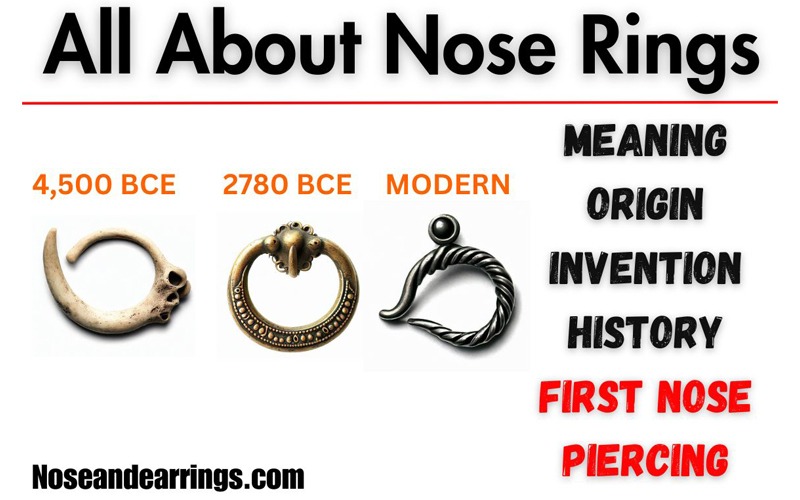
Nose rings serve various purposes, ranging from cultural significance and personal expression to contributions in fashion. These unique accessories can symbolize individuality, cultural identity, and even spiritual beliefs. In this article, we will explore the multifaceted reasons behind wearing nose rings, helping you understand their significance and appeal in today’s diverse society.
Cultural Significance

Nose rings have a rich cultural history, especially in South Asian and Middle Eastern societies. In India, for instance, a nose ring, known as a “nath,” is traditionally worn by brides as a symbol of their marital status and cultural heritage. The practice dates back centuries and is deeply rooted in various rituals and customs. Similarly, in Middle Eastern cultures, nose rings can signify wealth and social status, often adorned with precious metals and intricate designs.
These adornments also mark significant life milestones. In various cultures, the act of piercing the nose and wearing a ring can symbolize the transition to adulthood, serving as a rite of passage for young women. Additionally, in some African cultures, nose rings are associated with tribal identity and heritage, representing belonging and community ties. The intricate designs may vary between tribes, each carrying its own unique symbolism and meaning.
Fashion and Self-Expression

In contemporary society, many individuals wear nose rings primarily as a fashion accessory, allowing them to showcase their personal style. The versatility of nose rings enables wearers to choose from various designs, metals, and placements, making it easy to find a style that resonates with their identity. This trend reflects a broader cultural shift towards embracing diversity and individuality in fashion.
Nose rings also serve as a medium for self-expression, allowing individuals to differentiate themselves from mainstream trends. For instance, a simple stud may convey a more understated aesthetic, while a bold septum ring can be an assertion of one’s rebellious spirit. The choice of a nose ring can communicate a multitude of messages about the wearer’s personality, values, and lifestyle. This form of self-adornment empowers individuals, giving them the freedom to express their uniqueness in a world increasingly focused on conformity.
Spiritual and Symbolic Meanings
Beyond their aesthetic appeal, nose rings often carry spiritual significance in various cultures. For instance, in some Indian traditions, it is believed that wearing a nose ring can enhance feminine energy and provide protection against negative forces. This belief often intertwines with practices in Ayurveda and traditional medicine, where the piercing of the left nostril is thought to ease childbirth and enhance reproductive health.
In modern Western contexts, nose rings can symbolize rebellion or non-conformity, especially among youth and alternative subcultures. This adoption of nose rings often challenges societal norms, positioning the accessory as a statement against conventional beauty standards. This symbolism resonates deeply with those seeking to express their individuality and defy traditional expectations surrounding body image.
Types of Nose Rings
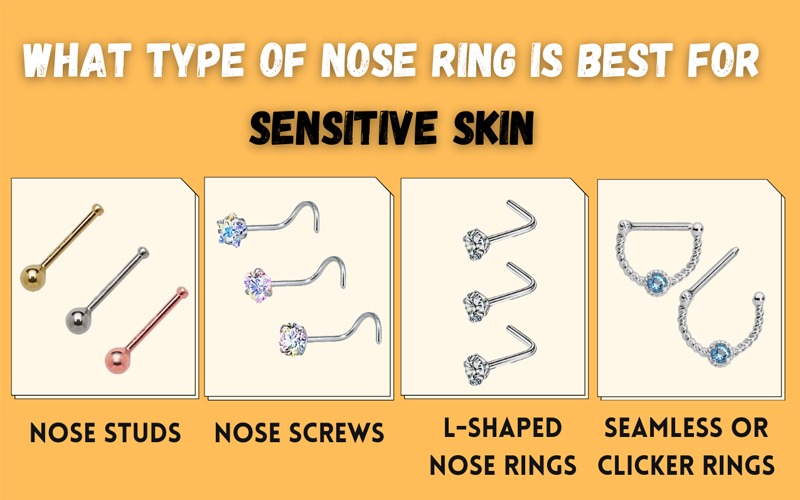
The variety of nose rings available today is vast, with styles including studs, hoops, and septum rings, each catering to different tastes and cultural backgrounds. Nose studs are often small and subtle, ideal for those who prefer minimalistic designs. Conversely, hoops can range from delicate to dramatic, making a bold fashion statement. Septum rings have gained immense popularity in recent years, often associated with a more edgy, avant-garde aesthetic.
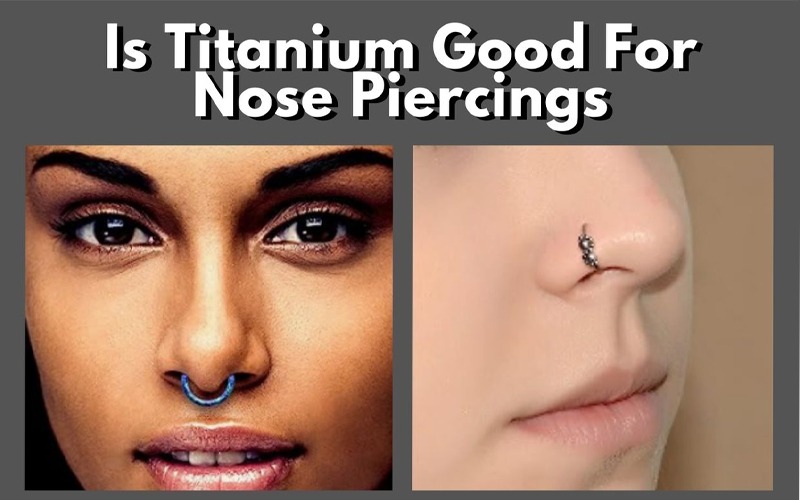
When choosing a nose ring, the type of metal and design can also reflect personal taste or cultural symbolism. For example, gold and silver are traditional choices in many cultures, while contemporary fashion often embraces materials like titanium or surgical steel, which can cater to those with sensitive skin. Some individuals opt for unique designs featuring gemstones or intricate patterns, indicating their personal style and preferences.
Health Considerations
While nose rings can be a beautiful form of self-expression, proper care is essential to prevent infections and ensure healing after piercing. It’s crucial to seek professional help for the piercing process to minimize risks. Aftercare involves cleaning the area with saline solution and avoiding unnecessary touching, which can introduce bacteria.
Understanding the potential risks associated with nose rings is equally important. Allergic reactions to certain metals, particularly nickel, can occur, making it essential to choose hypoallergenic materials. Additionally, the healing process can vary from individual to individual, so patience is key. By following proper aftercare guidelines, individuals can enhance their wearing experience and enjoy their nose rings without complications.
Trends and Popularity
In recent years, the popularity of nose rings has surged, significantly influenced by celebrities and social media platforms. Influencers and fashion icons have embraced nose rings as a staple, further normalizing their presence in everyday fashion. This visibility has contributed to a broader acceptance of body modifications, including piercings, in mainstream culture.
The rise of body positivity and the acceptance of diverse beauty standards have also played a crucial role in the popularity of nose rings. As society increasingly embraces various forms of self-expression, nose rings have emerged as symbols of empowerment and individuality. This cultural shift encourages a more inclusive understanding of beauty, allowing individuals to celebrate their unique identities through adornment.
How to Choose the Right Nose Ring
Selecting the right nose ring involves considering multiple factors, including your lifestyle, skin sensitivity, and personal style. Those with active lifestyles may prefer more secure options, such as hoops or septum rings, that are less likely to get caught on clothing or other objects. Conversely, individuals with sensitive skin should prioritize hypoallergenic materials to avoid discomfort.
It is also essential to explore different designs and metals to find one that resonates most with you. Visiting jewelry stores or online boutiques can provide valuable insights, allowing you to compare styles and materials firsthand. Engaging with communities on social media can also offer inspiration and recommendations, helping you make an informed decision.
In summary, the purpose of nose rings extends beyond mere decoration; they encompass cultural, personal, and spiritual dimensions. Whether you are considering getting your first nose ring or simply curious about their significance, understanding these aspects can enhance your appreciation for this unique form of self-expression. Feel free to explore various styles and meanings to find one that resonates with you!
Frequently Asked Questions
What is the cultural significance of nose rings?
Nose rings have a rich cultural history and significance in many societies around the world. They are often seen as symbols of beauty, status, or marital status. In South Asian cultures, for example, the nose ring, or “nath,” is traditionally worn by brides and signifies their marital status and cultural heritage. Understanding the cultural context of nose rings can help individuals appreciate their significance beyond mere fashion.
How do I choose the right type of nose ring for me?
Choosing the right type of nose ring involves considering factors like your personal style, comfort, and the type of piercing you have. Options include stud, hoop, or septum rings, each offering a different aesthetic. It’s essential to select materials that are hypoallergenic and suitable for your skin type, such as surgical steel or titanium, to prevent irritation or allergic reactions.
Why do people wear nose rings?
People wear nose rings for various reasons, including personal expression, cultural identity, and fashion trends. For many, a nose ring represents individuality and a unique sense of style, while others may wear it as part of a cultural or religious tradition. Additionally, nose rings have become increasingly popular in contemporary fashion, making them a common accessory among diverse groups.
What are the best materials for nose rings?
The best materials for nose rings are those that minimize the risk of irritation and allergic reactions. Surgical stainless steel, titanium, and 14k gold are highly recommended due to their biocompatibility and durability. Avoid materials like nickel and cheap alloys, as they can cause infections or allergic reactions. Always consult with a professional piercer for material recommendations tailored to your needs.
Which aftercare practices should I follow for a new nose ring?
Proper aftercare is crucial for a new nose ring to ensure it heals correctly and reduces the risk of infection. Clean the area regularly with a saline solution or an antiseptic recommended by your piercer, and avoid touching or twisting the ring. Additionally, refrain from swimming in pools or hot tubs until the piercing is fully healed, which can take several weeks. Following these practices will help maintain the health of your piercing and promote faster healing.
References
- Nose ring
- https://www.bbc.com/culture/article/20180525-what-nose-piercings-say-about-you
- https://www.ncbi.nlm.nih.gov/pmc/articles/PMC4743560/
- https://www.huffpost.com/entry/nose-piercing-history_n_5caa7e4be4b0a9f6d58c5dbe
- https://www.theatlantic.com/science/archive/2017/04/the-piercings-that-changed-the-world/522751/
- Mesenteric Artery Thrombosis – StatPearls – NCBI Bookshelf