Nose rings hold profound cultural and personal significance across diverse societies and individuals. They symbolize a rich tapestry of meanings, ranging from tradition and beauty to rebellion and self-expression. Historically rooted in ancient practices, nose rings have evolved to become both a fashion statement and a form of personal identity. In this article, we will explore the multifaceted significance of nose rings, delving into their historical roots, cultural implications, and modern interpretations.
Historical Context of Nose Rings
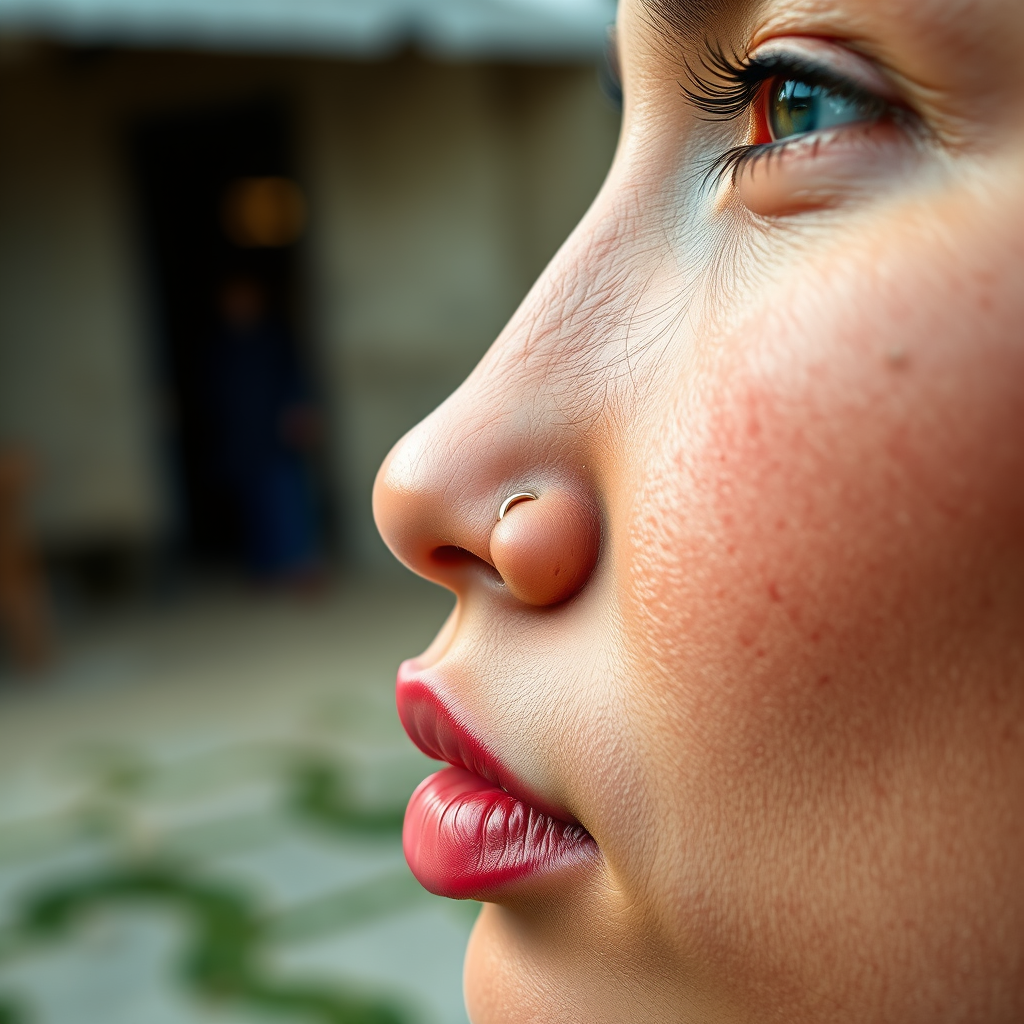
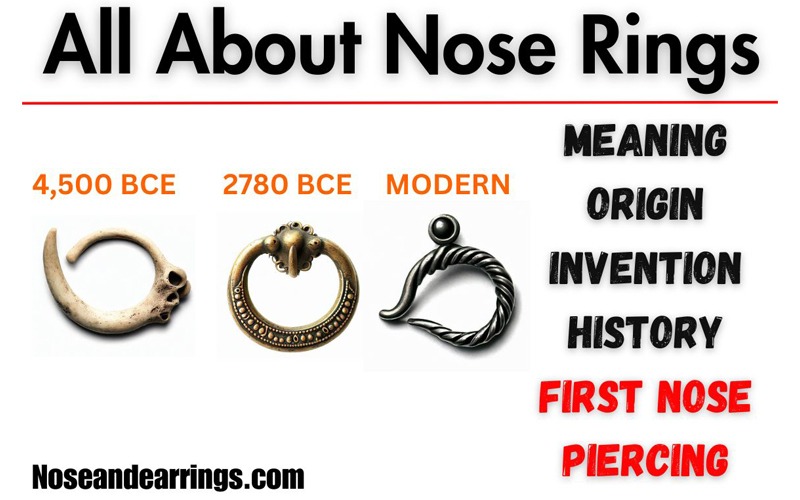
Nose rings have a storied history that dates back thousands of years, with their origins traceable to ancient civilizations such as the Indus Valley, where they were worn as early as 2000 BCE. In these early societies, the act of wearing a nose ring was not merely a fashion choice but a symbol of wealth and status. For example, in the ancient Persian Empire, nose rings were often adorned with precious stones, signifying the wearer’s affluence and social standing.
In many cultures, nose rings have also served as rites of passage. In some South Asian traditions, the piercing of the nose is a ceremonial act that marks the transition into adulthood for women, often accompanied by elaborate rituals. Throughout history, these adornments have been seen as markers of identity and social belonging, reinforcing the notion that body jewelry is deeply interwoven with cultural narratives.
Cultural Significance Across Regions

The cultural significance of nose rings varies widely across different regions, each carrying unique interpretations and meanings. In India, for instance, the traditional nose ring, known as a “nath,” is an integral part of bridal attire. Worn predominantly by married women, it signifies marital status, purity, and cultural heritage. The nath is often elaborately designed, reflecting the rich craftsmanship of Indian jewelry-making and the importance of tradition in Indian society.
In various African cultures, nose rings can symbolize tribal affiliation and social status. For example, among the Himba people of Namibia, women wear intricate nose rings as a part of their identity, which can indicate their marital status as well as their prominence within the community. Similarly, in Middle Eastern cultures, nose rings may signify wealth or status and can be seen as a form of cultural pride and personal expression.
Modern Interpretations and Trends
In contemporary society, the perception of nose rings has shifted dramatically. While they retain their cultural significance in many communities, they have also been embraced by various subcultures and mainstream fashion. Today, nose rings are frequently viewed as a bold fashion statement rather than solely a cultural symbol. This evolution has been propelled by the rise of social media, where platforms like Instagram and TikTok have popularized diverse styles of body jewelry among younger generations.
Fashion-forward individuals often mix and match nose rings with other body jewelry, creating a unique personal style that speaks to their individuality. This trend also highlights the growing acceptance of body modifications in mainstream culture, where nose rings are increasingly seen as an accessory that enhances personal aesthetics rather than a taboo.
Personal Expression and Identity
For many individuals, nose rings serve as a powerful medium for self-expression. They provide a way to showcase personality, beliefs, and individuality, allowing wearers to communicate their identity without the need for words. In a world where conformity often reigns, nose rings can serve as a form of rebellion against societal norms, empowering individuals to embrace their uniqueness.
Moreover, the choice of a nose ring can reflect a wearer’s values and lifestyle. For example, those who choose ethically sourced or handmade jewelry may wish to express their commitment to sustainability, while others might opt for minimalist designs that align with a more understated aesthetic. This personal connection to body jewelry underscores the broader implications of fashion as a form of self-identity and agency.
Health and Safety Considerations
While nose rings can be a beautiful form of expression, it is essential to consider health and safety when getting one. Proper care and hygiene are critical to avoiding infections and complications associated with the piercing process. Individuals should seek professional piercers who prioritize cleanliness and use sterile equipment to minimize risks.
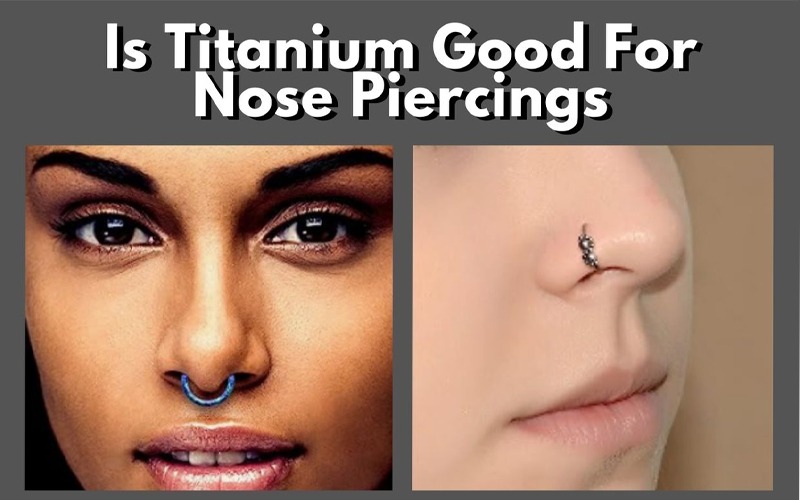
In addition, choosing the right materials for nose rings plays a vital role in ensuring comfort and safety. Hypoallergenic metals, such as titanium or surgical stainless steel, are recommended for those with sensitive skin or allergies, as these materials are less likely to cause adverse reactions. Regular cleaning and care of the piercing area can also help maintain its health and prevent infections.
How to Choose the Right Nose Ring
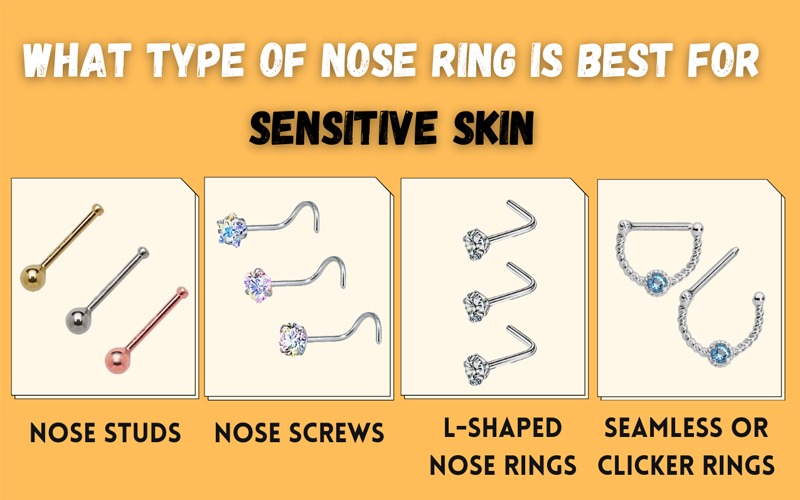
Selecting the perfect nose ring involves considering various factors that align with personal style and comfort. The size, style, and material of the nose ring should reflect individual preferences while also accommodating the anatomy of the wearer’s nose. For instance, nose studs, hoops, and septum rings each offer different aesthetics and may appeal to different sensibilities.
Researching the various types of nose rings can help individuals find the best fit for their lifestyle. For those who prefer a subtle look, a simple stud may be ideal, while those seeking a bolder statement might gravitate towards larger hoops or decorative septum rings. Understanding one’s own aesthetic and how it fits within the broader context of cultural significance can enrich the experience of wearing a nose ring.
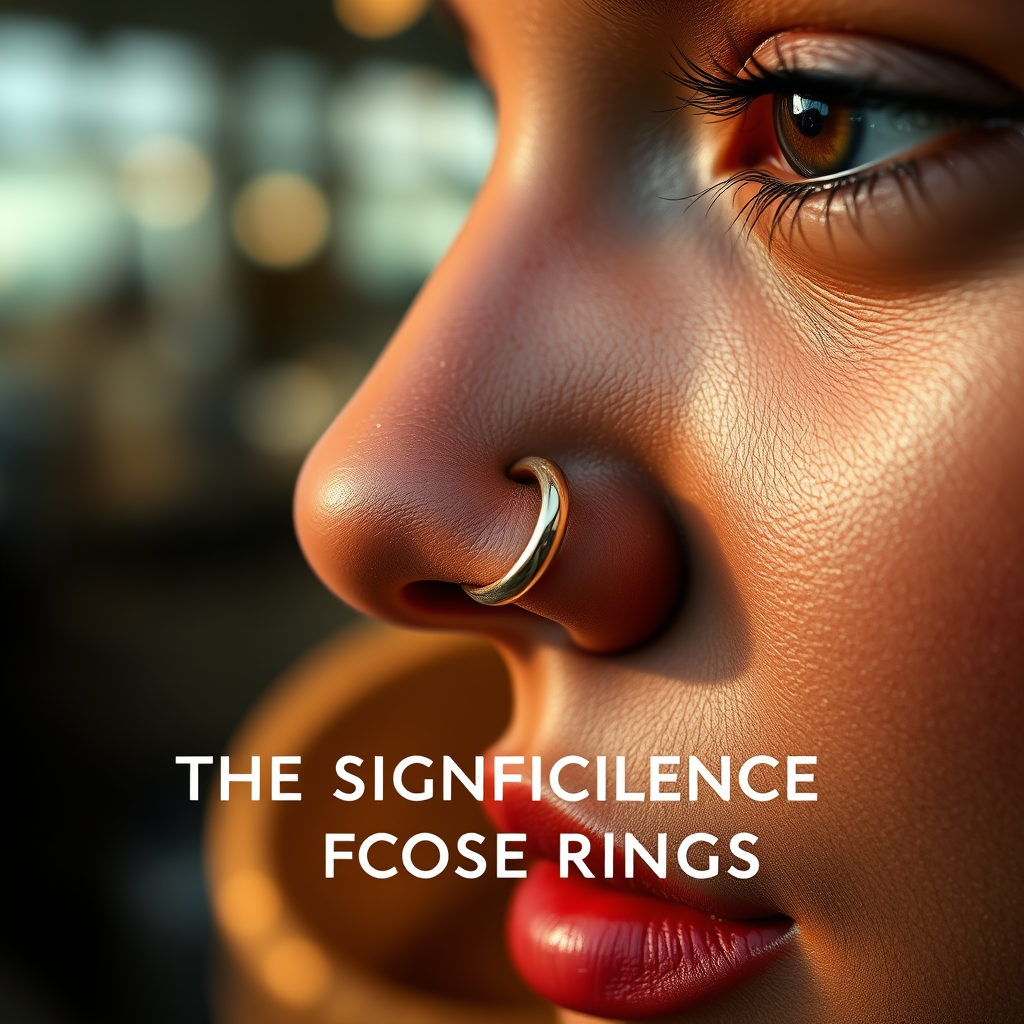
Nose rings are rich in cultural significance and serve as a powerful tool for personal expression. Whether worn for tradition, fashion, or identity, they encapsulate a variety of meanings that resonate across generations. By understanding their historical roots and cultural implications, individuals can make informed choices when considering a nose ring, thereby embracing this unique form of body jewelry while honoring its multifaceted significance.
Frequently Asked Questions
What is the cultural significance of nose rings?
Nose rings have deep cultural significance in various societies around the world. In many South Asian cultures, for example, they symbolize marriage and are often given as a gift to brides. Additionally, in Indigenous cultures, nose rings can signify social status and personal identity, while in contemporary settings, they are often seen as a form of self-expression and rebellion against conventional beauty norms.
How do I choose the right nose ring for my style?
Choosing the right nose ring involves considering your personal style, lifestyle, and comfort. There are various styles such as studs, hoops, and septum rings, each offering a different aesthetic. It’s essential to select materials that suit your skin sensitivity, with options like surgical steel, titanium, or gold being popular for their hypoallergenic properties. Ultimately, choose a design that resonates with your personality and fits your everyday look.
Why do people get nose piercings?
People get nose piercings for a variety of reasons, including cultural traditions, personal expression, and fashion trends. For some, it is a rite of passage or a symbol of identity, while others may simply enjoy the aesthetic appeal it brings to their face. Additionally, nose piercings can serve as a form of self-expression, allowing individuals to showcase their unique style and individuality.
What are the best aftercare practices for a new nose piercing?
Proper aftercare is crucial for a new nose piercing to avoid infections and promote healing. It is recommended to clean the piercing with saline solution or a gentle saline spray twice a day and avoid touching it with dirty hands. Additionally, refrain from changing the jewelry for at least six to eight weeks, and avoid swimming in pools or hot tubs during the healing process. Following these practices will help ensure a smooth recovery and minimize discomfort.
Which types of nose rings are easiest to wear and maintain?
The easiest types of nose rings to wear and maintain are typically studs and simple hoops. Nose studs, especially those with a push-back or screw-on feature, tend to stay securely in place and are less likely to get caught on clothing. Simple hoops are also user-friendly, provided they have a secure closure mechanism. Both styles require minimal maintenance and are ideal for everyday wear, making them popular choices for first-time piercers.
References
- Nose ring
- https://www.ncbi.nlm.nih.gov/pmc/articles/PMC7033070/
- https://www.bbc.com/culture/article/20190612-why-are-nose-piercings-so-popular
- https://www.history.com/news/piercings-history
- https://www.psychologytoday.com/us/blog/the-moment-youth/201908/what-your-body-art-says-about-you
- https://www.verywellmind.com/what-body-piercings-represent-5209669
- Headaches – NCBI Bookshelf