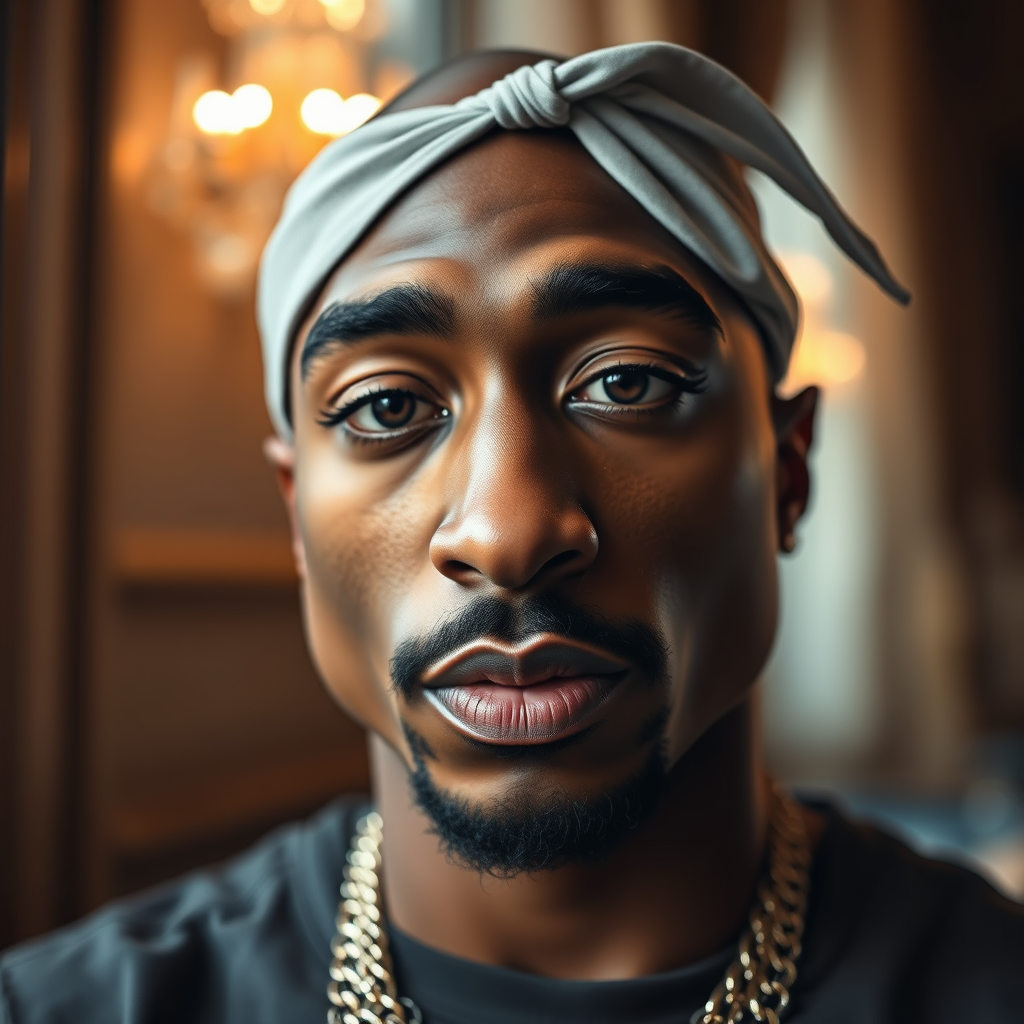
The Iconic Look of Tupac
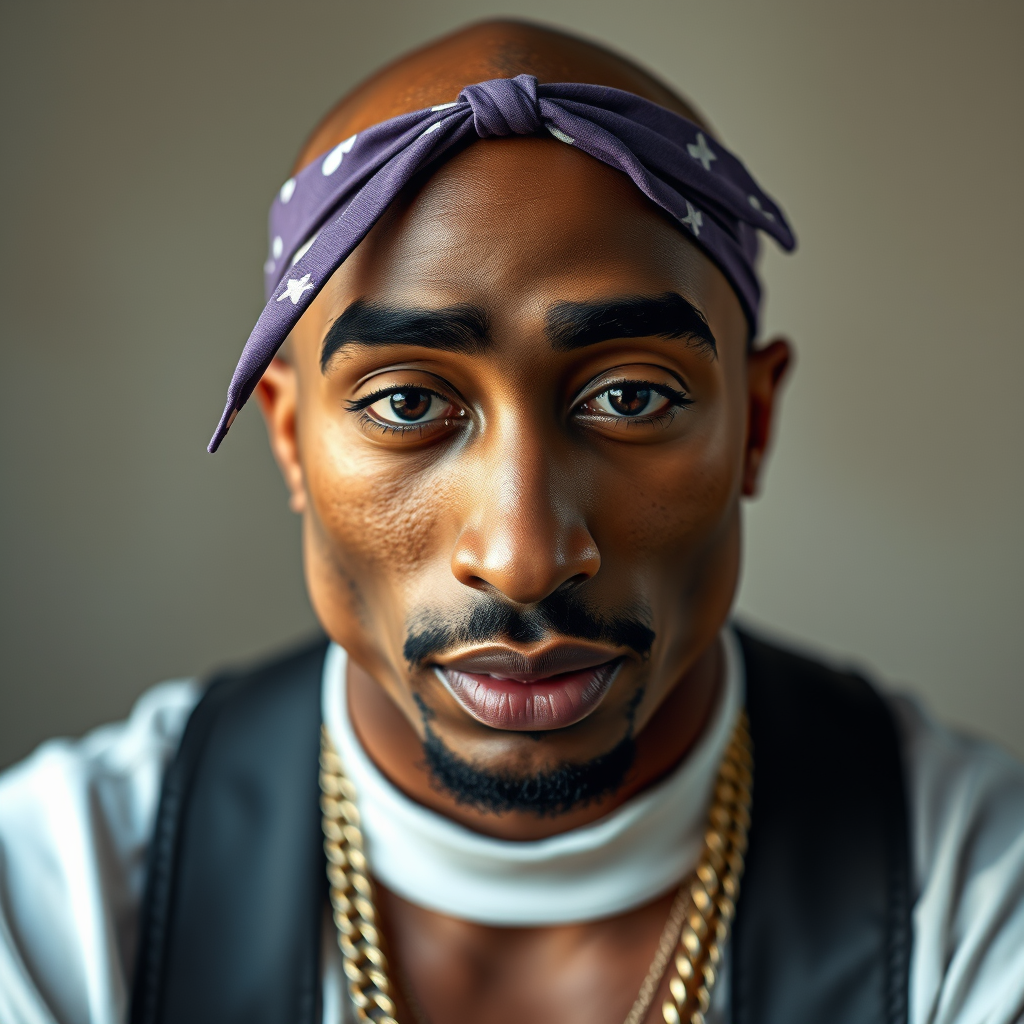
Tupac’s nose ring became a symbol of his rebellious spirit, encapsulating the essence of a man who defied societal norms. The choice to wear the ring on the left side of his face was not arbitrary; it was a deliberate statement that set him apart from his peers. In the 1990s, when body piercings were not as widely accepted as they are today, Tupac’s left-side nose ring challenged conventional notions of masculinity and beauty.
Tupac’s image was meticulously crafted through his fashion choices, which included baggy clothing, bandanas, and the iconic nose ring. This look resonated with many young people who felt marginalized by society, allowing them to connect with Tupac on a personal level. His distinctive appearance became emblematic of a generation that sought authenticity and self-expression, and the nose ring played a crucial role in this narrative.
Cultural Significance of Nose Rings
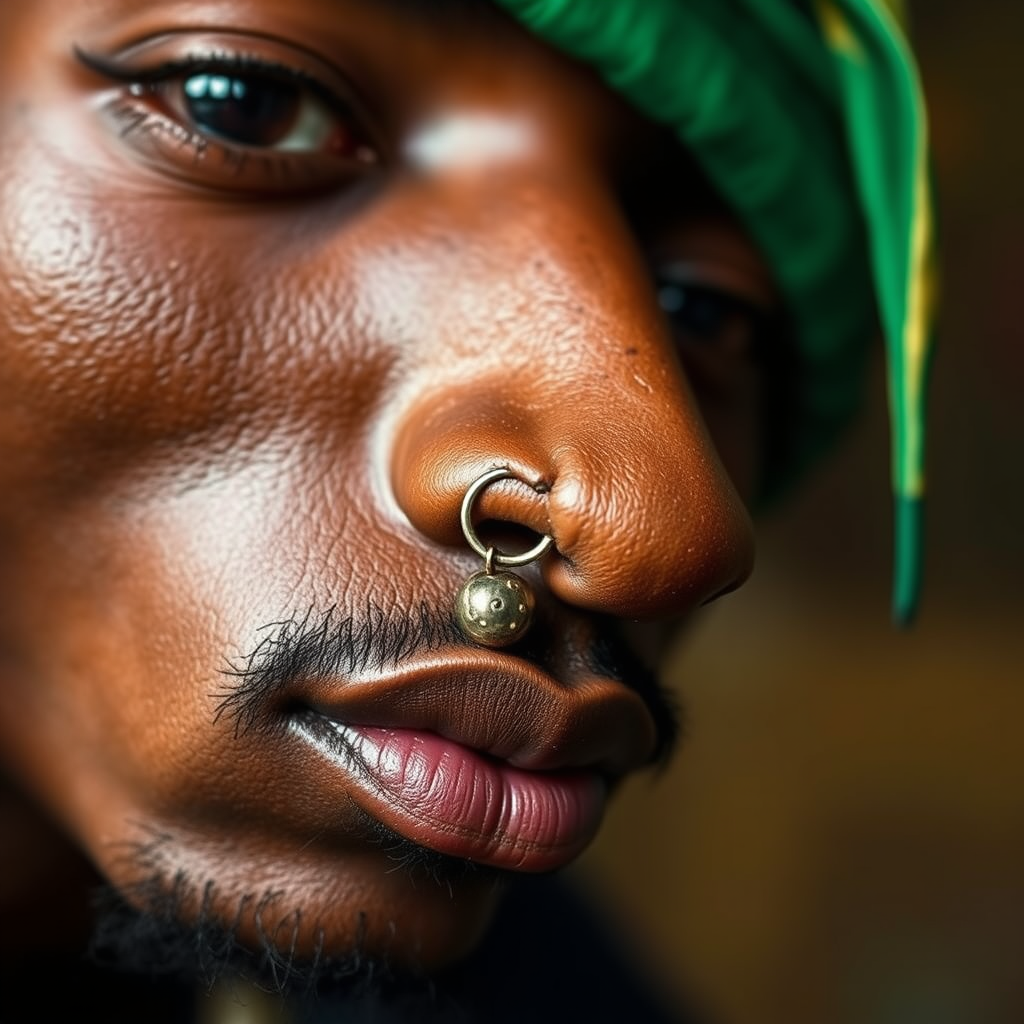
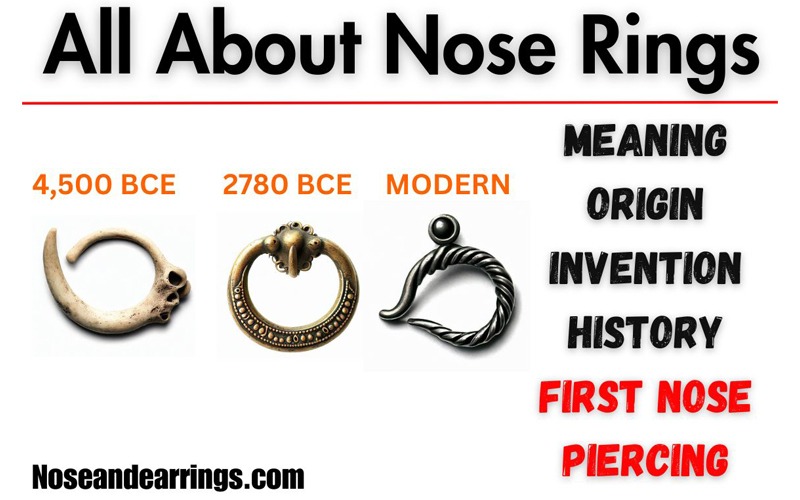
Nose rings have a long and varied history across different cultures, symbolizing strength, individuality, and even spiritual significance. In many cultures, particularly in South Asia and Africa, nose rings are worn as a rite of passage or a marker of social status. By incorporating a nose ring into his image, Tupac linked his personal identity to these rich cultural traditions, thereby elevating its significance within the hip-hop community.
Tupac’s choice to wear a nose ring also contributed to the normalization of body piercings in hip-hop culture. Before his rise to fame, body piercings were often stigmatized, viewed as rebellious or countercultural. However, Tupac’s mainstream success helped shift perceptions, making body modifications more accepted among fans and artists alike. His influence can be seen in the countless hip-hop artists who followed his lead, adopting similar styles and embracing body piercings as a form of self-expression.
Fashion Influences of the 90s
The 1990s were a transformative decade for fashion, particularly in the realm of hip-hop, where bold statements were the order of the day. Artists like Tupac, Biggie Smalls, and Aaliyah redefined fashion norms, using their style as a canvas for personal expression. Tupac, in particular, was at the forefront of this movement, with his left-side nose ring becoming a hallmark of his signature look.
The fashion trends of the 90s were characterized by an eclectic mix of influences, including streetwear, athletic wear, and high fashion. Artists often wore oversized clothing, colorful prints, and eye-catching accessories, making their style an extension of their musical identity. Tupac’s nose ring was more than just an accessory; it was a statement piece that embodied the era’s spirit of individuality and creativity. As a result, many fans began to emulate his style, leading to a lasting impact on hip-hop fashion that continues to resonate today.
Tupac’s Personal Style and Identity
The left-side nose ring represented Tupac’s personal expression and defiance against societal norms. It was a physical manifestation of his belief in authenticity and the importance of standing out in a world that often tries to pigeonhole individuals. For Tupac, every element of his appearance was intentional, serving as a canvas for his thoughts, beliefs, and experiences.
This nose ring also played a role in shaping his public persona as a voice for the marginalized. Tupac was not just a rapper; he was a poet, activist, and philosopher whose music often tackled social issues such as inequality, poverty, and systemic injustice. His style, including the iconic left-side nose ring, became intertwined with his messages, reinforcing the idea that personal identity and social consciousness could coexist.
Legacy of Tupac’s Nose Ring
The influence of Tupac’s fashion choices can still be seen in contemporary hip-hop. His left-side nose ring, along with other signature elements of his style, has inspired countless artists and fans, many of whom view his look as a blueprint for personal expression. Today, body piercings, including nose rings, are commonplace in the music industry, reflecting the cultural shift that Tupac helped catalyze.
Artists such as Lil Uzi Vert, Travis Scott, and even female artists like Cardi B have embraced body modifications as part of their public personas. The nose ring, once a symbol of rebellion, has evolved into a mainstream accessory that many incorporate into their style. This shift underscores Tupac’s lasting impact on fashion and culture, solidifying his status as a trendsetter whose influence transcends generations.
Tupac’s nose ring on the left side remains a memorable aspect of his image, symbolizing his individuality and impact on culture. By understanding its significance, we can appreciate how he shaped the landscape of hip-hop fashion and expression. His bold choices in style and self-presentation continue to inspire new generations, reminding us of the power of personal expression in art and culture. Explore more about Tupac’s life and legacy to see how his style continues to resonate today.
Frequently Asked Questions
What side was Tupac’s nose ring on?
Tupac Shakur famously wore his nose ring on the left side. This distinctive jewelry piece became part of his iconic style, contributing to his memorable persona in the hip-hop culture of the 1990s. Many fans and followers of Tupac’s fashion often reference this detail, showcasing how it symbolized his rebellious spirit.
Why did Tupac choose to wear a nose ring?
Tupac’s choice to wear a nose ring can be attributed to his desire to express individuality and defy conventional norms. In hip-hop culture, jewelry often signifies status and personal expression, and Tupac’s left-side nose ring helped him stand out as a unique figure. Additionally, his style choices often reflected broader cultural influences, including African and Native American traditions, which celebrated body adornment.
How did Tupac’s nose ring contribute to his image?
Tupac’s nose ring played a significant role in shaping his public image as an artist who was unafraid to challenge societal expectations. The ring, combined with his bold fashion choices and lyrical content, helped cultivate an image of a strong, rebellious figure who spoke for the marginalized. This aspect of his persona resonated with fans and contributed to his lasting legacy in music and culture.
Which artists were influenced by Tupac’s nose ring style?
Many contemporary artists have drawn inspiration from Tupac’s nose ring and overall style. Notable figures like Lil Wayne, Kanye West, and more recently, rappers such as Post Malone have embraced body piercings and unique fashion statements reminiscent of Tupac’s aesthetic. This influence highlights how Tupac’s fashion choices continue to impact the hip-hop community and beyond.
What can I learn from Tupac’s fashion choices, including his nose ring?
Tupac’s fashion choices, including his left-side nose ring, emphasize the importance of self-expression and authenticity. His style reflects a blend of personal identity and cultural heritage, encouraging fans to embrace their uniqueness. By studying Tupac’s approach to personal style, individuals can learn to use fashion as a powerful tool for self-representation and to make bold statements in their own lives.
References
- Tupac Shakur
- https://www.bbc.com/news/entertainment-arts-37162280
- https://www.rollingstone.com/music/music-news/tupac-shakur-nose-ring-photos-1234663075/
- https://www.theguardian.com/music/2021/jun/16/tupac-shakur-25-years-later
- https://www.npr.org/sections/therecord/2016/09/13/493785560/how-tupac-shakur-changed-hip-hop-and-forever-challenged-america
- Tupac Shakur: Biography, Rapper, Actor
- https://www.history.com/topics/music-history/tupac-shakur