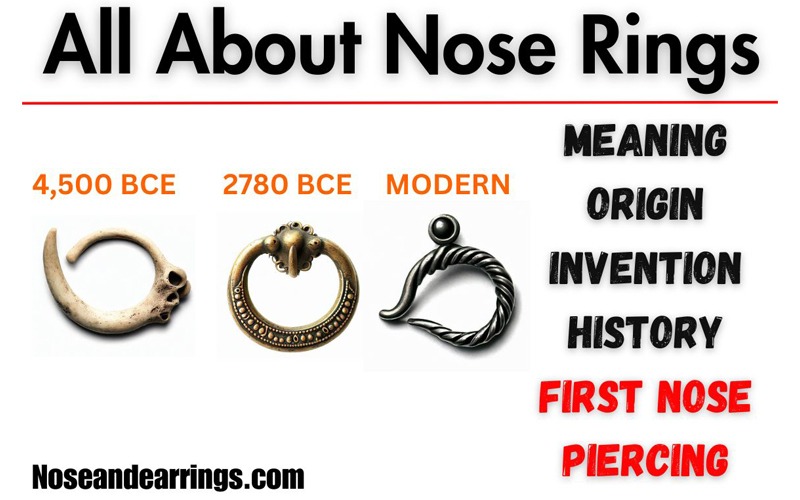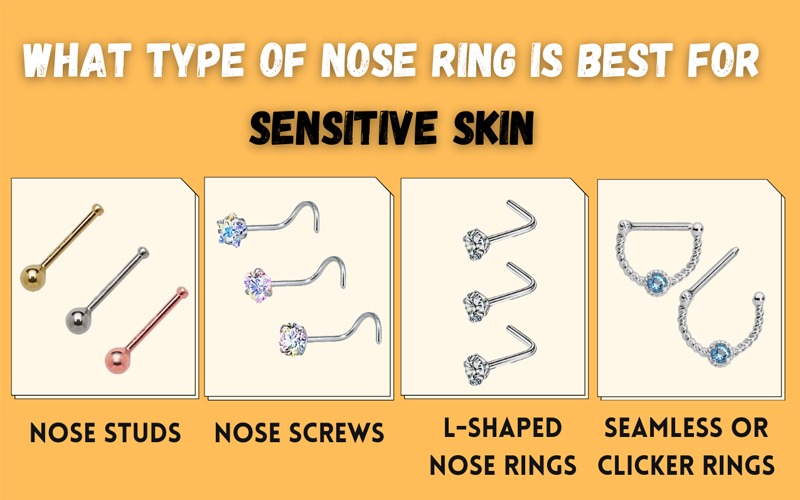
Wearing nose rings is not merely a fashionable choice for Indian brides; it is a deeply entrenched cultural tradition that symbolizes marriage, femininity, and a woman’s identity within her family and community. This adornment, often adorned with intricate designs, signifies more than just aesthetic appeal—it encapsulates centuries of history and cultural practices. In this article, we will explore the profound significance of nose rings in Indian weddings, the various styles that exist, and how perceptions of this beautiful ornament have evolved over time.
Historical Significance
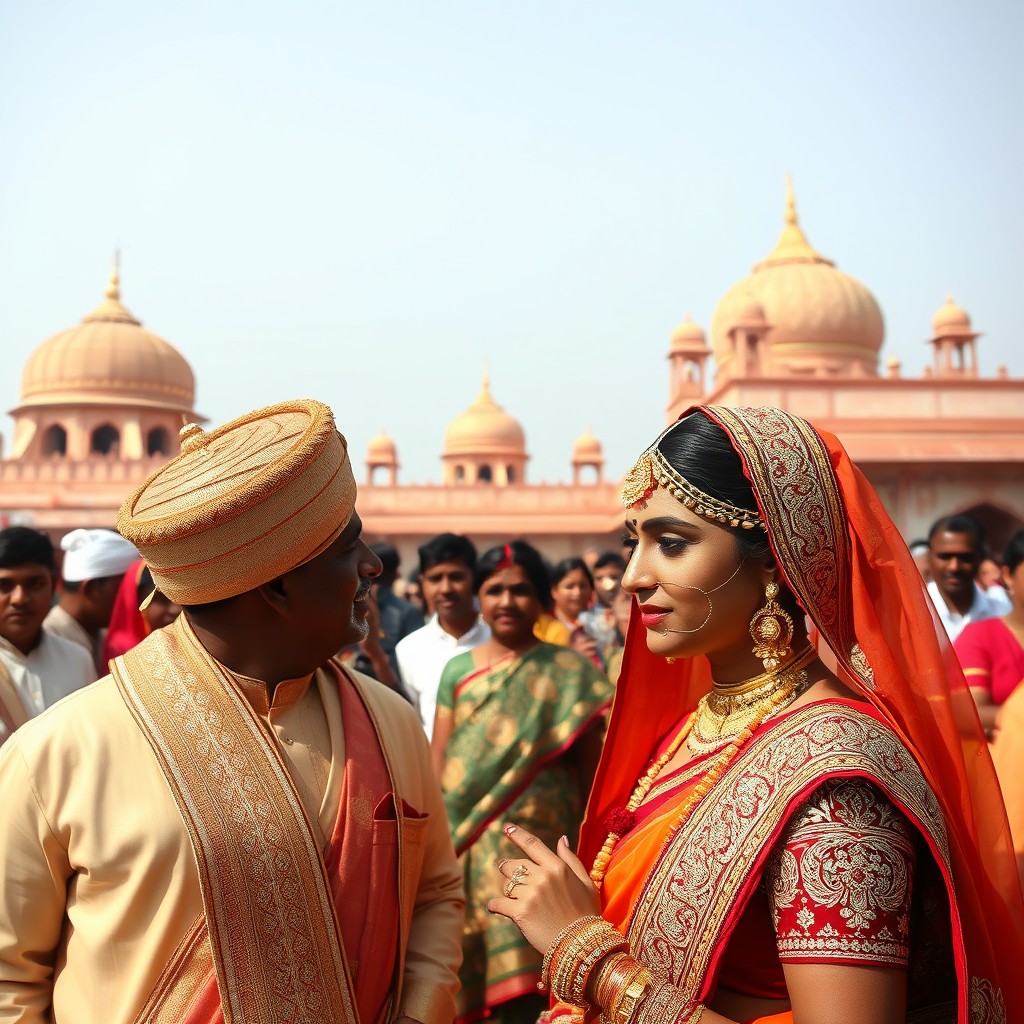
Nose rings have held an esteemed place in Indian culture for centuries, with historical references dating back to ancient texts and scriptures. The practice of wearing a nose ring is believed to have originated in the Middle East and found its way into Indian culture during the Mughal era, becoming a symbol of wealth and status. Traditionally, they denote a woman’s marital status, marking her as a bride and a member of her husband’s family. Moreover, these adornments often reflect a family’s heritage and status within society, connecting generations through a shared cultural practice.
In ancient Indian texts, such as the Rigveda, there are mentions of women wearing nose rings as a symbol of beauty and marital commitment. The historical significance of nose rings is evident in the way they are integrated into various ceremonies, particularly during weddings, where brides wear elaborate jewelry, including nose rings, as part of their bridal ensemble. This historical context highlights the profound role that nose rings have played in defining femininity and cultural identity in India.
Cultural Symbolism
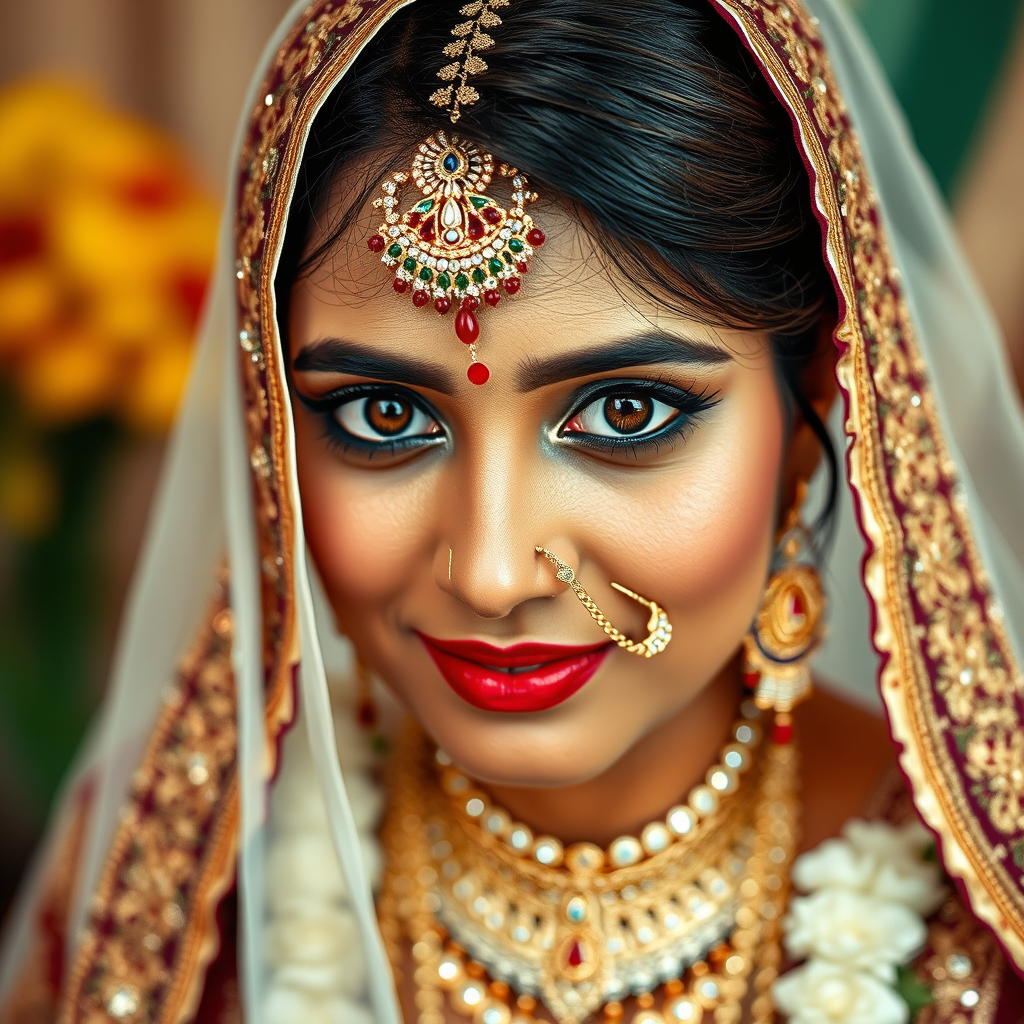
In many Indian communities, the nose ring represents not only marital status but also prosperity and good fortune. It is often infused with spiritual significance; for instance, the nose ring is associated with the goddess Parvati, revered as the embodiment of love, devotion, and fertility. This connection imbues the nose ring with deeper meanings, suggesting that wearing one is not merely an aesthetic choice, but a way of honoring divine feminine qualities.
Additionally, in several cultures, the act of gifting a nose ring during wedding ceremonies symbolizes the groom’s commitment and the bride’s acceptance into his family. This exchange further cements the nose ring’s role as a cultural emblem of love and responsibility. In modern times, this symbolism has evolved, but the essence of love, devotion, and familial ties remains strong among brides and their families.
Types of Nose Rings
The diversity of nose rings available in Indian culture is vast, reflecting regional aesthetics, personal preferences, and cultural heritage. Among the most popular styles is the traditional nath, a larger, ornate nose ring often embellished with pearls and stones, typically worn on the left nostril. This style is particularly prevalent in North India, where it is an integral part of the bridal look.
Conversely, in South India, brides may opt for smaller stud-like rings, known as mookuthi, which are more subtle yet equally significant. These designs often serve as a reflection of regional customs and family traditions. Each type of nose ring carries its own unique meanings; for example, the nath is often seen as a representation of a bride’s beauty and status, while simpler designs may symbolize modesty and elegance.
Moreover, contemporary adaptations and modern interpretations of nose rings have emerged, with brides experimenting with various materials and styles that blend traditional motifs with modern aesthetics. This fusion allows brides to express their individuality while honoring cultural heritage.
Regional Variations
The significance and style of nose rings can vary greatly across India’s diverse regions, showcasing the rich tapestry of traditions that exist within the country. For instance, while the nath is a hallmark of North Indian bridal attire, in Maharashtra, brides may wear a nath that is intricately designed, often with elaborate gold work and embellishments, reflecting the region’s artistic heritage.
In contrast, Southern Indian brides frequently wear the mookuthi, which is more understated yet carries its own cultural weight. The mookuthi is often crafted from gold and may feature intricate designs that symbolize the bride’s family lineage and cultural background.
In the northeastern states of India, the nose ring is often larger and more ornamental, reflecting the unique customs of tribal communities. Each region’s variations not only celebrate local craftsmanship and artistry but also highlight the importance of nose rings as a cultural symbol, reinforcing the idea that these adornments are deeply rooted in the identity of the wearer.
Modern Interpretations
In recent years, the perception of nose rings has undergone a transformation, especially among younger generations of brides. While traditional styles remain cherished, contemporary brides are increasingly viewing nose rings as a fashion statement, integrating them into their overall wedding attire in innovative ways. This shift signifies a blend of tradition and modernity, where brides are encouraged to express their individuality while still honoring cultural practices.
The resurgence of nose rings in popular culture, influenced by fashion designers and celebrities, has further fueled interest among younger women. Social media platforms have become a space where brides showcase their unique bridal looks, often featuring nose rings that combine traditional elements with modern designs, thereby inspiring others to embrace this beautiful ornamentation.
Moreover, the evolving narrative surrounding nose rings presents an opportunity for dialogue about cultural identity and personal expression. As more women choose to wear nose rings as a symbol of empowerment and individuality, the adornment takes on new meanings, transcending its traditional roots and becoming a canvas for personal style.
Care and Maintenance
Proper care and maintenance of nose rings are essential, especially for those who are newly pierced. Ensuring that the piercing site is clean and free from infections is crucial for long-term wear. It is recommended to use saline solutions or specialized cleaning products to maintain hygiene and prevent irritation.
Additionally, choosing hypoallergenic materials for nose rings can significantly reduce the risk of allergic reactions. Materials such as surgical stainless steel or gold are often preferred for their non-reactive properties. Regular check-ups with a professional piercer can help ensure that the nose ring remains in good condition and that the piercing heals properly.
For brides, maintaining the quality of their nose rings is vital, as these pieces often carry sentimental value. Ensuring that they are stored properly when not in use and regularly polished can help retain their luster and significance.
In conclusion, nose rings are more than just ornamental pieces for Indian brides; they embody a rich historical and cultural significance that spans generations. From their traditional roots to modern interpretations, these adornments reflect a woman’s marital status, cultural identity, and personal style. As the practice continues to evolve, nose rings remain a cherished element of Indian weddings, symbolizing love, devotion, and the beauty of tradition. To further explore the fascinating world of Indian wedding customs, readers are encouraged to delve deeper into the intricate traditions that accompany this vibrant culture. Sharing personal experiences with nose rings can also foster a greater appreciation for their significance and the stories they tell.
Frequently Asked Questions
Why do Indian brides traditionally wear nose rings during weddings?
Indian brides wear nose rings, known as “nath” or “nathni,” as part of their traditional bridal attire to symbolize their marital status and cultural heritage. The nose ring is often seen as a representation of beauty, femininity, and the auspiciousness of marriage. Additionally, it is believed to enhance the bride’s allure on her special day, making her look more radiant and complete.
What is the significance of the nose ring in Indian culture?
The significance of the nose ring in Indian culture goes beyond mere adornment; it is deeply rooted in various customs and beliefs. Traditionally, it is believed that wearing a nose ring enhances fertility and promotes the well-being of the bride. Moreover, in many communities, the size and style of the nose ring can signify the bride’s family status and wealth, making it an important cultural emblem during weddings.
How should a bride care for her nose ring on her wedding day?
To ensure the nose ring looks its best on the wedding day, a bride should keep it clean and avoid exposure to harsh chemicals or perfumes that could tarnish the metal. Regularly cleaning the nose ring with a soft cloth can help maintain its shine. Additionally, the bride should ensure that the ring is securely fastened to prevent any discomfort or loss during the festivities.
Which types of nose rings are most popular among Indian brides?
Among Indian brides, the most popular types of nose rings include the traditional “nath,” which can be large and ornate, often featuring pearls and other embellishments. Another common style is the smaller, more delicate nose pin, which can be simple or adorned with stones. The choice often depends on regional customs, personal preference, and the overall bridal look, with brides opting for designs that complement their outfits.
Modern trends for Indian brides regarding nose rings include the incorporation of contemporary designs that blend traditional elements with modern aesthetics. Brides are now exploring minimalist styles, such as dainty nose pins or rings with intricate geometric designs. Additionally, some are choosing to wear multiple nose rings or layering them with other facial jewelry, allowing for a personalized touch that reflects their unique style while honoring cultural traditions.
References
- Nose ring
- https://www.bbc.com/culture/article/20190524-the-history-of-the-nose-ring
- https://www.theguardian.com/world/2017/mar/21/the-nose-ring-is-back-and-its-more-than-a-fashion-statement
- https://www.huffpost.com/entry/indian-wedding-traditions_n_5d0e4f8de4b0c6a8e5b6f772
- https://www.ncbi.nlm.nih.gov/pmc/articles/PMC4399320/
- EC to set up panel to suggest amendments in election law – India Today
- https://www.researchgate.net/publication/327215564_Making_Sense_of_Symbols_in_Indian_Weddings_The_Importance_of_Nose_Rings_in_Bridal_Customs
- https://www.bbc.co.uk/programmes/articles/2G67l5c5d9bW0nM0tTg4NgZ/the-fascinating-history-of-nose-piercing-in-india