If you’re experiencing irritation or discomfort after getting a nose ring, you might be allergic to the metal used in it. Allergic reactions to body jewelry, including nose rings, can manifest in various ways and are primarily linked to the type of metal used in the jewelry. Understanding the symptoms of such allergies, the metals that may cause them, and the treatment options available can help you manage your discomfort effectively and enjoy your piercing without complications.
Identifying Allergic Reactions

Recognizing the symptoms of an allergic reaction is vital in addressing any discomfort associated with your nose ring. Common symptoms typically include redness, swelling, and itching around the piercing site. These signs indicate that your body is reacting to a foreign substance, often the metal in your jewelry. Additionally, you should be vigilant for signs of infection, which may manifest as pus, increased pain, or an unusual odor. Infection symptoms require immediate medical attention, as they may indicate a more serious issue beyond an allergic reaction. Notably, while allergic reactions tend to manifest within a few hours to days after exposure to the allergen, infections often develop gradually and may necessitate different treatment approaches.
Metals That Cause Allergies
The type of metal used in your nose ring plays a crucial role in the likelihood of experiencing an allergic reaction. Nickel is the most common culprit, known for triggering allergic reactions in many individuals. It is prevalent in various types of jewelry, including nose rings, due to its affordability and durability. Other metals that may cause sensitivity include brass, which contains copper and zinc, and certain alloys that combine various metals. Some individuals may also experience reactions to metals such as cobalt or chromium, which are sometimes found in lower-quality jewelry. If you have a known allergy to any of these metals, it’s essential to be proactive in avoiding them in your body jewelry.
Testing for Allergies
If you suspect that you might be allergic to the metal in your nose ring, it’s advisable to consult with an allergist for further evaluation. One effective method of testing is a patch test, where small amounts of various allergens are applied to your skin to determine specific sensitivities. This process can help identify if you are allergic to metals commonly used in jewelry. Keeping a journal documenting your symptoms and any products you use can also be beneficial. This record not only helps you track patterns but can also provide valuable information to your healthcare provider, facilitating a more accurate diagnosis. Being informed about your allergies can empower you to make better choices regarding body jewelry.
Treatment Options
Treatment for allergic reactions related to nose rings often begins with over-the-counter antihistamines, which can alleviate mild symptoms such as itching and swelling. These medications work by blocking histamines, chemicals in your body that cause allergic reactions. However, if irritation persists or worsens, it is crucial to consult a healthcare professional who may recommend prescription treatments. Topical corticosteroids can be prescribed to reduce inflammation, while in some cases, they may suggest removing the jewelry entirely to allow the area to heal. Ensuring that any treatment plan is closely monitored by a professional is essential to avoid further complications.
Choosing the Right Nose Ring
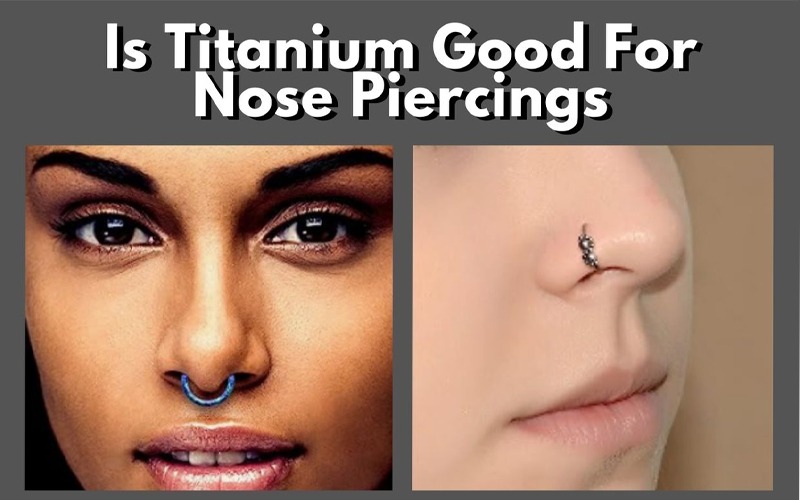
To minimize the risk of allergic reactions, selecting the right nose ring is of utmost importance. Opting for hypoallergenic materials, such as titanium, surgical stainless steel, or high-purity gold (at least 14K), can significantly reduce the likelihood of experiencing discomfort. Titanium is particularly popular for its strength and resistance to corrosion, making it an excellent choice for sensitive skin. Additionally, avoid cheap jewelry that may contain nickel or other irritants, as these low-quality options often lack the necessary purity and can lead to adverse reactions. Investing in quality jewelry not only enhances your comfort but also contributes to the longevity and appearance of your piercing.
Aftercare for Nose Piercings
Proper aftercare is essential for maintaining your nose piercing and preventing complications. Regularly cleaning the area with a saline solution can help keep it free from bacteria and promote healing. It is advisable to avoid using alcohol or hydrogen peroxide, as these can be too harsh and may irritate the skin further. Additionally, refrain from touching or changing the jewelry frequently during the healing process, as this can introduce bacteria and increase the risk of infection. If you experience persistent irritation, consider consulting a professional piercer or healthcare provider for tailored advice on aftercare strategies that suit your specific needs.
If you suspect you may be allergic to your nose ring, it’s crucial to take action quickly. By identifying symptoms, understanding the metals involved, and choosing hypoallergenic options, you can enjoy your piercing without discomfort. Remember to consult with a professional for tailored advice and treatment options. Ultimately, being informed and proactive will ensure that your experience with body jewelry remains a positive one, allowing you to express your style without the burden of allergic reactions.
Frequently Asked Questions
What are the signs that I might be allergic to my nose ring?
Signs of an allergy to a nose ring may include redness, swelling, itching, or a rash around the piercing site. You might also experience pain, warmth, or the development of blisters or pus. If these symptoms persist or worsen after wearing your nose ring, it is advisable to consult a healthcare professional for proper diagnosis and treatment.
How can I determine if my nose ring material is causing an allergic reaction?
To determine if your nose ring material is causing an allergic reaction, first check the metal composition of the jewelry. Common irritants include nickel and cobalt, which can trigger allergic reactions in sensitive individuals. You can also perform a patch test by switching to hypoallergenic materials, such as titanium or surgical stainless steel, for a few days to see if symptoms subside.
Why does my nose ring hurt and feel inflamed?
Pain and inflammation around a nose ring can result from several factors, including an allergic reaction to the metal, infection, or irritation from improper cleaning. If the pain persists or is accompanied by other symptoms like discharge, it’s essential to seek medical advice to rule out an infection and determine the best course of action.
What is the best type of nose ring for sensitive skin?
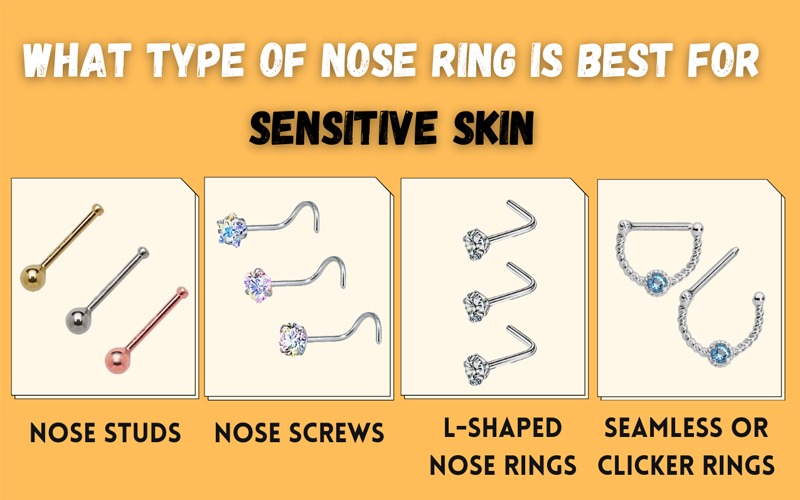
The best type of nose ring for sensitive skin includes materials like titanium, surgical stainless steel, or niobium, which are known for their hypoallergenic properties. Avoid jewelry that contains nickel or other common allergens. Opting for high-quality jewelry can help minimize the risk of an allergic reaction and provide comfort.
Which symptoms indicate that I should see a doctor about my nose ring allergy?
You should see a doctor if you experience severe swelling, persistent pain, or discharge of pus from the piercing site, as these may indicate an infection. Additionally, if you experience systemic symptoms such as fever or widespread rash, or if your symptoms do not improve after removing the jewelry, it’s important to seek medical advice for appropriate evaluation and treatment.
References
- https://www.ncbi.nlm.nih.gov/pmc/articles/PMC5577742/
- Allergies Symptoms, Diagnosis, Management & Treatment | AAAAI
- Page Not Found – Site Help – Mayo Clinic
- https://www.healthline.com/health/allergic-reaction-nose-ring
- https://www.webmd.com/allergies/allergic-reaction-nose-ring
- https://www.jamanetwork.com/journals/jama/fullarticle/2672201
- Optic Atrophy – StatPearls – NCBI Bookshelf