Fake nose rings can pose risks, including irritation, allergic reactions, and potential infections. While they offer a convenient way to experiment with body adornment without commitment, it is essential to understand the associated dangers. This article will explore the risks linked to fake nose rings and provide guidance on how to minimize these risks effectively.
Understanding Fake Nose Rings
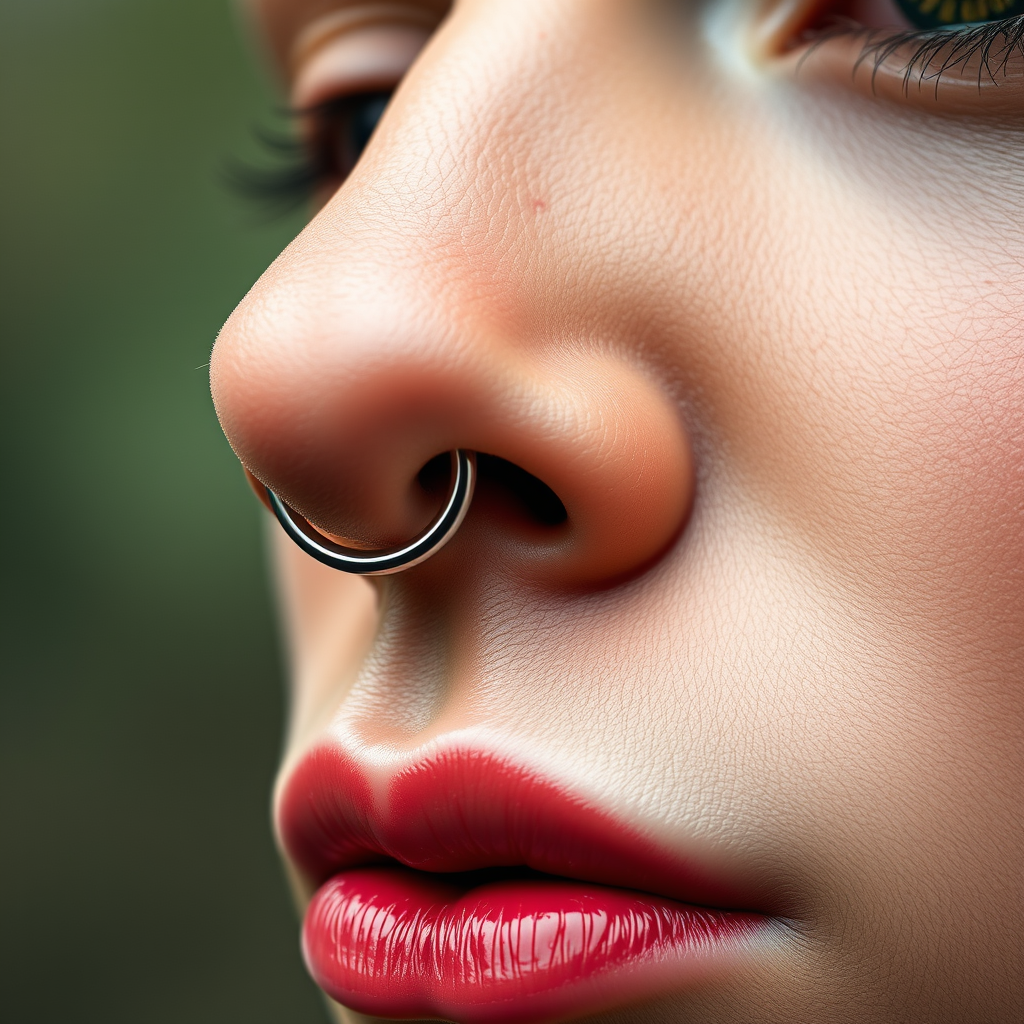
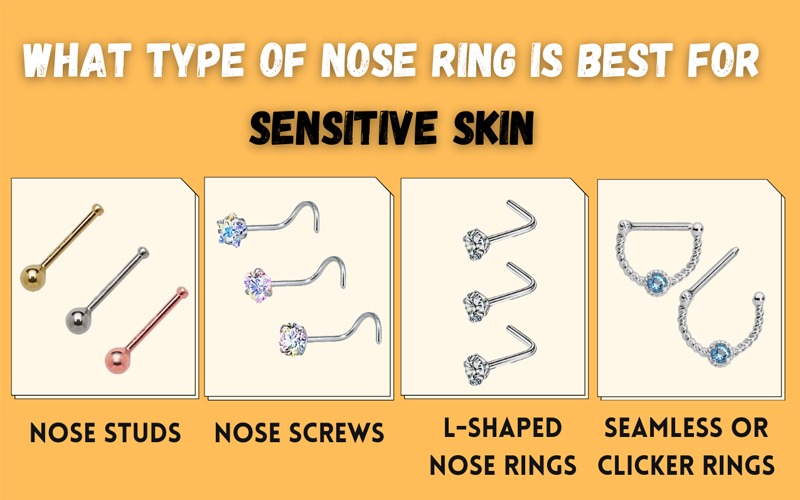
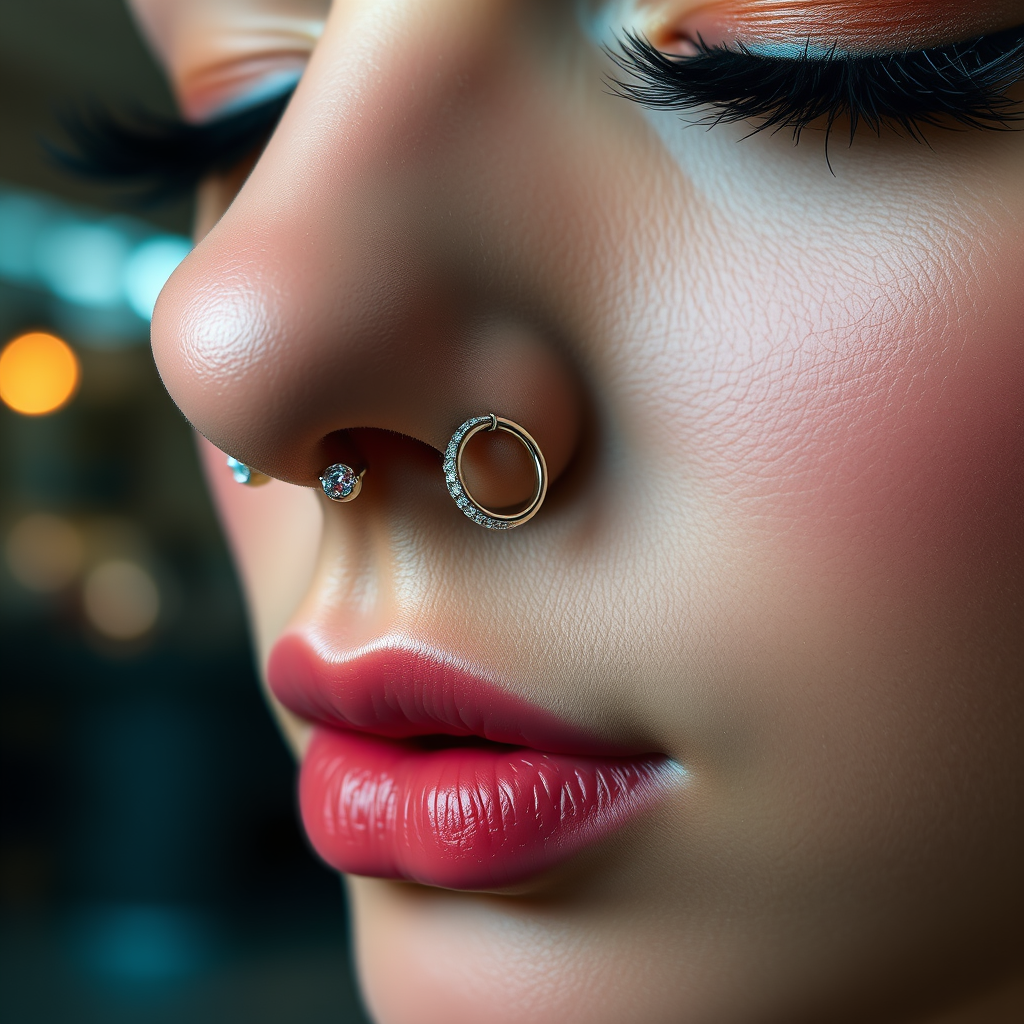
Fake nose rings are non-invasive jewelry options designed to mimic the appearance of a traditional nose piercing without requiring an actual hole in the skin. The most common types include clip-ons, which clasp onto the nostrils, and adhesive options that stick directly onto the skin. Various designs are available, ranging from simple studs to elaborate hoops, making them a versatile accessory for any style.
The popularity of fake nose rings has surged in recent years, particularly among younger demographics and those who prefer temporary fashion statements. Many individuals choose fake options to experiment with their look without the commitment of a real piercing, while others may be seeking to avoid the pain and healing time associated with traditional nose piercings. Furthermore, fake nose rings can be an excellent choice for those who are uncertain about their desire for a permanent modification or wish to adhere to workplace policies that restrict visible piercings.
Potential Health Risks
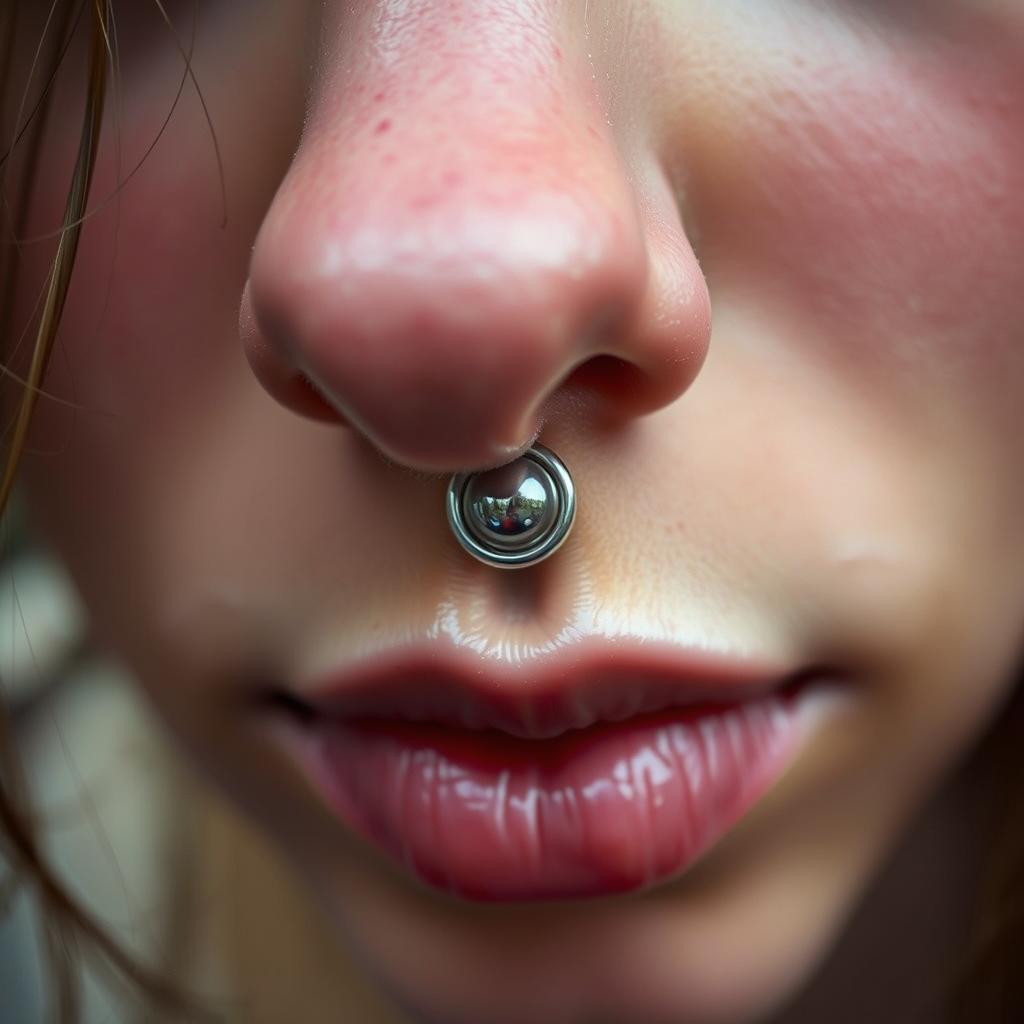
Wearing fake nose rings can lead to several potential health risks. One of the most common issues is skin irritation, which often stems from the materials used in the jewelry. Many fake nose rings are made from metals such as nickel or other alloys that can cause allergic reactions in sensitive individuals. Symptoms may include redness, itching, or rash around the area of contact.
In addition to skin irritation, infections are another significant concern. Bacteria can thrive on fake jewelry, especially if they are not cleaned regularly or if they come into contact with moisture and sweat. The nose, being a warm and humid environment, provides an ideal breeding ground for harmful bacteria, potentially leading to conditions such as folliculitis or cellulitis. In severe cases, these infections may require medical intervention, highlighting the importance of maintaining good hygiene.
Signs of Adverse Reactions
When wearing fake nose rings, it is crucial to monitor for signs of adverse reactions. Common symptoms to watch for include redness, swelling, and discharge from the area. If you notice any of these symptoms, it is advisable to remove the jewelry immediately and clean the area with mild soap and water. Persistent issues or the development of fever, increased pain, or spreading redness may indicate a more severe infection requiring medical attention.
Individuals who have a history of allergies or sensitive skin should be particularly vigilant. Keeping an eye out for early signs of irritation can prevent more severe complications down the line. If you experience any discomfort or suspect an adverse reaction, do not hesitate to consult a healthcare professional.
Safety Tips for Wearing Fake Nose Rings
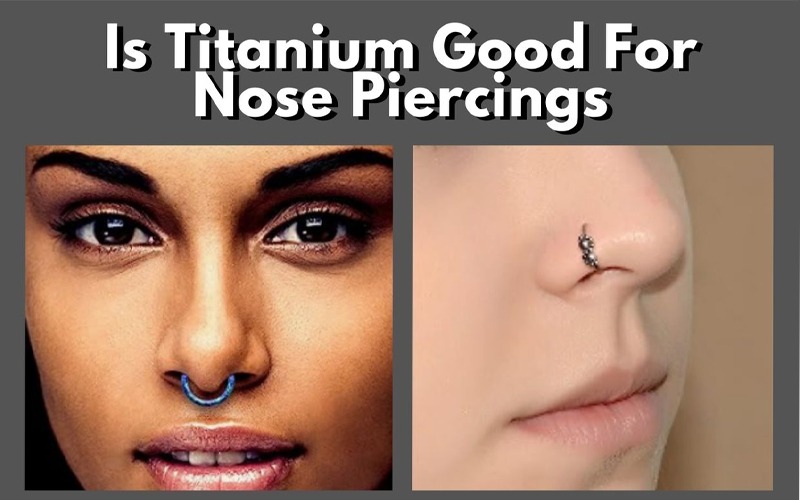
To minimize the risks associated with fake nose rings, it is essential to adopt a few best practices. First and foremost, choose high-quality materials. Look for jewelry made from hypoallergenic materials such as surgical stainless steel, titanium, or acrylic, which are less likely to cause allergic reactions. Avoid cheap alternatives that contain nickel or other irritants.
Proper hygiene practices are equally important. Always clean your fake nose ring before and after use with alcohol wipes or mild soap and water. Additionally, consider limiting the amount of time you wear fake nose rings, especially if you notice any discomfort. Giving your skin a break can help reduce the risk of irritation and infections.
Alternatives to Fake Nose Rings
If the risks associated with fake nose rings concern you, consider exploring alternatives. Real nose piercings have their pros and cons. On one hand, a genuine piercing allows for a wider range of jewelry options and tends to be more comfortable for long-term wear. On the other hand, they come with the inherent risks of the piercing process, including pain, healing time, and the potential for complications.
For those who wish to avoid both fake and permanent options, non-piercing jewelry is an excellent alternative. Magnetic nose rings and clip-on styles are available in various designs that can mimic the look of real piercings without the associated risks. These options allow for stylish expression without the commitment or potential health concerns of traditional piercings.
Personal Experiences and Testimonials
Numerous users have reported issues with fake nose rings, sharing stories of irritation, infections, and allergic reactions. One individual recounted a painful experience with a cheap clip-on nose ring that resulted in severe redness and swelling. After removing the jewelry and consulting a healthcare professional, they learned about the importance of selecting high-quality materials.
Conversely, several users have reported positive experiences with safe alternatives and proper care. Those who have opted for genuine piercings often emphasize the convenience and comfort of wearing high-quality jewelry. They also highlight the importance of following aftercare instructions to minimize risks further. Listening to the experiences of others can provide valuable insights and foster a more informed approach to body adornment.
In summary, while fake nose rings can be a fun accessory, they carry potential dangers that should not be ignored. By understanding the risks and following safety tips, you can enjoy these accessories more safely. If you’re considering wearing fake nose rings, opt for high-quality materials and always prioritize your skin’s health. For more tips and advice, stay informed and explore safer alternatives!
Frequently Asked Questions
Are fake nose rings safe to wear?
Fake nose rings, often made from materials like plastic or non-metal alloys, are generally considered safe for short-term use. However, prolonged wear can lead to skin irritation, allergic reactions, or infections, especially if the materials are of low quality. To minimize risks, it’s best to choose fake nose rings made from hypoallergenic materials and to keep your skin clean and dry.
What are the potential risks of wearing fake nose rings?
The potential risks of wearing fake nose rings include allergic reactions, skin irritation, and infections. Some individuals may be sensitive to certain materials, such as nickel or cheap metals, leading to rashes or blisters. Additionally, if the fake jewelry is not properly cleaned, it can harbor bacteria, increasing the risk of infection at the piercing site.
How can I choose safe fake nose rings?
To choose safe fake nose rings, look for options made from hypoallergenic materials such as surgical stainless steel, titanium, or acrylic. It’s also important to check for smooth edges and quality craftsmanship to prevent skin abrasions. Before making a purchase, read customer reviews to ensure that others have had positive experiences with the product.
Why do some people have allergic reactions to fake nose rings?
Allergic reactions to fake nose rings often occur due to the presence of nickel or other irritating metals in the jewelry. When the skin comes into contact with these materials, it can trigger an immune response, resulting in symptoms like redness, itching, and swelling. Choosing jewelry labeled as “nickel-free” or “hypoallergenic” can help reduce the likelihood of allergic reactions.
What are the best practices for wearing and caring for fake nose rings?
Best practices for wearing and caring for fake nose rings include cleaning them regularly with mild soap and water to prevent bacteria buildup. Avoid wearing them while swimming or showering to reduce exposure to moisture and irritants. Additionally, if you experience any discomfort or irritation, remove the ring immediately and consult a healthcare professional if symptoms persist.
References
- https://www.ncbi.nlm.nih.gov/pmc/articles/PMC5609090/
- https://www.healthline.com/health/fake-nose-rings
- https://www.mayoclinic.org/healthy-lifestyle/adult-health/expert-answers/piercings/faq-20058382
- https://www.verywellhealth.com/piercing-infections-5111524
- https://www.ncbi.nlm.nih.gov/pmc/articles/PMC7386343/
- https://www.webmd.com/beauty/what-to-know-about-nose-piercings
- https://www.cdc.gov/nceh/lead/advisories/jewelry.html