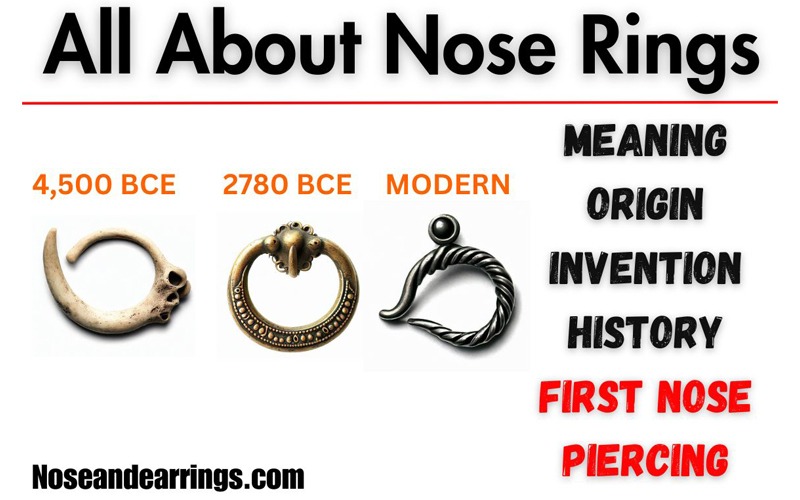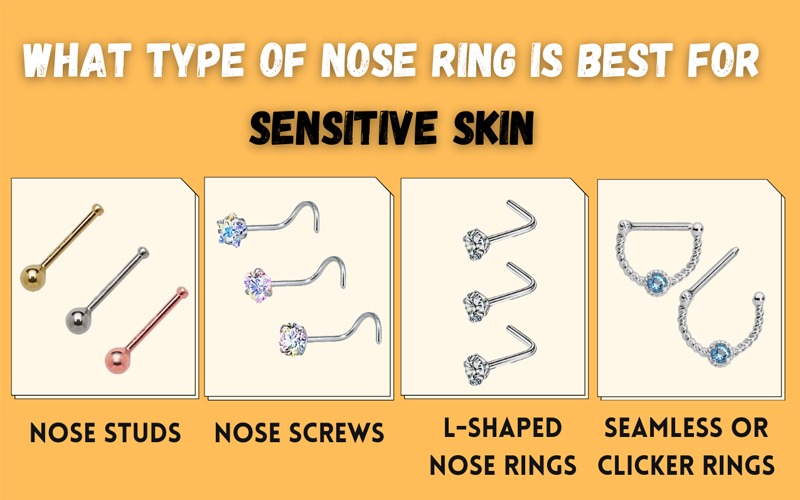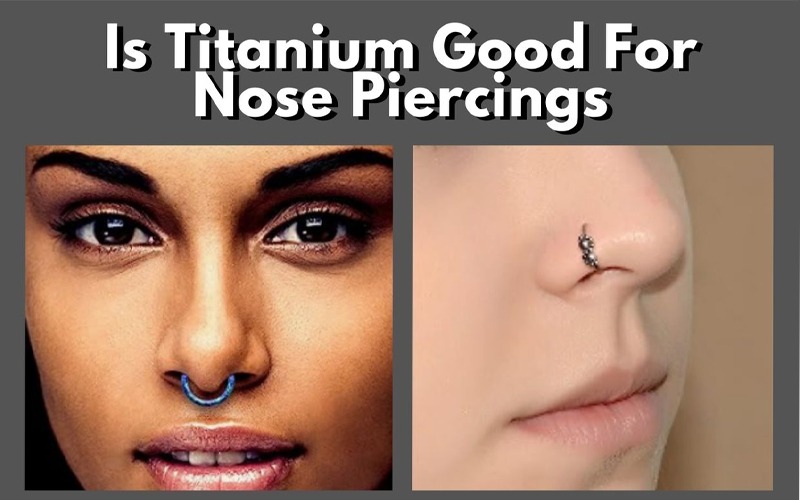
The question of whether nose rings are haram in Islam does not yield a straightforward answer, as interpretations significantly vary among scholars and communities. While some Islamic scholars view body piercings, including nose rings, as permissible, others may consider them inappropriate due to cultural and religious contexts. This article will explore the various aspects surrounding nose rings in Islamic teachings, providing a comprehensive understanding for those interested in this topic.
Understanding Haram in Islam
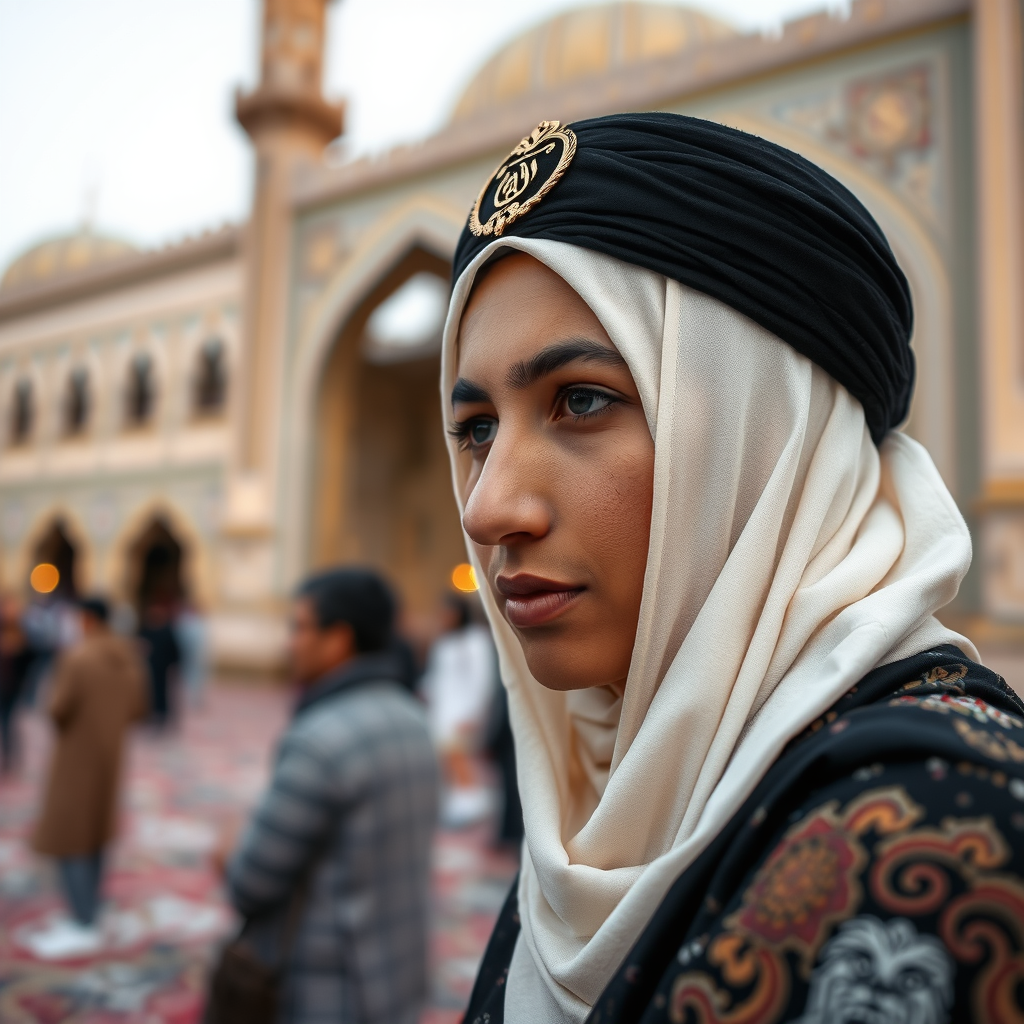
In Islamic law, the term “haram” refers to actions or items that are explicitly forbidden. This classification carries significant implications, as engaging in haram activities may lead to spiritual and moral consequences in the eyes of Allah. The concept of haram is deeply rooted in the teachings of the Quran and Hadith, which guide Muslims in their daily lives.
Cultural practices also heavily influence religious rulings, as interpretations of Islam can differ based on geographical and social contexts. For instance, what may be deemed acceptable in one culture might be viewed as haram in another. This cultural interplay often results in varying opinions on body modifications, including piercings, and contributes to the complexity of determining the status of nose rings in Islam.
The Quran and Hadith Perspective
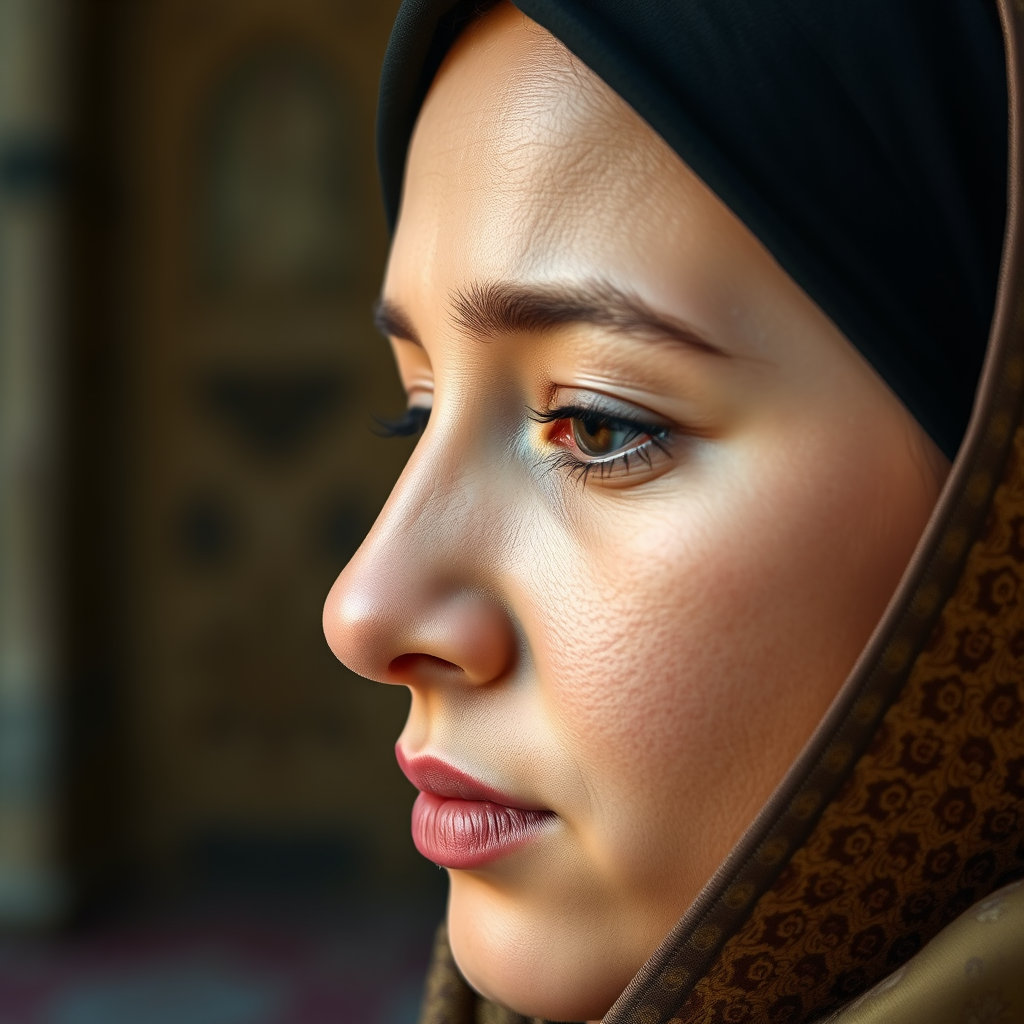
When examining the permissibility of body modifications in Islam, it is essential to consider relevant Quranic verses and Hadith. The Quran does not specifically mention nose rings but does emphasize the importance of modesty and self-discipline. Verses like Surah Al-A’raf 31 encourage believers to adorn themselves in moderation and avoid extravagance.
Hadith literature, which records the sayings and actions of the Prophet Muhammad, provides further insight. Some Hadith reference the adornment of women, including the use of jewelry and other forms of body decoration. For instance, the Prophet is reported to have said, “Allah is beautiful and loves beauty,” which can be interpreted to support the notion of adornment, provided it aligns with Islamic values.
However, there are Hadith that caution against altering Allah’s creation. Scholars debate whether body piercings fall under this category or if they are acceptable as long as they do not lead to immodesty or defiance of religious principles. This ambiguity leaves room for various interpretations regarding nose rings.
Scholarly Opinions on Nose Rings
Opinions among Islamic scholars regarding nose rings vary considerably. Some scholars argue that body piercings, including nose rings, are permissible as long as they do not contradict Islamic teachings on modesty. They cite the cultural practice of women adorning themselves with jewelry as a point in favor of such adornments.
Conversely, other scholars maintain a stricter interpretation, viewing any form of body modification as a potential violation of Islamic principles. They argue that altering one’s body can be considered disrespectful to the way Allah has created individuals. These differing views highlight the necessity of understanding the context and background of the scholars providing these opinions.
Contemporary Islamic scholars also contribute to this discourse, often emphasizing the importance of intention behind body modifications. They argue that if the intention is to enhance beauty within the bounds of modesty, then such adornments may not be considered haram. This modern perspective encourages individuals to engage in critical thinking about their choices while considering their faith.
Cultural Context and Variations
Cultural practices significantly impact the perception of nose rings within different Muslim communities. In South Asia, for instance, nose rings are commonly accepted and are often considered a traditional form of adornment for women. In this context, wearing a nose ring is viewed as a cultural expression rather than a religious transgression.
Conversely, in conservative communities, particularly in parts of the Middle East, body piercings may be frowned upon or deemed inappropriate. In these societies, adherence to traditional values and modesty is paramount, leading to a general disapproval of visible body modifications. This divergence in cultural acceptance underscores the importance of context when discussing the status of nose rings in Islam.
Examples from specific countries illustrate these variations. In India and Pakistan, nose piercings are often celebrated as part of cultural identity, with many women wearing ornate jewelry. In contrast, in countries like Saudi Arabia, such practices may be less common and even discouraged, reflecting the local interpretation of Islamic teachings.
Personal Choice and Religious Identity
The role of individual choice in interpreting Islamic teachings is crucial when considering body modifications like nose rings. Many Muslims navigate their beliefs in conjunction with personal preferences, leading to diverse practices within the faith. Personal faith can significantly influence decisions about body adornment, as individuals seek to reconcile their cultural identity with their religious obligations.
For some, wearing a nose ring may symbolize a connection to their heritage or cultural roots, while for others, it could represent a personal expression of beauty. This individualistic approach highlights the evolving nature of religious identity in contemporary society, where personal beliefs often intersect with traditional practices.
Engaging in discussions with family, community members, and religious authorities can provide further clarity for those contemplating nose rings. Such conversations allow individuals to explore various interpretations and find a path that resonates with their beliefs and values.
Alternatives and Similar Practices
For those who may feel uncertain about the permissibility of nose rings, there are alternative forms of body art and adornments that are often deemed acceptable in Islam. For example, wearing earrings or other types of jewelry can serve as a means of self-expression while adhering to traditional values.
Moreover, some Muslims may choose temporary adornments, such as henna tattoos, which are culturally celebrated and widely accepted. These alternatives allow individuals to engage in body art without crossing the lines of modesty or religious guidelines.
Comparatively, other forms of piercings, such as ear piercings, are generally more accepted within Islamic communities. The interpretation of these practices often aligns with cultural norms and the perceived impact on a person’s religious identity.
Conclusion
In summary, the permissibility of nose rings in Islam varies widely among scholars and cultural contexts. While some view them as acceptable forms of adornment, others may consider them inappropriate based on interpretations of Islamic teachings. It is essential for individuals to consider their beliefs, the teachings of their community, and the cultural implications of body modifications like nose rings. Engaging in open dialogue with religious authorities and community members can provide valuable insights and guidance. If you’re exploring body modifications, ensure that your choices reflect both your personal faith and cultural identity.
Frequently Asked Questions
Are nose rings considered haram in Islam?
The permissibility of nose rings in Islam can vary depending on cultural and scholarly interpretations. Some scholars argue that body modifications, including piercings, are permissible as long as they do not lead to harm or contradict Islamic teachings. However, others consider it haram due to associations with vanity or imitating non-Muslim practices. It’s best to consult with knowledgeable scholars or local religious authorities for guidance specific to your community.
Why do some Muslims believe nose rings are haram?
Some Muslims believe nose rings are haram because they view them as a form of altering Allah’s creation, which is discouraged in Islam. Additionally, certain interpretations of Islamic texts emphasize modesty, and body piercings may be seen as contrary to this principle. The concern often revolves around intentions and cultural influences, where the act may be associated with vanity or non-Islamic traditions.
How can I determine if getting a nose ring is permissible in my culture?
To determine if getting a nose ring is permissible in your culture, consider discussing the topic with local religious leaders or scholars who understand the context of your community. Additionally, consult with family and friends to gauge cultural attitudes towards body piercings. It’s important to reflect on your intentions and ensure that your actions align with Islamic values and teachings.
What are some alternatives to nose rings for self-expression in Islam?
For those seeking alternatives to nose rings for self-expression within Islamic guidelines, consider options like temporary tattoos, henna designs, or non-permanent accessories. You can also explore different styles of clothing or hijabs that allow for personal expression while adhering to modesty principles. Engaging in artistic pursuits such as painting or crafting can also provide a meaningful outlet for creativity.
Which Islamic scholars have opinions on body piercings like nose rings?
Various Islamic scholars have addressed body piercings, including nose rings, with differing opinions. Prominent scholars such as Sheikh Ibn Baz and Sheikh Al-Albani have expressed caution regarding body modifications, while others may take a more lenient view. It is beneficial to refer to reputable Islamic sources or consult scholars from diverse schools of thought to understand the range of perspectives on this topic.
References
- Nose ring
- https://www.islamicboard.com/
- Islamic Relief Worldwide | Faith inspired action – Donate Now
- https://www.theguardian.com/world/2021/mar/17/what-is-the-hijab-and-why-do-muslim-women-wear-it
- https://www.bbc.com/news/world-us-canada-59085420