Nose rings are generally not magnetic, as most common materials used in their production, such as titanium, surgical steel, and gold, do not exhibit magnetic properties. Understanding the characteristics of these materials and their interactions with magnetism can enhance your knowledge and experience with nose jewelry. In this article, we will explore the materials used for nose rings, the concept of magnetism, and what factors may affect your experience with nose rings.
Understanding Magnetism

Magnetism is a physical phenomenon that causes materials to attract or repel each other, stemming from the alignment of electrons within the atoms of certain materials. This force is an essential aspect of physics, influencing various fields, from electronics to medical imaging. Only certain metals, such as iron, nickel, and cobalt, possess magnetic properties due to their atomic structure. These metals can be magnetized and will interact with magnetic fields. In contrast, other metals commonly used in body jewelry, including titanium, gold, and surgical steel, do not display these properties. Thus, while magnetism plays a crucial role in many applications, it has limited relevance in the context of most nose rings.
Common Materials Used in Nose Rings
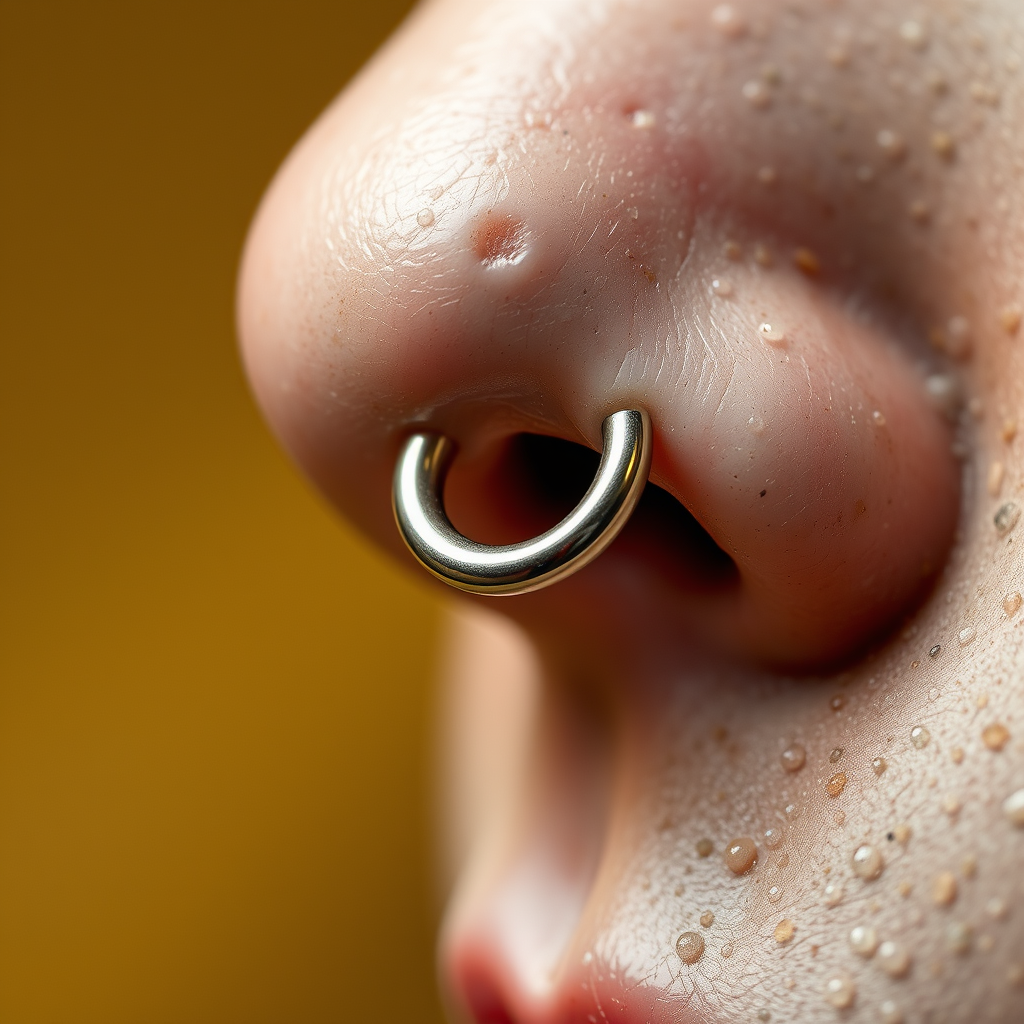
When selecting a nose ring, the material is one of the most critical factors to consider, particularly for those with sensitive skin or allergies.
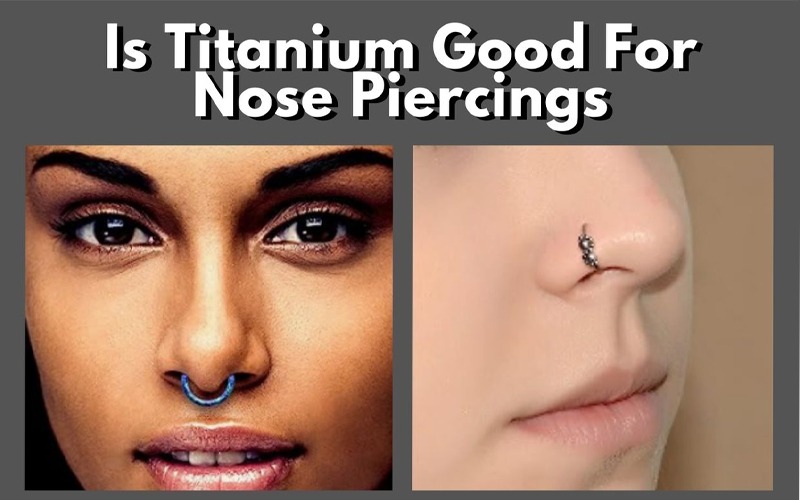
– Titanium: Renowned for its lightweight nature and hypoallergenic properties, titanium is a favored material for nose rings. It is resistant to corrosion and tarnishing, making it an ideal choice for long-term wear. Titanium is also non-magnetic, which means it will not interfere with magnetic fields or devices, such as MRI machines, making it a safe option for those who may need to undergo such procedures.
– Surgical Steel: Often used in body jewelry, surgical steel is a highly durable option that can withstand the rigors of daily wear. Typically composed of stainless steel, this material is known for its resistance to rust and staining, which makes it suitable for individuals with sensitive skin. Like titanium, surgical steel is generally non-magnetic, allowing for comfortable wear without the risk of unwanted magnetic interactions.
Other materials, such as gold and sterling silver, also frequent the nose ring market. Gold, particularly in its higher karats (14k and 18k), is non-magnetic, while sterling silver can vary based on its alloy content. When choosing a nose ring, understanding the properties of the material can significantly enhance your overall experience.
Special Cases: Magnetic Nose Rings
While most nose rings are non-magnetic, there are exceptions designed specifically for ease of use.
– Magnetic Nose Rings: These innovative pieces typically consist of two components: a decorative front piece and a magnetic backing. This design allows for easy application and removal, making them particularly appealing for individuals who may struggle with traditional piercings or simply prefer the convenience. Magnetic nose rings can be a fun and trendy alternative to standard designs, offering a unique aesthetic without the commitment of a permanent piercing.
However, it’s important to note that while magnetic nose rings provide convenience, they may not suit everyone. Individuals with metal allergies should ensure that the materials used in the magnets and decorative components are skin-friendly to avoid irritation.
How to Test if a Nose Ring is Magnetic
If you’re curious about the magnetic properties of your nose ring, there are simple tests you can conduct to determine its material.
– Using a Small Magnet: The most straightforward method is to take a small magnet and bring it close to your nose ring. If the ring is attracted to the magnet, it likely contains iron or another magnetic material. Conversely, if there is no attraction, it is safe to assume that your nose ring is made from non-magnetic materials such as titanium or surgical steel.
– DIY Test for Material Identification: If you’re unsure about the material of your nose ring, you can perform a DIY test. Take note of the weight, color, and shine. Titanium and surgical steel tend to have a more muted finish compared to gold, which has a distinct luster. Additionally, you might consider checking for markings or stamps that indicate the material, such as “Ti” for titanium or “316L” for surgical steel.
Caring for Non-Magnetic Nose Rings
To ensure the longevity and integrity of your non-magnetic nose rings, proper care is essential.
– Regular Cleaning: A gentle cleaning routine can help prevent irritation and keep your jewelry looking its best. Utilize mild soap and lukewarm water, gently scrubbing the ring with a soft cloth or toothbrush. Avoid abrasive materials that could scratch the surface.
– Avoid Harsh Chemicals: Exposure to cleaning agents, chlorinated water, and perfumes can compromise the quality of your nose ring. Whenever possible, remove your jewelry prior to swimming or applying cosmetic products. This precaution helps in maintaining the finish and prevents unwanted reactions on your skin.
Proper care not only preserves the appearance of your nose ring but also contributes to your overall comfort and safety.
Risks of Magnetic Nose Rings
While magnetic nose rings can be an appealing choice for their convenience, they do come with certain risks.
– Skin Irritation: Some individuals may experience skin irritation or allergic reactions to the materials used in magnetic nose rings. It is crucial to select jewelry that is marketed as hypoallergenic and to be aware of any adverse reactions upon wearing it.
– Loss of Jewelry: The design of magnetic nose rings, while convenient, may also lead to accidental loss if the magnets are not securely attached. This concern is particularly relevant for active individuals or those who frequently change their jewelry. Always check the strength of the magnets before wearing to minimize the risk of losing your nose ring.
Alternatives to Magnetic Nose Rings
If you prefer to avoid magnetic options altogether, there are numerous alternatives available that offer both style and comfort.
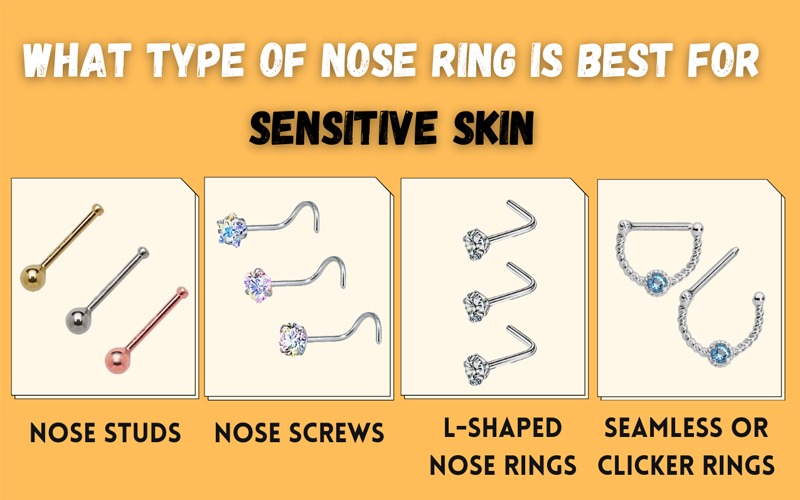
– Traditional Studs and Hoops: Classic designs like studs and hoops made from hypoallergenic materials such as titanium, surgical steel, or gold provide a timeless look without the complexities associated with magnetic components. These styles can be found in various colors, sizes, and designs, allowing for personalization to match your aesthetic.
– Explore Various Styles: The world of nose jewelry is diverse, encompassing everything from minimalistic designs to elaborate embellishments. Whether you prefer a simple stud or an ornate hoop, there are ample options to explore that do not involve magnets, ensuring you find the perfect piece for your style.
In summary, most nose rings are not magnetic, with common materials like titanium and surgical steel being non-magnetic. However, magnetic nose rings exist for convenience, presenting both advantages and potential risks. Understanding material properties and proper care can greatly enhance your jewelry experience. If you’re interested in exploring more about nose rings, check out our other articles on body jewelry and care tips!
Frequently Asked Questions
Are nose rings magnetic or do they stick to magnets?
No, nose rings are typically not magnetic as they are primarily made from materials such as stainless steel, titanium, or gold, none of which have magnetic properties. If you come across a nose ring that is advertised as magnetic, it might be a novelty item or a specific design feature, but standard nose rings used for piercings do not have the capability to stick to magnets.
How do I know if my nose ring is made from a magnetic material?
To determine if your nose ring is made from a magnetic material, you can perform a simple test using a small magnet. If the magnet sticks to the nose ring, it likely contains iron or a similar ferromagnetic material. However, most quality nose rings are made from non-magnetic metals like titanium or surgical stainless steel, which are preferred for their hypoallergenic properties and resistance to rust.
Why would someone want a magnetic nose ring?
Some individuals may prefer magnetic nose rings for their ease of use, as they can be easily applied and removed without the need for a traditional piercing. Magnetic nose rings often appeal to those who want to experiment with the look of a nose ring without committing to a piercing, making them a popular choice for fashion or costume purposes. However, it’s important to note that they may not provide the same aesthetic or comfort as traditional nose jewelry.
What are the best materials for nose rings if I want to avoid magnetic properties?
If you’re looking for nose rings that are not magnetic, opt for materials such as titanium, surgical stainless steel, or gold. These materials are not only non-magnetic but also hypoallergenic, making them ideal for individuals with sensitive skin. Additionally, these options are durable and less likely to cause irritation or allergic reactions, ensuring a comfortable fit for your piercing.
Which types of nose rings are recommended for sensitive skin?
For those with sensitive skin, it is recommended to choose nose rings made from titanium, surgical stainless steel, or niobium, as these materials are known for their hypoallergenic properties. Avoid materials that may contain nickel, such as some lower-quality metals, as they can cause allergic reactions. Always look for jewelry labeled as “nickel-free” and “hypoallergenic” to ensure the best experience for your sensitive skin.
References
- Nose ring
- https://www.sciencedirect.com/science/article/pii/S2351978918300778
- https://www.ncbi.nlm.nih.gov/pmc/articles/PMC6324041/
- https://www.theguardian.com/fashion/2020/aug/04/nose-piercings-how-to-care-for-them
- https://www.healthline.com/health/nose-piercing-infection#prevention
- https://www.verywellhealth.com/nose-piercing-5193489