Sterling silver nose rings are generally considered safe for most people, especially when crafted from high-quality materials. However, individual sensitivities can lead to allergic reactions or skin irritation. In this article, we will delve into the safety of sterling silver nose rings, address common concerns associated with their use, and provide valuable tips for selecting the right jewelry to ensure a comfortable experience.
Understanding Sterling Silver
Sterling silver is an alloy composed of 92.5% silver and 7.5% other metals, typically copper. This specific composition is what gives sterling silver its durability and luster while allowing it to maintain a bright appearance. However, the quality of sterling silver can vary significantly based on the manufacturing process and the specific metals used in the alloy. For instance, some lower-quality sterling silver may include nickel, which can provoke allergic reactions in sensitive individuals. Therefore, when selecting sterling silver jewelry, it is crucial to ensure that you are choosing high-quality pieces that minimize the risk of irritation.
Moreover, sterling silver is often marked with a quality stamp, such as “925,” which signifies that the metal contains the requisite percentage of silver. Understanding these indicators can help consumers make informed choices while shopping for nose rings. High-quality sterling silver is not only safe but also tends to be more visually appealing, enhancing the overall aesthetic of your jewelry.
Allergic Reactions and Sensitivities

Despite its popularity, some individuals may experience allergic reactions to sterling silver nose rings. This is often due to the metals mixed with silver, particularly nickel, which is known to be a common allergen. Symptoms of an allergic reaction can manifest as redness, swelling, or itching around the piercing site, which can be uncomfortable and alarming for the wearer.
For those who have a history of metal sensitivities, it is essential to be vigilant and monitor any adverse reactions to new jewelry. If you notice any concerning symptoms, it is advisable to remove the nose ring immediately and consult a healthcare professional for further evaluation. In many cases, switching to hypoallergenic alternatives can provide relief and prevent future issues.
Choosing the Right Sterling Silver
To minimize the risk of allergic reactions, it is advisable to opt for nickel-free sterling silver options. Many jewelry manufacturers now offer sterling silver products that are specifically labeled as nickel-free or hypoallergenic. These options are designed to cater to individuals with metal sensitivities, ensuring a safer wearing experience.
In addition to seeking out nickel-free products, it is important to check for quality stamps or certifications that guarantee the purity of the silver used. Trusted brands often provide detailed information about their materials and manufacturing processes, allowing consumers to make informed decisions. By prioritizing high-quality sterling silver, you can enjoy the beauty of your nose ring without compromising your health.
Proper Care and Maintenance
Proper care and maintenance of your sterling silver nose ring are crucial for both hygiene and longevity. Regular cleaning can prevent the buildup of bacteria and dirt that may lead to irritation or infection. It is recommended to clean your jewelry with a gentle soap and warm water solution, followed by a thorough rinse and careful drying with a soft cloth.
In addition to regular cleaning, storing your nose ring properly can help prevent scratches or tarnishing. Consider using a jewelry box or pouch that is lined with fabric to keep your jewelry protected from environmental factors. Avoid exposing your sterling silver jewelry to harsh chemicals, such as those found in cleaning products or beauty products, as these can tarnish the metal over time.
Signs of Infection or Irritation
Awareness of the signs of infection or irritation is vital for anyone wearing a nose ring. Common indicators include persistent pain, discharge, increased redness, or swelling around the piercing site. If you notice any of these symptoms, it is essential to take action promptly. Consult a healthcare professional for an accurate diagnosis and appropriate treatment.
Ignoring these warning signs could lead to more severe complications, including the possibility of systemic infection. Therefore, being proactive about your health and seeking medical advice when necessary can help ensure a safe and enjoyable experience with your sterling silver nose ring.
Alternatives to Sterling Silver
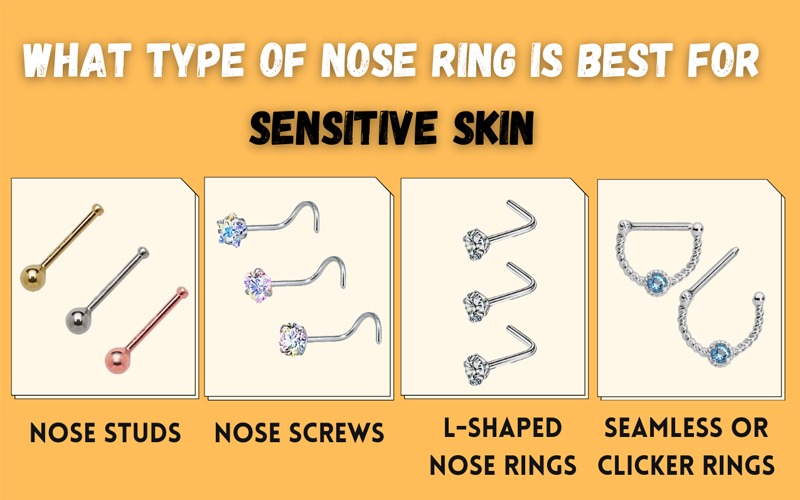
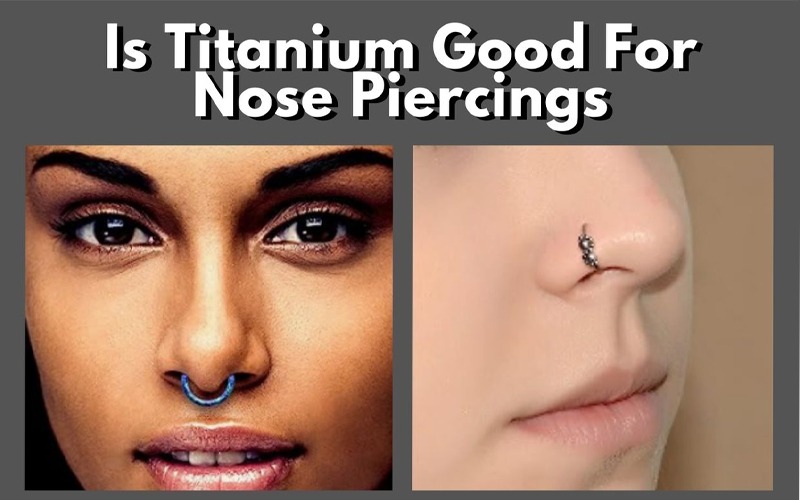
For individuals with a history of metal sensitivities or those who prefer to avoid sterling silver altogether, there are several hypoallergenic alternatives available. Titanium and surgical steel are excellent options, as they are known for their biocompatibility and resistance to corrosion. These materials are less likely to cause allergic reactions, making them ideal for sensitive skin.
Additionally, gold jewelry, particularly in higher karats, is often well-tolerated by those with metal allergies. Biocompatible plastics are another option that can provide a safe and stylish alternative for nose rings. Exploring these alternatives can help individuals find jewelry that meets their aesthetic preferences while prioritizing safety and comfort.
Sterling silver nose rings can be safe for many individuals, but understanding personal sensitivities and maintaining proper care are essential. By selecting quality jewelry and prioritizing hygiene, wearers can enjoy their nose rings without worry. If you have any concerns regarding your jewelry choice, consulting with a professional piercer or healthcare provider can provide valuable guidance and peace of mind. Always remember that your health and comfort should be the top priority when choosing body jewelry.
Frequently Asked Questions
Are sterling silver nose rings safe for sensitive skin?
Yes, sterling silver nose rings are generally considered safe for sensitive skin, but it’s essential to ensure that the silver is of high quality. Look for rings that are stamped with “925,” indicating 92.5% pure silver mixed with a small amount of other metals, typically copper. However, some people may still experience allergic reactions, especially if they have a nickel allergy, so it’s advisable to check the composition before purchasing.
How do I care for my sterling silver nose ring to prevent tarnishing?
To keep your sterling silver nose ring looking its best and to prevent tarnishing, it’s important to store it in a cool, dry place when not in use, ideally in a jewelry box or a soft cloth pouch. Regularly cleaning it with a silver polishing cloth can also help remove any tarnish that may develop over time. Additionally, avoid exposing the ring to harsh chemicals or wearing it while swimming to maintain its shine.
Why do some people experience allergic reactions to sterling silver nose rings?
Although sterling silver is predominantly made of silver, it often contains other metals like copper, which can trigger allergic reactions in some individuals, especially those with a nickel sensitivity. If you notice redness, swelling, or irritation after wearing a sterling silver nose ring, it may be due to these metal alloys. Opting for hypoallergenic alternatives, such as titanium or surgical stainless steel, can be a safer choice for those prone to allergies.
What is the best type of sterling silver nose ring for everyday wear?
The best type of sterling silver nose ring for everyday wear is typically a simple hoop or stud design. These styles are less likely to snag on clothing or get caught during daily activities. Additionally, look for nose rings that have a secure closure mechanism to prevent accidental loss. It’s also a good idea to choose a ring that is lightweight and comfortable for extended wear.
Which brands offer high-quality sterling silver nose rings?
Several brands are known for their high-quality sterling silver nose rings, including Aloha Jewelry, BodyJewelry.com, and Etsy shops that specialize in handmade jewelry. When selecting a brand, look for customer reviews and ensure that the products are stamped with “925” to confirm the authenticity of the sterling silver. Furthermore, many reputable jewelers provide guarantees or return policies, adding an extra layer of confidence in your purchase.
References
- Sterling silver
- https://www.ncbi.nlm.nih.gov/pmc/articles/PMC5614492/
- https://www.healthline.com/health/jewelry-allergies
- https://www.aafp.org/pubs/afp/issues/2018/1201/p710.html
- https://www.cdc.gov/nceh/lead/advisory/925.html
- https://www.verywellhealth.com/nose-piercing-5192039