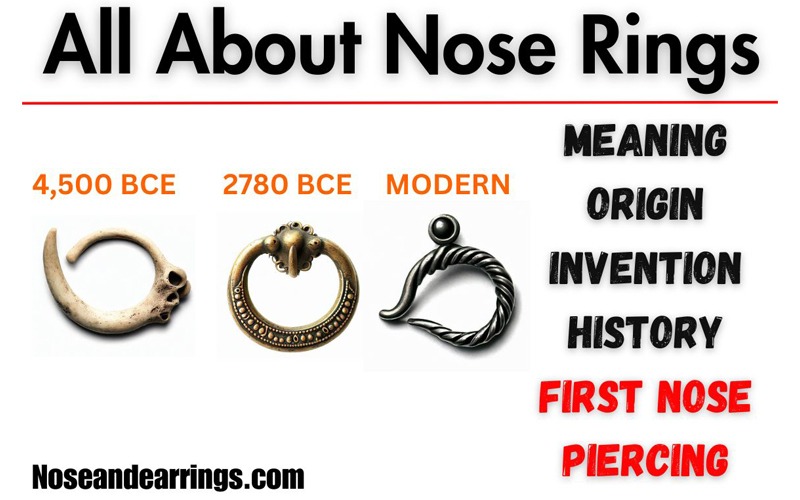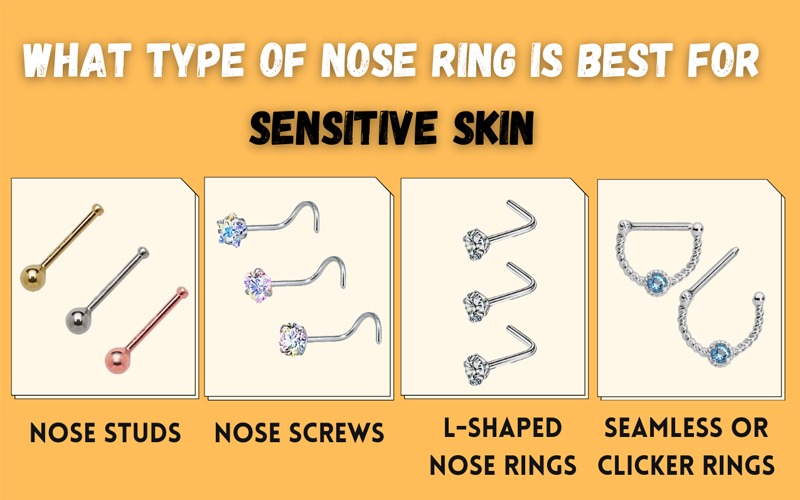
Yes, you can change your nose ring, but it’s essential to consider several factors to ensure a safe and comfortable experience. Proper timing, the selection of suitable jewelry, and following safe techniques are crucial elements for a successful transition. In this article, you’ll learn when it’s appropriate to change your nose ring, what types of jewelry to choose, and how to do it safely, alongside aftercare tips to maintain the health of your piercing.
Timing: When Can You Change Your Nose Ring?

Most professional piercers recommend waiting at least 6-8 weeks before changing your nose ring. This duration allows the piercing to heal adequately, reducing the risk of complications such as infections. The healing process can vary significantly from person to person, influenced by factors like skin type, the location of the piercing, and adherence to aftercare practices.
For instance, individuals with sensitive skin may experience longer healing times, while those who maintain a strict aftercare regimen may heal more quickly. Always listen to your body; if you notice discomfort or unusual symptoms, it may be wise to wait longer before attempting to change your jewelry. Signs that your piercing is healed include minimal redness, no discharge, and a lack of pain when touching the area.
Choosing the Right Jewelry
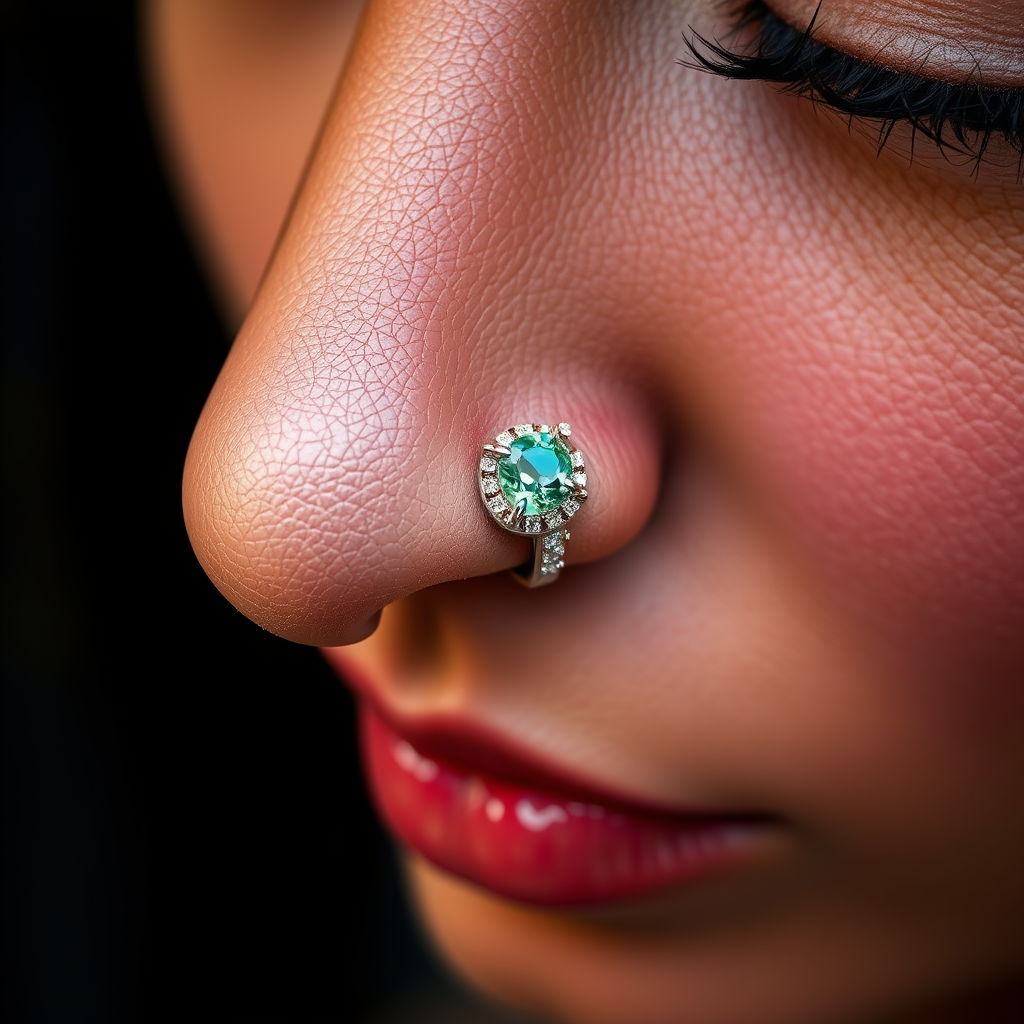
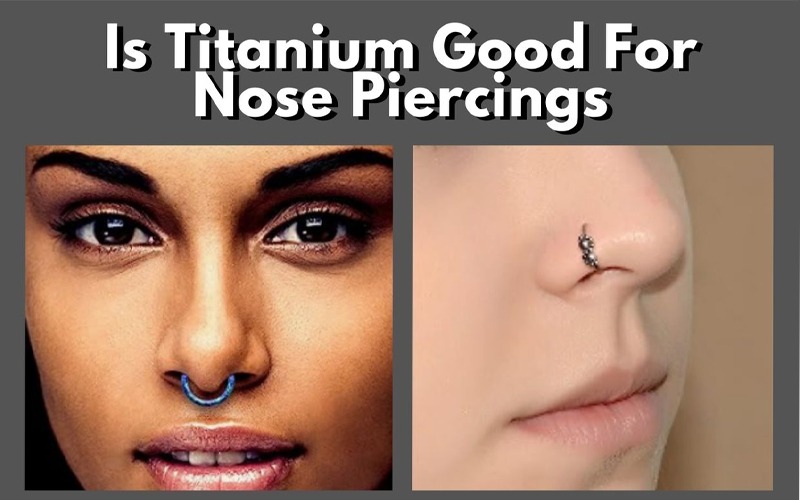
Selecting the right jewelry is pivotal for both aesthetics and the health of your piercing. When considering materials for your new nose ring, opt for hypoallergenic options such as titanium, surgical stainless steel, or gold that is at least 14k. These materials are less likely to cause irritation or allergic reactions, which can be particularly important for sensitive skin.
In addition to the material, consider the size and gauge of the new ring. The gauge refers to the thickness of the jewelry, and it should match the original piercing to ensure a proper fit. If you’re unsure, consult with your piercer for guidance on sizing to avoid discomfort or complications.
Furthermore, you may want to explore various styles—such as hoops, studs, or captive bead rings—while ensuring that they are appropriate for your healed piercing. A well-chosen piece can enhance your overall look while safeguarding your piercing health.
Proper Techniques for Changing Your Nose Ring
When you’re ready to change your nose ring, following the proper techniques is essential to minimize risks. Begin by cleaning your hands thoroughly with soap and water or a hand sanitizer to eliminate any bacteria. Also, clean the area around your nose with an antiseptic solution to further mitigate the risk of infection.
Using a mirror and good lighting is crucial for visibility during the process. Gently grasp the existing ring and slowly twist or pull it out, ensuring you are not forcing it. If it resists, do not apply excessive pressure; instead, reassess the jewelry size or consult a professional. Once removed, insert the new ring carefully, ensuring it slides in smoothly without forcing it.
After you’ve successfully changed the ring, avoid touching the area unnecessarily to maintain cleanliness.
Aftercare Tips Post-Change
After changing your nose ring, maintaining proper aftercare is vital to ensure the health of your piercing. Continue to clean the area with a saline solution or your recommended aftercare product for at least a few days after the change. This routine helps remove any bacteria and promotes healing.
Be vigilant for signs of infection, such as increased redness, swelling, or unusual discharge. If you notice any of these symptoms, it’s crucial to consult a professional piercer or healthcare provider immediately. Additionally, avoid swimming in pools or hot tubs for a few weeks after changing your jewelry, as these environments can harbor bacteria.
Incorporating these aftercare practices will help ensure your new jewelry remains comfortable and your piercing stays healthy.
Common Mistakes to Avoid
Changing your nose ring can be straightforward, but there are common pitfalls that can lead to complications. One of the most significant mistakes is changing the ring too soon. Always ensure that your piercing is fully healed before attempting to switch jewelry to avoid pain or infections.
Another common error is forcing the jewelry into the piercing. If the new ring does not slide in easily, reassess its size or material. Forcing it can cause trauma to the piercing and lead to complications such as scarring or infection.
Finally, neglecting hygiene during the change can also result in issues. Always prioritize cleanliness to protect your piercing from harmful bacteria.
When to Seek Professional Help
If you’re uncertain about changing the ring yourself, seeking help from a professional piercer can provide peace of mind. A skilled piercer can assist you in changing the jewelry safely and ensure that the new piece is suitable for your piercing.
Moreover, don’t hesitate to seek professional advice if you experience excessive pain, prolonged swelling, or any signs of infection. These symptoms could indicate complications that require medical intervention. A professional can provide the necessary care and advice to address any issues promptly.
In summary, you can change your nose ring; however, timing, jewelry selection, and proper care are essential for a smooth transition. By following the guidelines outlined in this article, you can enhance your piercing experience while minimizing risks. Should you have further questions or need personalized advice, consulting a professional piercer is always a wise option.
Frequently Asked Questions
Can I change my nose ring right after getting it pierced?
It’s generally recommended to wait at least 6 to 12 weeks before changing your nose ring after getting it pierced. This waiting period allows the piercing to heal properly, reducing the risk of infection and irritation. Always consult with your piercer for personalized advice based on your healing progress.
How do I know when it’s safe to change my nose ring?
You can determine if it’s safe to change your nose ring by checking for signs of healing, such as no redness, swelling, or discharge around the piercing. If the area feels tender or painful, it’s best to wait longer. Many piercers recommend waiting until the piercing is fully healed, which can take a few months, depending on individual healing rates.
Why is my nose ring difficult to change?
Your nose ring may be difficult to change due to several factors, including swelling, crusting around the piercing, or the type of jewelry used. If the piercing is still healing, it may be sensitive, making it harder to remove or insert new jewelry. If you’re struggling, consider consulting a professional piercer for assistance to avoid injury.
What is the best type of nose ring to use for sensitive skin?
The best type of nose ring for sensitive skin is usually made from hypoallergenic materials such as titanium, surgical stainless steel, or niobium. These materials are less likely to cause allergic reactions or irritation. It’s important to avoid jewelry made from nickel or other materials that can trigger sensitivities.
Which size nose ring should I choose when changing my jewelry?
When changing your nose ring, it’s crucial to choose the correct gauge and diameter for your piercing. Standard gauges for nose rings are typically 20 or 18 gauge, while the diameter can vary based on the nostril’s anatomy. Always measure your current jewelry or consult with a professional piercer to ensure a proper fit that won’t irritate your piercing.
References
- Body piercing
- https://www.ncbi.nlm.nih.gov/pmc/articles/PMC6161200/
- https://www.healthline.com/health/nose-piercing-care
- https://www.mayoclinic.org/healthy-lifestyle/adult-health/in-depth/piercing/art-20045559
- The Effects of Rheumatoid Arthritis on the Body
- Asthma Update: Part II. Medical Management | AAFP