Wearing a nose ring during an MRI is generally not recommended due to the strong magnetic fields involved in the procedure. The presence of metal jewelry can not only interfere with the imaging process, leading to distorted results, but it may also pose safety risks to the patient. In this article, we’ll explore the reasons why you should consider removing your nose ring, the potential risks involved, and best practices for a safe MRI experience.
Understanding MRI and Magnetic Fields

Magnetic Resonance Imaging (MRI) is a non-invasive diagnostic tool that utilizes powerful magnets and radio waves to produce detailed images of the body’s internal structures. The magnetic fields used in MRI machines are significantly stronger than those found in other imaging modalities, such as X-rays or CT scans. The strength of these magnets can range from 1.5 Tesla to 3.0 Tesla or more, which is why the presence of metallic objects, including jewelry like nose rings, is a concern.
When metal objects are placed in a magnetic field, they can become projectiles, potentially causing harm to both the patient and the medical staff. Furthermore, any metallic object can distort the MRI images, leading to misinterpretation and potentially inappropriate medical decisions. This is particularly critical in situations where accurate imaging is necessary for diagnosis or treatment planning.
Risks of Wearing a Nose Ring in an MRI
The risks associated with wearing a nose ring during an MRI are multifaceted. First and foremost, nose rings can cause distortion in MRI images. This distortion can obscure vital anatomical details and lead to inaccurate or incomplete imaging results. For instance, if the nose ring causes artifacts in the images of the brain, it may mask critical information related to neurological conditions.
In addition to image distortion, some metals used in nose rings can heat up or even become dislodged during the MRI procedure. The interaction of the magnetic field with certain metals can lead to a phenomenon known as the “radiofrequency heating effect.” This means that if a nose ring is made of materials such as certain types of steel or nickel, they may become dangerously hot, resulting in burns or discomfort. In the worst-case scenario, a dislodged nose ring could lead to injury to the patient or the technician operating the MRI machine.
Types of Nose Rings and Their Materials
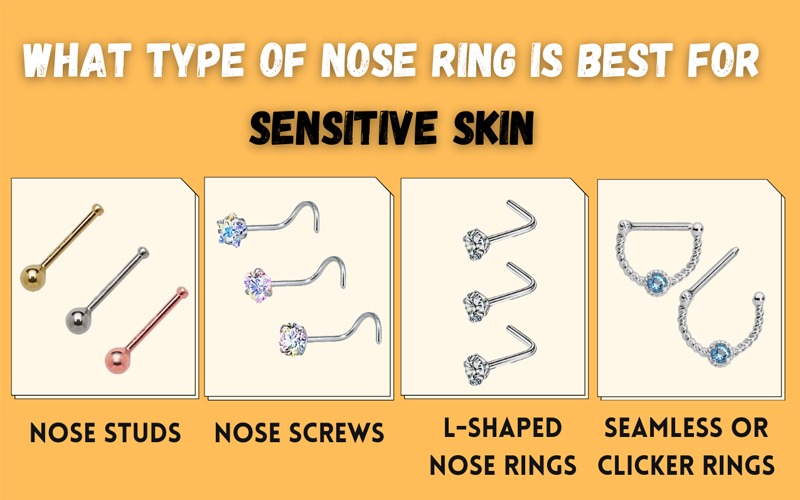
Nose rings are available in various materials, each presenting different levels of safety when it comes to MRI procedures. Common materials include:
– Surgical steel: Often used for body jewelry due to its hypoallergenic properties, surgical steel may still contain ferromagnetic elements that can pose risks during an MRI.
– Titanium: A preferred option for many piercings, titanium is generally safe for MRI environments because it is non-ferromagnetic and has a low risk of heating.
– Gold: While gold is often considered safe, it is vital to ensure that the gold is of high purity (24k) and free from other metals that may be magnetic.
– Plastic or acrylic: Non-metallic materials like plastic or acrylic are the safest alternatives for an MRI setting, as they pose no risk of interference or heating.
Patients should consult with their piercer or healthcare provider to identify the material of their nose ring and assess its appropriateness for MRI procedures.
Recommendations from Medical Professionals
Healthcare providers universally recommend the removal of all metal jewelry prior to an MRI. This includes not only nose rings but also earrings, necklaces, and any other metallic accessories. Patients with piercings are advised to inform the MRI technician about their jewelry, as this can significantly influence the imaging process and patient safety.
It is crucial for patients to understand that even if a piece of jewelry seems small or insignificant, it can have unforeseen implications during the MRI. Therefore, discussing any concerns with the radiologic technologist or healthcare provider is paramount. They can provide personalized recommendations based on the type of jewelry and the specific MRI machine being used.
Alternatives for Patients with Piercings
For those who are unable or unwilling to remove their nose ring, there are several alternatives to consider. One potential solution is to use a retainer made of non-metallic materials, such as silicone. These retainers are designed to hold the piercing open without introducing metal into the MRI environment.
Another option is to temporarily close the nostril piercing. Some patients may opt for a small piece of tape or a non-metallic plug to minimize discomfort while ensuring safety during the MRI procedure. It’s important, however, to consult with a healthcare provider before making any adjustments to ensure that these alternatives will not cause irritation or complications.
Preparing for Your MRI Appointment
Preparation for an MRI appointment is essential for ensuring a smooth and safe experience. Patients should inform their healthcare provider about any piercings, tattoos, or other body modifications prior to the appointment. This information allows the medical team to take necessary precautions and make informed decisions about the imaging process.
When preparing for the appointment, patients should wear comfortable clothing without metal fasteners or embellishments. It is advisable to leave any valuables at home or in a secure location, as metal objects can interfere with the MRI machine. Additionally, arriving early can provide ample time to fill out necessary paperwork and discuss any concerns with the staff.
In conclusion, while wearing a nose ring during an MRI may seem innocuous, the associated risks and potential complications necessitate careful consideration. The strong magnetic fields used in MRI procedures can pose safety hazards and lead to distorted imaging results. Therefore, it is highly advisable to remove any metal jewelry, including nose rings, before undergoing an MRI. If removal isn’t possible, consult with your healthcare provider for safe alternatives. Prioritizing safety in medical procedures is crucial, and open communication with healthcare professionals can ensure a positive MRI experience.
Frequently Asked Questions
Can I wear my nose ring during an MRI scan?
It is generally recommended to remove any metal jewelry, including nose rings, before undergoing an MRI scan. This is because most MRI machines use strong magnetic fields that can interact with metal objects, potentially causing discomfort or affecting the quality of the imaging. If you have a medical-grade or non-ferrous nose ring, consult with your MRI technician or radiologist for guidance on whether it can be safely worn.
What happens if I forget to remove my nose ring before an MRI?
If you forget to remove your nose ring before an MRI, the technician will typically ask you to remove it before starting the scan. In some cases, if the nose ring is made of a non-magnetic material, it might not pose a significant risk, but it’s essential to inform the technician about it. Always prioritize safety and follow the facility’s guidelines regarding metal objects to avoid any issues.
Why is it important to remove jewelry like a nose ring for an MRI?
Removing jewelry like a nose ring for an MRI is crucial because metal can interfere with the magnetic field and radio waves used in the imaging process. This interference can cause artifacts in the images, leading to inaccurate results or the need for repeat scans. Additionally, some metal items can heat up or move during the scan, posing a risk to your safety and the effectiveness of the MRI.
What can I do if I can’t remove my nose ring for an MRI?
If you can’t remove your nose ring for an MRI due to healing or sensitivity, inform the MRI technician beforehand. They may assess the material of your jewelry and decide if it can remain in place based on its composition. Moreover, they might recommend alternative imaging methods, such as a CT scan, if the jewelry presents a potential risk.
Which types of nose rings are safe to wear during an MRI?
Typically, nose rings made from non-ferrous materials, such as titanium or plastic, are considered safer options during an MRI. These materials are less likely to cause interference with the magnetic field. However, it’s important to consult with your healthcare provider or the MRI facility to confirm whether your specific nose ring can be kept in during the scan. Always prioritize safety and clarity by discussing any concerns with the MRI technician.
References
- https://www.ncbi.nlm.nih.gov/pmc/articles/PMC7352059/
- Pediatric MRI
- https://www.mayoclinic.org/tests-procedures/mri/about/pac-20387781
- https://www.verywellhealth.com/mri-safety-1732863
- https://www.healthline.com/health/mri-safety