Blowing your nose with a nose ring is generally possible, but there are important considerations to keep in mind. While many people with nose rings do blow their noses without issues, improper technique can lead to discomfort or irritation. This article will explore the implications, techniques, and aftercare to ensure a safe experience, enabling you to maintain both your nasal health and the integrity of your piercing.
Understanding Nose Rings and Nasal Function

Nose rings, which can range from simple hoops to ornate studs, are typically made from materials like metal, titanium, or plastic. These materials are chosen for their durability and biocompatibility, allowing them to withstand daily activities, including blowing your nose. The nasal passages, designed primarily for airflow and filtration, can accommodate certain foreign objects, such as jewelry. However, the presence of a nose ring can complicate this natural process, particularly when it comes to expelling mucus. The jewelry may restrict airflow or create pressure points, potentially leading to discomfort during nasal clearance.
The primary function of the nasal passages is to filter and humidify the air we breathe. When blowing your nose, the primary goal is to clear mucus and allergens. While the anatomy of the nose allows for such actions, the addition of jewelry can alter the dynamics, making it essential to approach the act with caution. Understanding the interaction between your nose ring and nasal function is crucial for maintaining comfort and health.
Risks of Blowing Your Nose with a Nose Ring

While blowing your nose with a nose ring is often safe, there are inherent risks that must be acknowledged. One of the primary concerns is the potential for irritation or damage to the piercing site. When excessive force is applied while blowing your nose, it can cause the jewelry to shift, leading to pain, swelling, or even tearing of the tissue around the piercing. This can lead to complications such as scarring or the development of an infection.
Another significant risk is the dislodging of the jewelry. If the ring or stud is not securely fastened, the pressure from blowing your nose can displace it, resulting in immediate discomfort or pain. Furthermore, dislodged jewelry may fall into the nasal cavity, necessitating professional removal. Infections are another consequence of improper care; if the piercing becomes irritated, it may be susceptible to bacteria, leading to inflammation and pus formation. Thus, it’s essential to be cautious and aware of your body’s signals when managing nasal hygiene with a nose ring.
Recommended Techniques for Blowing Your Nose
To safely blow your nose while wearing a nose ring, employing gentle techniques is paramount. Start by using minimal pressure when blowing your nose. Instead of forcefully expelling air, take a softer approach. This reduces the risk of irritation and protects the integrity of the piercing. Consider closing one nostril while gently blowing out of the other, which can help clear your nasal passages without applying excessive pressure on the jewelry.
Additionally, using saline nasal sprays can be an effective alternative to traditional nose blowing. These sprays hydrate the nasal passages and help to loosen mucus, making it easier to expel without the need for strong blowing. This method not only protects your piercing but also promotes overall nasal health. Remember, the goal is to clear your nasal passages while minimizing any potential trauma to your piercing.
Aftercare for Your Nose Piercing
Aftercare is a critical component of maintaining your nose piercing, especially when incorporating activities like blowing your nose. Regular cleaning of the area surrounding the piercing is essential to prevent infections. Use a saline solution or a mild antiseptic to gently cleanse the area at least once daily. Avoid using alcohol-based products, as they can dry out the skin and potentially lead to irritation.
It’s equally important to monitor for any signs of irritation or inflammation after blowing your nose. If you notice increased redness, swelling, or discharge, seek professional advice. Keeping an eye on the health of your piercing can help you catch potential issues early, allowing for timely intervention and care. Developing a routine that incorporates these aftercare practices will ensure the longevity of your piercing while promoting overall nasal hygiene.
Alternatives to Blowing Your Nose
If blowing your nose proves problematic, there are several alternatives that can provide relief without the risks associated with forceful blowing. Using a nasal aspirator is one option; these devices gently suction mucus from the nasal passages without requiring any significant force. They are particularly useful for individuals who may be prone to nasal irritation.
Saline sprays also offer an effective means of managing nasal congestion. They can help to moisten and clear mucus without the need for blowing. Additionally, consider carrying tissues or a soft cloth to gently dab away mucus instead of blowing your nose. This minimizes the risk of irritating your piercing while still addressing your nasal hygiene needs. Exploring these alternatives can help you maintain comfort and health even with a nose ring.
When to Consult a Professional
While many individuals can safely blow their noses with a nose ring, there are circumstances where consulting a professional is advisable. If you experience significant pain during or after blowing your nose, or if you notice any concerning changes in your piercing, seek advice from a qualified piercer or healthcare professional. They can provide tailored insights based on your specific situation and help address any complications that may have arisen.
Additionally, professional help is warranted if you observe signs of infection, such as increased redness, swelling, warmth, or pus. Early intervention can prevent more severe complications and ensure that your piercing remains healthy. Do not hesitate to reach out to a professional; they are equipped to offer guidance and care tips that will help you navigate the nuances of maintaining both your nose ring and nasal health.
Maintaining a nose ring while managing nasal hygiene is certainly feasible, but it requires mindfulness and care. By understanding the dynamics of your piercing, employing gentle techniques for blowing your nose, and following proper aftercare, you can enjoy the aesthetic appeal of your nose ring without compromising your health. Should any concerns arise, remember that professional guidance is always available to help you maintain both your style and well-being.
Frequently Asked Questions
Can you blow your nose if you have a nose ring?
Yes, you can blow your nose with a nose ring, but you should do so with caution. Blowing your nose can create pressure that may cause discomfort or irritation around the piercing site. It’s advisable to gently blow your nose and avoid excessive force, especially in the initial healing stages.
How should I care for my nose ring after blowing my nose?
After blowing your nose with a nose ring, it’s crucial to maintain proper hygiene to prevent infections. Gently clean the area around the piercing with saline solution or a mild saline spray to remove any mucus or debris. Additionally, avoid touching your nose with unwashed hands and consider applying a healing ointment recommended for piercings if you notice any irritation.
Why does my nose ring hurt when I blow my nose?
If your nose ring hurts when you blow your nose, it could be due to the pressure exerted on the piercing, especially if it’s still healing. Additionally, irritation or inflammation around the piercing site can occur if mucus gets trapped or if you are blowing too forcefully. It’s important to listen to your body; if pain persists, consult a professional piercer or a healthcare provider.
What is the best way to blow your nose with a nose ring?
The best way to blow your nose with a nose ring is to do it gently. Instead of forcefully blowing, try to do it one nostril at a time to minimize pressure on the piercing. Using a soft tissue and applying slight pressure while directing the airflow can help clear your nasal passages without causing discomfort or risking damage to your nose ring.
Which type of nose ring is best for someone who frequently blows their nose?
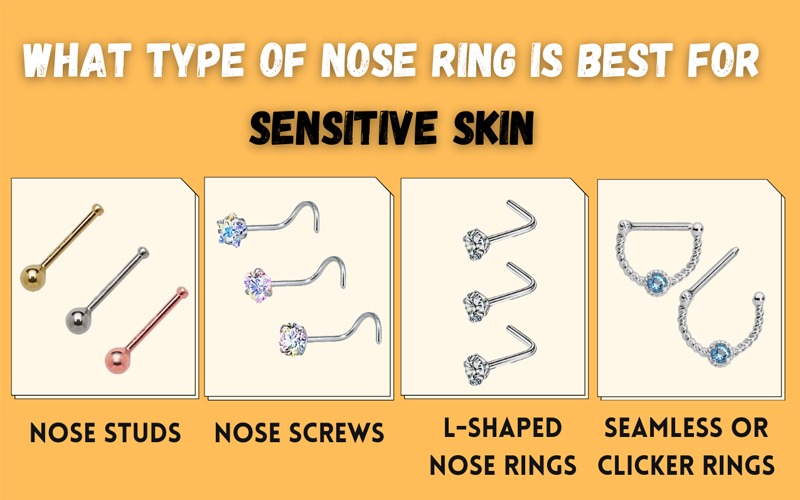
For individuals who frequently blow their nose, a stud nose ring or a smaller gauge hoop is typically recommended. These types tend to be less intrusive and reduce the risk of getting caught or irritated during nasal care. Additionally, opting for materials like titanium or surgical steel can help minimize allergic reactions and enhance healing, making them ideal for regular use.
References
- Nose ring
- https://www.ncbi.nlm.nih.gov/pmc/articles/PMC7639713/
- https://www.verywellhealth.com/nose-piercing-5207819
- https://www.healthline.com/health/nose-piercing-care
- https://www.aafp.org/pubs/afp/issues/2004/1001/p1371.html