Changing your nose ring after two weeks is generally not recommended, as the healing process typically requires more time. However, whether you can change it depends on various factors, including individual healing rates and the type of piercing. The healing timeline for a nose piercing is crucial to consider, as premature changes can lead to complications. In this article, we’ll explore the factors that affect the timing for changing your nose ring, signs of healing, and tips for a successful transition.
The Healing Process of Nose Piercings

Nose piercings usually take approximately 4 to 6 months to fully heal, although this can vary significantly from person to person. Several factors influence this healing period, such as individual physiology, lifestyle, and aftercare practices. During the initial weeks, the piercing site is especially sensitive and vulnerable to irritants and infections. It is during this time that the body forms a protective layer of tissue called granulation tissue, which can be disrupted if the jewelry is changed too soon.
In the first few days after the piercing, it’s common to experience swelling and tenderness. As the healing progresses, these symptoms should gradually diminish. It is essential to follow proper aftercare protocols during this time, as they are vital for minimizing the risk of complications.
Signs That Your Piercing Is Ready

To determine if your piercing is ready for a change, look for several key indicators. Reduced swelling, tenderness, and redness around the piercing site are promising signs that healing is progressing well. Additionally, if you can touch the piercing without discomfort or pain, it may suggest that the tissue has begun to stabilize.
Another positive sign is the absence of discharge. While some clear or slight yellow discharge can be normal during the healing process, any green or foul-smelling discharge may indicate an infection. Monitoring these signs closely can help you make a more informed decision regarding the timing of changing your nose ring.
Risks of Changing Too Soon
Changing your nose ring prematurely carries several risks that can compromise the integrity of your piercing. One major concern is the potential for infection. When jewelry is removed, the hole can begin to close up quickly, especially within the first few weeks. If a new piece of jewelry is inserted too soon, it can irritate the newly formed tissue and lead to inflammation or infection.
Furthermore, changing the jewelry can cause the piercing to become irritated, resulting in keloids or hypertrophic scarring, which are raised areas of scar tissue that can form around the piercing. Understanding these risks underscores the importance of patience and care when considering a change in jewelry.
Types of Nose Rings and Their Materials
The type of nose ring and its material can significantly impact both the healing process and your overall experience with the piercing. Common materials used for nose rings include titanium, surgical stainless steel, gold, and acrylic.
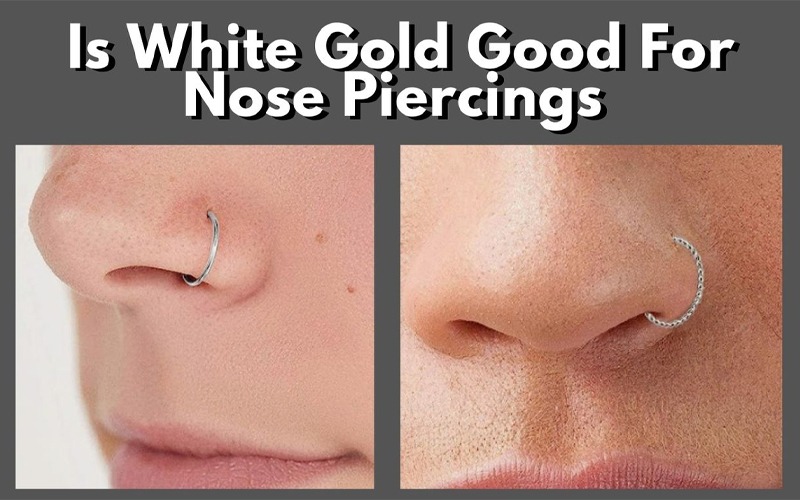
Titanium and surgical stainless steel are often recommended due to their hypoallergenic properties, which reduce the likelihood of irritation. Gold can be suitable, but it should be at least 14k to minimize reactions. Acrylic, while lightweight and available in various designs, is not always ideal for new piercings due to its potential to harbor bacteria.
Choosing the right type of nose ring is crucial for a smoother transition when you decide to change it. Always opt for jewelry that is designed for initial piercings, as it is often crafted to minimize irritation and promote healing.
Tips for Changing Your Nose Ring Safely
If you’ve assessed your healing progress and feel ready to change your nose ring, it’s vital to follow some safety tips to ensure a smooth process. First and foremost, always wash your hands thoroughly before handling your piercing. This simple step can help prevent the introduction of harmful bacteria.
Before changing the jewelry, clean the area around the piercing with a saline solution or an antiseptic. This practice not only minimizes the risk of infection but also prepares the tissue for the new jewelry. When inserting the new piece, do so gently to avoid causing unnecessary trauma to the piercing. If you encounter resistance, do not force the jewelry in, as this can lead to complications.
Aftercare Following a Change
After changing your nose ring, continue to practice good aftercare to promote healing. Clean the area regularly with saline solution, and avoid touching the piercing unnecessarily to prevent irritation. It is also advisable to avoid swimming in pools, hot tubs, or other bodies of water for at least a few weeks post-change, as these environments can introduce bacteria.
Monitor your piercing for any signs of irritation or infection, such as increased redness, swelling, or unusual discharge. If you notice any of these symptoms, consult a professional piercer or healthcare provider for guidance.
In summary, while you might be able to change your nose ring after two weeks, it’s generally safer to wait longer to ensure proper healing. Pay attention to your body’s signals, and if you’re unsure, consult with a professional piercer. Take care of your piercing, and consider waiting for full healing for the best results. Your patience will pay off in a healthier piercing and a more enjoyable experience with your body art.
Frequently Asked Questions
Can you change your nose ring after 2 weeks of getting it pierced?
While it’s technically possible to change your nose ring after 2 weeks, it is generally recommended to wait at least 6 to 8 weeks for optimal healing. Changing the nose ring too early can irritate the piercing, increase the risk of infection, and compromise the healing process. Always consult with your piercer for personalized advice based on your healing progress.
How do I know if my nose piercing is healed enough to change the jewelry?
To determine if your nose piercing is healed sufficiently, look for signs such as no redness, swelling, or discharge around the piercing site. Additionally, the area should feel comfortable and not be tender to the touch. If you’re unsure, it’s best to wait longer or consult with a professional piercer to ensure it’s safe to change your jewelry.
What types of nose rings are best for changing after healing?
Once your nose piercing is fully healed, consider using materials like surgical stainless steel, titanium, or gold, as they are less likely to cause allergic reactions or irritation. For a seamless transition, you might choose hoop earrings, studs, or nose screws, depending on your style preference. Make sure the new jewelry is appropriately sized for your piercing to avoid discomfort.
Why is it important to wait before changing your nose ring?
Waiting to change your nose ring is crucial because it allows the piercing to fully heal, reducing the risk of complications such as infections or scarring. An improperly timed jewelry change can lead to irritation, migration of the piercing, or even closure of the hole. Prioritizing proper healing ensures the longevity and aesthetic of your piercing.
Which signs indicate I should not change my nose ring yet?
If you experience persistent redness, swelling, pain, or discharge, these are signs that your nose piercing is not yet healed and you should avoid changing your jewelry. Additionally, if the area feels warm to the touch or you notice any unusual changes, it’s best to hold off until you can consult your piercer. Prioritizing healing will contribute to a healthier and more beautiful piercing in the long run.
References
- https://www.ncbi.nlm.nih.gov/pmc/articles/PMC6471948/
- https://www.aafp.org/pubs/afp/issues/2017/1101/p604.html
- https://www.healthline.com/health/body-piercing-care
- https://www.mayoclinic.org/healthy-lifestyle/adult-health/in-depth/body-piercing/art-20045259
- https://www.medicalnewstoday.com/articles/why-does-my-piercing-hurt
- https://www.webmd.com/skin-problems-and-treatments/body-piercing-care