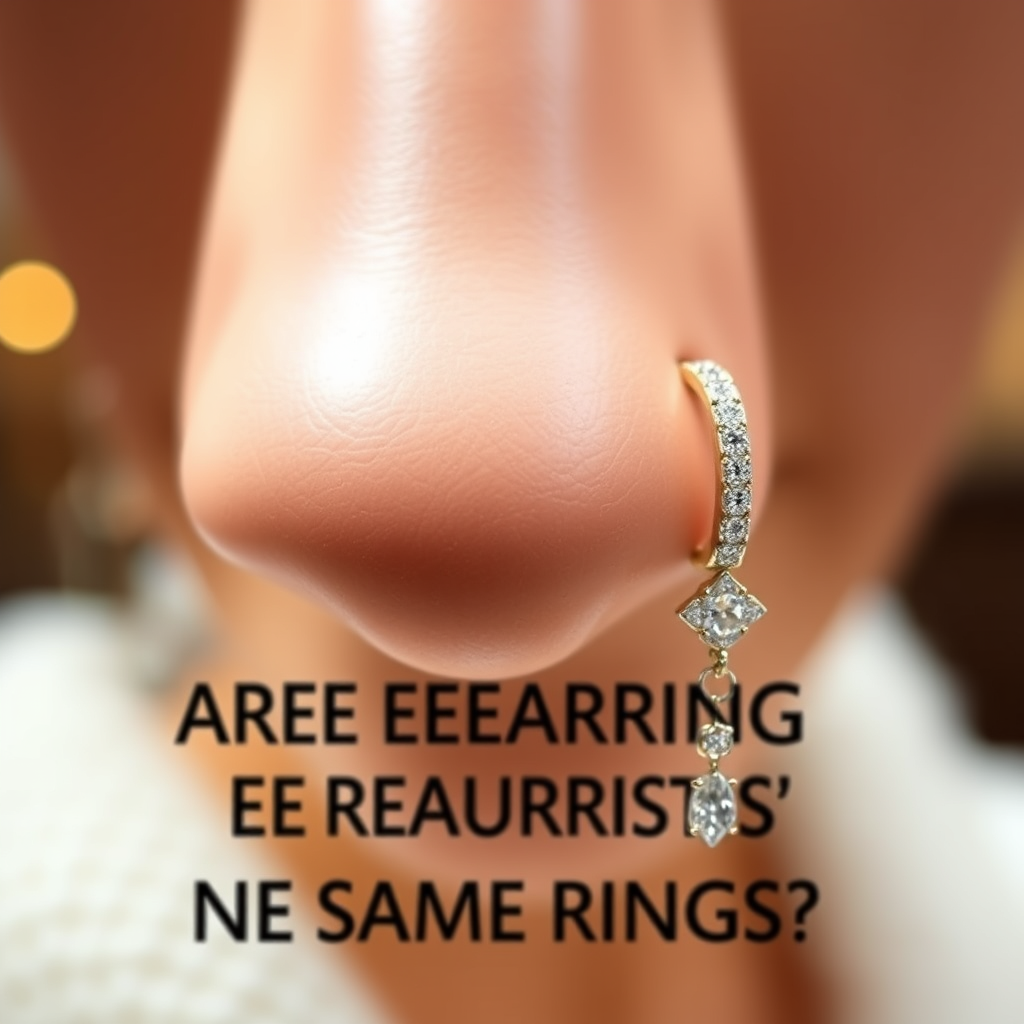
The Virgin Mary did not have a nose ring, as there is no historical or biblical evidence to support this claim. Instead, representations of Mary in art and scripture reflect her cultural context and spiritual significance. This misconception likely arises from artistic interpretations and the common use of jewelry in ancient cultures. In this article, we will explore the origins of this idea, the cultural symbolism of jewelry in biblical times, and how Mary has been depicted throughout history.
The Origins of the Nose Ring Myth
The notion that the Virgin Mary may have worn a nose ring appears to be a modern misconception, possibly rooted in the artistic interpretations of women from ancient cultures. Ancient art is often rife with symbols that reflect the societal norms and values of the time, and jewelry like nose rings was prevalent in various civilizations. In many cultures, including those in the Middle East, nose rings were a common adornment, often signifying beauty or wealth. However, this practice was not universally adopted, and there is no specific evidence linking this custom to Mary herself.
The idea of Mary wearing a nose ring may also stem from a broader misunderstanding of the cultural practices of the time. In the quest to find relatable symbols in the depictions of sacred figures, some contemporary interpretations have misattributed various elements of adornment to Mary without solid historical backing. This myth underscores the importance of understanding the origins and contexts of cultural symbols rather than accepting them at face value.
Cultural Context of Jewelry in Biblical Times

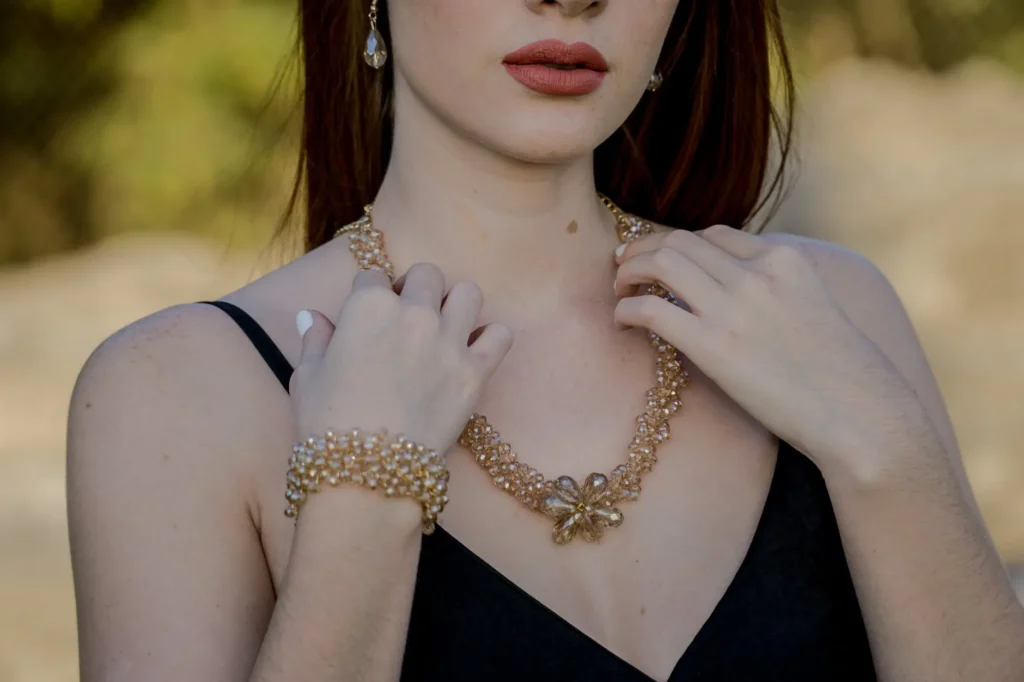
In biblical times, jewelry was not merely decorative; it held significant cultural and social meanings that varied widely across different regions. Items such as earrings, necklaces, and rings often symbolized wealth, family status, and social standing. For instance, in the ancient Near East, nose rings were commonly worn by women and were a sign of affluence, as seen in various scriptures, including Genesis 24:22, where a gold nose ring is mentioned as part of the gifts given to Rebecca.
However, the presence of jewelry in a historical context does not imply that every individual adhered to such customs. Among Jewish communities, modesty was a valued virtue, and many women, including Mary, likely followed the norms of modesty prevalent in their society, which may have discouraged ostentatious displays of wealth through jewelry. Consequently, while nose rings may have been popular in some cultures, it is essential to recognize that Mary’s life and cultural background do not necessarily align with these practices.
Artistic Representations of the Virgin Mary
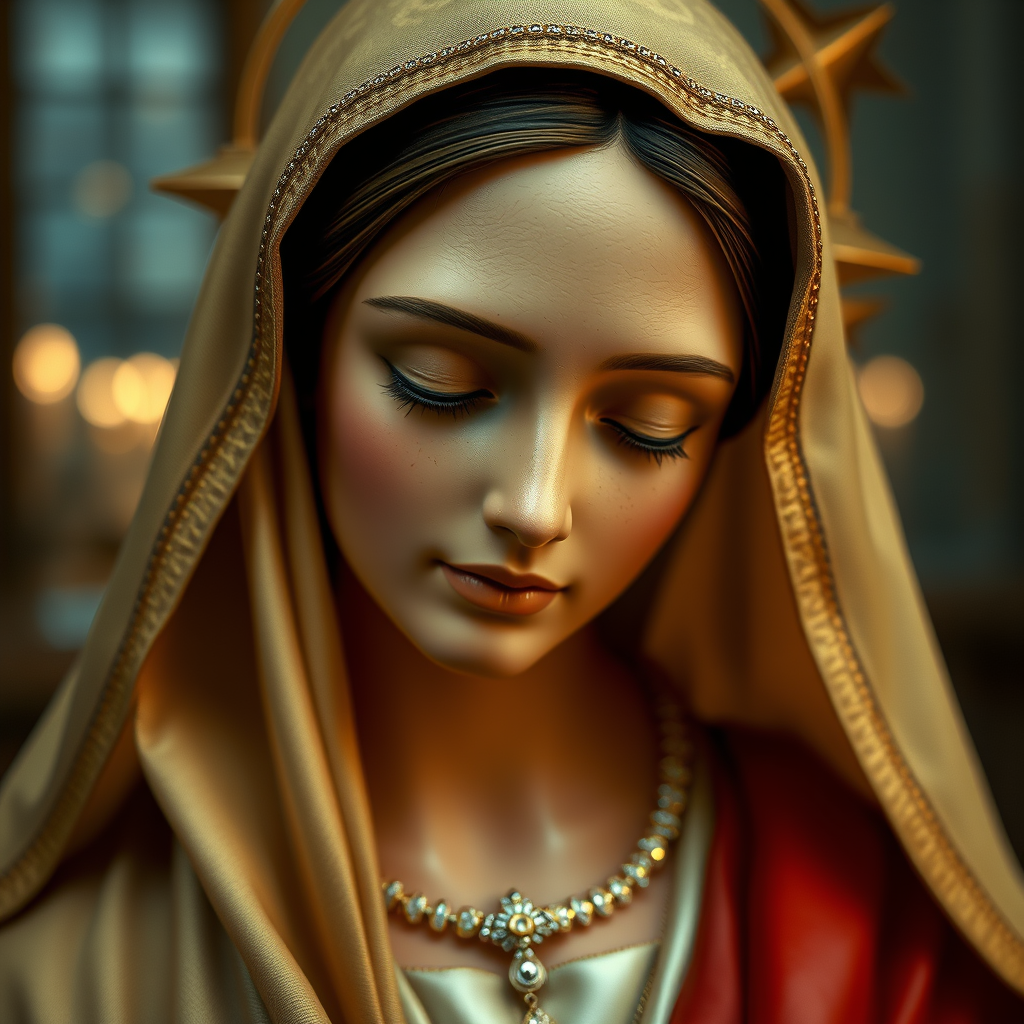
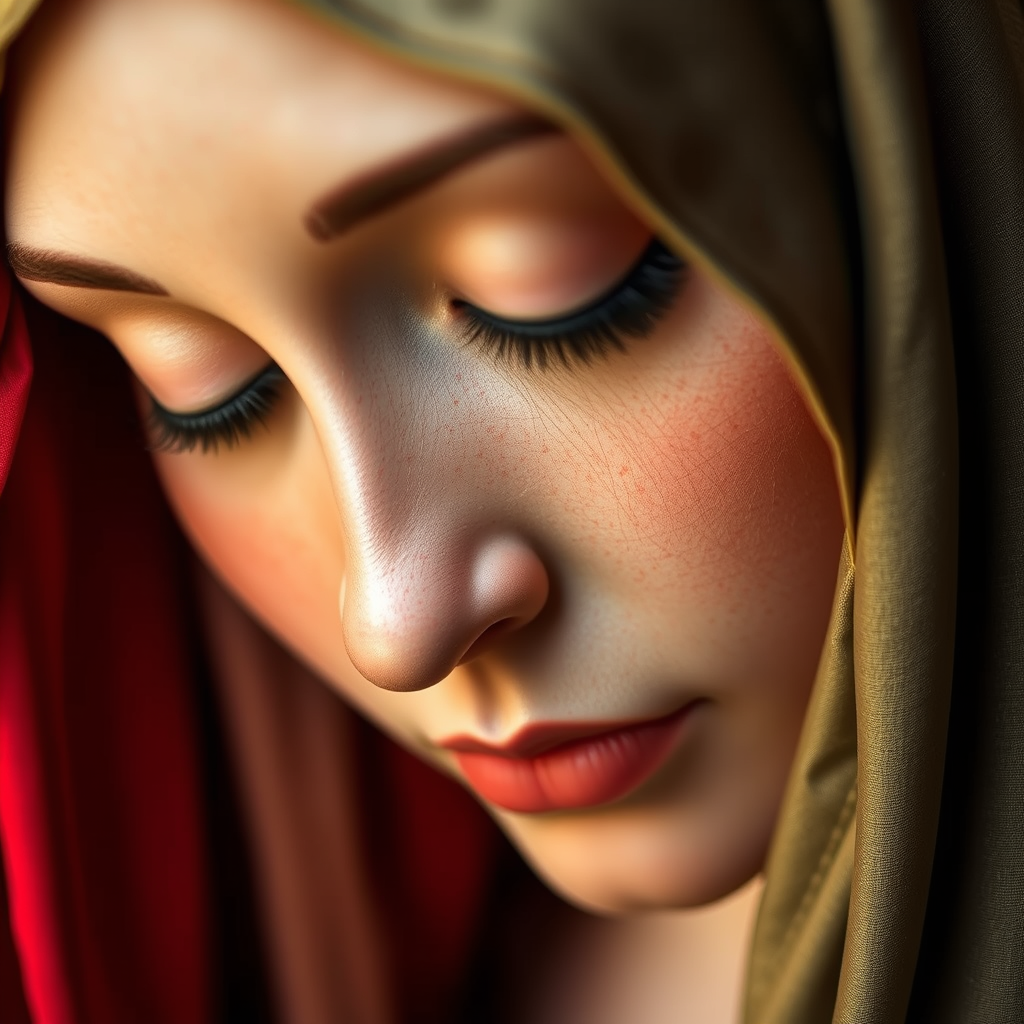
Throughout history, the Virgin Mary has been depicted in various artistic styles, each reflective of the artist’s cultural background and the prevailing artistic trends of the time. Renaissance artists, for instance, often portrayed Mary in elaborate attire adorned with jewelry, which was emblematic of both her elevated status and the artist’s desire to convey beauty and reverence. However, these artistic choices are not necessarily accurate representations of historical facts.
In many artworks, Mary is adorned with intricate garments and jewelry, which serve to emphasize her purity and divinity rather than to provide an accurate account of her historical appearance. The halo surrounding her head in many paintings symbolizes her holiness, while the clothing and accessories reflect the artistic conventions of the period rather than her actual lifestyle. Thus, any jewelry depicted, including the speculative notion of a nose ring, should be viewed as a creative expression rather than a factual representation.
The Historical Virgin Mary
Understanding the historical context of Mary’s life is crucial for appreciating her role within Christianity. Mary lived in a society that valued modesty and simplicity, and she, as a young Jewish woman, would have adhered to these cultural norms. The Gospels portray her as a humble figure chosen for a significant divine purpose, and her lifestyle likely reflected the customs of her community, which emphasized modesty over extravagant adornments.
Mary’s life, characterized by her acceptance of her role as the mother of Jesus and her unwavering faith, has been celebrated throughout centuries. Historical accounts suggest that she lived a life focused on family and spirituality, further emphasizing her importance in Christian theology as a figure of faith rather than physical adornments. Therefore, the idea of Mary wearing a nose ring distracts from her profound spiritual significance and the values she embodies.
Theological Significance of Mary
The Virgin Mary holds a central place in Christian theology, revered for her spiritual role rather than her physical appearance or adornments. She is often seen as a paragon of virtue, purity, and obedience to God’s will. The discussions surrounding her character frequently emphasize her faith, her role in the Incarnation, and her influence as an intercessor for believers.
Mary is honored in various liturgical practices, prayers, and doctrines, such as the Immaculate Conception and Assumption, which highlight her sanctity and divine favor. These theological aspects overshadow any conversations about her physical attributes or adornments, reinforcing the idea that her significance lies in her spiritual legacy rather than in any material possessions.
Modern Interpretations and Misconceptions
In contemporary discussions, the Virgin Mary continues to be a subject of interest, with many interpretations emerging from various cultural contexts. While these modern interpretations can enrich our understanding of her impact, they may also lead to the resurgence of myths, including the idea of a nose ring. This phenomenon illustrates how cultural symbols can evolve over time, sometimes distorting historical realities.
Analyzing these modern interpretations allows for a clearer understanding of Mary’s life and significance. By critically engaging with contemporary representations, believers and scholars alike can separate myth from fact, ensuring that discussions about Mary remain rooted in her true spiritual and cultural context.
The exploration of whether the Virgin Mary had a nose ring reveals that this notion lacks historical backing and is often a product of cultural misinterpretations. By understanding the context of Mary’s life and the symbolism of jewelry in her time, we can appreciate her role beyond physical adornments. If you’re interested in learning more about Mary’s life and significance in religious contexts, consider exploring related articles or joining discussions in faith communities.
Frequently Asked Questions
Did the Virgin Mary wear a nose ring according to historical texts?
Historical texts and religious scriptures do not mention the Virgin Mary wearing a nose ring. While nose rings have been a part of various cultures and traditions, particularly in the Middle East and South Asia, there is no direct evidence or biblical reference that supports the idea of the Virgin Mary adorning such jewelry. Most artistic representations of Mary focus on her modesty and virtue, aligning more with spiritual rather than material adornments.
What do scholars say about the jewelry worn by women during biblical times?
Scholars suggest that women in biblical times often wore jewelry, including earrings, bracelets, and sometimes nose rings, as symbols of wealth and status. In ancient cultures, particularly in the Near East, nose rings were common among women of various social standings. However, the specific details about the Virgin Mary’s attire or adornments remain largely speculative and are not explicitly documented in religious texts.
Why do some cultures associate nose rings with religious or spiritual significance?
In many cultures, nose rings are not just fashion statements but also carry deep religious and spiritual significance. In Hinduism, for example, nose rings symbolize marriage and fertility, while in some Middle Eastern traditions, they represent a woman’s social status. This association with spirituality is often rooted in historical practices, where adornments were believed to enhance one’s connection to the divine or signify a commitment to faith.
Which artistic representations of the Virgin Mary depict her wearing jewelry?
Various artistic representations of the Virgin Mary throughout history depict her in different styles, some of which include jewelry. For instance, Renaissance paintings often show Mary adorned with elaborate garments and jewels, reflecting the artist’s cultural context rather than historical accuracy. These artistic choices serve to elevate her status as the mother of Jesus but do not provide evidence of her actual attire or adornments during her lifetime.
How can understanding cultural jewelry practices enhance our appreciation of biblical figures like the Virgin Mary?
Understanding cultural jewelry practices can deepen our appreciation of biblical figures by providing context for their lives and the societies they lived in. By recognizing how adornments like nose rings were used symbolically and culturally, we can better understand the social dynamics and values of the time. This perspective enriches our interpretation of biblical narratives and highlights the complexities of the characters within them, including the Virgin Mary.
References
- Mary, mother of Jesus
- https://www.bbc.com/culture/article/20191106-what-the-virgin-mary-really-looked-like
- https://www.theguardian.com/world/2020/dec/20/the-virgin-mary-and-the-art-of-controversy
- https://www.history.com/topics/religion/virgin-mary
- https://www.catholic.com/encyclopedia/virgin-mary
- https://www.jstor.org/stable/25019845
- https://www.encyclopedia.com/religion/encyclopedias-almanacs-transcripts-and-maps/virgin-mary
- https://www.theology.edu/virginmary.htm