Mary, the mother of Jesus, is not specifically described as having a nose ring in the Bible. However, jewelry and adornments were common in the cultural context of her time, often symbolizing wealth, status, and femininity. This article will explore biblical references to jewelry, the cultural significance of adornments in Mary’s society, and insights into her life that help us understand the broader context of this question.
The Cultural Context of Jewelry in Biblical Times

Jewelry played a vital role in the adornment practices of ancient cultures, including those mentioned in the Hebrew Bible. In biblical times, adornments were not merely decorative; they also conveyed significant social and economic messages. Gold and silver jewelry, including earrings, necklaces, and rings, were often indicative of wealth and social status.
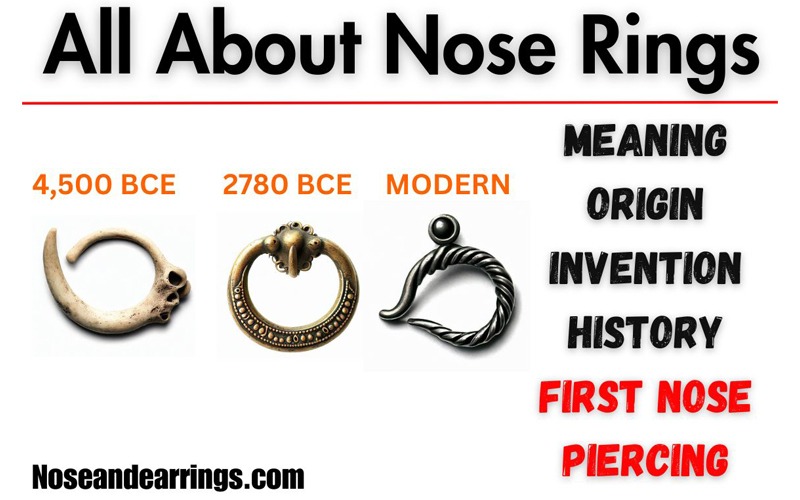
Nose rings, specifically, are mentioned in various ancient texts and were common in the cultural practices of the Near East. They were often associated with marriage and betrothal, serving as a symbol of commitment and prosperity. For instance, in Genesis 24:22, Abraham’s servant gives Rebekah a nose ring as part of her betrothal gift. This cultural context highlights that while Mary herself is not described as wearing a nose ring, such adornments were prevalent and culturally significant during her time.
Biblical References to Mary

The Bible provides limited details about Mary’s personal adornments, focusing instead on her character, faith, and pivotal role in the narrative of Jesus’s birth. In the Gospel of Luke, Mary is depicted as a humble and devout woman chosen for an extraordinary purpose. The emphasis on her purity and obedience to God overshadows any mention of her physical appearance or adornments.
In passages like Luke 1:26-38, Mary’s dialogue with the angel Gabriel showcases her strength of character and willing spirit rather than her external beauty or possessions. The Gospels present Mary as a symbol of faith and devotion, steering the conversation away from material attributes.
Understanding Nose Rings in the Bible
While there are no direct references to Mary wearing a nose ring, the biblical text does mention nose rings in a few instances. For example, Genesis 24:22 describes the servant of Abraham giving Rebekah a gold nose ring as part of a betrothal gift. The significance of nose rings often varied by region and culture, with some societies viewing them as status symbols and others as markers of femininity.
In ancient times, adornments like nose rings were also seen as protective charms, believed to ward off evil spirits and bring good fortune. This multifaceted understanding of nose rings reflects the broader significance of jewelry in biblical literature, where adornments serve as symbols of social identity, wealth, and cultural practices.
The Role of Women in Mary’s Time
Women in biblical times often wore jewelry as a sign of femininity and beauty, aligning with the societal expectations of modesty while still being adorned. In many cultures, including those represented in the Bible, jewelry was an essential part of a woman’s identity, often gifted during significant life events such as marriages or births.
Mary, as a young woman in a patriarchal society, would have been influenced by these norms. The adornments she might have worn could signify her status as a betrothed woman preparing to enter motherhood. However, the absence of specific references to her adornments in the biblical narrative suggests a deliberate focus on her spiritual qualities over her physical appearance.
Interpretations and Artistic Representations
Throughout history, artists have depicted Mary in various ways, often reflecting the cultural and theological trends of their time. Renaissance artists, for instance, frequently adorned her with elaborate jewelry, including crowns and necklaces, to symbolize her elevated status as the Mother of God. These artistic choices serve to enhance her dignity and virtue rather than provide an accurate historical representation of her appearance.
Such depictions often emphasize the contrast between earthly beauty and spiritual purity. In many interpretations, jewelry is used as a visual metaphor for Mary’s inner grace and holiness, rather than a factual account of her physical adornments. This artistic lens invites viewers to reflect on the qualities that define Mary, emphasizing her role as a model of faith rather than focusing on external attributes.
Modern Perspectives on Adornment
Today, the discussion around body adornments, including nose rings and other forms of jewelry, continues to evolve within various religious contexts. Some modern interpretations of Mary emphasize her inner beauty, strength, and resilience, aligning with contemporary movements that challenge traditional standards of beauty and femininity.
In some Christian circles, the focus has shifted towards understanding adornment as a reflection of one’s character and virtues rather than mere physical appearance. This evolving perspective allows for a more nuanced appreciation of Mary’s significance beyond her external adornments, encouraging discussions on the value of spiritual beauty in contrast to materialistic ideals.
In conclusion, while there is no biblical evidence to suggest that Mary had a nose ring, the cultural practices of her time included various forms of adornment. The exploration of Mary’s life invites reflection on the significance of beauty and status in biblical narratives. This discussion encourages a broader understanding of how adornment has been perceived throughout history and how those perceptions continue to evolve today. For further exploration, consider delving into related topics like the symbolism of jewelry in scriptures or the portrayal of women in biblical texts.
Frequently Asked Questions
Did Mary have a nose ring in the Bible?
The Bible does not specifically mention Mary, the mother of Jesus, wearing a nose ring. However, the cultural context of ancient Israel included the use of jewelry, including nose rings, as a sign of beauty and status. In particular, some biblical references, such as in Genesis 24:22, mention nose rings, indicating that such adornments were present in the culture during that time.
What does the Bible say about jewelry and adornment?
The Bible has various references to jewelry and adornment, emphasizing both its beauty and the need for modesty. For instance, 1 Peter 3:3-4 advises women to focus on inner beauty rather than outward adornment, while Proverbs 31:22 depicts a virtuous woman as one who dresses well. These passages suggest that while jewelry can be appreciated, it should not overshadow one’s character and virtues.
Why is the topic of Mary wearing jewelry significant in biblical discussions?
Discussing whether Mary wore jewelry, such as a nose ring, can reveal insights into cultural practices, societal norms, and the role of women in biblical times. Understanding these aspects helps contextualize the narratives found in the Bible and illustrates how cultural expressions of beauty may differ across time and societies, fostering deeper comprehension of the biblical text.
Which biblical verses reference nose rings specifically?
Nose rings are specifically mentioned in Genesis 24:22 and Ezekiel 16:12. In Genesis, Abraham’s servant gives Rebekah a gold nose ring as a gift, symbolizing her beauty and worthiness as a future bride. In Ezekiel, God uses the imagery of a nose ring to represent adornment and the covenant relationship between Him and His people, highlighting the significance of jewelry in biblical symbolism.
How can understanding jewelry in biblical times enhance modern interpretations of faith?
Understanding jewelry in biblical times can enhance modern interpretations by providing context for discussions on materialism, beauty, and spirituality. It encourages believers to reflect on the balance between outward appearances and inner character, fostering a deeper connection to the teachings of modesty and virtue in their faith. This perspective can guide individuals in making choices about their adornments today while remaining true to their spiritual values.
References
- Nose ring
- https://www.biblicalarchaeology.org/daily/biblical-topics/biblical-archaeology-in-the-news/nose-rings-in-the-bible/
- https://www.jstor.org/stable/10.5325/jcsociety.3.1.0001
- https://www.biblegateway.com/resources/commentaries/IVP-NT/John/3-16-21-Explained
- https://www.christianitytoday.com/ct/2013/june/nose-rings-in-bible.html