Mary, often depicted as a pivotal figure in various traditions and religions, is not historically documented as having worn a nose ring. However, this intriguing question encourages a deeper exploration of the customs, cultural significance, and historical accuracy surrounding body adornments during her era. By examining the context of nose rings, their symbolism, and how they relate to Mary, we can gain valuable insights into the societal norms and practices of her time.
The Historical Context of Nose Rings

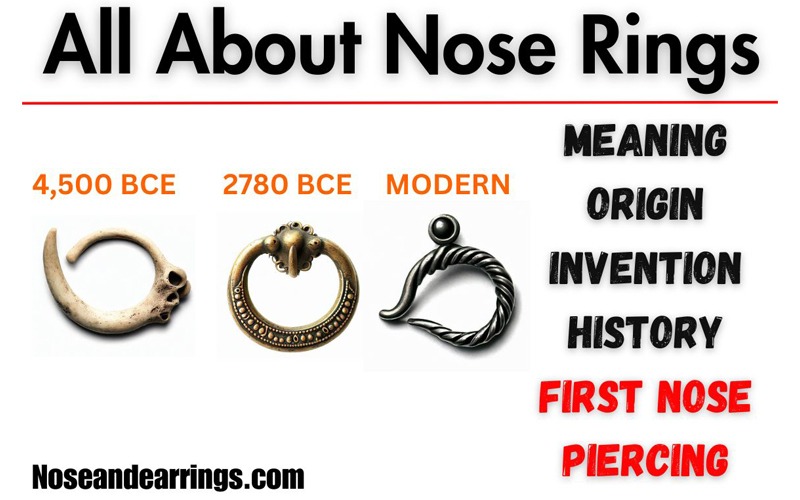
Nose rings have a long and varied history across numerous cultures, often symbolizing wealth, social status, and marital fidelity. Their origins can be traced back to ancient civilizations; for instance, in the Indian subcontinent, nose rings are believed to date back over 4,000 years and were traditionally worn by women as indicators of marital status. In contrast, in some Middle Eastern societies, nose rings could signify a woman’s social standing or her family’s wealth. The cultural significance of nose rings is not merely aesthetic; they have been woven into the fabric of social and religious customs, highlighting the interplay between adornment and identity.
Within the context of ancient Israel and its surrounding cultures, body adornments, including nose rings, held various meanings. They often served as markers of social and economic status, and in some cultures, they were tied to fertility and marriage. Understanding these cultural nuances allows us to appreciate the broader implications of body adornments in the historical narratives of figures like Mary.
Mary’s Cultural Background

Mary, the mother of Jesus, lived in a time and place where cultural customs profoundly influenced societal norms. The first-century Judea, under Roman rule, was a melting pot of various traditions and beliefs. The Jewish culture of this period was rich in religious practices that often dictated standards of modesty and adornment.
While the Hebrew Bible does not explicitly mention nose rings as a common practice among Jewish women, they were prevalent in neighboring cultures. For instance, the ancient Egyptians and other Semitic tribes often adorned themselves with various types of jewelry, including rings, as a form of beauty and status. This cultural backdrop informs our understanding of what Mary might have encountered regarding body adornments, even if she herself did not partake in those practices.
Symbolism of Body Adornments in Antiquity
In ancient societies, body adornments were intricately linked to religious beliefs, social identities, and personal expression. Adornments such as nose rings were often seen as symbols of beauty, power, and identity. In many cultures, they were imbued with spiritual significance, serving as offerings to deities or symbols of protection.
For example, in Hindu culture, a nose ring is not only a beautiful accessory but also a symbol of a woman’s marital status and her connection to fertility. In the spiritual context, body adornments were often thought to enhance one’s connection to the divine, making them sacred in their usage. The significance of nose rings, and body adornments more broadly, illustrates how personal expression and societal norms were intertwined in antiquity.
Artistic Representations of Mary
Throughout history, Mary has been represented in countless artistic forms, from paintings to sculptures, each reflecting the values and aesthetics of the time in which they were created. While many of these depictions showcase her in traditional attire, the adornments she is shown wearing can vary significantly.
In some Renaissance artworks, for instance, Mary is depicted with elaborate jewelry, including crowns and necklaces, which reflect the artistic conventions and societal norms of the period rather than historical accuracy. Such artistic choices may influence contemporary perceptions of her figure, leading to misconceptions about her actual appearance and adornments. Analyzing these artworks reveals not only the evolving artistic styles but also the societal norms regarding beauty and adornment during different historical periods.
The Modern Perspective on Nose Rings
Today, the perception of nose rings has significantly evolved, often viewed through a contemporary lens that disconnects them from their historical meanings. In modern Western cultures, nose rings can represent a fashion statement, individual expression, or even rebellion against traditional norms. This shift highlights a broader trend in which adornments that once held deep cultural and religious significance have transformed into symbols of personal identity and style.
However, it is essential to recognize the historical context from which these adornments arise. Understanding the evolution of the nose ring—from a symbol of status and beauty in ancient cultures to a modern fashion accessory—illustrates how meanings can shift over time. This awareness can foster a deeper appreciation for the complexities of body adornments and their significance across cultures.
Myths and Misconceptions
There are numerous myths and misconceptions regarding Mary and body adornments that can cloud historical fact. For example, while many artistic representations might suggest that Mary wore elaborate jewelry, the absence of concrete historical evidence makes these depictions more reflective of the artists’ cultural contexts than of Mary’s life itself.
Additionally, some narratives surrounding Mary may romanticize or idealize her image, leading to assumptions about her lifestyle and choices that are not substantiated by historical texts. Distinguishing between myth and reality is crucial for a clearer understanding of her life, her cultural background, and the customs of her time.
Conclusion
In exploring whether Mary had a nose ring, we uncover a rich tapestry of cultural practices and societal norms surrounding body adornments. While there is no definitive evidence that she wore a nose ring, understanding the historical context enhances our appreciation of her significance and the customs of her time. This inquiry not only sheds light on Mary herself but also on the broader cultural practices that have shaped societal views on adornment through history. If you’re interested in more about historical figures and their cultural practices, subscribe for more insights and discussions.
Frequently Asked Questions
Did Mary, the mother of Jesus, wear a nose ring?
There is no historical or biblical evidence to support the claim that Mary, the mother of Jesus, wore a nose ring. In the context of ancient Jewish culture, nose rings were not common among women of her social and religious background. Most references to Mary’s adornments focus on her role and virtues rather than her physical appearance or jewelry.
What does the Bible say about body piercings and jewelry?
The Bible addresses body adornments and jewelry in various passages, emphasizing the importance of inner beauty over external appearance. For instance, 1 Peter 3:3-4 encourages women not to focus solely on outward adornments like braiding hair or wearing gold, but to cultivate a gentle and quiet spirit. While body piercings are not explicitly mentioned, the overall message suggests that adornment should not overshadow spiritual qualities.
Why do some cultures have traditions of women wearing nose rings?
In many cultures, particularly in South Asia and parts of Africa, nose rings are deeply rooted in tradition and symbolism. They often signify marital status or cultural identity and are seen as a form of beauty and femininity. The practice of wearing nose rings can also be linked to religious beliefs, with some considering it a rite of passage or a protective charm.
What are the historical origins of nose rings in different cultures?
Nose rings have a rich history that spans various cultures and civilizations. They are believed to have originated in the Middle East around 4,000 years ago, with references found in ancient texts and artifacts. In Indian culture, nose rings are often associated with marriage and are commonly worn by brides as part of their wedding attire, while in other cultures, they have been used as a sign of wealth or social status.
Which biblical figures are known for their adornments, and what do they represent?
Several biblical figures are noted for their adornments, including Sarah, Rebecca, and Jezebel. These adornments often represent wealth, social status, or cultural identity. For example, in Genesis 24:22, Abraham’s servant gives Rebecca a gold nose ring as a symbol of her beauty and worthiness. Such references highlight the significance of jewelry in conveying messages of status and relationships within biblical narratives.
References
- Mary of Bethany
- https://www.bbc.com/religion/religions/christianity/saints/mary.shtml
- https://www.theguardian.com/world/2020/mar/26/who-was-mary-magdalene-and-why-is-she-important
- https://www.history.com/topics/religion/mary-magdalene
- https://www.npr.org/sections/13.7/2017/07/13/536967879/the-myth-of-mary-magdalene
- https://www.jstor.org/stable/26458234
- (PDF) Two novel mucin genes down-regulated in colorectal cancer identified by differential display
- https://www.metmuseum.org/toah/hd/mary/hd_mary.htm