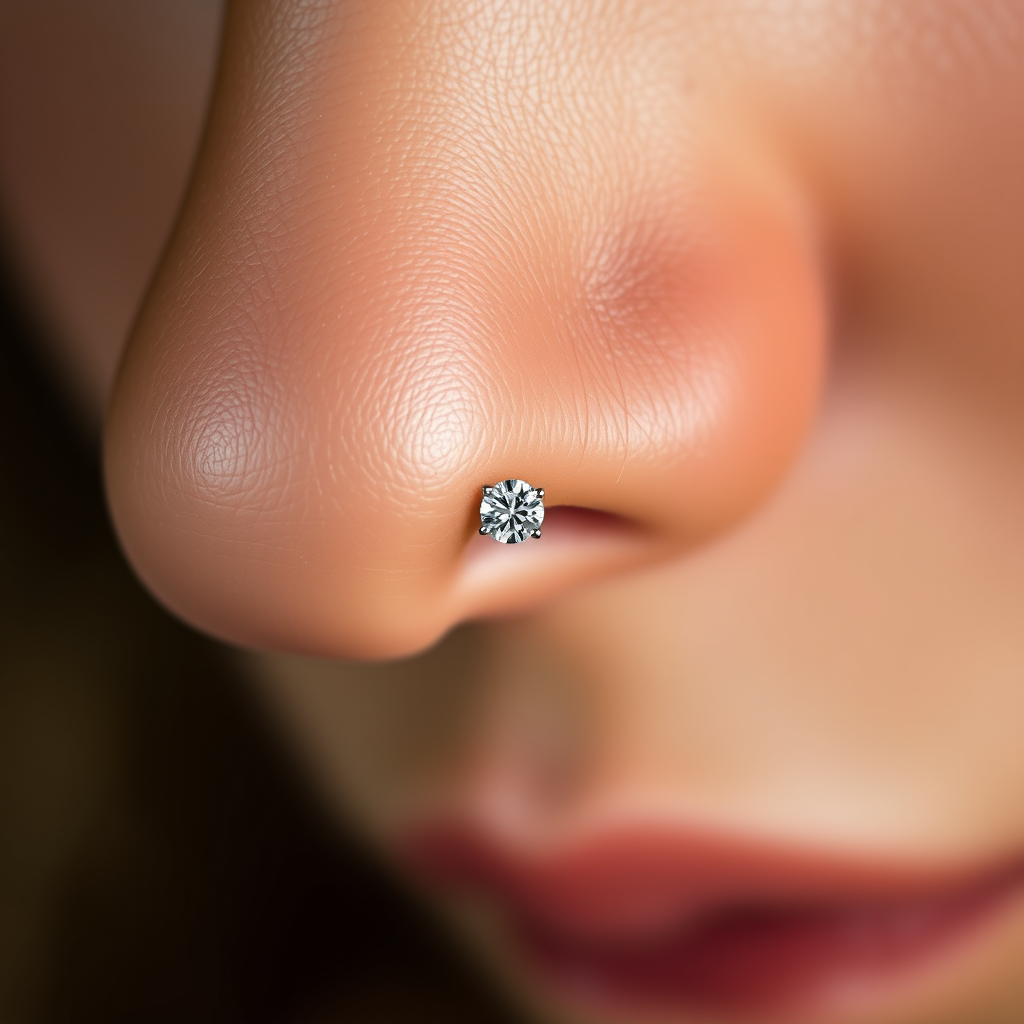
Nose piercings generally heal better with a stud rather than a ring. The reason for this is that studs are more stable and less likely to move, which can help prevent irritation and promote faster healing. This article will delve into the differences between studs and rings, examine their effects on the healing process, and provide essential tips for maintaining your nose piercing effectively.
The Healing Process of Nose Piercings
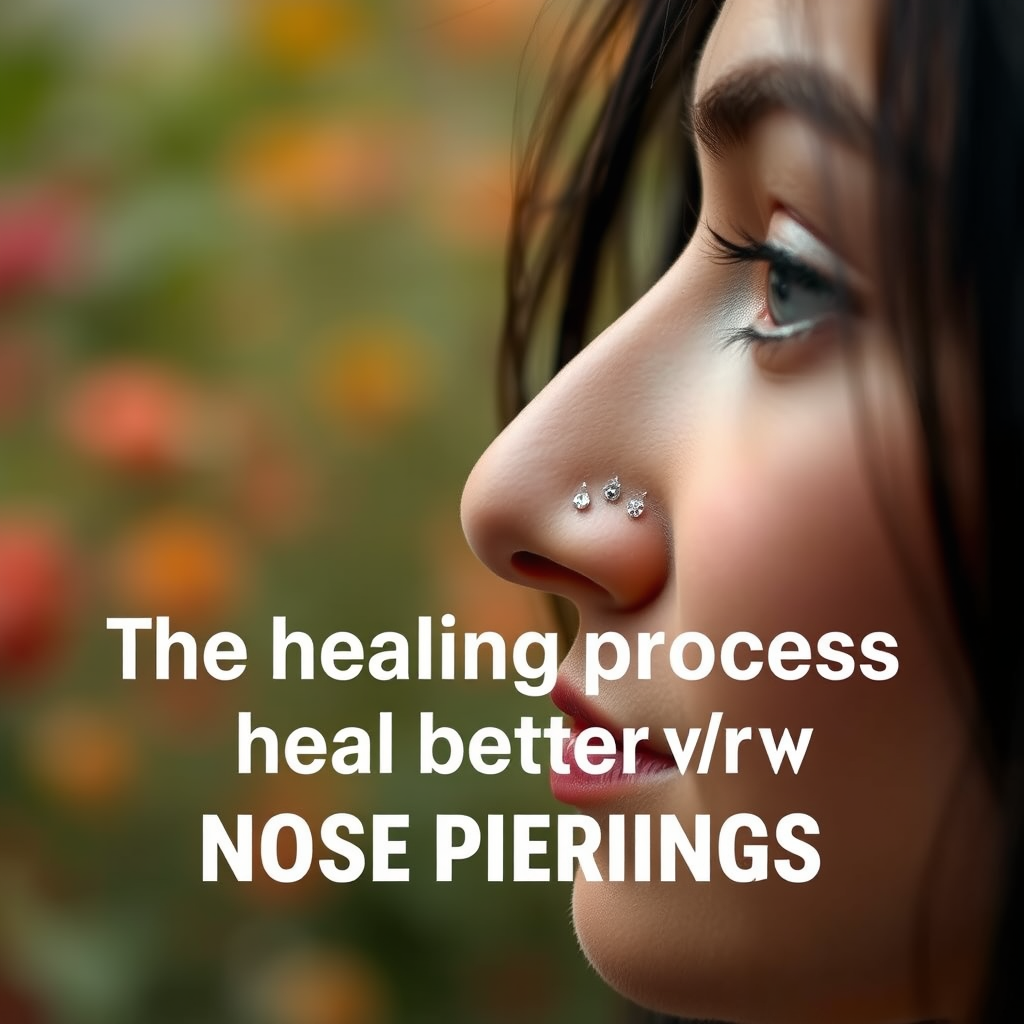
Understanding the stages of healing is crucial for anyone considering a nose piercing. The healing process typically occurs in three stages: swelling, healing, and remodeling.
1. Swelling: Immediately after the piercing, the body responds by sending blood flow to the area, which can lead to temporary swelling and tenderness.
2. Healing: As the weeks pass, the piercing begins to heal. During this phase, new tissue forms around the jewelry, providing a protective barrier.
3. Remodeling: This final stage can last for several months, where the tissue continues to strengthen and mature, eventually stabilizing around the jewelry.
The typical healing time for nose piercings is usually between 2 to 4 months, although this can vary based on individual anatomy, aftercare practices, and the type of jewelry used. Proper care during this time is essential to facilitate a smooth healing process.
Benefits of Using a Stud

Choosing a stud for your nose piercing offers several advantages that can significantly contribute to a better healing experience.
– Stability: Studs are designed to sit securely against the skin, minimizing movement. This stability reduces the chance of irritation, which is vital during the healing process. When the jewelry remains in place, the risk of friction and trauma to the piercing is decreased.
– Less chance of snagging: Another advantage of studs is their lower profile compared to rings. This design minimizes the risk of catching on clothing, hair, or other objects, further reducing the likelihood of complications during healing.
Overall, these factors make studs a popular choice, especially for those who prioritize a smoother, quicker recovery.
Drawbacks of Using a Stud
While studs have clear benefits, there are also drawbacks to consider.
– Initial discomfort: Some individuals may find that the initial placement of a stud can be uncomfortable. The post may press against the interior of the nose, leading to temporary soreness. This discomfort typically subsides as the piercing heals, but it is a factor to keep in mind.
– Limited style options: Unlike rings, which come in various styles and designs, studs often have fewer aesthetic choices. For those who enjoy changing their jewelry frequently or want a more personalized look, this could be a limiting factor.
Benefits of Using a Ring
Rings can also be appealing for various reasons, particularly from a fashion perspective.
– Aesthetic appeal: Rings have a unique and stylish look that many find attractive. They can offer a more dramatic effect and can be a statement piece in jewelry collections. For those who value fashion, a ring can enhance their overall style.
– Versatility: Changing rings can be easier and less painful than switching studs. Many rings allow for a variety of designs, from simple hoops to intricate patterns, providing an opportunity for personal expression.
This versatility can be a significant advantage for individuals who enjoy customizing their look.
Drawbacks of Using a Ring
Despite their aesthetic advantages, rings come with their own set of challenges.
– Increased movement: Rings tend to shift more than studs, which can delay the healing process. The constant movement can irritate the piercing, increasing the risk of inflammation and complications. This is particularly concerning during the early phases of healing when the piercing is most sensitive.
– Higher risk of irritation: The movement inherent in rings can lead to friction against the piercing, which may cause the area to become red, swollen, or painful. This irritation can complicate the healing process and may necessitate a return to the piercer for adjustments or even a switch back to a stud.
Aftercare Tips for Nose Piercings
Proper aftercare is crucial for ensuring a successful healing process, regardless of whether you choose a stud or a ring.
– Cleaning routine: It is essential to keep the piercing area clean. A saline solution is often recommended for this purpose. Cleaning the piercing 1-2 times daily with saline can help prevent infection and promote healing.
– Avoiding certain products: It’s important to steer clear of alcohol-based products, which can dry out the skin and lead to irritation. Additionally, avoid touching the piercing with dirty hands, as this can introduce bacteria and lead to infection.
By following a diligent aftercare routine, you can help ensure that your nose piercing heals properly.
When to Consult a Professional
Recognizing when to seek professional help is vital for maintaining your health during the healing process.
– Signs of infection: Be vigilant for signs of infection, such as prolonged redness, swelling, or the presence of pus. These symptoms can indicate that the piercing has become infected and may require medical attention.
– Persistent pain or discomfort: If you experience consistent pain or discomfort that does not improve over time, it is advisable to consult a professional piercer or healthcare provider. They can assess the situation and recommend appropriate steps to address any issues.
Taking these precautions can help ensure a healthy healing process and prevent complications.
In summary, nose piercings tend to heal better with a stud due to their stability and lower risk of irritation. Understanding the pros and cons of both studs and rings, along with proper aftercare, can significantly enhance the healing experience. If you are considering a nose piercing or contemplating a switch from a ring to a stud, it is crucial to weigh your options carefully and consult with a professional before making any changes. By doing so, you can enjoy a beautiful and healthy nose piercing.
Frequently Asked Questions
Which is better for healing: a stud or a ring for a nose piercing?
Generally, a stud is recommended for initial healing of a nose piercing. Studs tend to be more stable and less likely to move or irritate the piercing site, which can help minimize the risk of infection and promote faster healing. Rings can shift around more and may cause unnecessary trauma to the healing tissue.
How long does it take for a nose piercing to heal with a stud compared to a ring?
A nose piercing typically takes about 2 to 4 months to heal when using a stud, while healing with a ring may take longer due to the potential for irritation and movement. The stability of a stud helps maintain the integrity of the piercing, whereas rings can complicate the healing process if they shift or catch on clothing.
Why do some people prefer rings over studs for nose piercings?
Many people prefer rings for their aesthetic appeal, as they can add a unique style to the piercing. However, it’s essential to note that while rings may look attractive, they may not be the best option during the healing phase due to the increased risk of irritation and complications. Once fully healed, switching to a ring can be a fun way to express personal style.
What should I consider when choosing between a stud and a ring for my nose piercing?
When choosing between a stud and a ring for your nose piercing, consider factors such as healing time, potential for irritation, and personal style. A stud is often best for the initial healing phase, while a ring can be a stylish option once the piercing has fully healed. Additionally, consider the material and size of the jewelry, as these can impact comfort and healing.
How can I ensure my nose piercing heals properly with a stud or ring?
To ensure proper healing of your nose piercing, regardless of whether you choose a stud or a ring, follow aftercare instructions carefully. Clean the area with saline solution or a recommended aftercare product, avoid touching or twisting the jewelry, and refrain from swimming in pools or hot tubs during the healing process. Monitoring for signs of infection, such as excessive redness or discharge, is also crucial for a smooth recovery.
References
- https://www.ncbi.nlm.nih.gov/pmc/articles/PMC6681012/
- https://www.healthline.com/health/piercing-healing
- https://www.mayoclinic.org/healthy-lifestyle/adult-health/in-depth/body-piercing/art-20044809
- https://www.verywellhealth.com/how-to-care-for-a-nose-piercing-5073585
- https://www.aaaai.org/conditions-and-treatments/library/allergy-library/nose-piercing-care
- https://www.medicalnewstoday.com/articles/what-to-know-about-nose-piercings
- Essential Hypertension – StatPearls – NCBI Bookshelf