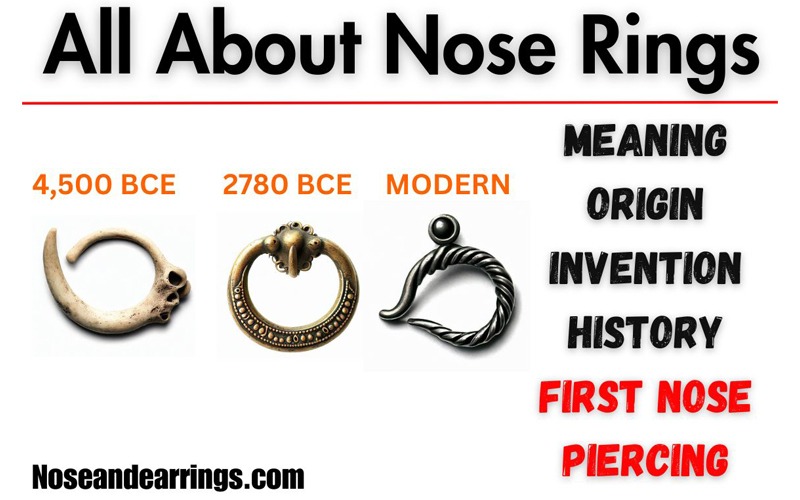
No, not all nose rings are the same size; they come in various dimensions, including gauge thickness and diameter. Understanding these variations is essential for ensuring comfort and achieving the desired aesthetic when selecting a nose ring. With a myriad of styles and sizes available, the right choice can significantly enhance your experience with body jewelry. This article will delve into the intricacies of nose ring sizes and styles, guiding you to make an informed decision when it comes to your nose piercing.
Understanding Nose Ring Sizes
Nose rings are primarily measured in two dimensions: gauge and diameter. Gauge refers to the thickness of the post or hoop, while diameter pertains to the size of the ring itself. Common gauges for nose rings typically range from 20G (0.8mm) to 14G (1.6mm). The gauge you choose can greatly impact both comfort and fit; a thicker gauge may provide a sturdier feel but could also be less comfortable for some individuals, especially during the healing process.
For instance, if you have a sensitive piercing or you are newly pierced, starting with a 20G might be advisable, as it tends to be less intrusive. Conversely, if you are looking for a more durable option for an established piercing, a 16G may offer a balance of strength and comfort. Always consider your personal experience and sensitivity levels when selecting gauge sizes.
Types of Nose Rings

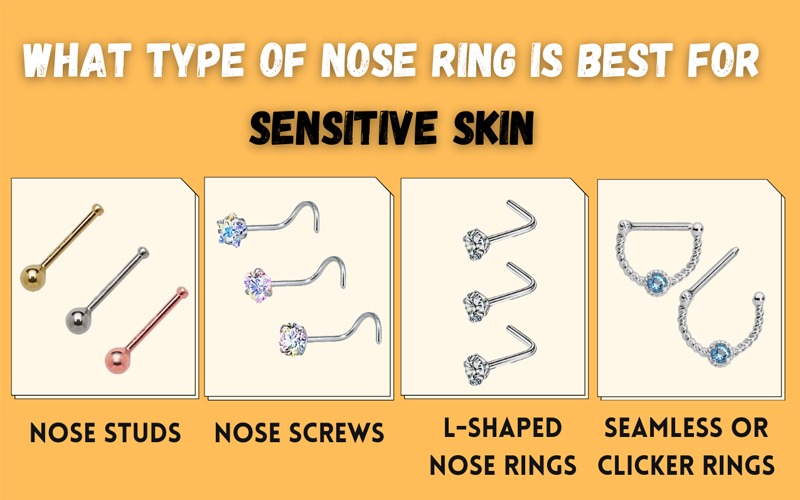
There are various styles of nose rings, including studs, hoops, and septum rings, each with unique sizing requirements.
– Nose Studs: Typically consist of a small post with a decorative end, which can vary in size and thickness. The end piece is often designed to fit snugly in the nostril while maintaining comfort.
– Hoops: These come in various diameters and can be either seamless or with a closure. The diameter must be properly measured to avoid a loose fit that might cause the hoop to fall out or a tight fit that could lead to discomfort.
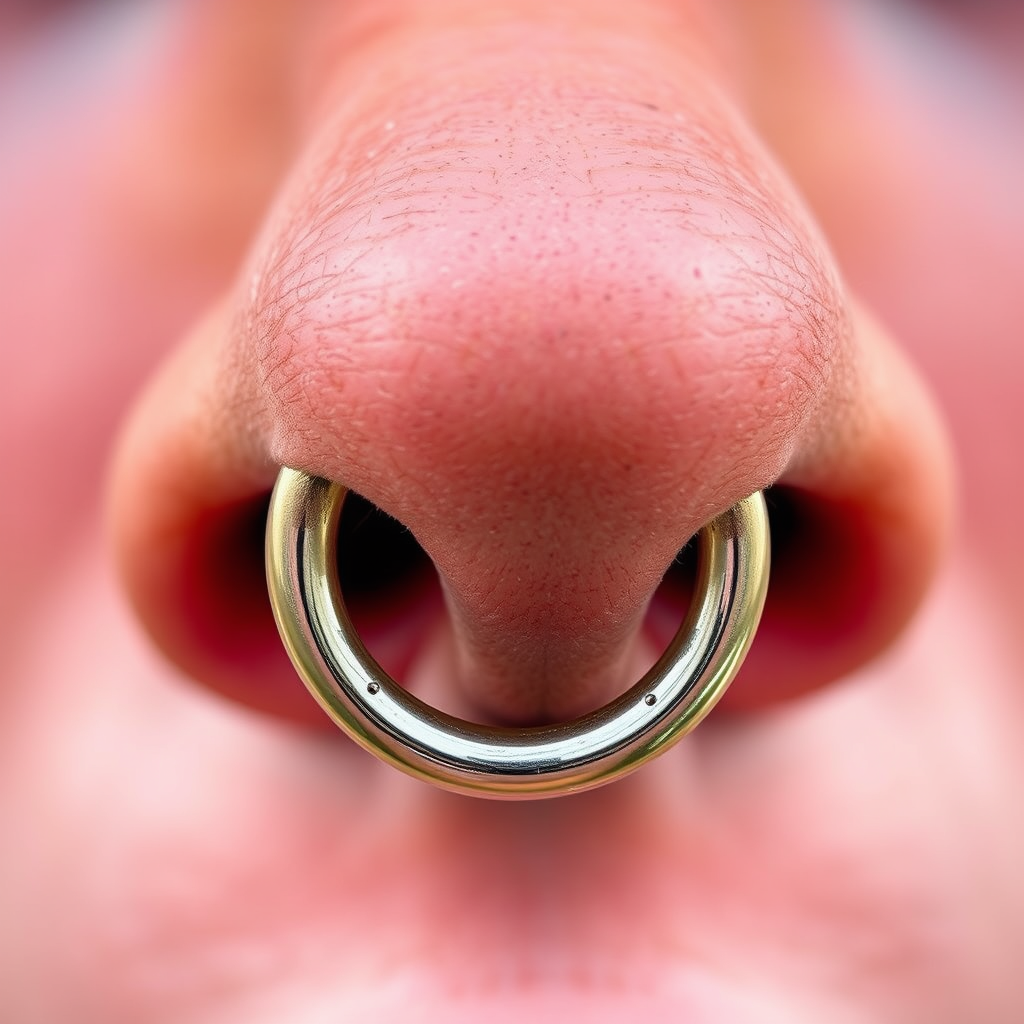
– Septum Rings: These require specific sizing considerations as they are designed to fit through the septum, the cartilage dividing the nostrils. Septum rings often come in different diameters and can be adjustable, but it is essential to ensure that the gauge matches your piercing for a secure fit.
Different styles may have varying size requirements even if they are intended for the same piercing, underscoring the importance of understanding the specifications of each type.
Importance of Proper Sizing
Proper sizing of your nose ring is crucial for several reasons. A correctly sized nose ring prevents irritation, avoiding the risk of constant rubbing against the skin, which can lead to discomfort or even injury. Additionally, a well-fitting nose ring is less likely to move out of place or fall out, reducing the risk of losing valuable jewelry.
Misfitting rings can lead to complications such as infections or allergic reactions. For example, an overly tight ring might restrict airflow and cause swelling, while a loose ring could create opportunities for bacteria to enter the piercing. Therefore, ensuring that your nose ring fits properly is vital for both health and aesthetic reasons.
How to Measure Nose Ring Size
Measuring your nose ring size can seem daunting, but it is straightforward with the right tools. Using a caliper or a ruler, measure the thickness (gauge) and the diameter of your existing jewelry. If you are measuring for a new piercing, it’s best to consult with a professional piercer who can provide accurate measurements and recommendations based on your anatomy.
If you don’t have access to measuring tools, a professional piercer can also help determine the suitable gauge and diameter for your nose ring. They can provide insights based on your individual anatomy and preferences, ensuring that you select the best option for comfort and fit.
Choosing the Right Nose Ring for You
When selecting a nose ring, consider your personal style, lifestyle, and how frequently you plan to change your jewelry. For instance, if you lead an active lifestyle, a more secure and durable option—such as a stud or a seamless hoop—might be preferable. Conversely, if you enjoy experimenting with different looks, consider acquiring a variety of styles and sizes to match your outfits and occasions.
Additionally, be mindful of the materials used in your nose ring. Opt for hypoallergenic materials such as surgical stainless steel, titanium, or gold to minimize the risk of allergic reactions. Each material has its own set of characteristics; for instance, titanium is lightweight and very strong, making it a great option for everyday wear, while gold adds a touch of elegance for special occasions.
Tips for Buying Nose Rings
When purchasing nose rings, it’s crucial to look for reputable sellers who provide accurate size details. Many online shops offer sizing guides and customer reviews that can assist you in making an informed decision.
One effective strategy is to consider purchasing a variety pack, which contains multiple sizes and styles. This allows you to experiment with different looks and find the best fit without committing to a single piece. Additionally, always check the return policy before finalizing your purchase, as it can provide peace of mind should the ring not fit as expected.
In summary, take the time to research and understand the nuances of nose ring sizes and styles to ensure you find the perfect match for your piercing.
Choosing the right nose ring size is essential for comfort and style, as not all nose rings share the same measurements. Always measure carefully and consult professionals to ensure you find the perfect fit. Now that you understand the importance of sizing, take the next step by exploring your options and finding the ideal nose ring for your unique style!
Frequently Asked Questions
Are all nose rings the same size?
No, not all nose rings are the same size. Nose rings come in various gauge sizes, typically ranging from 20G to 16G, with the most common sizes being 18G and 20G. The gauge refers to the thickness of the jewelry, and the size of the ring can also vary in terms of diameter and shape, so it’s crucial to measure your piercing before purchasing a nose ring to ensure a proper fit.
How do I know what size nose ring I need?
To determine the correct size of a nose ring, you should measure the gauge of your piercing, which can usually be found on the jewelry you currently wear. If you’re unsure, a professional piercer can help measure your nose piercing. Additionally, consider the style and shape of the nose ring, as certain designs may require specific sizes for optimal comfort and appearance.
Why does the size of a nose ring matter?
The size of a nose ring is important for both comfort and healing. Wearing a ring that is too tight can cause irritation or even infection, while a ring that is too loose may fall out or get caught on clothing. Choosing the right size ensures a secure fit, which is especially crucial for new piercings that are still healing.
What is the best size for a nose ring for first-time piercings?
For first-time piercings, a standard size of 18G is often recommended, as it strikes a balance between comfort and aesthetics. However, it’s essential to consult with your piercer, as they may suggest a different gauge based on your anatomy and personal preference. Additionally, opting for a simple stud or hoop design can help minimize irritation during the healing process.
Which materials are best for nose rings and do they affect size?
The best materials for nose rings include surgical stainless steel, titanium, and niobium, as these are hypoallergenic and safe for new piercings. While the size itself is determined by gauge and diameter, the material can affect the weight and feel of the nose ring, which may influence your overall comfort. Always ensure that the material used is suitable for your skin type to prevent allergic reactions.