Nose rings can be safe when proper precautions are taken, including choosing the right jewelry and maintaining good hygiene. Understanding the inherent risks associated with nose piercings and implementing effective aftercare practices are crucial for minimizing potential complications. This article delves into the safety aspects of nose rings, examining the risks involved, the best materials to choose, proper aftercare protocols, and considerations based on individual skin types.
Understanding the Risks of Nose Rings
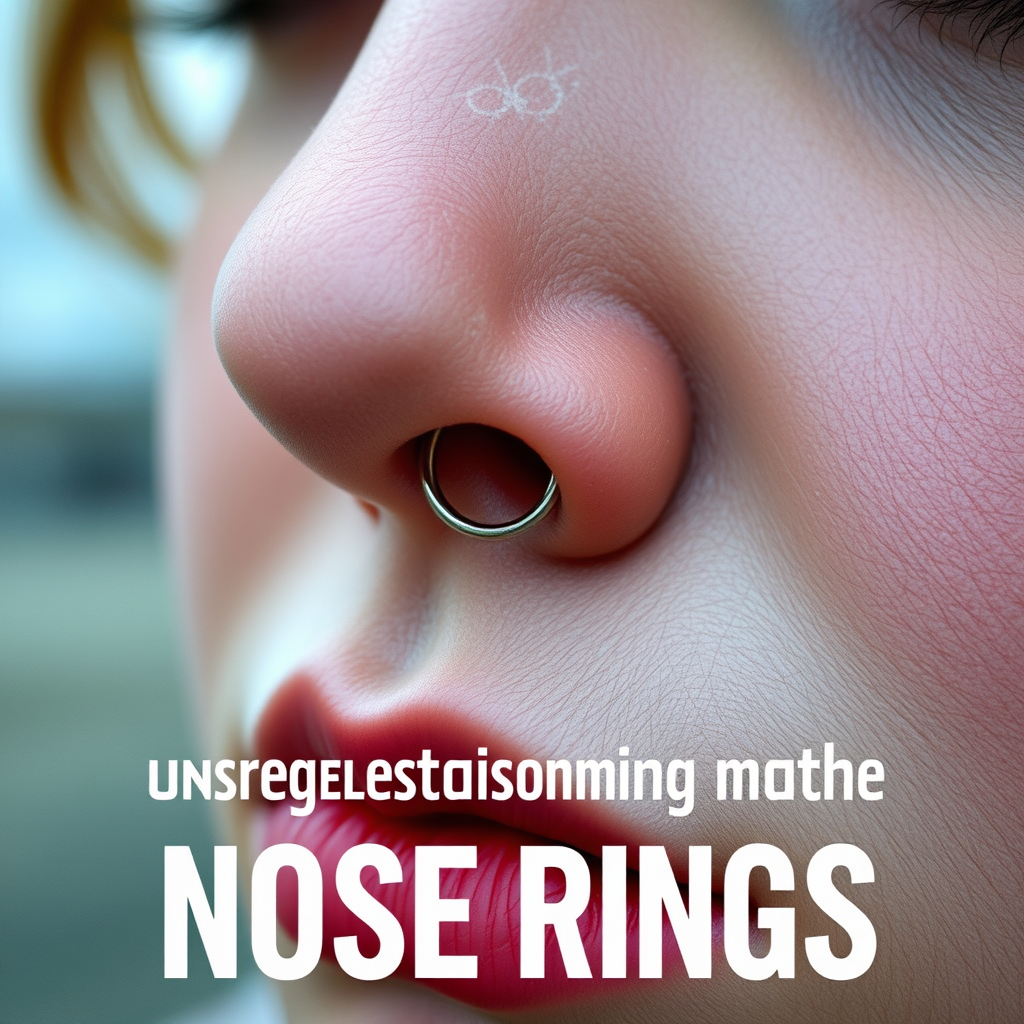
While nose rings can serve as a fashionable accessory, they do present certain risks that require careful consideration. Two primary concerns are allergic reactions and the potential for infection.
– Allergic Reactions: Individuals may experience skin irritation or allergic reactions due to certain metals commonly used in jewelry. For example, nickel is known to cause allergic contact dermatitis in many people. Symptoms can include redness, itching, and swelling at the piercing site. Choosing hypoallergenic materials can help mitigate this risk.
– Infection Potential: Any body piercing, including nose rings, can become infected if proper care is not taken. Bacteria can enter the body through the piercing, leading to symptoms such as increased redness, swelling, pain, and discharge. It is essential to follow hygiene practices diligently to prevent infection.
Choosing Safe Jewelry Materials
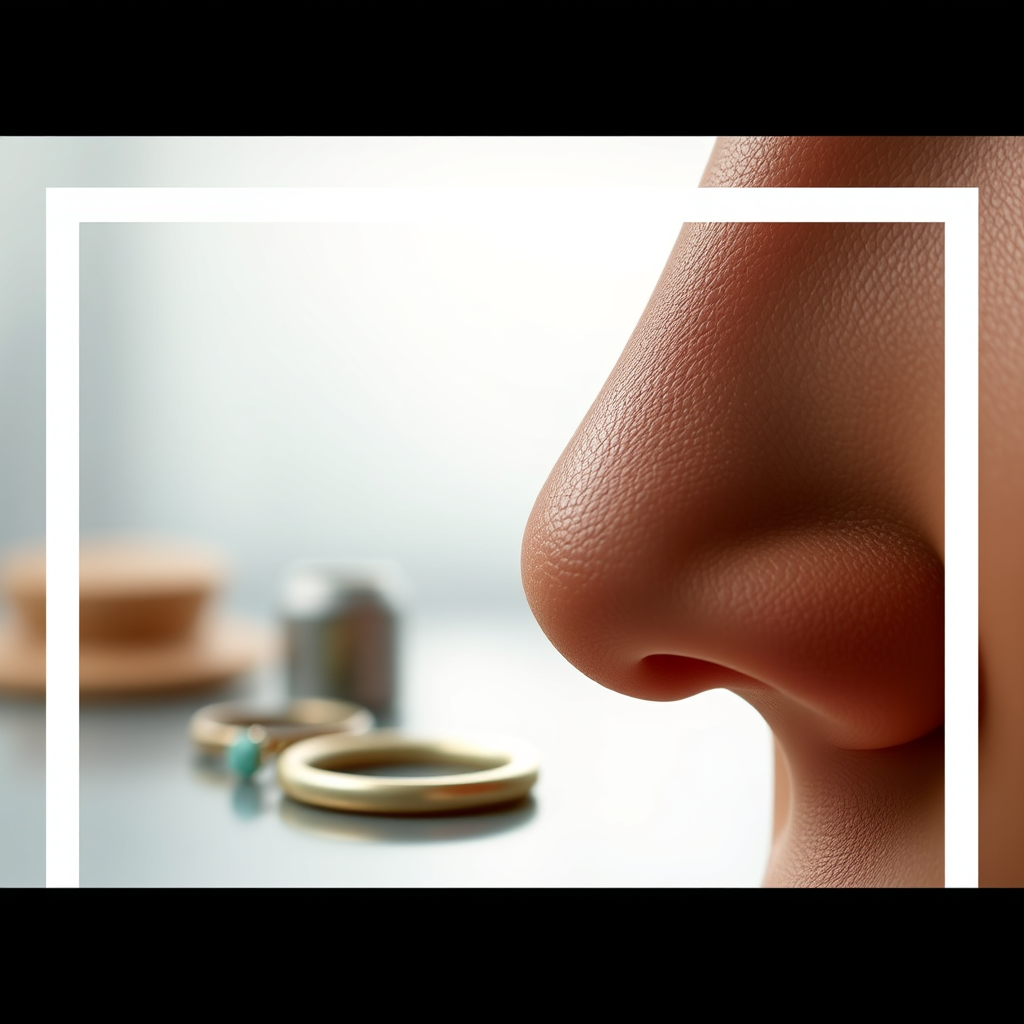
Selecting the right jewelry is paramount for ensuring the safety of your nose piercing. Here are some critical considerations:
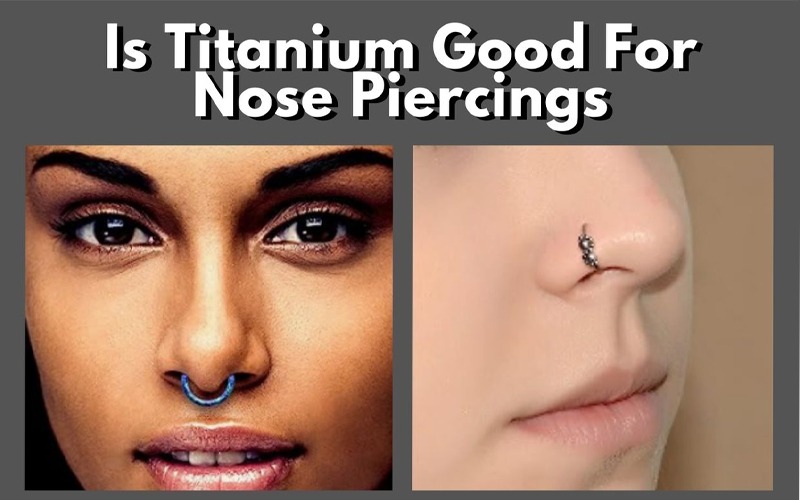
– Nickel-Free Options: To minimize the risk of irritation or allergic reactions, opt for materials such as titanium, surgical stainless steel, or solid gold. Titanium is particularly favored due to its biocompatibility and resistance to corrosion, making it an excellent choice for new piercings. Surgical stainless steel is also a robust option, but ensure it is nickel-free to avoid potential reactions.
– Quality Assurance: It’s vital to source your jewelry from reputable suppliers. Cheap or poorly made jewelry can contain harmful metals or rough edges, increasing the risk of irritation or injury. Always check for certifications or reviews when purchasing jewelry to ensure you’re getting a quality product.
Proper Aftercare for Nose Piercings
Aftercare is a critical component of maintaining the health and safety of your nose piercing. Implementing a consistent cleaning routine and avoiding unnecessary touching can significantly reduce the risk of complications.
– Cleaning Routine: To keep your piercing clean, use a saline solution or a gentle antiseptic recommended by your piercer. Saline solutions can help flush out bacteria and debris, while antiseptics can reduce the risk of infection. It’s advisable to clean the area twice a day, especially during the initial healing period.
– Avoiding Touch: One of the most common mistakes is touching or twisting the nose ring, which can introduce bacteria to the piercing. Make a conscious effort to avoid playing with your jewelry and wash your hands thoroughly before touching your face. Additionally, avoid changing the jewelry too soon, as doing so can disrupt the healing process.
When to Seek Professional Help
While many nose piercings heal without issue, it is essential to know when to consult a healthcare professional.
– Signs of Infection: Be vigilant for symptoms such as persistent redness, swelling, warmth around the piercing, or the presence of pus. If you notice these signs, seek medical attention promptly. Early intervention can prevent a minor issue from escalating into a more serious infection.
– Piercing Reactions: If you experience unusual pain, prolonged discomfort, or changes in the piercing’s appearance, it’s crucial to have the situation assessed by a professional. A dermatologist or a qualified piercer can provide guidance on the next steps, which may include changing the jewelry or treating an infection.
Considerations Based on Skin Type
Understanding your skin type can help you make informed decisions about your nose piercing and jewelry options.
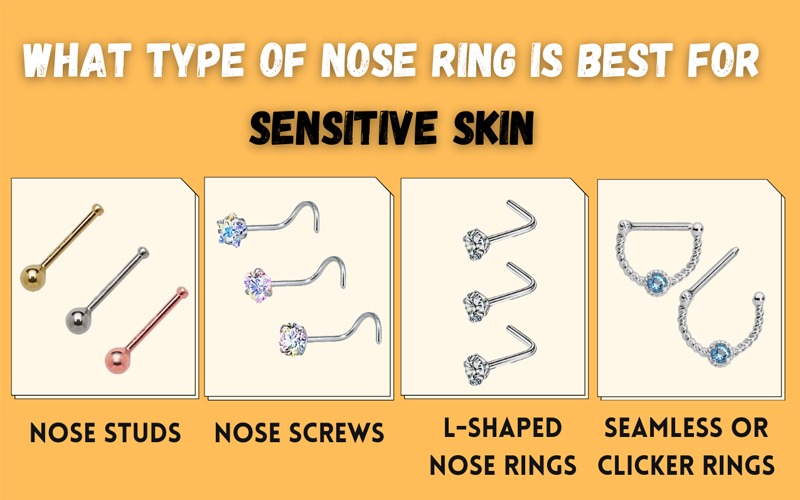
– Sensitive Skin: Those with sensitive skin should be particularly cautious when choosing jewelry. Stick to hypoallergenic materials and avoid any designs that might irritate the skin, such as those with sharp edges or complex shapes. It’s also advisable to monitor the piercing closely during the healing process for any adverse reactions.
– Oily Skin: Individuals with oily skin may find that their piercings require more frequent cleaning. Excess oil can lead to buildup around the piercing, increasing the risk of irritation. Regular cleaning, possibly even more than twice a day, can help maintain hygiene and prevent complications.
Tips for First-Time Nose Ring Wearers
If you’re new to wearing nose rings, consider these essential tips to ensure a safe and pleasant experience.
– Professional Piercing: Always select a reputable, licensed professional to perform the piercing. An experienced piercer will use sterile equipment and follow best practices to minimize risks. Avoid DIY piercings, as they can lead to complications that may require medical intervention.
– Initial Jewelry Size: During the healing process, it’s common for piercings to swell. Starting with a slightly larger gauge jewelry can accommodate this swelling, preventing the jewelry from becoming too tight and causing discomfort or complications.
Nose rings can be a safe and stylish form of self-expression when the right precautions are taken. By understanding the potential risks, selecting the right materials, and adhering to proper aftercare, you can enjoy your nose ring with confidence. If you’re considering getting a nose ring or have any concerns, consulting with a professional piercer or dermatologist for personalized advice is always a wise decision.
Frequently Asked Questions
Are nose rings safe for everyone?
Nose rings are generally safe for most people, but individual factors can influence safety. For instance, those with allergies to certain metals, such as nickel, should opt for hypoallergenic materials like titanium or surgical stainless steel. Additionally, individuals with skin sensitivities or certain health conditions should consult a healthcare provider before getting a nose piercing.
How can I minimize the risk of infection after getting a nose ring?
To minimize the risk of infection after getting a nose ring, it’s crucial to follow proper aftercare. Clean the pierced area with saline solution or an antiseptic recommended by your piercer, and avoid touching the piercing with dirty hands. Additionally, refrain from swimming in pools or hot tubs for at least a few weeks, as bacteria in these environments can increase the risk of infection.
Why do some people experience allergic reactions to nose rings?
Allergic reactions to nose rings often result from the metal used in the jewelry. Common allergens include nickel and certain alloys found in lower-quality jewelry. To avoid such reactions, it’s best to choose high-quality, hypoallergenic materials like titanium, surgical stainless steel, or gold that is at least 14 karats, which are less likely to cause skin irritation.
What is the best type of nose ring for sensitive skin?
For individuals with sensitive skin, the best types of nose rings are those made from hypoallergenic materials. Options such as titanium, surgical stainless steel, and 14k gold are excellent choices because they are less likely to cause allergic reactions or irritations. Additionally, look for jewelry with a smooth finish and minimal embellishments to reduce the risk of irritation.
Which aftercare tips are most effective for healing a nose ring?
Effective aftercare for healing a nose ring includes cleaning the piercing twice a day with a saline solution and avoiding the use of alcohol or hydrogen peroxide, which can be too harsh. It’s also important to avoid changing the jewelry prematurely and to keep the area dry. Regularly checking for signs of infection, such as excessive redness or swelling, can help ensure a smooth healing process.
References
- https://www.ncbi.nlm.nih.gov/pmc/articles/PMC4561980/
- https://www.mayoclinic.org/healthy-lifestyle/adult-health/in-depth/body-piercing/art-20045260
- https://www.hopkinsmedicine.org/health/wellness-and-prevention/body-piercing-safety
- https://www.cdc.gov/nceh/ehs/docs/body_piercing.pdf
- https://www.aafp.org/pubs/afp/issues/2003/1101/p1785.html
- https://www.who.int/news-room/fact-sheets/detail/tattooing-and-body-piercing
- https://www.verywellhealth.com/are-nose-piercings-safe-5206641