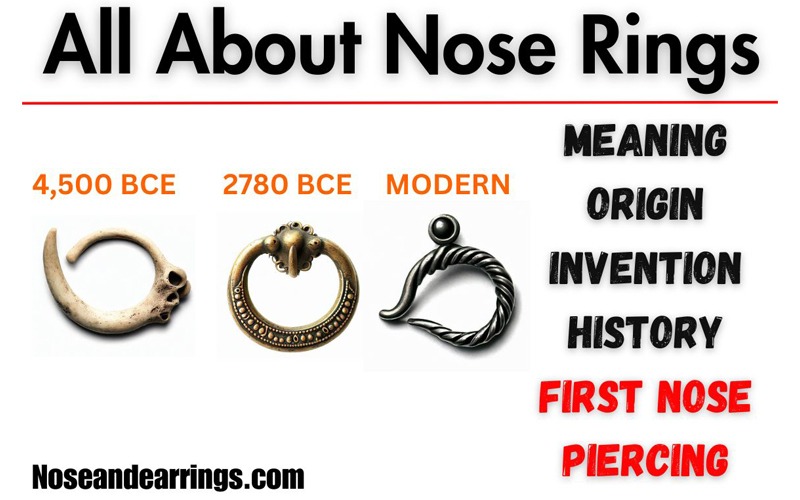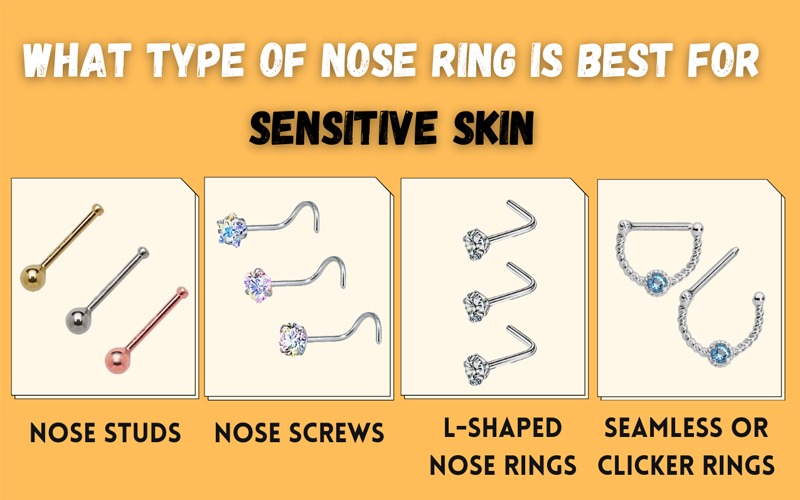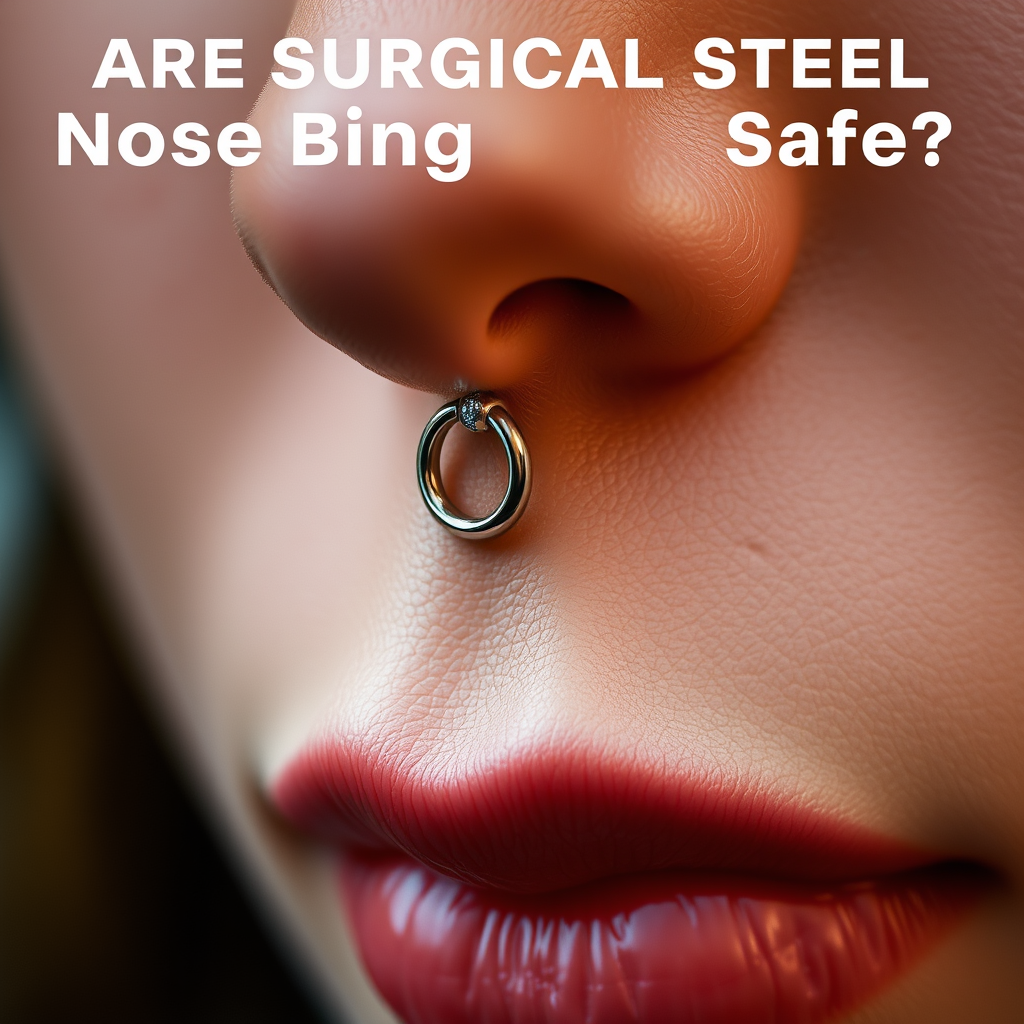
Surgical steel nose rings are generally considered safe for most people, especially those with sensitive skin or metal allergies. This is largely due to the hypoallergenic properties of surgical steel, which minimizes the risk of adverse reactions. In this article, we will delve into the safety of surgical steel, explore potential risks, and provide guidance on how to select the best nose rings for your body piercings.
Understanding Surgical Steel

Surgical steel is a specific type of stainless steel engineered to be hypoallergenic, making it an ideal choice for body jewelry. It is primarily composed of iron, chromium, and nickel; however, the nickel content is significantly lower than in conventional stainless steel. This reduced nickel level is crucial because nickel is a common allergen that can lead to skin irritations and allergic reactions for many individuals.
The biocompatibility of surgical steel is one of its most appealing attributes, as it is extensively used in medical instruments, implants, and body jewelry. The materials are formulated to resist rust, corrosion, and tarnish, ensuring longevity and maintaining the aesthetic appeal of the jewelry. Additionally, the smooth surface of surgical steel helps prevent irritation and promotes healing, especially for fresh piercings.
Benefits of Surgical Steel Nose Rings

One of the primary advantages of surgical steel nose rings is their hypoallergenic nature, which greatly reduces the risk of allergic reactions when compared to other metals, such as nickel or brass. For individuals with sensitive skin, surgical steel offers a comfortable and safe option, making it a preferred material for body piercings.
Durability is another significant benefit. Surgical steel nose rings are designed to endure everyday wear and tear without showing significant signs of damage. They are resistant to scratches and can withstand exposure to moisture, making them an excellent choice for those who lead active lifestyles or live in humid environments. Furthermore, their ease of maintenance means they can be cleaned with regular soap and water or specialized jewelry cleaners without losing their luster.
Potential Risks and Considerations
While surgical steel nose rings are generally safe, it is essential to acknowledge that some individuals may still experience sensitivity or allergic reactions. Although rare, these reactions can occur due to the body’s unique chemistry or pre-existing conditions. It is crucial for those who have had past reactions to metal jewelry to approach new piercings with caution.
Proper care and hygiene are imperative in preventing infections, particularly in new piercings. Fresh piercings require a healing period during which bacteria can easily enter the body if the jewelry is not cleaned properly. Users should adhere to their piercer’s aftercare instructions, which typically include regular cleaning with saline solution and avoiding touching the piercing with unwashed hands.
Identifying Quality Surgical Steel
When choosing surgical steel nose rings, it is essential to identify high-quality materials. Look for pieces labeled as 316L or 316LVM stainless steel. These designations indicate a higher quality of surgical steel, known for its excellent resistance to rust and corrosion, as well as its superior biocompatibility.
On the other hand, it is crucial to avoid cheap alternatives that may contain other metals, such as nickel or cobalt, which can lead to allergic reactions. When shopping for nose rings, consider reputable jewelers or stores that specialize in body jewelry to ensure that you are receiving a safe and reliable product.
Tips for Safe Nose Ring Usage
To maximize safety and comfort when wearing nose rings, consider the following tips:
1. Cleanliness is Key: Always clean your nose ring before and after insertion. Use a mild soap or saline solution to ensure that the jewelry is free from bacteria or contaminants, reducing the risk of infection.
2. Consult a Professional Piercer: If you’re unsure about the best materials for your specific needs, consult a professional piercer. They can provide personalized advice based on your skin type, sensitivities, and lifestyle.
3. Choose the Right Size: Ensure that your nose ring is the appropriate size for your piercing. A ring that is too tight can cause irritation and discomfort, while one that is too loose may not stay in place properly.
4. Avoid Changing Jewelry Too Soon: Resist the temptation to change your nose ring until the piercing has fully healed. This healing process can take several weeks, and changing jewelry too early can lead to complications.
Alternatives to Surgical Steel
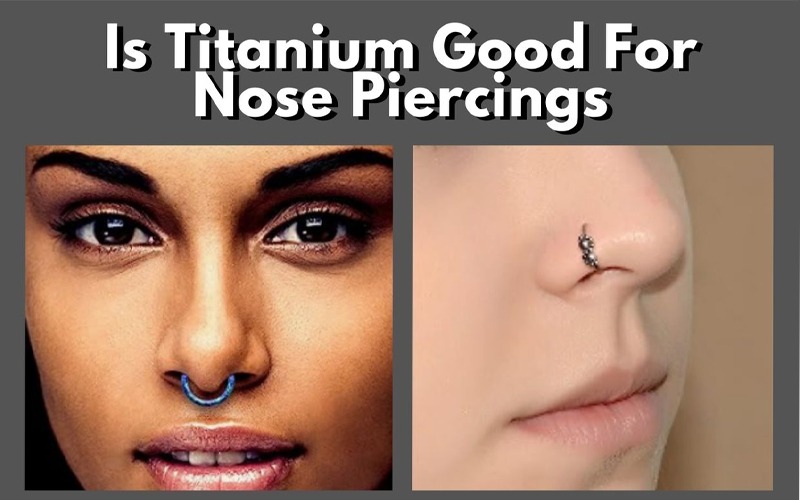
For individuals with sensitivities or allergies to metals, there are several alternative materials to consider. Titanium is an excellent hypoallergenic option, known for its lightweight properties and resistance to corrosion. Niobium is another safe alternative, often used in body jewelry due to its biocompatibility and vibrant color options.
Additionally, organic materials such as wood, bone, or glass can offer aesthetic appeal and comfort. However, it is important to note that not all organic materials are suitable for all types of piercings, and they may require special care to maintain their integrity over time.
In conclusion, surgical steel nose rings are largely safe and suitable for most individuals, particularly those with sensitive skin or metal allergies. However, it is vital to be aware of individual sensitivities and maintain proper hygiene to prevent complications. When selecting a nose ring, prioritize high-quality materials and seek professional advice to ensure a positive experience. By following these guidelines, you can enjoy your body jewelry safely and stylishly, enhancing your personal expression while minimizing potential risks.
Frequently Asked Questions
Are surgical steel nose rings safe for sensitive skin?
Yes, surgical steel nose rings are generally considered safe for sensitive skin. Surgical steel, often composed of 316L stainless steel, contains low levels of nickel, which helps reduce the risk of allergic reactions. However, it’s essential to ensure that the jewelry is of high quality and free from any contaminants to avoid irritation.
How do I know if my surgical steel nose ring is genuine?
To ensure that your surgical steel nose ring is genuine, check for markings such as “316L” or “Surgical Steel” on the jewelry itself. Authentic surgical steel jewelry should also feel smooth and polished without any rough edges. Purchasing from reputable brands or retailers can also help guarantee the quality of the material.
Why should I choose surgical steel for my nose ring over other materials?
Surgical steel is an excellent choice for nose rings because it is durable, hypoallergenic, and resistant to tarnishing and corrosion. Compared to other materials like nickel or copper, surgical steel significantly reduces the likelihood of allergic reactions, making it ideal for individuals with sensitive skin or those new to body piercings.
What are the best practices for cleaning surgical steel nose rings?
The best practices for cleaning surgical steel nose rings involve using a gentle soap and warm water solution. You can also use a soft cloth or a toothbrush with soft bristles to remove any buildup. It’s advisable to clean your nose rings regularly, especially if you notice any irritation or discomfort, to maintain hygiene and prolong the life of the jewelry.
Which types of surgical steel are recommended for nose rings?
The most recommended types of surgical steel for nose rings are 316L and 316LVM stainless steel. These materials are commonly used in body jewelry because they are highly resistant to corrosion and infection, making them safe for initial piercings and long-term wear. Always check product descriptions to confirm the steel grade when purchasing nose rings.
References
- Body piercing
- https://www.ncbi.nlm.nih.gov/pmc/articles/PMC7010530/
- https://www.aafp.org/pubs/afp/issues/2011/0515/p1293.html
- https://www.thepiercingexperts.com/faq/are-nose-rings-safe/
- Dose Calculation Ratio and Proportion Method – StatPearls – NCBI Bookshelf
- Melanoma of the eye: MedlinePlus Medical Encyclopedia