Switching your nose stud to a ring is generally possible, but it’s important to consider a few factors before making the change. Ensuring that your piercing is fully healed, selecting the appropriate type of ring, and maintaining proper hygiene during the switch are crucial steps. In this article, we’ll delve into the timing for switching, explore the different types of nose rings available, and provide essential tips for a smooth transition.
Timing for Switching Your Nose Jewelry

The most critical factor in determining when to switch from a nose stud to a ring is the healing time of your piercing. Typically, this healing process ranges from 6 to 12 weeks, depending on the individual’s body, aftercare practices, and the location of the piercing. During this time, your body forms new tissue around the piercing, which is vital for preventing infections and ensuring a healthy foundation for any jewelry change.
Before making the switch, it is advisable to consult with your piercer, who can assess the healing progress of your piercing. They can provide professional insights and confirm whether your nose piercing is ready for a new piece of jewelry. Listening to their advice is crucial, as attempting to change jewelry too early can lead to complications such as irritation or infections.
Types of Nose Rings to Consider
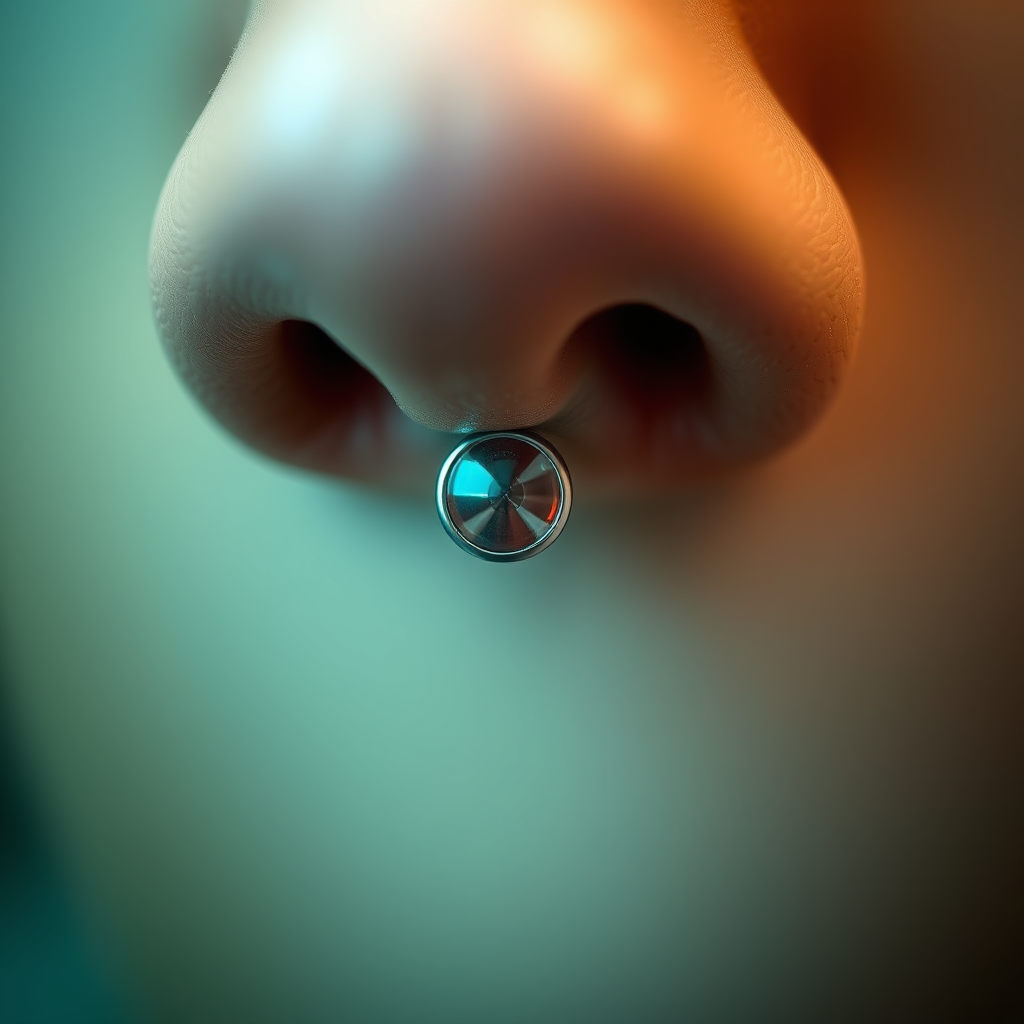
When it comes to selecting a nose ring, there are several styles and materials to choose from, each offering its unique appeal and functionality. Common types of nose rings include:
– Hoops: These circular pieces can vary in size and thickness, allowing for personal expression. Hoops can be subtle or make a bold statement, depending on your style.
– Clickers: These rings feature a hinge mechanism that allows for easy insertion and removal. Clickers come in various designs, often adorned with gems or intricate patterns, making them a fashionable choice.
– Captive Bead Rings: This style consists of a ring that holds a bead in place, creating an eye-catching and distinctive look. Captive bead rings can be customized with various bead designs for added flair.
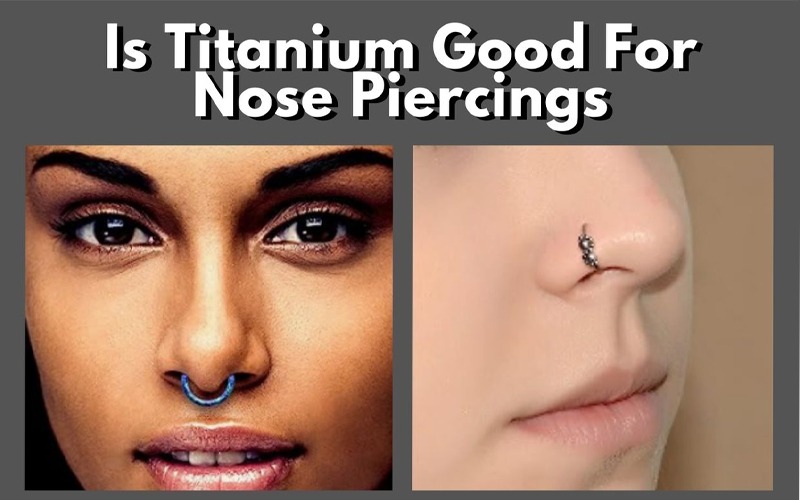
When selecting materials, prioritize options that are safe for your skin. Surgical stainless steel, titanium, and high-quality gold are excellent choices, as they minimize the risk of allergic reactions and irritation. Always avoid low-quality metals that may contain nickel or other harmful materials.
Steps to Safely Change Your Nose Jewelry
Changing your nose jewelry requires careful attention to hygiene to prevent complications. Here are the steps to follow for a safe switch:
1. Wash Your Hands: Thoroughly clean your hands with soap and water to eliminate any potential bacteria before touching your face or jewelry.
2. Clean the Piercing Area: Use a saline solution or a gentle antiseptic to clean around the piercing. This step helps remove any buildup of dirt or bacteria.
3. Prepare the New Ring: Before inserting the new nose ring, ensure it is also cleaned with saline or an appropriate antiseptic. This precaution minimizes the risk of infection.
4. Remove the Nose Stud: Gently twist or pull the stud out of your piercing, being cautious not to apply excessive force.
5. Insert the Nose Ring: Carefully insert the new ring into the piercing. If using a captive bead ring, secure the bead back in place once the ring is through. Ensure that the jewelry sits comfortably and is not overly tight.
6. Monitor for Reactions: After switching, keep an eye on your piercing for any signs of irritation or infection.
Potential Risks of Switching Jewelry
While switching from a nose stud to a ring can enhance your style, it’s essential to be aware of potential risks. One of the primary concerns is the possibility of allergic reactions or skin irritation stemming from new materials. If you have a history of sensitivities, opt for hypoallergenic options like titanium or surgical steel.
Infection is another significant risk associated with changing your nose jewelry. If proper hygiene isn’t maintained during the switch, bacteria can enter the piercing channel, leading to complications. Symptoms of infection may include redness, swelling, excessive pain, or discharge. If you experience any of these symptoms, seek medical advice promptly.
Aftercare Tips for Your New Nose Ring
Proper aftercare is crucial to ensure your new nose ring remains comfortable and your piercing stays healthy. Here are some essential aftercare tips:
– Maintain a Clean Environment: Continue to clean your piercing daily with saline solution or a gentle antiseptic. Keeping the area clean helps prevent infection.
– Avoid Touching the Ring: Refrain from twisting or playing with the ring, especially within the first few days after switching. This can irritate the piercing and disrupt the healing process.
– Be Mindful of Activities: Avoid activities that may cause trauma to your nose, such as rigorous sports or activities where your face might be bumped or hit.
– Schedule Follow-Up Appointments: If you’re unsure about the healing process or experience persistent discomfort, schedule a follow-up appointment with your piercer.
Signs You Should Consult a Professional
While many individuals successfully switch their nose jewelry without complications, there are certain signs that indicate it may be time to consult a professional. If you notice excessive pain, significant swelling, or unusual discharge from the piercing after making the switch, it’s crucial to seek expert advice.
Additionally, if you feel uncertain about the change or experience any adverse reactions, such as allergic symptoms or persistent irritation, don’t hesitate to reach out to your piercer or a medical professional. Your health and well-being should always be a priority.
Your journey of switching from a nose stud to a ring can be smooth if you take the necessary precautions and care for your piercing. Always prioritize healing and hygiene to enjoy your new look without complications. If you’re considering switching, consult your piercer for personalized advice and recommendations. Embrace your new style confidently while ensuring your piercing remains healthy and beautiful.
Frequently Asked Questions
Can I switch my nose stud to a ring right after getting my nose pierced?
It is generally not recommended to switch your nose stud to a ring immediately after getting your nose pierced. Most professionals advise waiting at least 6 to 8 weeks for the piercing to heal sufficiently before making any changes. This waiting period helps prevent irritation or infection, ensuring your new piercing is healthy enough to accommodate a different type of jewelry.
How do I know when it’s safe to switch from a nose stud to a ring?
The best way to determine if it’s safe to switch from a nose stud to a ring is to consult with your piercer. Typically, a piercing is considered healed when there is no swelling, redness, or discharge, and you can move the jewelry comfortably without pain. Most piercers recommend waiting until at least 6 to 8 weeks post-piercing, but individual healing times may vary.
Why would I want to switch my nose stud to a ring?
Many people choose to switch from a nose stud to a ring for aesthetic reasons or personal preference. Rings can offer a different style and can be more versatile, allowing for various designs such as hoops or clickers. Additionally, some individuals find rings more comfortable for everyday wear, depending on their lifestyle and how they interact with their facial features.
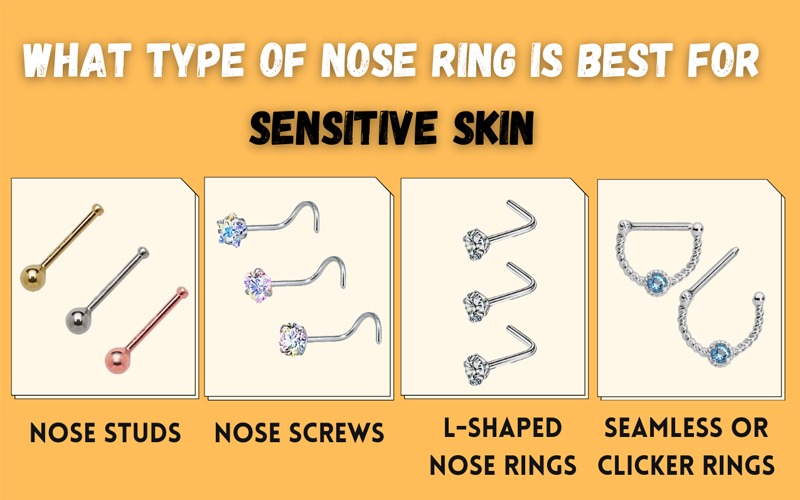
What type of nose ring is best for sensitive skin?
For individuals with sensitive skin, the best types of nose rings are those made from hypoallergenic materials such as titanium, surgical stainless steel, or gold that is nickel-free. These materials significantly reduce the risk of allergic reactions or irritation. It’s essential to check the quality of the jewelry and ensure it is specifically designed for body piercings to ensure comfort and safety.
Which nose ring styles are easiest to insert after wearing a stud?
The easiest nose ring styles to insert after wearing a stud are typically hoop rings with a hinge or clicker design. These styles allow for straightforward insertion and removal without the need for twisting or excessive manipulation. Additionally, captive bead rings can be user-friendly, as the bead can be removed to make the process simpler, making them ideal for someone new to changing their nose jewelry.
References
- https://www.ncbi.nlm.nih.gov/pmc/articles/PMC6422526/
- https://www.healthline.com/health/nose-piercing-care
- https://www.verywellhealth.com/nose-piercing-care-5191809
- https://www.mayoclinic.org/healthy-lifestyle/adult-health/expert-answers/nose-piercing/faq-20058582
- https://www.medicalnewstoday.com/articles/nose-piercings-what-to-know
- https://www.webmd.com/beauty/what-to-know-nose-piercings