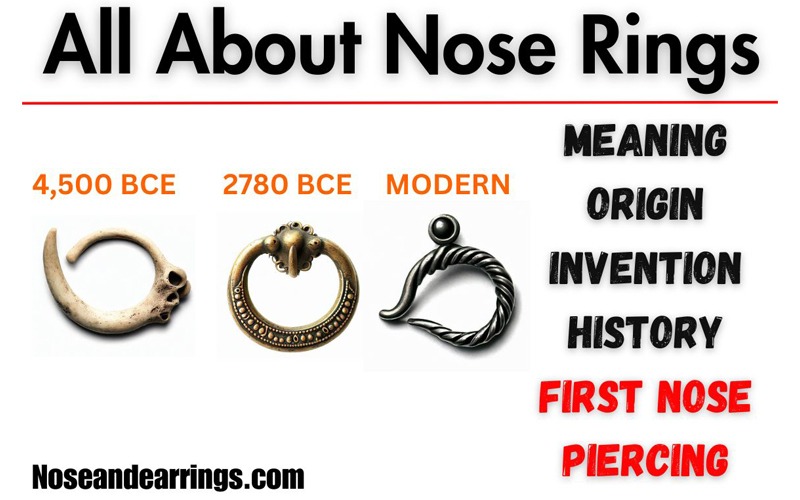
Getting your nose pierced with a ring is indeed possible, and many people choose this style for its unique aesthetic. Nose rings provide a distinctive look that can range from subtle to bold, allowing for personal expression. This article will delve into how nose piercings with rings work, the various types of rings available, and essential considerations for your piercing journey.
Understanding Nose Piercing Basics

Nose piercings can be performed in a variety of styles and with different types of jewelry, including rings, studs, and hoops. The most common locations for nose piercings are the nostril and the septum. Regardless of the jewelry type you choose, understanding the basics of the piercing process is vital to ensure a successful outcome.
The healing process is a critical component of your piercing journey, and proper aftercare is essential to avoid complications. This includes keeping the area clean and avoiding unnecessary contact with the piercing. Moreover, understanding that each individual’s healing time may vary based on factors such as hygiene, anatomy, and lifestyle is crucial. Typically, nostril piercings take about 4-6 months to heal fully, while septum piercings may heal in as little as 6-8 weeks.
Types of Nose Rings
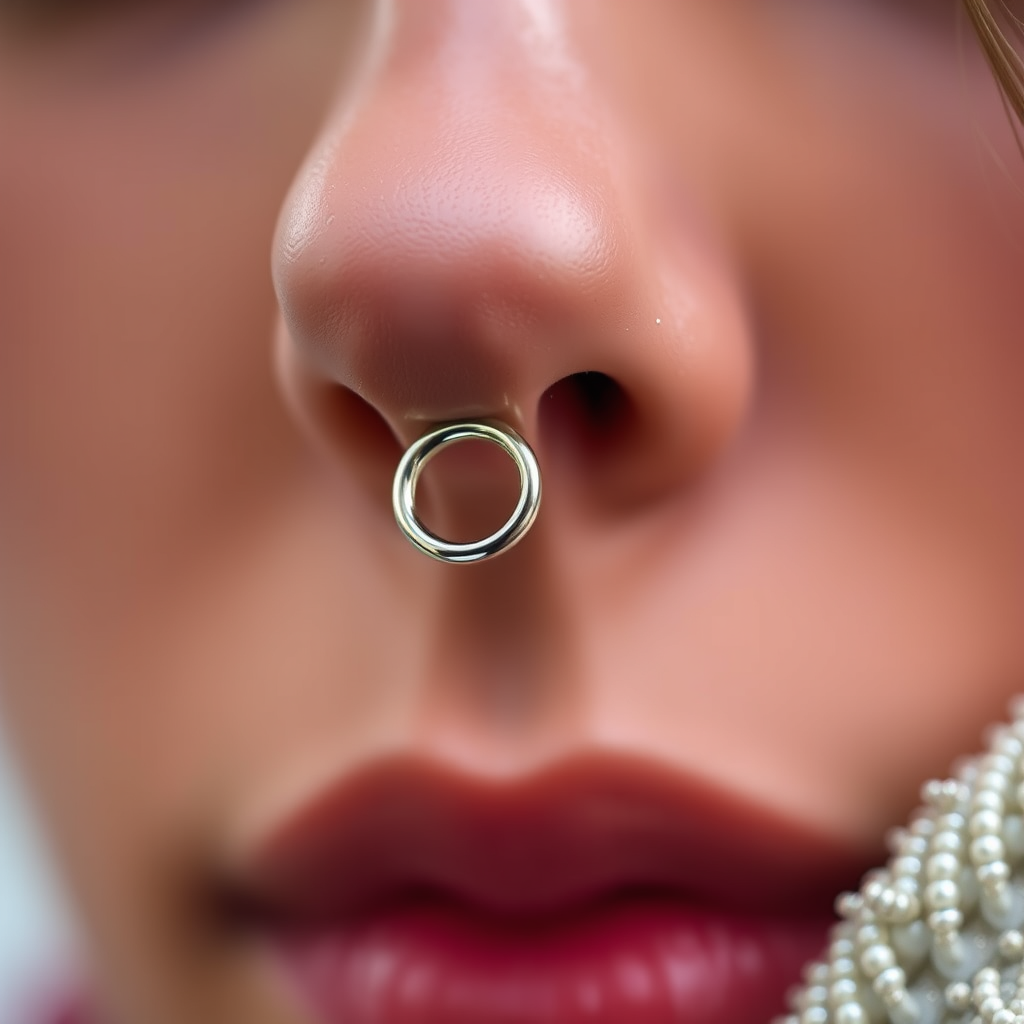
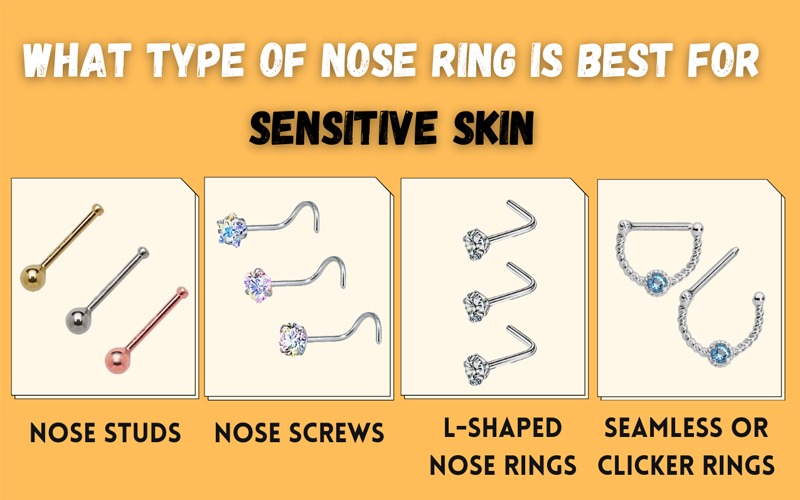
When it comes to nose rings, various styles are available, each offering a unique look and feel.
– Hoop Rings: These circular pieces can be simple or embellished with charms and designs. They come in various sizes and thicknesses, allowing for customization based on personal style preferences. The versatility of hoop rings makes them a popular choice for those looking to make a statement.
– Septum Rings: Specifically designed for septum piercings, these rings can be worn in numerous styles. They include clickers, which are easy to put in and take out, and seamless rings that provide a clean, uninterrupted look. The choice of septum ring can greatly influence the overall aesthetic and can range from minimalistic to ornate designs.
Choosing the right type of ring is essential, as it not only affects your style but also impacts the comfort and healing process of your piercing.
The Piercing Process
Before getting your nose pierced, it’s vital to consult with a professional piercer. During the consultation, you’ll discuss your options, preferred ring styles, and any concerns you might have about the process. A skilled piercer will assess your anatomy to determine the best placement for your piercing, ensuring that the jewelry you choose fits well and is aesthetically pleasing.
The actual piercing process involves the use of a sterile needle to create the hole, which is generally considered safer and more precise than a piercing gun. After marking the desired location, the piercer will swiftly insert the needle, followed by the chosen ring. This method minimizes trauma to the tissue and promotes better healing.
Healing and Aftercare
Proper healing and aftercare are crucial components of your piercing journey. After getting a nostril piercing, expect a healing period of around 4-6 months. During this time, it is essential to maintain good hygiene and follow aftercare guidelines.
– Clean the piercing regularly with a saline solution to keep bacteria at bay. This solution can be made at home by mixing non-iodized sea salt with distilled water.
– Avoid touching the piercing with dirty hands, and refrain from changing the jewelry until it has fully healed, as this can introduce bacteria and lead to infections.
– Monitor for signs of irritation, such as excessive redness, swelling, or discharge. If any concerning symptoms arise, consult with your piercer or a healthcare professional.
By adhering to these aftercare guidelines, you set yourself up for a smooth healing process and minimize the risk of complications.
Potential Risks and Considerations
While nose piercings are generally safe when performed by a professional, potential risks do exist. Infection is the most common concern, particularly if aftercare is neglected. To mitigate this risk, it’s important to adhere strictly to hygiene practices and aftercare recommendations.
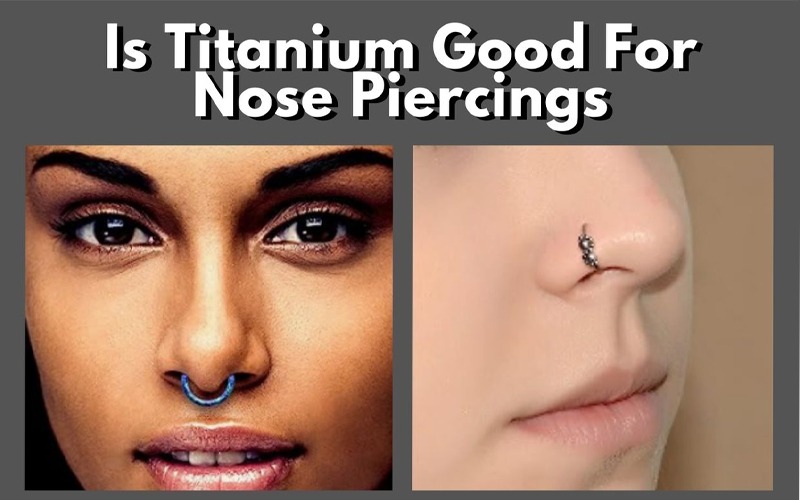
Another consideration is the possibility of allergic reactions to certain metals used in jewelry. Some individuals may experience sensitivity to materials like nickel, which is why it is advisable to opt for high-quality materials such as titanium or surgical steel. These materials are hypoallergenic and less likely to cause adverse reactions, ensuring a safer and more comfortable experience.
Choosing the Right Ring
Selecting the right ring involves considering various factors such as size, thickness, and design. Your comfort should be a top priority, as a poorly fitting ring can lead to irritation or complications during the healing process.
When choosing a ring, consider how it complements your personal style. For instance, if you prefer a minimalist look, a simple hoop or stud may be ideal. Conversely, if you enjoy making a bold statement, larger, more intricate designs might suit you better.
Consulting with your piercer can provide valuable insights into the best ring types for your specific piercing. They can offer recommendations based on their experience and expertise, ensuring that you select a piece that not only looks good but also supports the healing process.
When to Change Your Nose Ring
Patience is crucial when it comes to changing your nose ring. It is essential to wait until your piercing is fully healed before switching to a different type or style of ring. Changing the jewelry too early can lead to complications such as irritation, migration, or even infection.
Once your piercing has healed, you can consider transitioning to a different style. However, it’s recommended to consult with your piercer before making any changes to ensure that the new jewelry will fit well and not compromise the integrity of your piercing.
Getting your nose pierced with a ring is a stylish option that many enjoy. By understanding the types of rings available and following proper aftercare, you can ensure a successful piercing experience. If you’re interested, reach out to a local piercer to discuss your options and take the first step toward your new look!
Frequently Asked Questions
Can you get your nose pierced with a ring instead of a stud?
Yes, you can get your nose pierced with a ring, but it’s important to note that most professional piercers recommend starting with a stud. This is because a stud is less likely to irritate the piercing during the healing process. Once healed, you can switch to a ring, which comes in various styles like hoops or captive bead rings.
What type of ring is best for a new nose piercing?
For a new nose piercing, the best type of ring is typically a captive bead ring or a seamless hoop that is made from hypoallergenic materials such as titanium or surgical stainless steel. These materials help reduce the risk of allergic reactions and infections, which are common concerns during the healing process. Always consult with your piercer for specific recommendations based on your skin type.
How long should you wait to switch to a ring after getting your nose pierced?
After getting your nose pierced, it is generally recommended to wait at least 6 to 8 weeks before switching from a stud to a ring. This waiting period allows the piercing to heal properly, minimizing the risk of complications such as infection or irritation. It’s always best to follow your piercer’s advice on timing, as individual healing times can vary.
Why do some people prefer rings over studs for nose piercings?
Many people prefer rings over studs for nose piercings due to their versatility and style options. Rings can be more fashionable and come in various designs, making them suitable for different personal styles. Additionally, some individuals find rings more comfortable once the piercing has fully healed, as they can move more freely compared to a stud.
Which nose ring styles are popular for healed piercings?
Popular nose ring styles for healed piercings include hoop rings, septum rings, and decorative captive bead rings. Hoops come in various thicknesses and diameters, allowing for personalized aesthetics. Septum rings have gained popularity in recent years for their edgy look, while decorative captive bead rings can add a touch of sparkle. Choose a style that reflects your personality while ensuring it’s made from quality materials to avoid irritation.
References
- Nose piercing
- https://www.ncbi.nlm.nih.gov/pmc/articles/PMC3297571/
- https://www.mayoclinic.org/healthy-lifestyle/adult-health/expert-answers/piercings/faq-20057905
- https://www.aafp.org/pubs/afp/issues/2006/0715/p213.html
- https://www.healthline.com/health/nose-piercing
- https://www.webmd.com/beauty/what-to-know-about-nose-piercing
- https://www.cdc.gov/nceh/lead/lead_in_piercings.htm