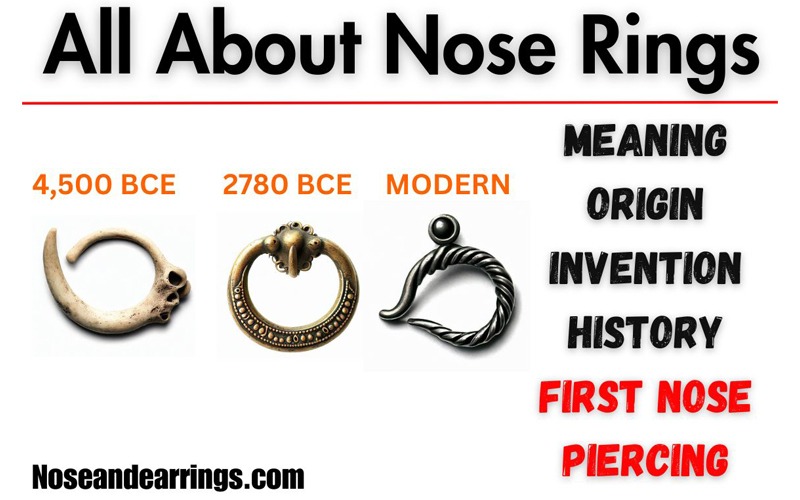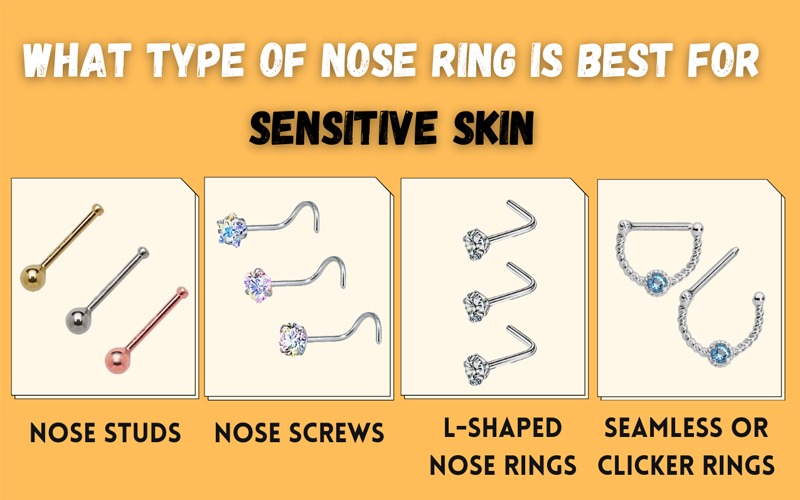
Wearing a plastic nose ring during an MRI is generally considered safe, but it’s essential to consult with your medical team before your scan. While plastic is non-metallic and typically won’t interfere with MRI imaging, individual circumstances may vary. Understanding the implications, safety measures, and best practices regarding wearing body jewelry during MRI scans can help you make an informed decision and ensure a smooth experience.
Understanding MRI Safety
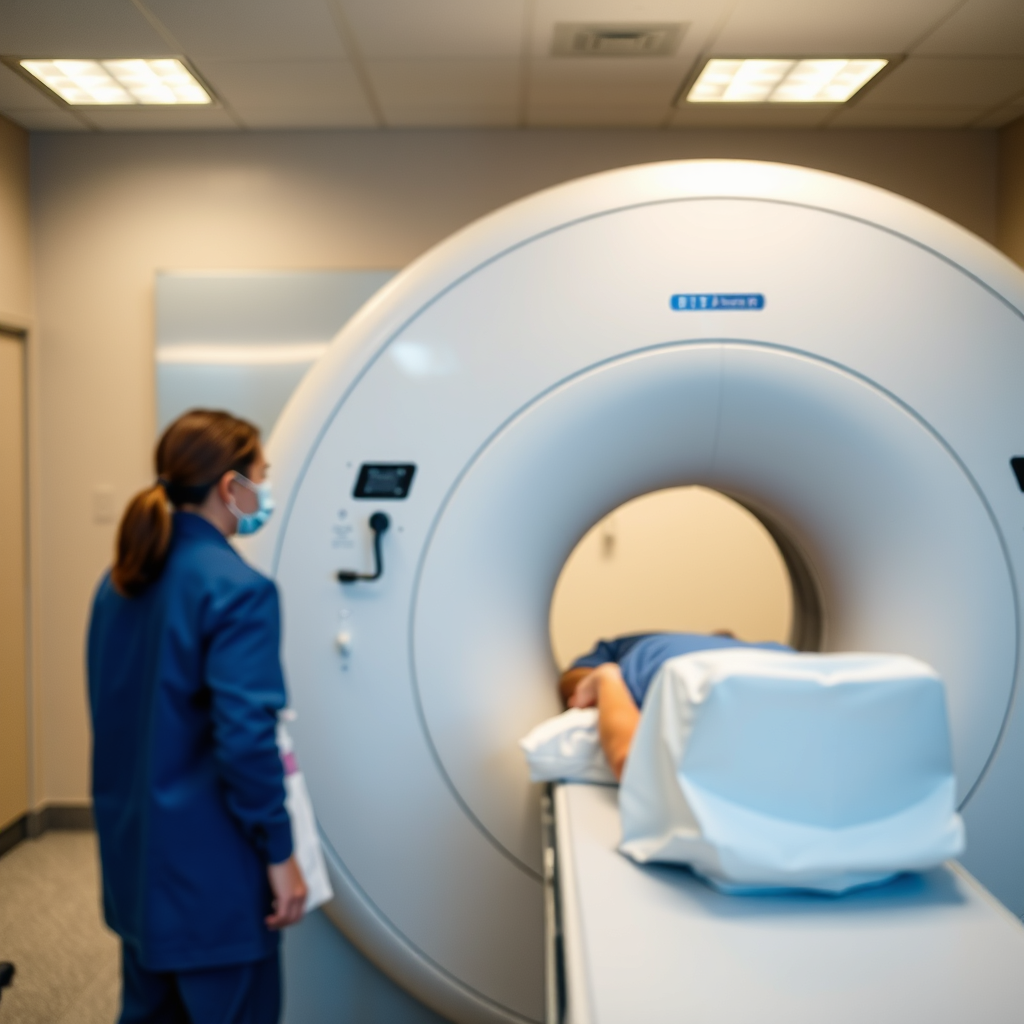
MRI, or Magnetic Resonance Imaging, utilizes powerful magnets to create detailed images of the inside of the body. These magnets can attract ferromagnetic metals, which can pose a serious risk during the scanning process. Therefore, understanding the safety protocols associated with MRIs is crucial. Non-metallic items, such as plastic, are generally deemed safe in the MRI environment. However, it’s important to note that not all plastic materials are the same; some may contain trace metals or other materials that could potentially react in an MRI setting. Always verify the material of your jewelry with your healthcare provider.
Risks of Wearing Jewelry During MRI
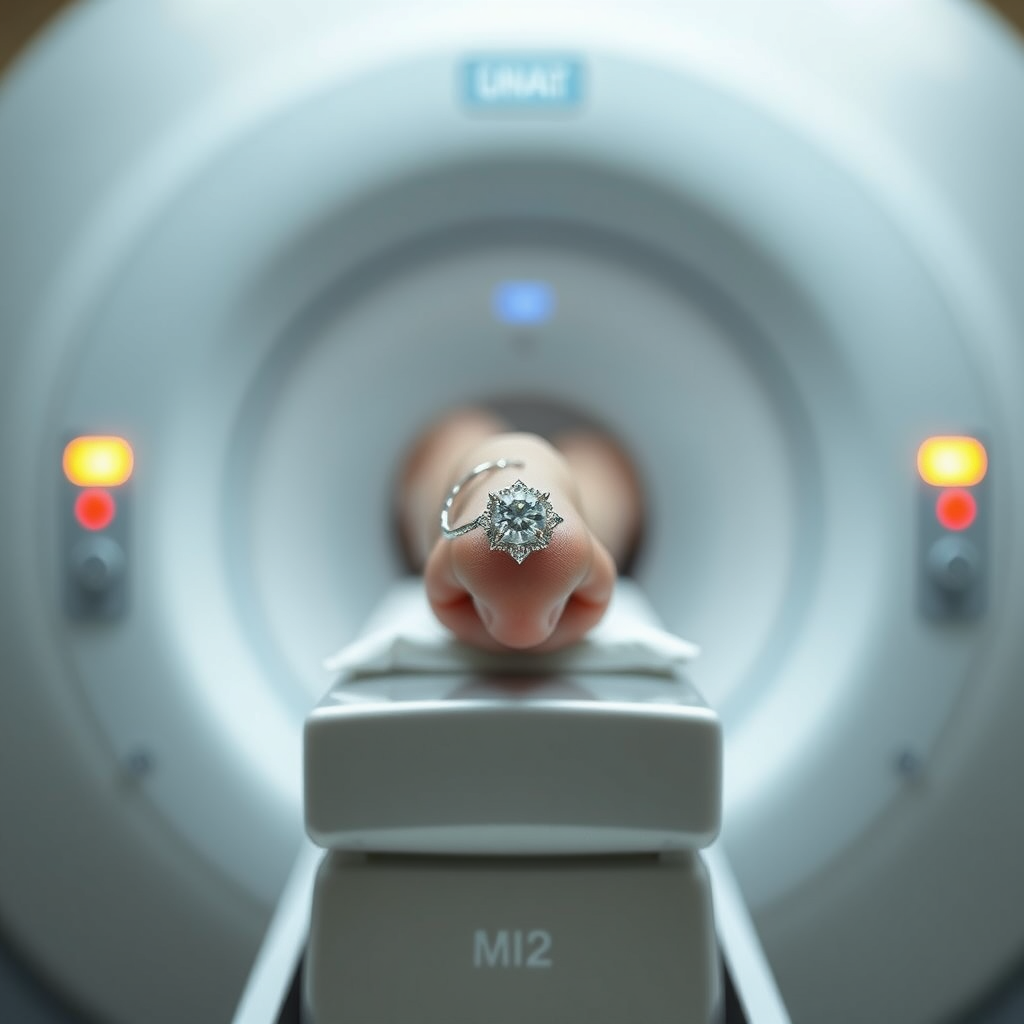
While plastic jewelry is often deemed safe, there are still risks associated with wearing any form of body jewelry during an MRI. Non-metal items can cause discomfort if they come into contact with the MRI machine, especially if they shift position during the scan. For example, if your nose ring were to move slightly, it could lead to discomfort or misalignment, which may compromise the quality of the images being captured. Additionally, although rare, there is a potential, albeit slight, risk that non-metallic jewelry could be affected by the magnetic fields, leading to unintended consequences. The best practice is to err on the side of caution.
Consult Your Medical Team
Before undergoing an MRI, it’s crucial to inform your healthcare provider about any piercings or body jewelry you have. Each patient’s medical history is unique, and your healthcare team can offer personalized advice based on your specific situation. They may recommend removing your nose ring or provide alternative solutions that ensure both your safety and the accuracy of the imaging. Engaging in an open conversation about your concerns will not only help you feel more prepared but will also enhance your overall experience during the procedure.
Alternatives to Wearing Jewelry
If you are advised to remove your nose ring before the MRI, consider discussing temporary alternatives with your piercer. They may offer options such as a retainer, which is often made from materials that are safe for medical procedures. A retainer can help keep the piercing open while minimizing the risk of infection or irritation. Additionally, if you are concerned about the appearance of having a removed nose ring, some retainers are designed to be discreet and can blend seamlessly with your skin tone.
Preparing for Your MRI Appointment
Preparation is key when it comes to navigating your MRI appointment successfully. Arriving early allows time for discussions about your jewelry and any necessary adjustments. It’s advisable to follow any specific guidelines provided by the imaging center regarding body jewelry. Some facilities may have strict policies about what can and cannot be worn during the scan, so being aware of these rules can help you avoid last-minute complications. Furthermore, consider wearing comfortable clothing without metal fasteners, as this can further streamline the process.
What to Expect During the MRI
Understanding what to expect during the MRI process can alleviate anxiety surrounding the procedure and your jewelry concerns. The MRI machine is a large tube-like structure that you will lie inside, and the scanning process involves a series of loud noises, including tapping and thumping sounds. Knowing that these sounds are normal can help ease any apprehension. Additionally, the MRI technician will likely explain the procedure to you in detail, including how to position yourself and what to do if you experience discomfort during the scan. If your nose ring is removed or if you’re wearing a retainer, the technician will guide you through the necessary steps.
Post-MRI Care for Your Nose Ring
After your MRI, it’s vital to follow appropriate aftercare instructions to ensure your piercing remains healthy. Clean the area around the piercing gently with saline solution or a mild antiseptic as advised by your piercer. This practice helps prevent infection, especially after an exposure to an environment like an MRI facility where various materials and equipment are present. Be vigilant for any signs of irritation, such as redness, swelling, or discharge, and consult your healthcare provider if you notice any concerning symptoms.
In summary, wearing a plastic nose ring during an MRI is typically safe, but it’s best to consult with your medical team for personalized guidance. By preparing properly and understanding the risks, you can ensure a smoother MRI experience. If you have further questions about your specific situation, don’t hesitate to reach out to your healthcare provider. Being proactive about your health and safety will always yield the best outcomes.
Frequently Asked Questions
Can you wear a plastic nose ring during an MRI scan?
Yes, you can typically wear a plastic nose ring during an MRI scan. Plastic or non-metallic jewelry is generally considered safe because it does not interfere with the magnetic field or produce artifacts in the imaging. However, it’s always best to inform your MRI technician about any piercings you have, as they can provide specific guidance based on their equipment.
What are the risks of wearing a metal nose ring during an MRI?
Wearing a metal nose ring during an MRI can pose significant risks, as metals can cause severe distortions in the imaging and may even become projectiles due to the powerful magnetic fields generated by the MRI machine. Additionally, metal jewelry can heat up and cause burns, leading to potential injury. It’s advisable to remove any metal jewelry before the procedure to ensure safety and accurate imaging results.
How should I prepare for an MRI if I have a nose piercing?
When preparing for an MRI with a nose piercing, you should inform your healthcare provider and the MRI technician about your jewelry. If your nose ring is made of metal, you will need to remove it before the scan. If it’s plastic, confirm with the technician whether it is acceptable to keep it in. Additionally, wear comfortable clothing without metal fasteners or accessories to facilitate the process.
Why is it important to remove all jewelry before an MRI?
Removing all jewelry before an MRI is crucial because metal objects can interfere with the magnetic fields, potentially distorting the images and compromising the diagnostic effectiveness of the scan. Moreover, metal can heat up during the procedure, posing burn risks to the patient. For safety and optimal imaging quality, it’s best to leave all jewelry, including nose rings, outside the MRI room.
What is the best type of nose ring to wear if I need an MRI?
If you require an MRI and want to keep a nose ring in, the best type to wear is one made from non-metallic materials, such as plastic or silicone. These materials are MRI-safe and do not pose a risk of interference with the imaging process. Always consult with your healthcare provider to ensure that the specific type of jewelry you choose is compatible with MRI procedures.
References
- Magnetic resonance imaging
- https://www.ncbi.nlm.nih.gov/pmc/articles/PMC6972052/
- Pediatric MRI
- Myoclonus – StatPearls – NCBI Bookshelf
- https://www.hopkinsmedicine.org/health/treatment-tests/mri-and-what-to-expect
- https://www.acr.org/Clinical-Resources/ACR-Guidelines/MRI-Guidelines
- https://www.mayoclinic.org/tests-procedures/mri/about/pac-20384252
- https://www.cancer.gov/about-cancer/diagnosis-staging/imaging/mri