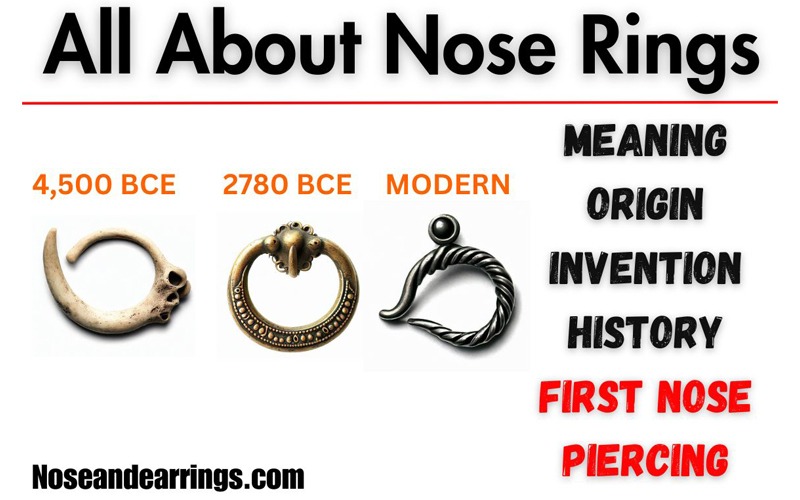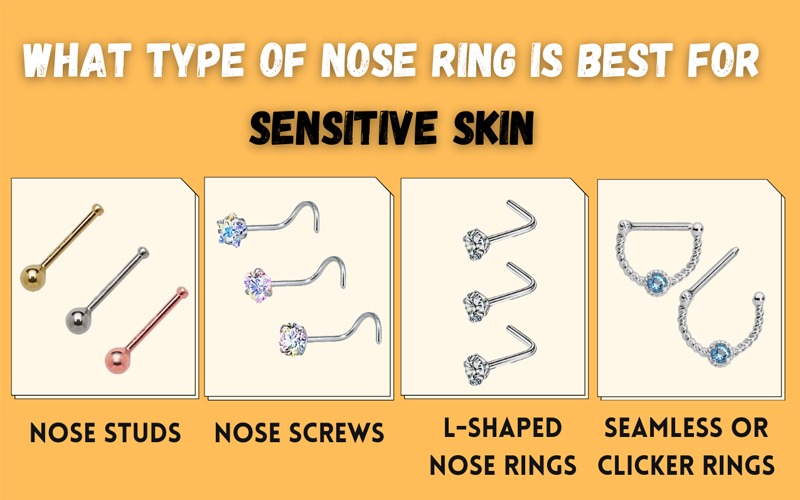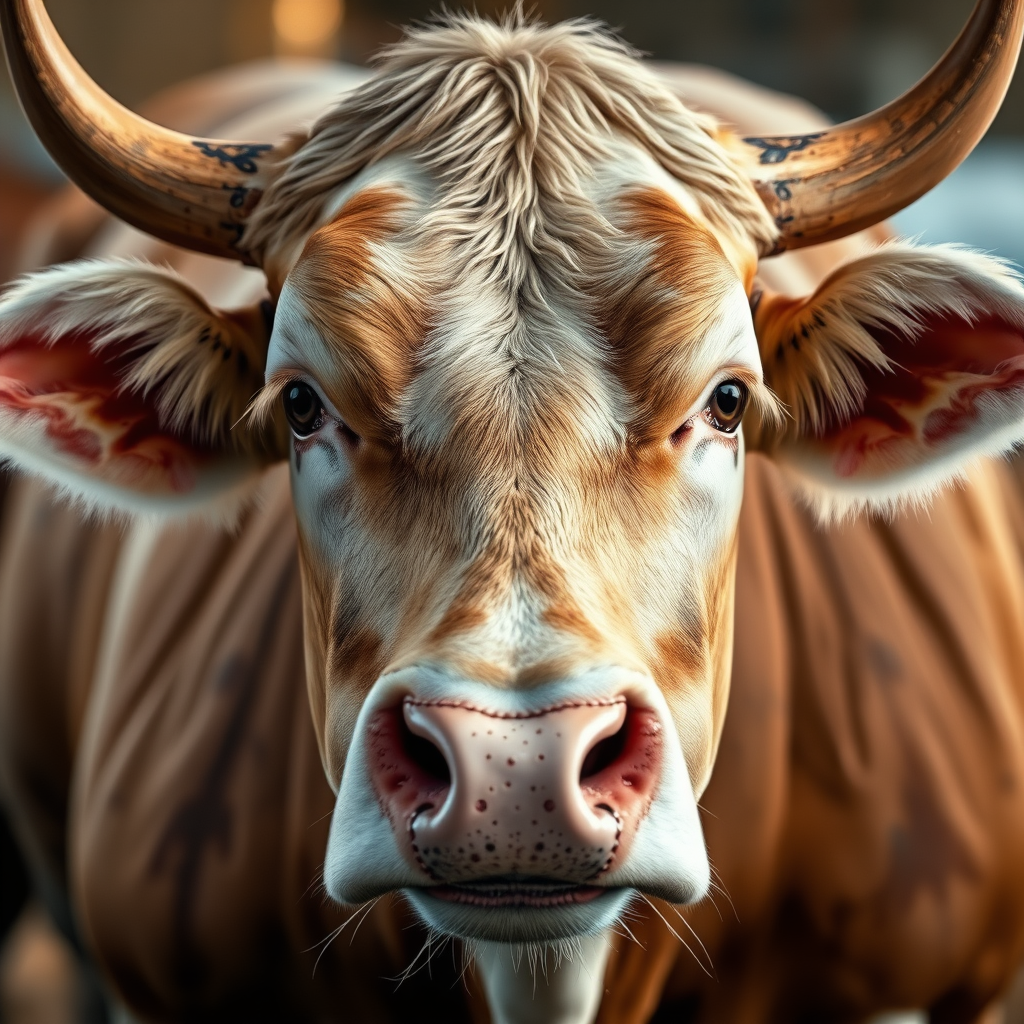
Cows do have nose rings, and they are primarily used for managing behavior and health in livestock. These rings, often made of metal, are inserted into the nasal septum and serve multiple purposes, from preventing unwanted behavior to facilitating handling. The practice is rooted in traditional livestock management and has evolved with modern animal husbandry practices. In this article, we will explore the reasons behind the use of nose rings in cows, how they are applied, and alternative practices in animal husbandry.
The Purpose of Nose Rings in Cows
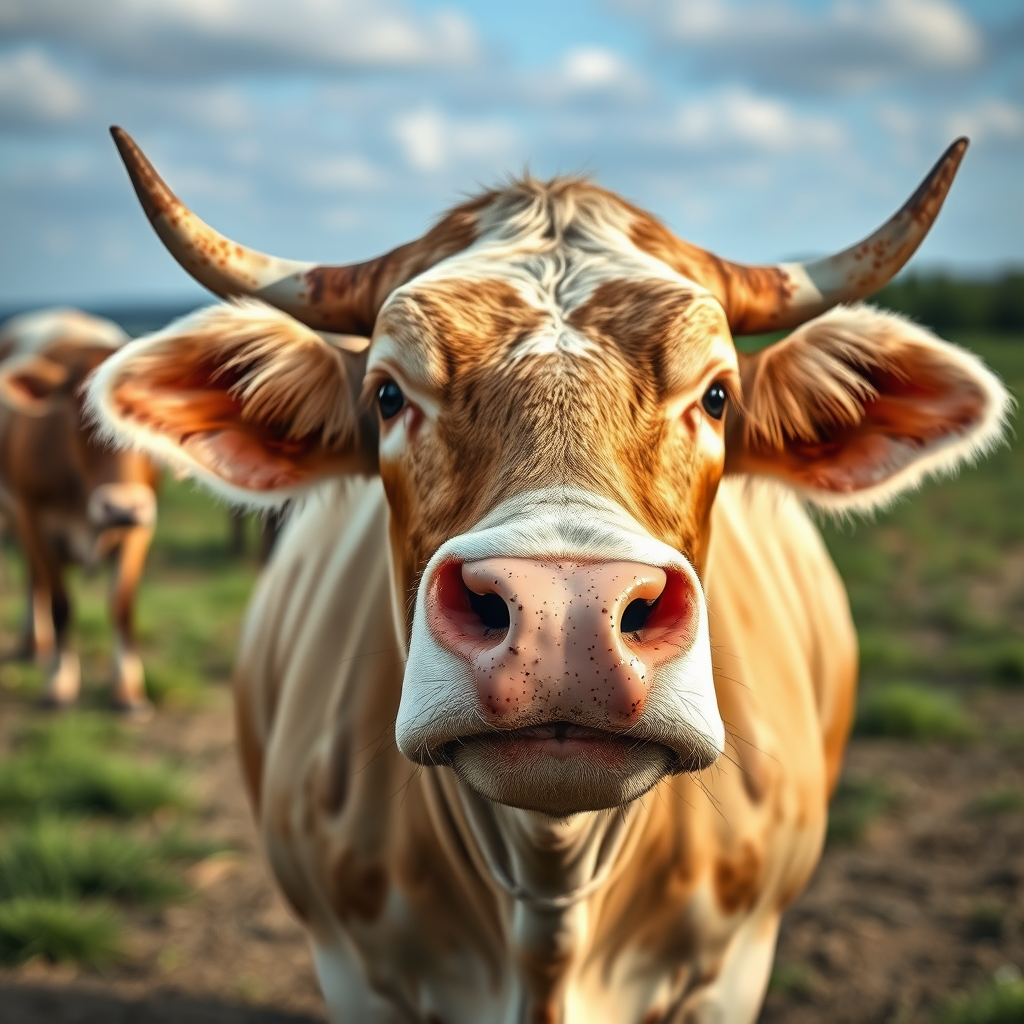
Nose rings serve several critical functions in the management of cattle. One of the primary purposes is to prevent aggressive behavior, which can be challenging for farmers and handlers. Cows can sometimes exhibit aggressive tendencies, especially during feeding times or when they feel threatened. The presence of a nose ring can help deter such behaviors, making it easier and safer for farmers to handle the animals.
Additionally, nose rings can discourage excessive rooting and grazing, protecting pastures and feed resources. When cows root excessively, they can damage the ground and reduce the quality of pasture available for grazing. By using nose rings, farmers can help direct the cows’ feeding behaviors, ensuring that they graze more selectively and sustainably. This not only benefits the cows’ health but also promotes better land management and reduces the risk of overgrazing.
How Nose Rings Are Installed
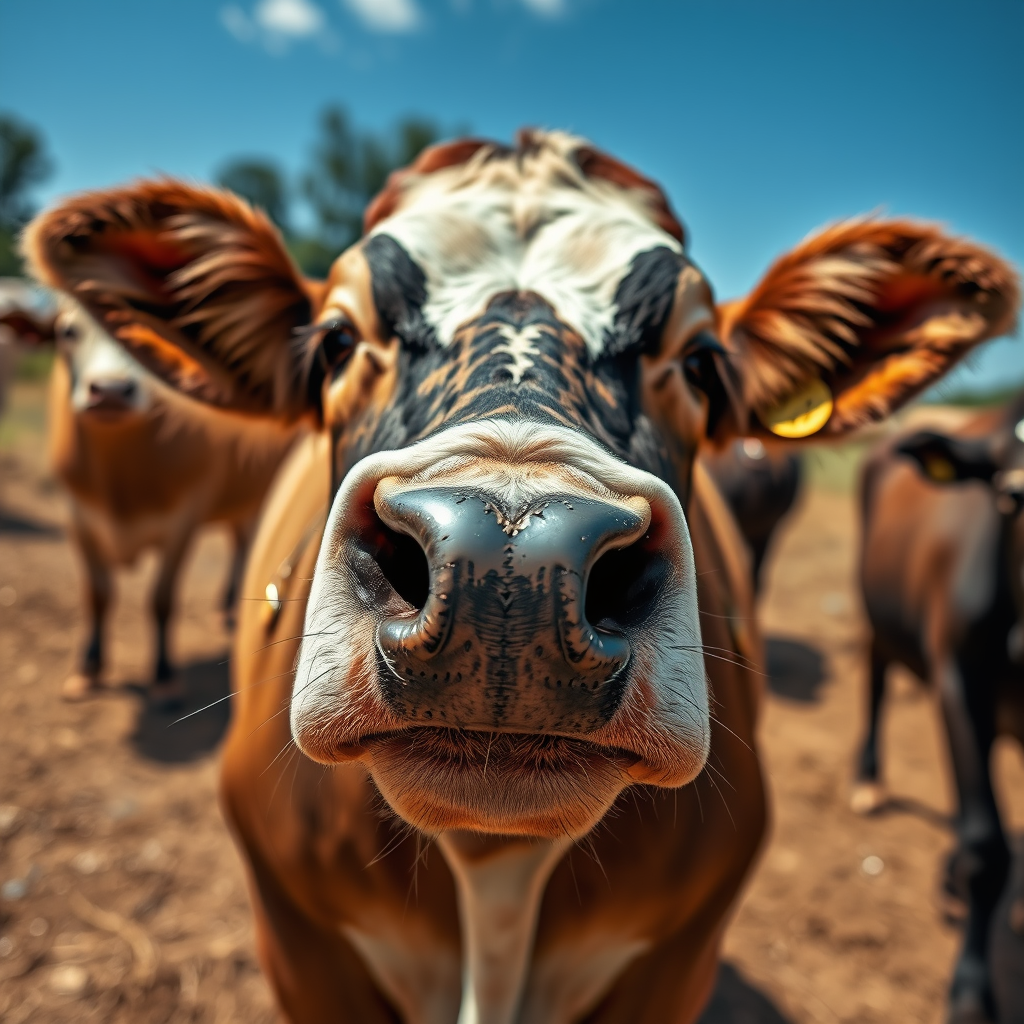
The installation of nose rings is a procedure that should be carried out with care and precision to ensure the safety and comfort of the cow. Typically, the process involves using a specialized tool designed to pierce the nasal septum, which is the cartilage that separates the nostrils. The piercer creates a small hole in the septum, and once the hole is made, the nose ring is inserted.
Proper handling techniques are crucial during the installation process to minimize stress on the animal. Most farmers aim to perform the procedure swiftly and efficiently, often using a squeeze chute to safely immobilize the cow. This not only ensures the safety of the cow but also protects the handler from potential injury. After installation, it is essential to monitor the cow for any signs of discomfort or infection, as well as to provide appropriate care to the newly pierced area.
Benefits of Using Nose Rings
The benefits of using nose rings extend beyond mere behavioral management. One of the most significant advantages is improved safety for both cows and handlers during feeding and transportation. When cows are more manageable, the risks associated with handling them decrease, which is crucial for farm operations that involve moving animals from one location to another.
Moreover, nose rings can contribute to maintaining overall herd health. Aggressive behaviors in cows can lead to injuries, both to the animals themselves and to those who handle them. By reducing aggressive tendencies, nose rings help mitigate the risk of fights and injuries, fostering a safer environment for livestock. Additionally, healthy behavioral management can lead to increased productivity, as stressed or injured animals may not perform to their fullest potential.
Concerns and Controversies
Despite the benefits, the use of nose rings in cows is not without its controversies. Animal welfare advocates have raised concerns about the potential pain and discomfort caused by the rings. Critics argue that the piercing process can be painful and that the rings can cause ongoing irritation or distress to the animals. This has led to ethical discussions regarding the necessity and justification of using such devices in modern farming practices.
The debate often centers around the balance between effective livestock management and the moral obligations of farmers to ensure the welfare of their animals. As consumers become more aware of animal welfare issues, there is growing pressure on farmers to adopt more humane practices. This has prompted some farmers to reconsider the use of nose rings and explore alternative methods for managing cattle behavior.
Alternatives to Nose Rings
In light of the concerns surrounding nose rings, many farmers are turning to alternative behavioral management techniques. One effective approach is training, which focuses on positive reinforcement methods to encourage desired behaviors in cattle. This can include rewarding cows for calm behavior during feeding times or teaching them to associate handlers with positive experiences.
Environmental enrichment is another strategy that can help reduce unwanted behaviors in cattle. By providing a stimulating environment with adequate space, social interactions, and mental challenges, farmers can promote natural behaviors in cows, reducing the need for interventions like nose rings. Innovations in animal husbandry, such as the use of technology to monitor cattle behavior and health, are also paving the way for more humane alternatives to traditional practices.
Regulations and Best Practices
The use of nose rings is subject to various regulations that differ from one country to another. In some regions, specific guidelines govern the installation and use of nose rings, emphasizing the importance of animal welfare. It is essential for farmers to stay informed about the laws and regulations that apply to their practices and ensure compliance to avoid legal repercussions.
Best practices for using nose rings include ensuring that they are applied correctly and with consideration for the animal’s well-being. Farmers are encouraged to use high-quality materials that minimize the risk of irritation and to monitor the animals closely after installation. Additionally, ongoing education about animal welfare and management practices can help farmers make informed decisions that prioritize the health and comfort of their livestock.
Wrapping up the discussion on the use of nose rings in cows, it’s essential to weigh both the benefits and concerns associated with their use. While nose rings can serve important functions in managing cattle behavior and health, the ethical implications cannot be overlooked. As farming practices evolve, animal welfare should remain a priority, prompting farmers to explore alternatives when appropriate. For those interested in the well-being of livestock, staying informed about best practices and humane treatment options is crucial.
Frequently Asked Questions
Do cows have nose rings, and if so, why are they used?
Yes, cows can have nose rings, primarily used in cattle management. These rings are inserted into the nasal septum and serve to control the animal’s behavior, particularly in preventing them from rooting or pushing against fences. The rings can help farmers manage aggressive behaviors and make handling cattle safer and easier.
How do nose rings affect a cow’s behavior?
Nose rings can significantly influence a cow’s behavior by providing a physical deterrent against unwanted actions, such as rooting or aggressive behavior. When cows attempt to push against objects or other animals, the discomfort from the ring can discourage these actions, making it easier for farmers to manage their herds more effectively and ensuring a safer environment for both animals and humans.
What are the different types of nose rings used for cows?
There are several types of nose rings used for cows, including the standard bull ring, which is typically circular and easily inserted, and more specialized designs like the clamp-style ring that can be adjusted for tension. Each type serves similar purposes, but they can vary in comfort, ease of application, and effectiveness in controlling behavior.
Are nose rings painful for cows, and how are they applied?
The application of nose rings can cause some discomfort, but when done properly, it shouldn’t cause long-term pain. The process involves inserting the ring through the nasal septum using a specialized tool, and many farmers administer the procedure with care to minimize stress. It’s essential to ensure that the cow is calm during this process to reduce any potential pain or anxiety.
What are the ethical considerations surrounding the use of nose rings in cows?
The ethical considerations of using nose rings in cows revolve around animal welfare and the balance between effective management and potential discomfort. While nose rings can facilitate easier handling, some animal welfare advocates argue that they can cause unnecessary pain or stress. Farmers should weigh the necessity of using nose rings against the potential impact on the animal’s well-being and explore alternative management practices whenever possible.
References
- https://en.wikipedia.org/wiki/Cattle_management
- https://www.ncbi.nlm.nih.gov/pmc/articles/PMC6293353/
- https://www.sciencedirect.com/science/article/pii/S016953471730144X
- https://www.extension.purdue.edu/extmedia/AS/AS-662-W.pdf
- https://www.ansci.cornell.edu/animal/welfare/cow-calf-welfare.html