Fake nose rings can fall out easily, especially if they aren’t the right size or style for your nose. Understanding the factors that influence their security is crucial for anyone considering these accessories. In this article, we’ll explore the various types of fake nose rings available, discuss the factors that affect how securely they stay in place, and provide practical tips for ensuring they remain firmly in your nostril.
Understanding the Types of Fake Nose Rings
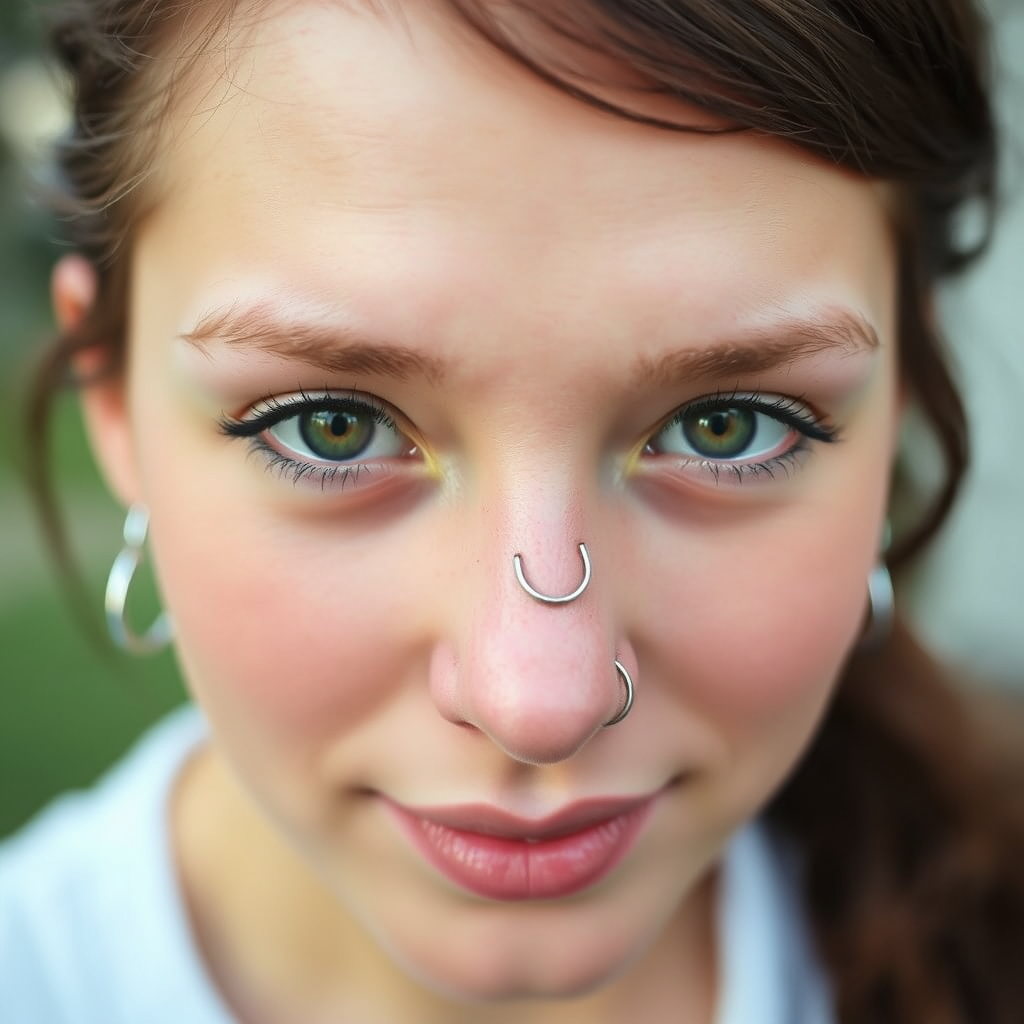
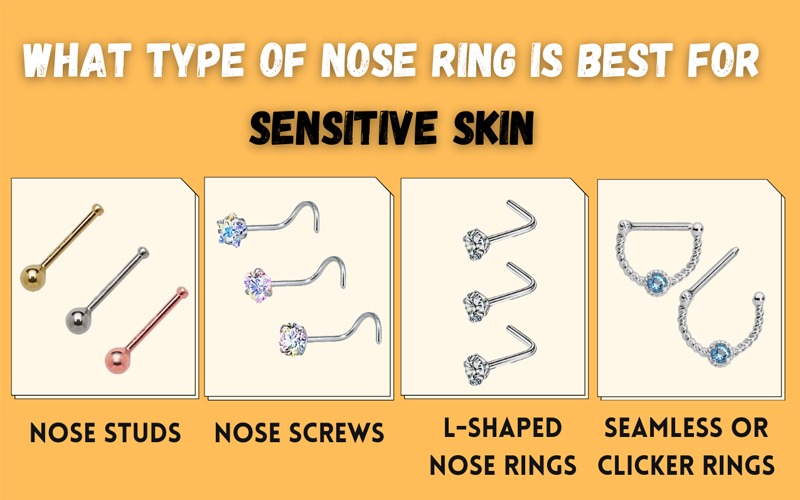
Fake nose rings come in several styles, including clip-ons, hoops, and studs, each offering different levels of security and aesthetic appeal. Clip-on rings are designed to pinch the nostril without the need for a piercing, making them easy to use but often less stable than other styles. Hoops provide a classic look but may slip out if not fitted properly. Studs, on the other hand, tend to stay in place better due to their design, which secures the ring against the nostril.
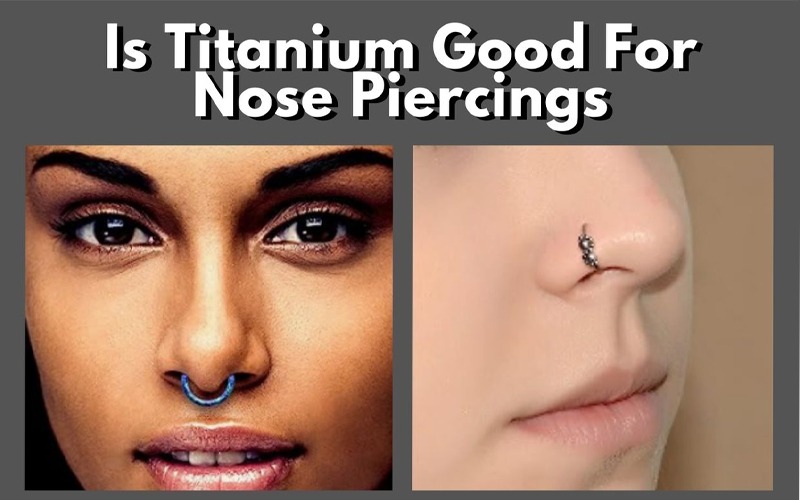
The material used in the construction of the nose ring also plays a significant role in its stability. For instance, metal rings made from stainless steel or titanium generally offer a firmer grip compared to plastic or acrylic options, which can be more prone to slipping. Additionally, some materials can irritate the skin, leading to discomfort and potential loosening of the ring. Therefore, choosing the right style and material is essential for ensuring that your fake nose ring remains securely in place.
Factors Influencing How Easily They Fall Out

Several key factors influence how easily fake nose rings can fall out, with size and fit being the most prominent. Rings that are too loose may slip out during normal movements, while those that are too tight can cause discomfort, leading to an instinctive urge to remove them. It is vital to find a balance between comfort and security when selecting a nose ring.
Another significant factor is your activity level. Engaging in physical activities such as sports or even daily tasks like exercising can increase the likelihood of your nose ring falling out. Sudden movements or contact with objects can dislodge the ring, particularly if it is not fitted correctly. Therefore, being mindful of your activities when wearing a fake nose ring can help prevent unexpected mishaps.
Tips for Securing Fake Nose Rings
To enhance the security of your fake nose ring, start by choosing the right size. Measuring your nose accurately will allow you to select rings that fit snugly without causing discomfort. Many online retailers provide sizing guides to help you determine the best fit. If you’re shopping in-store, don’t hesitate to try on various sizes and styles to find the most secure option.
Additionally, consider opting for designs with added security features. Some rings come with locking mechanisms, adjustable settings, or unique shapes that help keep them in place. For example, a nose ring with a slightly larger gauge may offer a more secure fit as it adheres better to the contours of your nostril. Investing in quality rings from reputable brands can also ensure that they are designed to stay put during regular wear.
Maintenance and Care
Regular maintenance is essential for keeping your fake nose ring secure and comfortable. One crucial step is to check the fit periodically, especially after prolonged wear. Over time, the materials can stretch or your body may adjust, leading to a looser fit. If you notice that your ring feels less secure, it may be time to replace it with a better-fitting option.
Another vital aspect of maintenance involves cleanliness. Keeping both the nostril area and the ring itself clean can prevent dirt buildup, which may affect the fit and comfort of the ring. Use gentle cleansers to wipe down the area and the ring, ensuring that it remains free from irritants. This practice not only promotes better hygiene but also contributes to the longevity of the accessory.
Alternatives to Consider
If you’re concerned about the possibility of your fake nose ring falling out, consider exploring alternative options. Magnetic nose rings are an excellent choice as they provide a secure fit without requiring any piercing. These rings use magnets to hold the two sides of the accessory in place, eliminating the risk of falling out while still allowing for a stylish look.
Adhesive nose rings are another innovative alternative. Some brands offer rings that use skin-safe adhesives to secure the accessory to the nostril, providing a more stable option for those worried about traditional designs. These can be especially useful for special occasions or short-term wear, as they are easy to apply and remove.
What to Do If Your Nose Ring Falls Out
If your nose ring does fall out, it’s essential to stay calm. The first step is to locate the ring in the immediate area to prevent losing it. Once you have found it, ensure that the nostril is clean before reinserting the ring or trying a new one. Cleaning the area with a gentle cleanser can help remove any dirt or bacteria that may have accumulated, reducing the risk of irritation or infection.
If you find that your ring frequently falls out despite your best efforts, it may be time to reassess your choice of design and fit. Keeping an open mind to trying different styles or materials can greatly enhance your experience with fake nose rings.
In summary, while fake nose rings can fall out easily, understanding the factors that contribute to this issue can help you choose the right style and size. By taking the time to find a well-fitting ring, opting for designs with added security features, and maintaining proper care, you can enjoy the aesthetic appeal of fake nose rings without the constant worry of them falling out. Explore various options and discover what works best for you to enhance your style while ensuring a secure fit.
Frequently Asked Questions
Do fake nose rings fall out easily during everyday activities?
Yes, fake nose rings can fall out easily if they are not secured properly. Many styles, such as clip-on or magnetic nose rings, may not fit snugly enough, particularly if you are active or moving around a lot. To minimize the risk of losing your fake nose ring, consider styles that are designed to be more secure, like those with a locking mechanism or a tighter fit.
What materials are best for fake nose rings to prevent them from falling out?
The best materials for fake nose rings that are less likely to fall out include stainless steel, titanium, and high-quality acrylic. These materials are lightweight, durable, and often feature a more secure closure mechanism. Additionally, ensuring that the jewelry is of good quality can help prevent it from easily slipping out during daily wear.
How can I ensure my fake nose ring stays in place?
To ensure your fake nose ring stays in place, choose a style that fits well and is designed for secure wear, such as a hinged segment ring or a captive bead ring. Additionally, you can use a small amount of skin-safe adhesive or double-sided tape specifically designed for body jewelry, which can help keep the ring secured without causing irritation.
Why do some fake nose rings fall out more than others?
Some fake nose rings fall out more than others due to differences in design and fit. Rings that use a simple clip or magnetic closure often lack the stability of more secure options, such as those with a screw-on end or a locking mechanism. The size of the ring and the shape of your nose can also affect how well it stays in place; a ring that is too loose or poorly fitted is more likely to fall out.
Which types of fake nose rings are least likely to fall out?
The types of fake nose rings that are least likely to fall out include those with a twist-on or screw-on closure, as they provide a more secure fit. Additionally, options like nostril screws or horseshoe-shaped rings can also offer better retention due to their design. When selecting a fake nose ring, look for adjustable options that can be tailored to your nose shape for the best fit.
References
- https://en.wikipedia.org/wiki/Nose_ring
- https://www.healthline.com/health/fake-nose-ring
- https://www.medicalnewstoday.com/articles/what-to-know-about-nose-piercings
- https://www.ncbi.nlm.nih.gov/pmc/articles/PMC6462033/
- https://www.verywellhealth.com/nose-piercing-care-5185500
- https://www.americanacademyofdermatology.org/publications/dermatology-world/dermatology-world-archives/2019/december-2019/understanding-nose-piercings-and-pierced-noses
- https://www.jcadonline.com/nose-piercing-what-you-need-to-know/