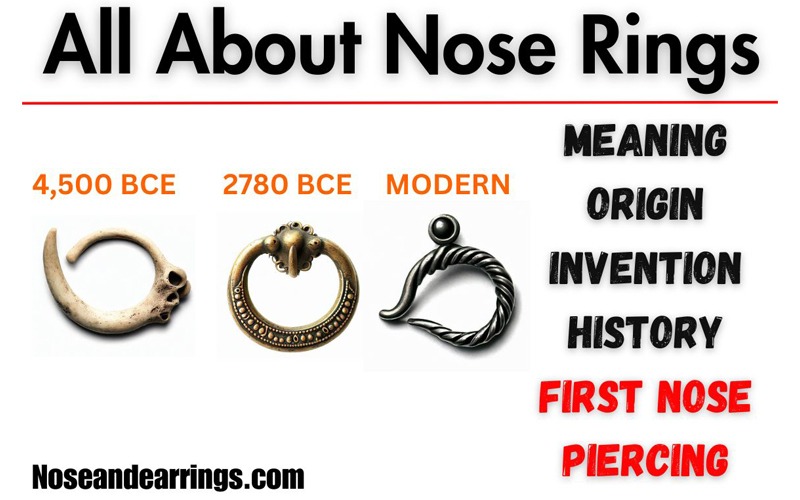
Nose rings typically do not have traditional backs like earrings do. Instead, they often use a variety of closure mechanisms, such as hoops or studs that stay secure without a separate backing. This distinctive design choice not only enhances aesthetic appeal but also accommodates the unique anatomy of the nose. In this article, we’ll explore the different types of nose rings, their closure styles, and what to consider when choosing one, ensuring you have all the information you need to make an informed decision.
Types of Nose Rings

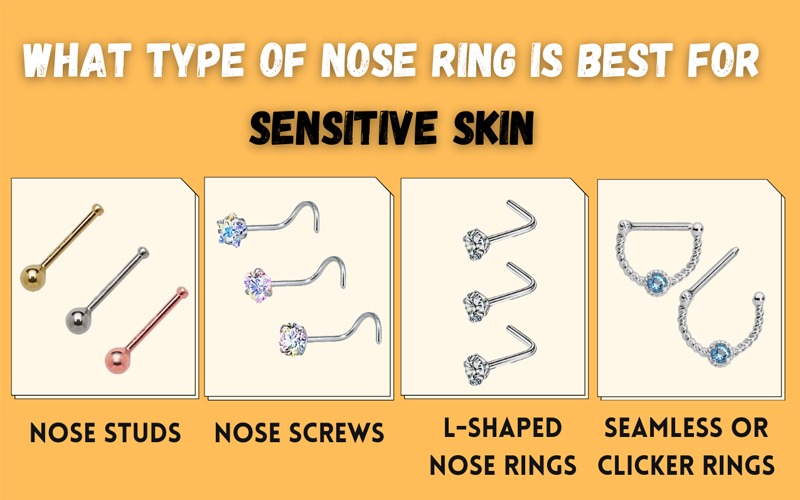
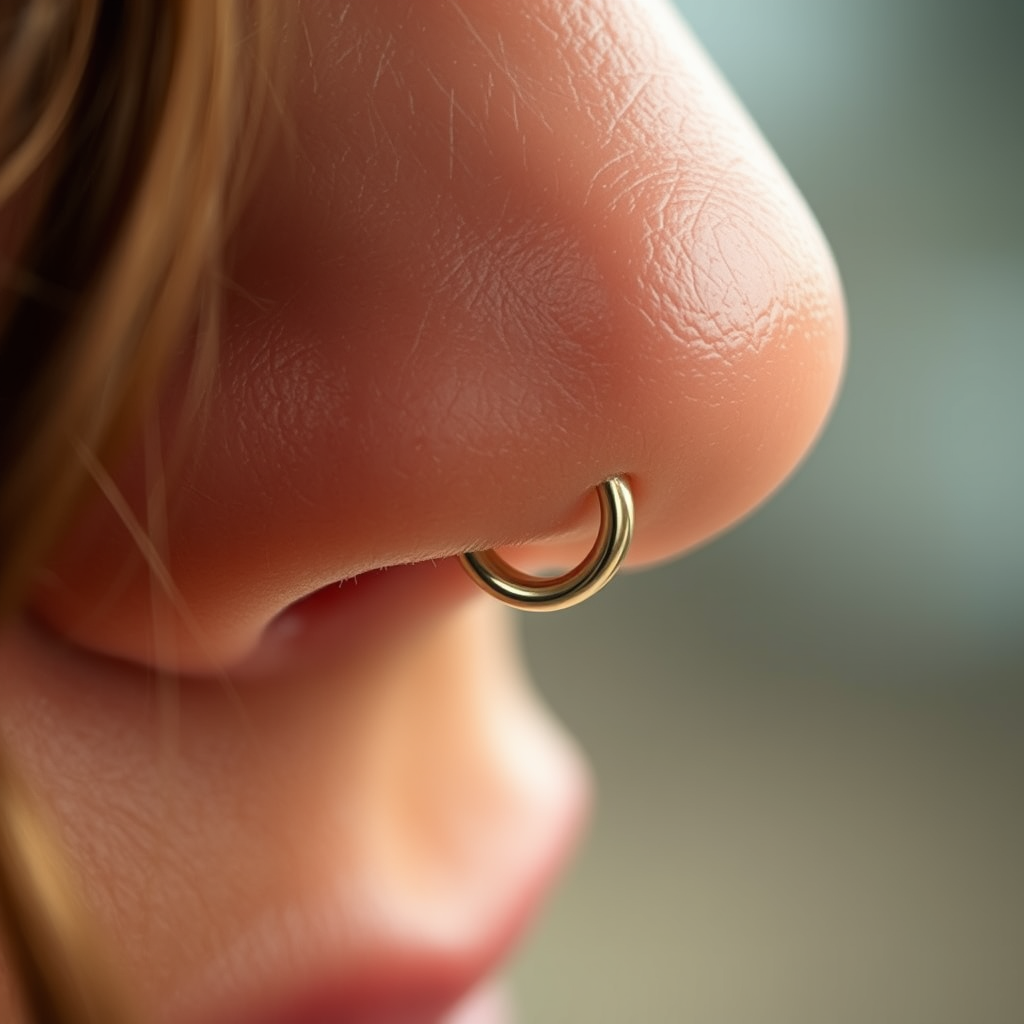
– Hoops: One of the most popular styles, hoops are circular rings that can vary in thickness and diameter. They can be worn as simple, minimalist designs or can be embellished with charms and gemstones for a more intricate look. Hoops are favored for their versatility and can be found in various sizes, allowing wearers to choose a style that suits both their personal taste and facial structure.
– Studs: Nose studs usually consist of a decorative front piece with a post that goes through the piercing. They can be secured with a screw mechanism or a friction back, which helps keep the jewelry in place. Studs can range from simple gemstones to elaborate designs, making them an excellent option for those who prefer a subtle yet stylish accessory. Their low profile also makes them a practical choice for everyday wear.
Closure Mechanisms
– Screw-On Backs: Some nose studs come equipped with a screw mechanism that ensures a secure fit. This design is particularly beneficial for those with active lifestyles, as it minimizes the risk of losing the jewelry. The threaded post allows the decorative front to be easily attached and removed while providing a reliable hold.
– Friction Fit: Many nose rings utilize a friction fit closure, where the post is simply pushed into the piercing and held in place by the tension of the fit. This mechanism is straightforward and easy to use, making it a popular choice among first-time wearers. However, it is crucial to ensure that the fit is snug to prevent accidental loss.
Materials Used for Nose Rings
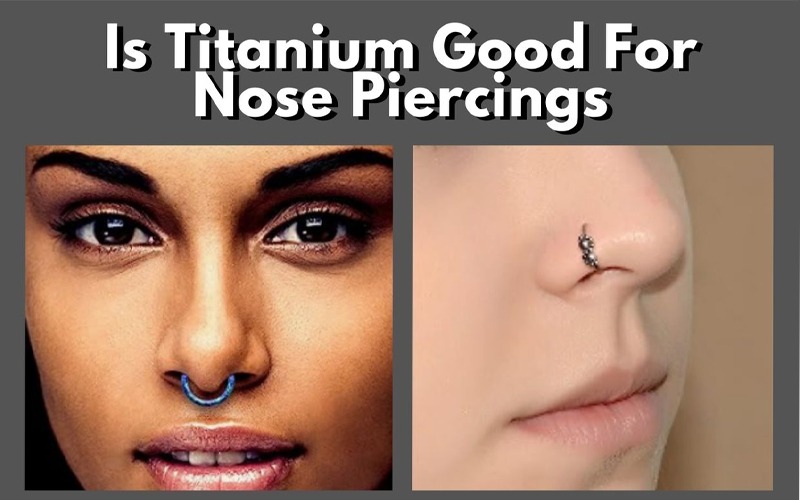
– Metal Options: A variety of metals are used in the production of nose rings, each offering its own set of characteristics. Stainless steel is a popular choice due to its durability and resistance to tarnish, while titanium is favored for its lightweight nature and hypoallergenic properties. Gold nose rings, available in yellow, white, and rose gold, provide a luxurious option but can be more costly. It’s essential to select a material that aligns with your skin sensitivity and lifestyle.
– Non-Metal Alternatives: For those who may have allergies to certain metals, there are non-metal options available. Acrylic and glass nose rings are common alternatives that can provide aesthetic appeal without the risk of irritation. These materials are often lighter and can come in a range of colors and designs, appealing to a broader audience.
Choosing the Right Nose Ring
– Size and Gauge: When selecting a nose ring, it’s crucial to consider both the size of the jewelry and the gauge of the piercing. Standard gauges for nose piercings are typically 20 or 18, with the latter being slightly thicker. The diameter of hoops and the size of studs should also be taken into account to ensure a comfortable and flattering fit. It is advisable to measure your piercing or consult with a professional piercer to find the right size.
– Style Preference: Your personal style will play a significant role in your choice of nose ring. Some individuals may prefer a simple, understated stud, while others may opt for a bold hoop or an ornate design. Consider how the nose ring will complement your overall look and lifestyle, and don’t hesitate to experiment with different styles until you find the one that resonates with you.
Care and Maintenance
– Cleaning: Proper care is essential to maintain both the appearance of your nose ring and the health of your piercing. Regularly cleaning your jewelry with a gentle, non-abrasive solution can help prevent infections and irritation. Using saline solution or mild soap and water is recommended. It is advisable to clean your nose ring at least once a week, or more frequently if you are prone to irritation.
– Check for Security: Periodically checking the closure mechanism of your nose ring is vital to ensure it remains secure. This precaution can help prevent loss or accidental injury. If you notice any looseness, it may be time to adjust or replace the jewelry.
Potential Issues with Nose Rings
– Irritation and Allergies: One of the common issues with nose rings is irritation or allergic reactions to certain metals. Individuals with sensitive skin should opt for hypoallergenic materials, such as titanium or surgical stainless steel, to minimize potential reactions. It’s important to monitor your skin for any signs of irritation and to consult with a healthcare professional if you experience persistent discomfort.
– Infection Risk: Nose piercings can be susceptible to infection, particularly during the healing process. Proper aftercare is crucial, including keeping the area clean and avoiding touching it with unwashed hands. If you notice redness, swelling, or discharge, it is important to seek medical advice promptly to address any potential infections.
In summary, nose rings do not typically come with traditional backs like earrings, but they utilize a variety of closure methods that secure them in place. Understanding the types of nose rings, their materials, and proper care practices can help you select the ideal piece for your style and comfort. Whether you are considering your first nose ring or looking to expand your collection, being informed about your options will ensure a satisfying and stylish experience.
Frequently Asked Questions
Do nose rings come with backs?
Yes, most nose rings do come with backs, but the type of back may vary depending on the style of the nose ring. Common types include threaded backs for studs, which screw into the post, and friction backs, which simply slide onto the post and hold the jewelry in place. It’s essential to choose the right back for your comfort and security, especially during the healing process after getting a nose piercing.
How do I know if my nose ring has a secure back?
To ensure your nose ring has a secure back, gently tug on the jewelry to test its stability. A well-fitted back should not come loose easily. If you notice any movement or if the back seems too loose, consider replacing it with a more secure option, such as a locking back or a threaded design, to prevent it from falling out.
Why is it important to have a back on my nose ring?
Having a back on your nose ring is crucial for both safety and comfort. It prevents the jewelry from falling out or getting lost, which can be especially problematic during the healing phase of a piercing. A secure back also reduces the risk of irritation or infection by minimizing movement that could disturb the piercing site.
What is the best type of backing for nose rings?
The best type of backing for nose rings typically depends on personal preference and the style of the jewelry. Many people prefer threaded backs for their security, as they screw onto the post and are less likely to come loose. However, if ease of use is a priority, friction backs are simpler to manage and can still offer a secure fit, making them a popular choice among users.
Which materials are safe for nose ring backs?
Safe materials for nose ring backs include surgical stainless steel, titanium, and gold, as they are less likely to cause allergic reactions or irritate the skin. When choosing a nose ring, ensure that the backs are made from high-quality materials, especially if you have sensitive skin or are prone to allergies. Avoid cheap metals that may contain nickel or other irritants, as these can lead to discomfort or infections.