Getting a hoop nose ring can indeed influence the healing process, but it’s not the sole factor. While some users report faster healing times with hoop rings, individual factors like body chemistry and aftercare play a significant role. In this article, we’ll explore how different types of nose rings affect healing and what you can do to ensure a swift recovery.
Understanding Nose Ring Types
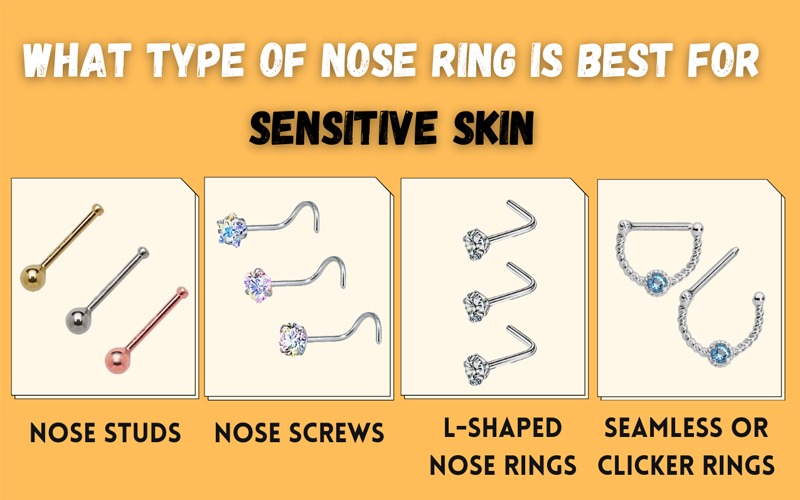
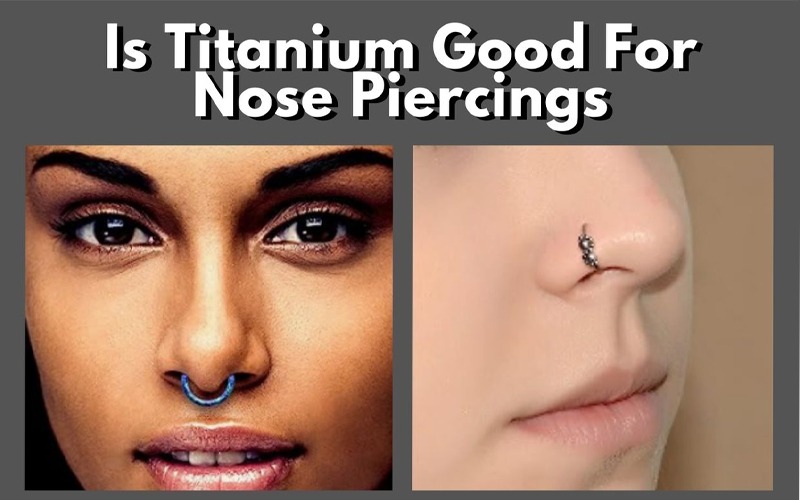
The type of nose ring you opt for can significantly affect the healing process. Nose rings come in various materials, including stainless steel, gold, and titanium, with titanium often being the material of choice for healers and piercers alike. This is primarily due to its biocompatibility, which reduces the risk of irritation and complications during the healing process. Additionally, the design of the ring—whether it be a hoop or a stud—can influence the level of irritation experienced at the piercing site.
Hoop nose rings, for instance, tend to have a different shape and weight distribution compared to studs. This can lead to less localized pressure on the piercing, which may help reduce discomfort. However, the potential for snagging and movement in the hoop design might also increase irritation, particularly in individuals who are more active or who wear longer hairstyles. Ultimately, selecting the right material and design for your lifestyle and skin type is crucial for promoting optimal healing.
Healing Time Factors
Healing time for a nose piercing can vary widely among individuals, with typical healing times ranging from 4 to 12 months. Factors that influence this variability include skin type, immune function, and overall health. For example, individuals with sensitive skin may find that their piercings take longer to heal due to higher levels of irritation and inflammation. Additionally, those with pre-existing health conditions, such as diabetes, may experience delayed healing due to compromised body functions.
Aftercare routines are equally crucial in determining healing success. A consistent regimen that includes cleaning the piercing site with saline solution and avoiding unnecessary touching or twisting of the jewelry is essential. Neglecting aftercare can introduce bacteria and cause infections, significantly delaying the healing process. Understanding your body and adapting your aftercare practices accordingly can make a substantial difference in healing time.
Pros and Cons of Hoop Nose Rings
Hoop nose rings offer unique advantages and disadvantages that can impact healing. One of the primary benefits is that hoops can provide less pressure on the piercing site compared to traditional studs. This is particularly advantageous for those who are prone to irritation since less pressure can lead to a more comfortable healing experience.
However, hoops also come with their set of challenges. They are often more prone to snagging on clothing, hair, or other objects, which can lead to increased irritation or even trauma to the piercing. This type of movement can disrupt the healing process, and in some cases, may lead to complications such as keloids or hypertrophic scarring. Therefore, while hoops may offer certain benefits, it’s essential to weigh these against potential risks in your everyday environment.
Aftercare Tips for Faster Healing
Proper aftercare is paramount for ensuring swift healing of your nose piercing, regardless of the type of jewelry you choose. One essential tip is to clean the area regularly with a saline solution, which helps prevent infection and promotes healing. You can create a simple saline solution at home by mixing 1/4 teaspoon of non-iodized sea salt with 8 ounces of warm distilled water. Soak a clean cotton ball in the solution and gently dab it on the piercing site to keep it clean.
Another important aspect of aftercare is to avoid changing your jewelry too soon. Many professional piercers recommend waiting at least 3 to 4 months before considering any changes. Prematurely switching out the hoop for a different piece can disrupt the healing process and lead to unnecessary complications. Additionally, avoiding makeup, lotions, and other products around the piercing site during the initial healing phase can minimize the risk of irritation.
Common Myths About Nose Ring Healing
The topic of nose ring healing is rife with misconceptions that can mislead individuals considering a new piercing. One prevalent myth is that all nose rings heal at the same rate. In reality, healing times can vary significantly depending on individual factors such as skin type, health conditions, and even lifestyle choices.
Moreover, another common misconception pertains to metal allergies. While it is true that some individuals may have sensitivities to specific metals, not everyone will experience delayed healing due to metal allergies. In fact, high-quality materials like titanium are generally well-tolerated and can facilitate a smoother healing process. Understanding these nuances can empower individuals to make informed choices regarding their piercings.
Personal Experiences and Testimonials
Anecdotal evidence from users who have tried both hoop and stud nose rings provides valuable insights into the healing experience. Many individuals report that they found hoops to be more comfortable due to their lightweight nature, which often led to fewer instances of irritation. For example, one user shared that switching from a stud to a hoop resulted in a noticeable decrease in discomfort and swelling.
Conversely, others have experienced challenges with hoops due to snagging incidents, leading to complications that prolonged their healing time. A user recounted a frustrating experience where their hoop caught on their hair, resulting in a minor infection that required additional treatment. These varied experiences underscore the importance of individual biology and lifestyle in the healing process, highlighting that what works for one person may not work for another.
In summary, while a hoop nose ring may offer certain advantages in the healing process, factors like material, aftercare, and individual biology ultimately determine how quickly a piercing heals. If you’re considering a hoop for your nose, ensure you follow the recommended aftercare practices for the best results. Explore your options, weigh the pros and cons, and choose the type of jewelry that feels right for you!
Frequently Asked Questions
Does a hoop nose ring heal faster than a stud?
The healing time for a nose ring, whether it’s a hoop or a stud, primarily depends on the individual’s body and how well they care for the piercing. Generally, hoop nose rings can take longer to heal because they may move more and irritate the piercing site, especially if they are larger. Studs, being more stable and less likely to catch on things, often promote a faster healing process. Therefore, if you’re looking for quicker healing, a stud might be the better option.
How long does it typically take for a hoop nose ring to heal?
The healing time for a hoop nose ring usually ranges from 2 to 6 months, but it can vary based on individual factors like skin type, aftercare, and lifestyle. It’s essential to follow proper aftercare practices, such as keeping the area clean and avoiding touching or twisting the ring, to facilitate healing. Each person’s healing journey is unique, so patience is key during this period.
Why might a hoop nose ring cause more irritation during the healing process?
A hoop nose ring may cause more irritation during the healing process due to its potential for movement and contact with surrounding skin or objects. Unlike studs that sit snugly against the nostril, hoops can swing and catch on clothing, hair, or other objects, increasing friction and the risk of infection. Additionally, the larger surface area of a hoop may trap bacteria and debris, leading to irritation and prolonging the healing time.
What is the best material for a hoop nose ring to promote healing?
The best materials for a hoop nose ring that promote healing are surgical stainless steel, titanium, and gold (at least 14 karats). Surgical stainless steel and titanium are hypoallergenic and less likely to cause allergic reactions, while 14K gold is also a good choice as it is less reactive with the skin. Choosing high-quality materials is crucial for minimizing irritation and supporting a smooth healing process.
Which aftercare practices should I follow to ensure my hoop nose ring heals properly?
To ensure your hoop nose ring heals properly, follow these essential aftercare practices: clean the area twice daily with a saline solution or a gentle, alcohol-free cleanser, avoid touching or twisting the ring, and refrain from swimming in pools or hot tubs during the healing phase. Additionally, ensure you don’t change the jewelry until the piercing is fully healed, and consult with a professional piercer if you notice any signs of infection or prolonged irritation. Proper aftercare significantly impacts healing time and overall comfort.
References
- Nose piercing
- https://www.ncbi.nlm.nih.gov/pmc/articles/PMC5407384/
- https://www.healthline.com/health/nose-piercing-healing-time
- Does masturbation decrease testosterone?
- https://www.verywellhealth.com/nose-piercing-care-5111850
- https://www.aafp.org/pubs/afp/issues/2015/0501/p662.html