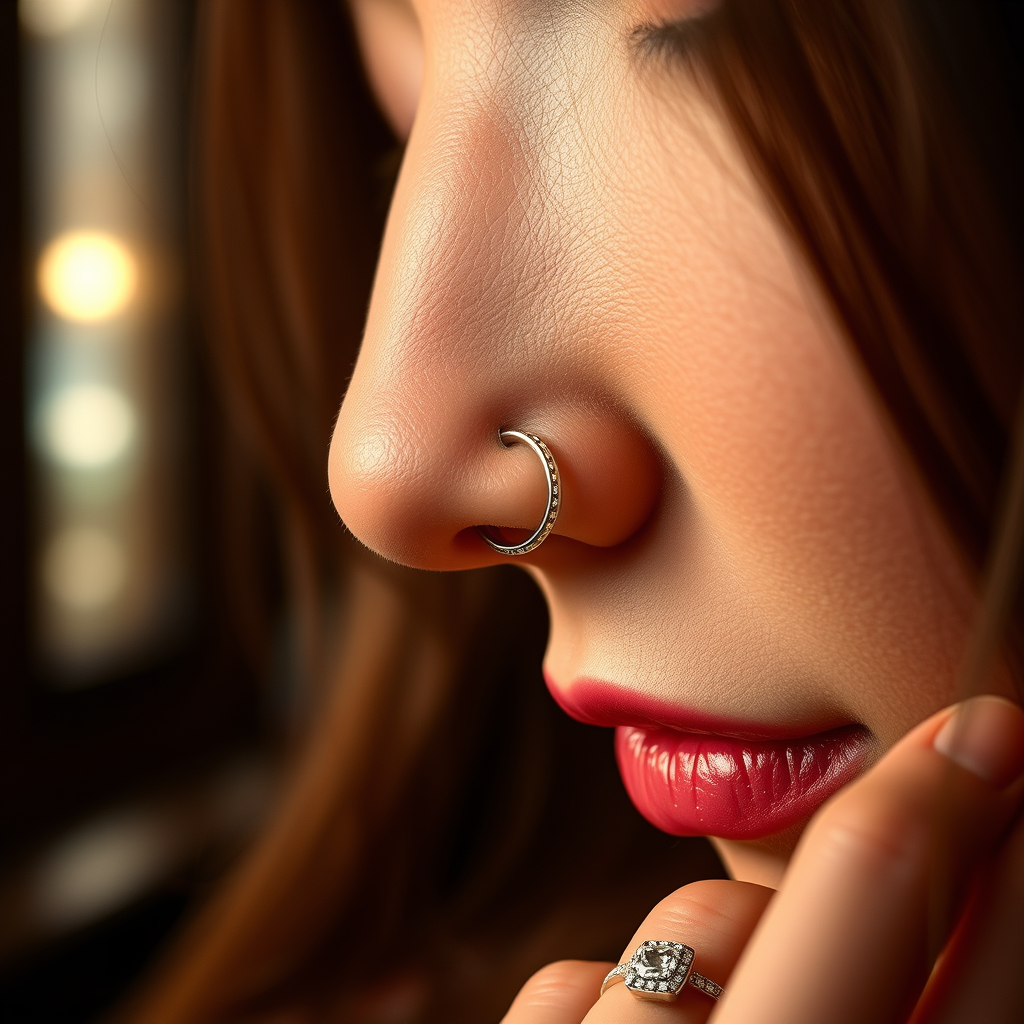
Getting a nose ring does involve some pain, but it’s often brief and manageable. Most people report feeling a quick pinch during the piercing process, followed by minor discomfort that fades quickly. It’s important to understand that pain perception is subjective, and various factors can influence your experience. In this article, you’ll learn about the pain levels associated with nose piercings, how to prepare, and what to expect during and after the procedure.
Understanding Pain Levels of Nose Piercings

Pain perception varies significantly from person to person; what one individual finds painful, another may only perceive as mild discomfort. In general, the pain associated with a nose piercing is typically described as a quick pinch or a snap, lasting only a few seconds at most. Many individuals compare it to the sensation of a small rubber band snapping against the skin. The degree of pain experienced can be influenced by personal pain tolerance, anxiety levels, and overall sensitivity. For those who are particularly anxious about the procedure, the anticipation may heighten their perception of pain; hence, understanding this psychological aspect is crucial.
Moreover, the location of the piercing can also influence the pain level. For instance, a septum piercing may feel different from a nostril piercing. In a survey conducted among individuals who have undergone the procedure, many reported that their anxiety prior to the piercing was often more challenging than the actual pain experienced during the process.
Factors Influencing Pain During Piercing
Several factors can influence the pain experienced during a nose piercing, and understanding these can help mitigate discomfort. One of the primary factors is the body location. The nose is a sensitive area with a high concentration of nerve endings, but each individual’s sensitivity can vary. Additionally, the technique used by the piercer plays a significant role.
Professional piercers utilize specific methods designed to minimize discomfort. For example, they may use a needle instead of a piercing gun, as needles create a cleaner hole and cause less trauma to the surrounding tissue. Furthermore, an experienced piercer will often take the time to ensure you are comfortable and relaxed before proceeding, which can significantly reduce pain perception. They may also apply a topical numbing agent to the area, further easing the process.Aftercare and Healing Process
Following proper aftercare is essential not only for reducing pain but also for preventing infection and ensuring a smooth healing process. After getting your nose pierced, you should clean the area regularly with saline solution or a saline wound wash. This helps to keep the area free from bacteria and promotes healing.
The initial healing period for a nose piercing typically lasts 4-6 weeks, during which sensitivity and tenderness may occur. It is essential to avoid touching or twisting the jewelry, as this can irritate the piercing and lead to complications. As the healing progresses, some individuals may experience occasional discomfort, especially if the piercing is accidentally bumped or snagged. Staying attentive to the aftercare instructions provided by your piercer will help ensure that your healing process is smooth and as pain-free as possible.
Managing Discomfort Post-Piercing
If you experience lingering discomfort after your nose piercing, there are several effective strategies to manage it. Over-the-counter pain relievers, such as ibuprofen or acetaminophen, can help alleviate any minor pain. It is crucial to follow the recommended dosage on the packaging and consult with a healthcare professional if you have any concerns regarding medication.
Another effective way to manage discomfort is by applying a cold compress to the area. This can help reduce swelling and soothe the piercing site. Simply wrap some ice in a cloth or use a commercial cold pack, and apply it to the outside of your nose for about 10-15 minutes. Remember to avoid applying ice directly to the skin, as this can cause frostbite or irritation.
Moreover, it’s advisable to avoid alcohol and tobacco during the healing process, as these can impede healing and exacerbate discomfort. Instead, focus on maintaining a healthy diet rich in vitamins and minerals to support your body’s recovery.
Common Myths About Nose Piercings and Pain
There are several misconceptions surrounding nose piercings and the associated pain levels. One common myth is that nose piercings hurt more than other types of piercings, such as earlobe piercings. However, many individuals who have experienced both types of piercings report that the pain is quite comparable, often citing the earlobe as equally or even more painful due to the dense tissue and nerve endings.
Another myth revolves around the healing process. Some people believe that nose piercings always take a long time to heal or that they are prone to frequent infections. In reality, with proper aftercare and hygiene, healing can be relatively quick and uncomplicated. Misunderstandings like these can lead to unnecessary anxiety, which can heighten perceived pain levels. Educating yourself about the process can help dispel these myths and make for a more pleasant experience.
Personal Experiences and Testimonials
Personal experiences regarding nose piercings vary widely, and many individuals share their stories to provide insight into what to expect. For instance, one individual described their experience as “a quick pinch, followed by a sense of relief once it was over.” Others have shared that while they felt the sharpness of the needle, it was quickly overshadowed by the excitement of wearing their new jewelry.
Community input can provide valuable insight into the pain levels and healing processes associated with nose piercings. Online forums and social media platforms often feature testimonials from individuals who have recently undergone the procedure. These shared experiences can help alleviate fear and anxiety for those contemplating the piercing, providing a realistic perspective on what to expect.
In summary, while getting a nose ring does involve some pain, it is generally short-lived and manageable. By understanding the factors that influence pain, preparing adequately, and following proper aftercare, you can ease your experience significantly. If you’re considering getting a nose ring, consult with a professional piercer to ensure a comfortable and safe process. With the right preparation and mindset, you can enjoy this stylish form of self-expression with minimal discomfort.
Frequently Asked Questions
Does getting a nose ring hurt?
When getting a nose ring, pain levels can vary depending on individual pain tolerance and the method of piercing. Generally, most people report a quick, sharp sting during the actual piercing process, followed by a dull ache that may last for a few hours. Using a qualified piercer and ensuring the area is properly numbed can help minimize discomfort.
How long does the pain last after getting a nose ring?
After getting a nose ring, any immediate pain typically subsides within a few hours, but some people may experience tenderness or discomfort for several days. The healing process can take approximately 4 to 6 weeks, during which mild sensitivity may persist. Following aftercare instructions can help reduce prolonged pain and discomfort.
Why does my nose ring hurt weeks after getting it?
If your nose ring continues to hurt weeks after getting it, it may be a sign of infection, allergic reaction, or improper healing. Factors such as irritation from jewelry materials, excessive touching, or not following aftercare can contribute to ongoing pain. Consulting a professional piercer or healthcare provider is advised to address any potential issues.
What can I do to minimize pain when getting a nose piercing?
To minimize pain when getting a nose piercing, consider visiting a reputable piercer who employs safe techniques and uses high-quality jewelry. Additionally, discussing the option of a local anesthetic with your piercer can help reduce discomfort. Practicing relaxation techniques prior to the piercing can also help calm your nerves, making the experience more manageable.
Which type of nose ring is least painful to get?
The least painful type of nose ring to get is often a stud or a hoop, as they typically require less invasive techniques compared to other styles like septum piercings. However, pain is subjective and varies from person to person. Ultimately, choosing a qualified piercer and ensuring proper aftercare can significantly impact your overall comfort, regardless of the jewelry type.
References
- Nose piercing
- https://www.healthline.com/health/nose-piercing-pain
- https://www.medicalnewstoday.com/articles/nose-piercing
- https://www.mayoclinic.org/healthy-lifestyle/adult-health/in-depth/piercings/art-20045423
- https://www.webmd.com/beauty/what-to-know-about-nose-piercings
- https://www.ncbi.nlm.nih.gov/pmc/articles/PMC5357827/
- https://www.acne.org/nose-piercing.html