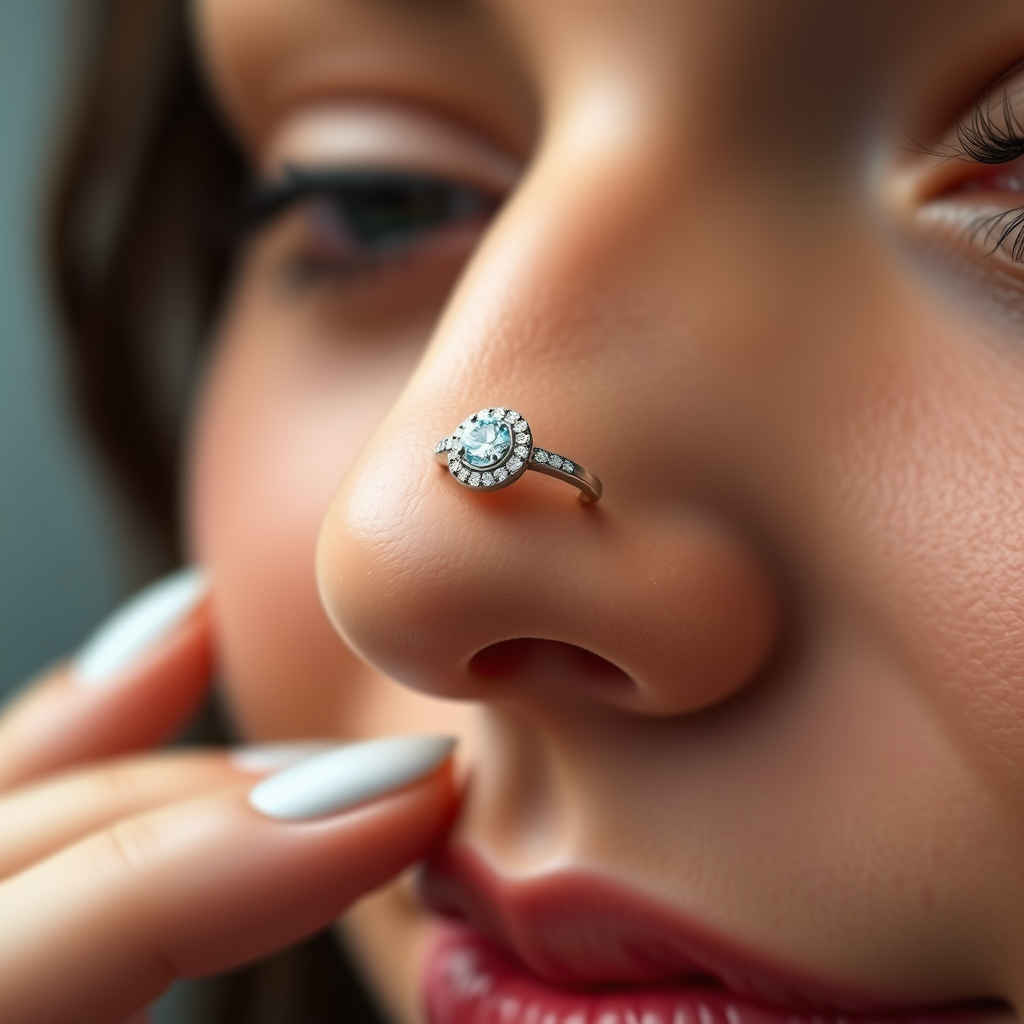
When it comes to putting a curved nose ring back in, the key is to be gentle and patient. Ensure your hands and the jewelry are clean to prevent infection, and follow a step-by-step approach to safely and comfortably reinsert your nose ring. This process can be daunting, especially if you’re new to nose piercings, but with the right techniques and mindset, it can be a smooth experience.
Gather Your Supplies
Before you begin the process of reinserting your curved nose ring, it’s essential to gather the necessary supplies to ensure a safe and effective procedure. Start by thoroughly washing your hands with soap and water to minimize the risk of introducing bacteria into the piercing. Next, have a mirror ready for better visibility; a well-lit area will also help you see the piercing clearly. Additionally, consider using a saline solution or a sterile lubricant, which can make the insertion smoother and reduce discomfort. These products create a slippery surface that can ease the ring’s movement through the piercing, thus facilitating a more comfortable experience.
Prepare Your Nose

Preparation is crucial when it comes to ensuring that your piercing is ready for the insertion of the nose ring. First, examine the piercing area for cleanliness; it should be free of any crusting or buildup that may have occurred during healing. If your piercing feels tight, it can be beneficial to gently massage the surrounding area to help loosen any tension. This massage increases blood flow and helps relax the tissue around the piercing, making it easier to reinsert the jewelry. Another useful technique is to apply a warm compress to the area for a few minutes; the warmth will help open up the pores and soften the tissue, further easing the process.
Inserting the Curved Nose Ring
Now that you have prepared both your hands and your nose, it’s time to insert the curved nose ring. Position the nose ring at a slight angle before attempting to enter the piercing. This angle can help guide the jewelry through the hole without causing unnecessary pain. Begin by gently pushing the end of the ring into the hole while applying slight pressure. If you encounter any resistance, do not force the ring; instead, take a moment to stop and reassess your approach. Adjusting the angle slightly or applying a bit of saline solution can often help ease the way. Forcing the ring can lead to irritation or injury, so patience is key during this step.
Adjusting the Ring
Once the ring is partially through the piercing, you’ll need to make sure it is properly aligned. Carefully rotate the ring to position it correctly, ensuring that the ball or closure is on the outside of the nostril. This alignment is crucial, as it not only affects the aesthetic of your piercing but also your comfort. After the initial insertion, make minor adjustments to avoid discomfort while keeping the ring secure in place. If the ring feels too tight or uncomfortable, you may need to revisit the insertion process or consider using a different size or style of jewelry.
Aftercare and Maintenance
Proper aftercare is fundamental to maintaining the health of your nose piercing once the ring is back in place. Clean the area around the piercing daily with a saline solution to prevent infection and promote healing. It is important to avoid touching or twisting the ring frequently, as this can lead to irritation or complications. Particularly in the first few weeks following reinsertion, keeping your hands away from the area will help reduce the risk of bacteria entering the piercing. Be vigilant for signs of infection, such as increased redness, swelling, or discharge, and seek professional advice if you notice any concerning symptoms.Troubleshooting Common Issues
Despite your best efforts, you may encounter some challenges when trying to reinsert your curved nose ring. If the ring won’t go in, it could be due to swelling or irritation in the piercing. In such cases, it’s advisable to wait a day before attempting again, allowing your body time to recover. If you find that your piercing is still too tight for your current jewelry, consulting a professional piercer can provide you with tailored advice and assistance. They can recommend a smaller gauge ring or offer techniques that are specific to your situation, ensuring that you can successfully reinsert your jewelry with minimal discomfort.
In conclusion, successfully reinserting a curved nose ring involves a combination of preparation, technique, and aftercare. By gathering the right supplies, preparing your piercing properly, and following a careful insertion process, you can minimize discomfort and potential complications. Always prioritize cleanliness and gentleness during the process to ensure a smooth experience. Whether you’re a novice or have experience with piercings, being well-prepared and informed can significantly enhance your comfort and confidence in handling your jewelry.
Frequently Asked Questions
How do I put a curved nose ring back in after removing it?
To put a curved nose ring back in, start by washing your hands thoroughly to prevent infection. Gently hold your nostril open with one hand and use the other hand to position the curved end of the nose ring towards the piercing. Slowly and carefully insert the curve into the hole, twisting it slightly as you go to help it slide in smoothly. If you experience pain or resistance, stop and ensure the angle is correct; never force it through.
Why is my nose ring difficult to put back in?
A nose ring can be difficult to put back in for several reasons, including swelling, irritation, or the piercing closing up. If your piercing is new, it may heal partially, making it harder to reinsert jewelry. Additionally, if you’ve recently changed jewelry or noticed any signs of infection, that can also complicate the process. Always ensure the jewelry is clean and try to reinsert it gently to avoid further irritation.
What type of nose ring is best for sensitive skin?
For sensitive skin, the best type of nose ring is typically made from hypoallergenic materials such as surgical stainless steel, titanium, or gold that is at least 14k. These materials are less likely to cause an allergic reaction or irritation. If you have a history of skin sensitivities, it’s advisable to consult with a professional piercer for recommendations tailored to your specific needs.
Which technique should I use to avoid pain when putting a nose ring back in?
To avoid pain when putting a nose ring back in, use a technique that involves relaxing your nostril and finding the angle that aligns with your piercing. Use a saline solution to moisten the area and reduce friction. Gently insert the curved tip first into the piercing, and if you feel discomfort, pause and adjust the angle rather than forcing it through. Patience and a gentle touch are key to minimizing pain.
How can I care for my nose piercing after reinserting my nose ring?
After reinserting your nose ring, it’s essential to care for your piercing to prevent infection. Clean the area with a saline solution or a mild antiseptic solution twice daily, and avoid touching or twisting the ring unnecessarily. Additionally, monitor the piercing for signs of irritation or infection, such as redness, swelling, or discharge. If any concerning symptoms arise, consult a healthcare professional or your piercer for further advice.