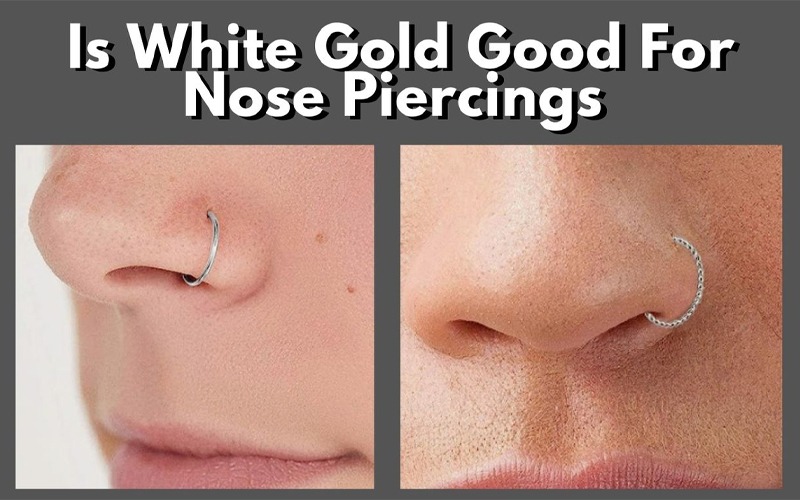
To put a nose ring in a stud, first ensure your hands are clean and the jewelry is sanitized. Gently insert the stud into the piercing, guiding it through the hole until it is secure. This guide will provide you with detailed steps and tips to make the process easier and more comfortable, ensuring a smooth experience whether you are a first-time user or are simply refreshing your knowledge.
A nose ring can be a beautiful statement piece, but inserting it correctly is crucial for both comfort and hygiene. The following sections will break down the process into manageable steps, provide insights on choosing the right stud, and offer aftercare tips to promote healing and prevent infection.
Preparing for Insertion

The first step in inserting a nose ring is personal hygiene. Clean your hands thoroughly with soap and water or use a hand sanitizer with at least 60% alcohol content. This step is vital as it minimizes the risk of introducing bacteria into your piercing, which can lead to infections.
In addition to hand hygiene, you must also sterilize the nose ring stud. Use rubbing alcohol to clean the jewelry thoroughly. Soak a cotton ball or pad in the alcohol and wipe down the entire surface of the stud. Allow it to air dry for a few moments. This precaution helps ensure that the jewelry is free from germs and suitable for insertion into your body.
Choosing the Right Stud

Selecting the appropriate stud for your nose piercing is essential for both aesthetic and comfort reasons. The size of the stud should match the gauge of your piercing; typically, the most common gauges for nose piercings range from 20 to 18. A stud that is too thick could cause discomfort, while one that is too thin may not stay securely in place.
Material choice is also critical. Opt for hypoallergenic materials such as surgical steel, titanium, or gold that is at least 14k. These materials reduce the likelihood of allergic reactions, which can lead to inflammation and discomfort. If you are unsure about your skin’s sensitivity, consider consulting with a professional piercer who can provide tailored advice based on your specific needs.
Inserting the Nose Ring
Once you have prepared both your hands and the stud, it’s time to insert the nose ring. Begin by gently holding your nostrils with your fingers to stabilize the area and make the insertion process easier. This helps minimize movement and discomfort during the procedure.
Next, angle the stud properly to align it with the piercing hole. Many first-time users find it helpful to look in a mirror while doing this to ensure they have the correct alignment. Once you feel confident about the angle, gently push the stud through the piercing. If you encounter any resistance, do not force it; instead, check the alignment and try again. Patience is key to ensuring a smooth insertion.
Securing the Stud
After successfully inserting the stud into your nose, the next step is to secure it. Depending on the design of the stud, you may need to attach a backing. Gently push the backing onto the post of the stud until you hear a click. This indicates that it is securely fastened.
It is essential to ensure that the stud feels snug but not overly tight. An excessively tight fit can lead to irritation and discomfort, while a loose fit increases the risk of the stud falling out. If you notice any signs of irritation, such as redness or swelling, consider adjusting the tightness or consulting a professional.
Aftercare Tips
Aftercare is critical to ensure that your nose piercing heals properly and remains free from infection. Avoid touching or twisting the stud after insertion, as this can introduce bacteria and cause irritation.
To promote healing, clean the area around the piercing daily using a saline solution or an antiseptic recommended by a professional piercer. Saline solutions can be purchased or made at home by mixing 1/4 teaspoon of non-iodized sea salt with 8 ounces of warm distilled water. Soak a cotton ball in the solution and gently dab the area around the piercing.
It is also advisable to avoid swimming pools, hot tubs, and other bodies of water during the healing process, as these can harbor bacteria that may cause infections. Maintaining a clean and dry environment around the piercing will significantly aid in healing.
Troubleshooting Common Issues
Even with proper technique, you may encounter some issues during the insertion process. If you experience pain or difficulty inserting the stud, it may be beneficial to use a smaller gauge stud. A larger gauge can sometimes be difficult to maneuver through the piercing, especially if it is still healing.
Swelling is another common issue that can arise after inserting a nose ring. If you notice swelling, consult a professional piercer or healthcare provider for advice. They may recommend specific treatments or adjustments to ensure that the piercing heals correctly.
In cases where the stud becomes embedded or if you notice excessive swelling, redness, or discharge, seek professional help immediately. It’s better to err on the side of caution when it comes to your health.
By following these steps, you can comfortably and safely put a nose ring in a stud. Remember to maintain proper hygiene and care for your piercing for the best results. If you encounter any complications, don’t hesitate to seek professional help. With the right approach, your nose piercing can be a stunning and hassle-free addition to your personal style.
Frequently Asked Questions
How do I properly put a nose ring stud in for the first time?
To put a nose ring stud in for the first time, start by washing your hands thoroughly to prevent any infection. Gently hold your nose and find the hole where the piercing is located; if it’s new, ensure it’s fully healed before inserting jewelry. Align the stud with the hole and gently push it through, making sure the backing is secure but not too tight to avoid irritation. Always follow up with a saline solution or antiseptic to keep the area clean.
What type of nose ring stud is best for sensitive skin?
The best type of nose ring stud for sensitive skin is one made from hypoallergenic materials such as titanium, surgical stainless steel, or niobium. These materials are less likely to cause allergic reactions or irritate the piercing. Avoid jewelry made from nickel or brass, as they can trigger sensitivities and lead to discomfort or infection.
Why does my nose ring stud hurt when I insert it?
If your nose ring stud hurts when you insert it, it could be due to several reasons: the piercing may not be fully healed, the stud may be too thick or not properly aligned, or you could be applying too much pressure. Always ensure that your piercing is adequately healed before inserting jewelry and try using a thinner stud if pain persists. If discomfort continues, consider consulting a professional piercer for advice.
Which way should I insert my nose ring stud?
When inserting a nose ring stud, insert it through the back of the piercing and push it out through the front. This method helps to reduce irritation and makes it easier to secure the backing without causing discomfort. Always double-check that the stud is positioned correctly and that the backing is secure to prevent the jewelry from falling out.
How can I make putting in a nose ring stud easier?
To make putting in a nose ring stud easier, consider using a small amount of lubricant, such as a water-based personal lubricant, to help the stud slide through the piercing smoothly. Additionally, using a mirror can help you align the stud correctly without straining. If you still find it challenging, practice gentle, steady pressure rather than forcing the stud in, and don’t hesitate to seek assistance from a professional piercer if needed.
References
- https://www.webmd.com/skin-problems-and-treatments/piercing-care
- https://www.healthline.com/health/nose-piercing-care
- https://www.ncbi.nlm.nih.gov/pmc/articles/PMC6315598/
- https://www.mayoclinic.org/healthy-lifestyle/adult-health/in-depth/piercings/art-20045153
- Error | AAP
- https://www.theatlantic.com/family/archive/2019/08/nose-piercing-pain-care/595154/