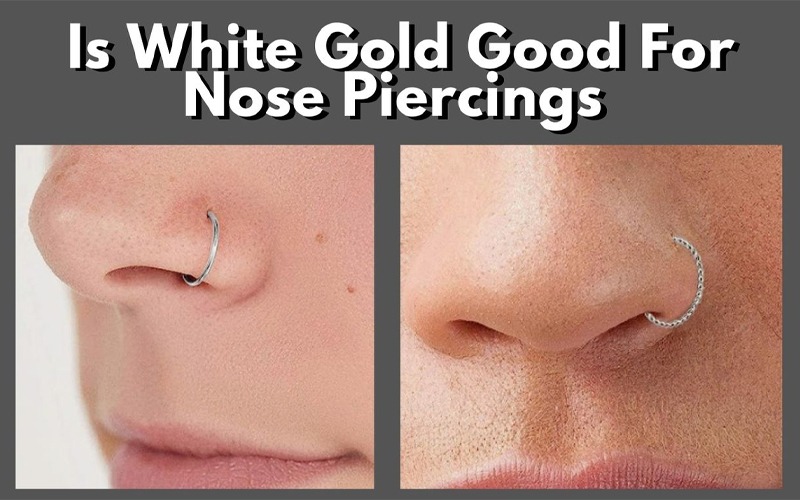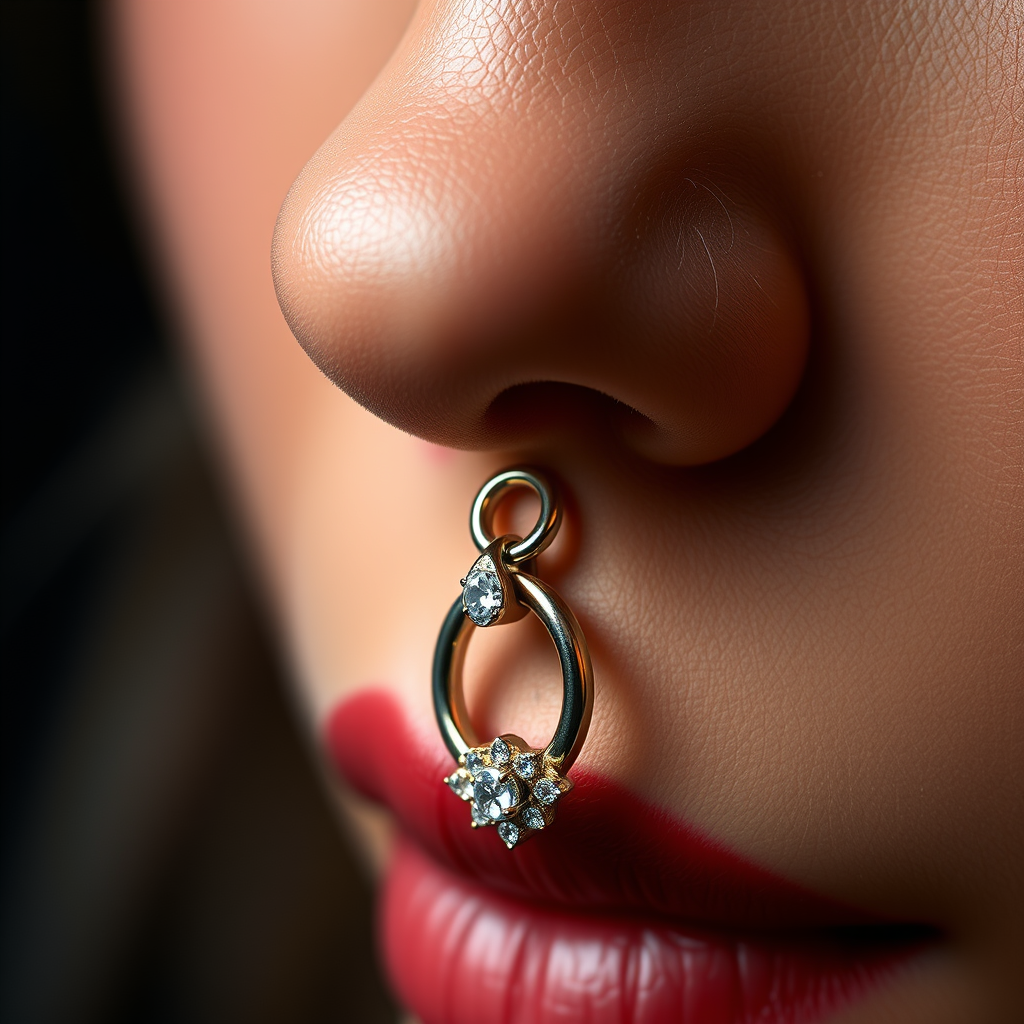
Putting in a nose ring screw is a straightforward process that you can master with a little practice. To start, ensure your hands and the jewelry are clean. This will help prevent infections while you learn the technique. In this article, you’ll discover the steps to properly insert a nose ring screw, tips for comfort, and aftercare recommendations.
Understanding Nose Ring Screws
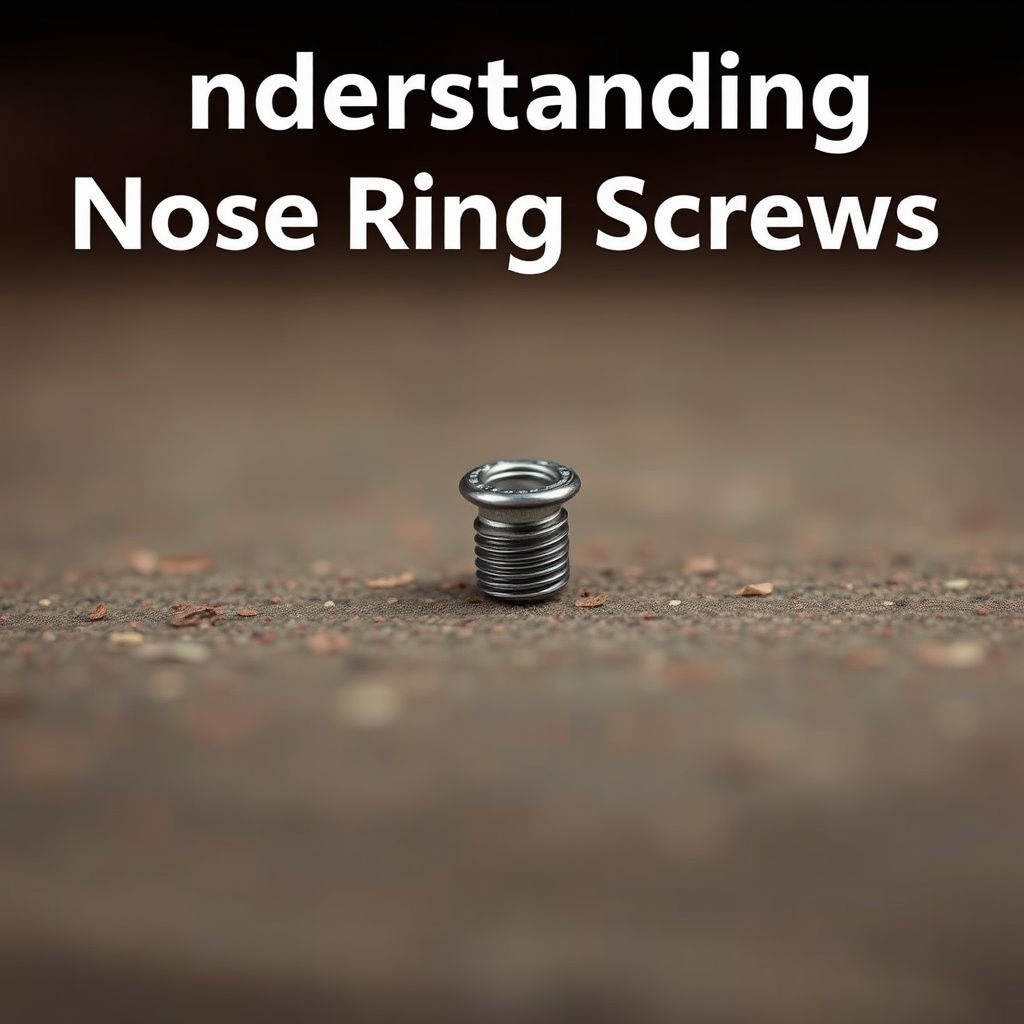
Nose ring screws are a popular choice for many individuals who desire a secure and stylish nose piercing. These types of jewelry typically feature a threaded end that helps anchor the piece in place, preventing it from falling out or shifting. They are available in a wide variety of materials, such as surgical steel, titanium, gold, and bioplast, catering to different aesthetic preferences and skin sensitivities. For instance, titanium is an excellent option for those prone to allergies, as it is biocompatible and less likely to cause irritations. When selecting a nose ring screw, consider both your personal style and any sensitivities you may have to certain metals to ensure a comfortable fit.
Preparing for Insertion
Before inserting your nose ring screw, it is crucial to take the necessary precautions to minimize the risk of infection. Begin by washing your hands thoroughly with soap and warm water for at least 20 seconds. This simple yet vital step will help eliminate any bacteria that could be transferred during the insertion process. After cleansing your hands, focus on the area around your nose. Use an antiseptic solution—like isopropyl alcohol or a saline solution—to clean the nostril and the surrounding skin. This will further reduce the chances of bacterial contamination and promote a healthier healing environment for your piercing.
Inserting the Nose Ring Screw
With clean hands and a sanitized area, it’s time to insert the nose ring screw. Begin by gently pinching the tip of your nose to stabilize it. This may help create a clear path for the screw to enter the piercing hole. Carefully align the screw with the piercing, ensuring it is oriented correctly. Insert the screw slowly into the hole, taking care not to force it. Once the tip of the screw is through the piercing, begin twisting it in a clockwise direction. It is essential to feel for resistance; if you encounter any, stop immediately to readjust your angle or position. A well-fitted nose ring screw should feel secure but not painfully tight against your nostril.
Ensuring Comfort and Security
Comfort is paramount when it comes to wearing body jewelry, especially in sensitive areas like the nose. After inserting the screw, assess how it feels against your nostril. The end of the screw should sit snugly but comfortably, without causing irritation or pain. If you feel any discomfort, gently reposition the screw or consider using a different style or size that may be more suitable for your anatomy. It is also advisable to avoid excessive twisting or manipulation of the ring, as this can lead to unnecessary irritation or even complications during the healing process.
Aftercare Tips
Proper aftercare is vital for ensuring your nose piercing heals well and remains free from infection. Clean the area around your nose ring daily with a saline solution or a gentle antiseptic. You can make a saline solution at home by mixing 1/4 teaspoon of non-iodized sea salt with 8 ounces of warm distilled water. Use a clean cotton ball or swab to apply the solution to the area, allowing it to air dry afterward. Additionally, refrain from touching or twisting the nose ring excessively, as this can introduce bacteria and prolong the healing process. If you notice any unusual symptoms such as increased redness, swelling, or discharge, consult a professional piercer or healthcare provider for further guidance.Troubleshooting Common Issues
Even with careful insertion and aftercare, complications can occasionally arise with nose ring screws. If you experience persistent pain, swelling, or signs of infection, it may be necessary to remove the jewelry and consult a professional piercer or a healthcare provider. They can assess the situation and recommend appropriate actions, which may include switching to a different style of nose ring screw or providing treatment for any irritation. Additionally, if you find that the current size or style of your nose ring screw is causing discomfort, consider exploring alternative options that may be better suited to your anatomy. There are various designs available, including L-shaped or straight post styles, which can offer different levels of comfort.
Putting in a nose ring screw can seem daunting at first, but with the right preparation and techniques, you can achieve a comfortable and secure fit. Remember to maintain cleanliness before and after the insertion, and be attentive to your body’s signals during the process. If any complications arise, do not hesitate to reach out for professional assistance. With practice and patience, you can confidently enjoy your nose jewelry while ensuring it remains a beautiful and safe expression of your style.
Frequently Asked Questions
How do I insert a nose ring screw properly?
To insert a nose ring screw, start by ensuring your hands and the jewelry are clean to prevent infections. Gently hold your nostril to stabilize it, and then insert the screw end of the ring into the piercing hole at a slight angle. Twist the ring in a clockwise motion while pushing it through until the decorative end is visible on the outside. Finally, adjust the screw to sit comfortably against your nostril.
What should I do if I can’t get the nose ring screw to go in?
If you’re having difficulty inserting the nose ring screw, it may be due to swelling or irritation from the piercing. First, ensure that the piercing is clean and try using a saline solution to gently soothe the area. If the screw still won’t go in, consider waiting a few days until the swelling subsides, or consult a professional piercer for assistance to avoid causing injury.
Why does my nose ring screw keep falling out?
A nose ring screw may fall out due to improper insertion or a loose fit. If the screw is not securely twisted into place or if the piercing has stretched, it can easily come undone. To prevent this, ensure that the screw is tightly twisted and consider using a nose ring with a thicker gauge or a different design that provides a more secure fit.
What is the best type of nose ring screw for new piercings?
For new piercings, the best type of nose ring screw is typically a surgical stainless steel or titanium screw, as these materials are hypoallergenic and reduce the risk of irritation or infection. Look for a screw with a smooth finish and a secure closure mechanism to ensure that it stays in place while your piercing heals effectively.
Which direction should I twist a nose ring screw when inserting it?
When inserting a nose ring screw, you should twist it in a clockwise direction. This movement not only helps guide the screw through the piercing more easily but also allows it to lock into place securely. If you encounter resistance, do not force it; instead, gently adjust the angle or apply a little more lubrication to ease the process.
References
- Nose piercing
- https://www.ncbi.nlm.nih.gov/pmc/articles/PMC6472103/
- https://www.aafp.org/pubs/afp/issues/2013/1101/p514.html
- https://www.healthline.com/health/nose-piercing-care
- https://www.mayoclinic.org/healthy-lifestyle/adult-health/expert-answers/nose-piercing/faq-20057751
- https://www.dermatologyadvisor.com/topics/piercings-and-body-modifications/nose-piercing-care/
- https://www.merckmanuals.com/home/quick-facts/piercing-and-body-modifications/nose-piercing
- https://www.verywellhealth.com/nose-piercing-aftercare-5195358