Removing a nose piercing ring can be a straightforward process if approached carefully. To take out your nose ring, you will typically need to gently twist or pull it, depending on the type of jewelry. This guide will walk you through the steps and tips to ensure a safe and easy removal.
Understanding Different Types of Nose Rings
When it comes to nose piercings, various styles of jewelry can influence the removal process. The most common types include studs and hoops, each presenting unique characteristics that require specific techniques for removal.
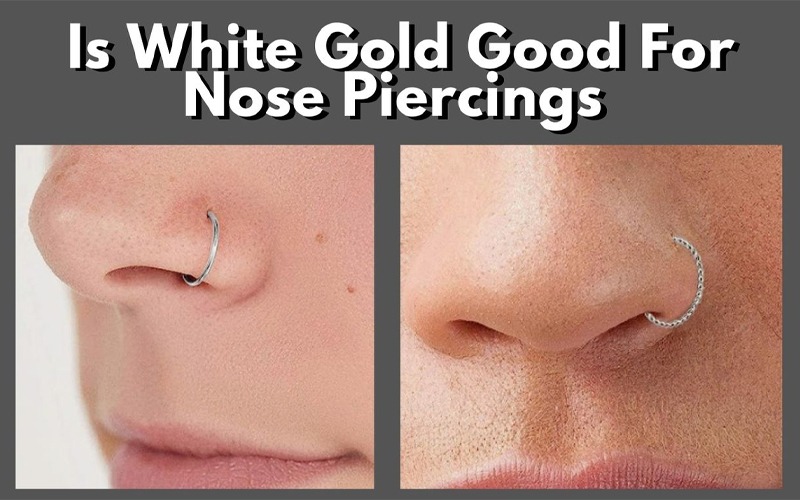
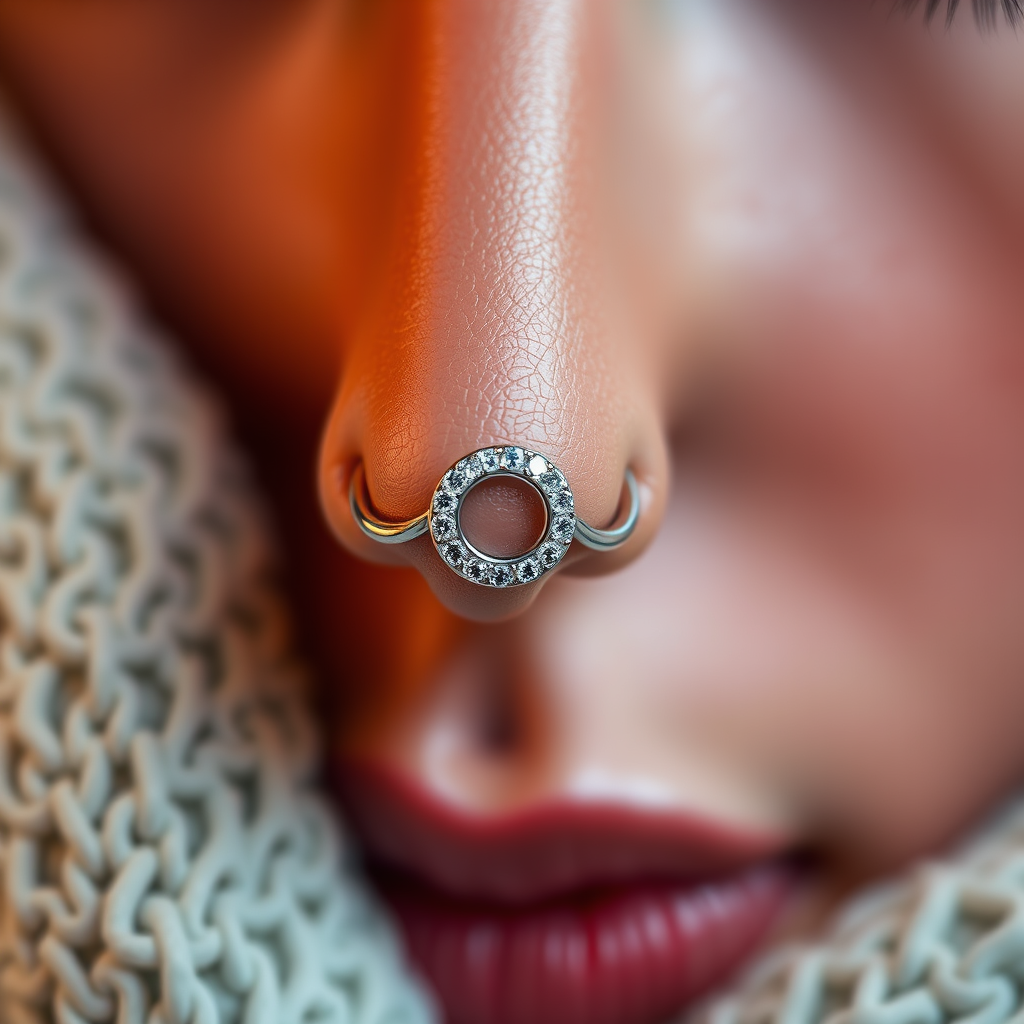
– Studs vs. Hoops: Nose studs typically feature a post with a decorative end that may be threaded or a simple flat back. Removing these often involves unscrewing or pulling out the post. Hoops, on the other hand, can be captive bead rings or seamless hoops. Captive bead rings have a bead that holds the ring in place, while seamless hoops are a continuous piece of metal. The technique for removing these types of jewelry varies; understanding this distinction is crucial for a smooth removal process.
– Material Matters: The material of your nose ring can significantly affect not just the removal technique, but also the care required post-removal. Common materials include titanium, surgical steel, gold, and acrylic. Titanium and surgical steel are hypoallergenic and durable, but they may require more careful handling due to their sturdiness. In contrast, softer materials like acrylic can be more flexible but may also be prone to breakage if excessive force is applied.
Preparing for Removal
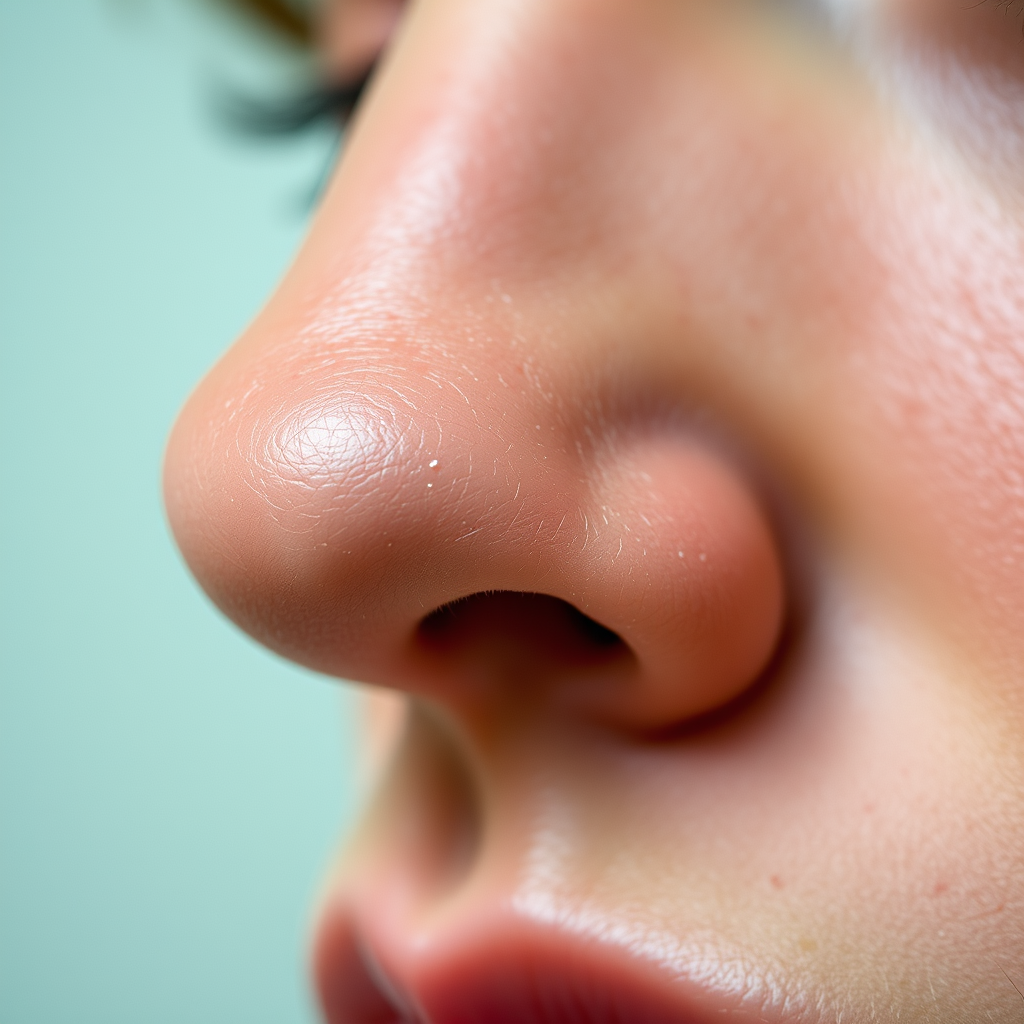
Preparation is key to ensuring a safe and effective removal of your nose piercing ring. The following steps will help you get ready for the process.
– Wash Your Hands: Hygiene is paramount when dealing with body piercings. Before you start, wash your hands with soap and warm water for at least 20 seconds. This simple yet essential step helps prevent the introduction of bacteria into the piercing site, reducing the risk of infection.
– Gather Necessary Tools: To facilitate the removal process, gather any tools you may need, such as saline solution or antiseptic wipes. A mirror is also beneficial to help you see the piercing clearly. Saline solution can be used to clean the area both before and after removal, ensuring that any debris or bacteria are eliminated.
Step-by-Step Removal Process
Once you have prepared adequately, you can proceed with the removal of your nose piercing ring. Each type of jewelry requires a specific technique, so it’s important to follow the correct steps.
– Twisting Technique: For threaded studs, the removal process involves gently twisting the jewelry counterclockwise. This motion loosens the threads, allowing you to pull the post out smoothly. If you encounter resistance, do not force it; instead, apply slight pressure while twisting to avoid damaging the piercing or the jewelry.
– Pulling Technique: For captive bead rings or seamless hoops, the process is slightly different. For a captive bead ring, you will need to gently push the bead away from the ring’s opening to remove it. Once the bead is out, the ring can be easily pulled apart. For seamless hoops, gently pull apart the ends of the ring. Always ensure that you’re not using excessive force, as this could cause discomfort or injury.
Post-Removal Care
After successfully removing your nose piercing ring, it’s vital to care for the area to promote healing and prevent infection.
– Clean the Area: Use saline solution to clean the area around the piercing thoroughly. This step is crucial as it helps to remove any bacteria that may have accumulated during the removal process. Gently dab the saline solution onto the piercing site with a clean cotton ball or pad, avoiding any harsh scrubbing that could irritate the skin.
– Monitor for Irritation: After removal, keep an eye on the piercing site for any signs of irritation, such as redness, swelling, or unusual discharge. These symptoms could indicate an infection or an allergic reaction. If you notice any concerning signs, take action promptly by consulting with a healthcare professional or piercer.
When to Seek Professional Help
While many people can safely remove their nose piercing rings at home, there are instances where professional intervention is advisable.
– Difficulty Removing: If you find that the ring is stuck or causing you pain during removal, it’s crucial to seek assistance from a professional piercer. Forcing the jewelry out can lead to injury or prolonged healing.
– Signs of Infection: If you experience excessive swelling, pus, or persistent pain, these could be signs of infection. In such cases, it is essential to seek medical advice immediately. Ignoring these symptoms can lead to more severe complications, requiring medical treatment.
Tips for Future Nose Piercing Care
Maintaining the health of your nose piercing is vital for both aesthetic and health reasons. Here are some tips for ensuring your piercing remains in good condition.
– Regular Cleaning: Establish a regular cleaning schedule to keep your piercing healthy. Cleaning the area with saline solution or an appropriate antiseptic once or twice a day can help prevent infections and promote healing, especially in the first few weeks after getting the piercing.
– Avoiding Trauma: Be mindful of how you touch or interact with your piercing. Avoid pulling, twisting, or playing with the jewelry, as these actions can lead to irritation or injury. Additionally, be cautious when applying makeup or skincare products around the area to prevent any unwanted irritation.
In summary, removing a nose piercing ring can be done safely with the right steps and precautions. Always prioritize cleanliness and care to ensure a smooth process. If you’re unsure or face any difficulties, don’t hesitate to reach out to a professional for assistance. By following these guidelines, you can ensure a successful removal and maintain the overall health of your piercing in the long term.
Frequently Asked Questions
How do I safely remove my nose piercing ring at home?
To safely remove your nose piercing ring at home, start by washing your hands thoroughly to prevent infection. Use a saline solution or antiseptic wipe to clean the area around the piercing. Gently twist the ring while applying slight pressure to the back to loosen it, as some jewelry may be tight. If you’re having difficulty, consider using a lubricant like olive oil or saline solution to make the process easier.
What should I do if my nose piercing ring is stuck?
If your nose piercing ring is stuck, do not force it out as this can cause irritation or injury. First, clean the area around the piercing and apply a few drops of lubricant or saline solution to help ease the removal. Try gently twisting the jewelry back and forth while pulling it out slowly. If it remains stuck, consult a professional piercer or a healthcare provider for assistance to avoid complications.
Why does my nose piercing ring feel tight and difficult to remove?
A nose piercing ring may feel tight and difficult to remove due to swelling or irritation from the healing process, or it could be a result of the jewelry material. If you’ve recently had the piercing done, swelling is common and may make the ring feel snug. Always ensure that the jewelry is made from body-safe materials like titanium or surgical steel, as these are less likely to cause allergic reactions that can exacerbate tightness.
What is the best type of nose ring for easy removal?
The best type of nose ring for easy removal is typically a stud or a hoop with a hinge-opening mechanism, as they are designed to allow for straightforward insertion and removal. Surgical steel and titanium rings are also recommended because they are lightweight and reduce irritation during the removal process. Avoid using jewelry with complex locking mechanisms if you anticipate needing to remove it frequently.
Which aftercare steps are important after removing a nose piercing ring?
After removing a nose piercing ring, it’s essential to follow specific aftercare steps to promote healing and reduce the risk of infection. Clean the area with saline solution or an antiseptic to keep the piercing site free from bacteria. Additionally, avoid touching your nose with unwashed hands and refrain from wearing any jewelry until the piercing is completely healed. If you notice any signs of infection, such as redness, swelling, or pus, consult a healthcare professional promptly.